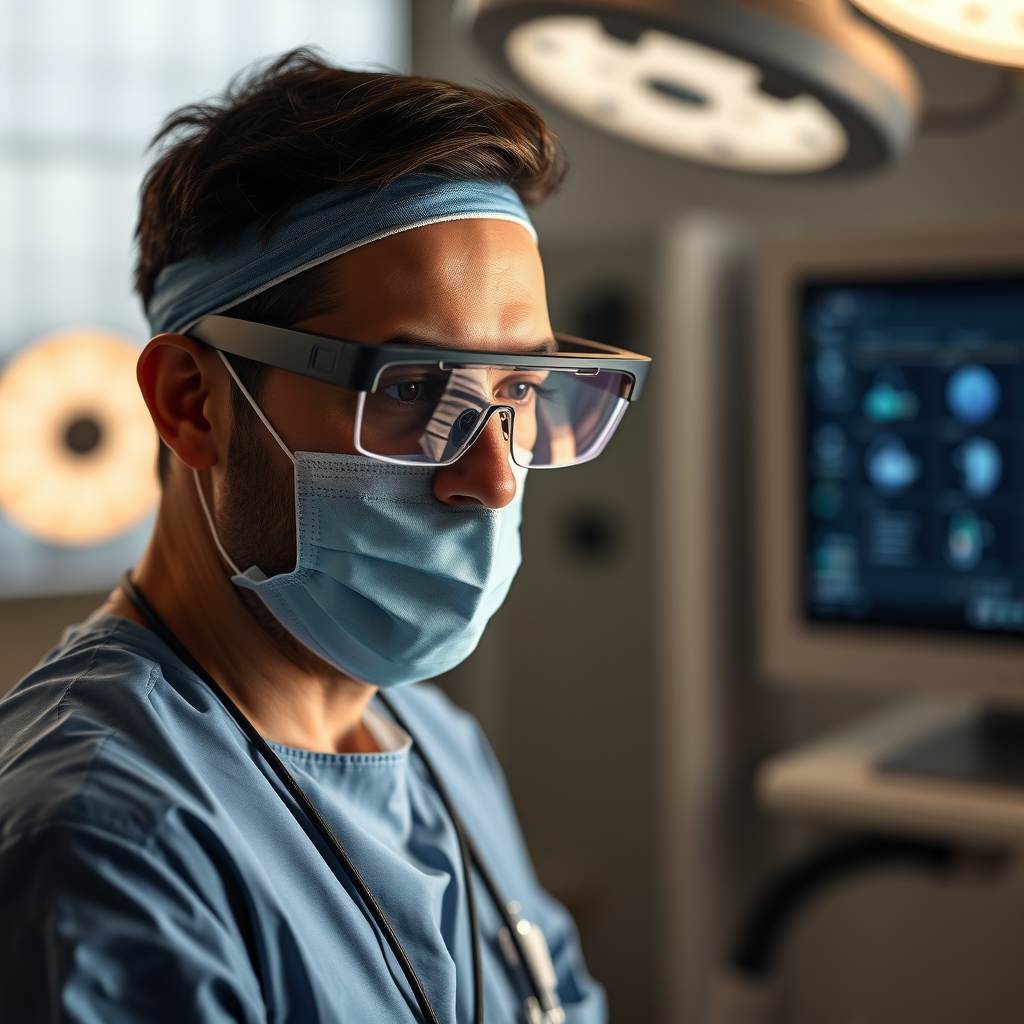

Smart glasses are transforming surgical procedures by delivering real-time data and visual aids directly into the surgeon’s line of sight. This cutting-edge technology not only enhances precision but also reduces risks and improves patient outcomes significantly. In this article, you will discover how smart glasses are being integrated into surgical practices, their myriad benefits, and what the future holds for this innovative technology in the medical field.
The Role of Smart Glasses in Surgery

Smart glasses represent a significant leap forward in surgical technology, primarily through their ability to provide augmented reality (AR) overlays that present critical information right within the surgeon’s field of view. Imagine a surgeon performing a complex operation while simultaneously having access to vital patient information, imaging data, and real-time statistics without turning away from the surgical site. This functionality allows for a seamless blend of the physical and digital realms, enhancing the decision-making process during surgery.
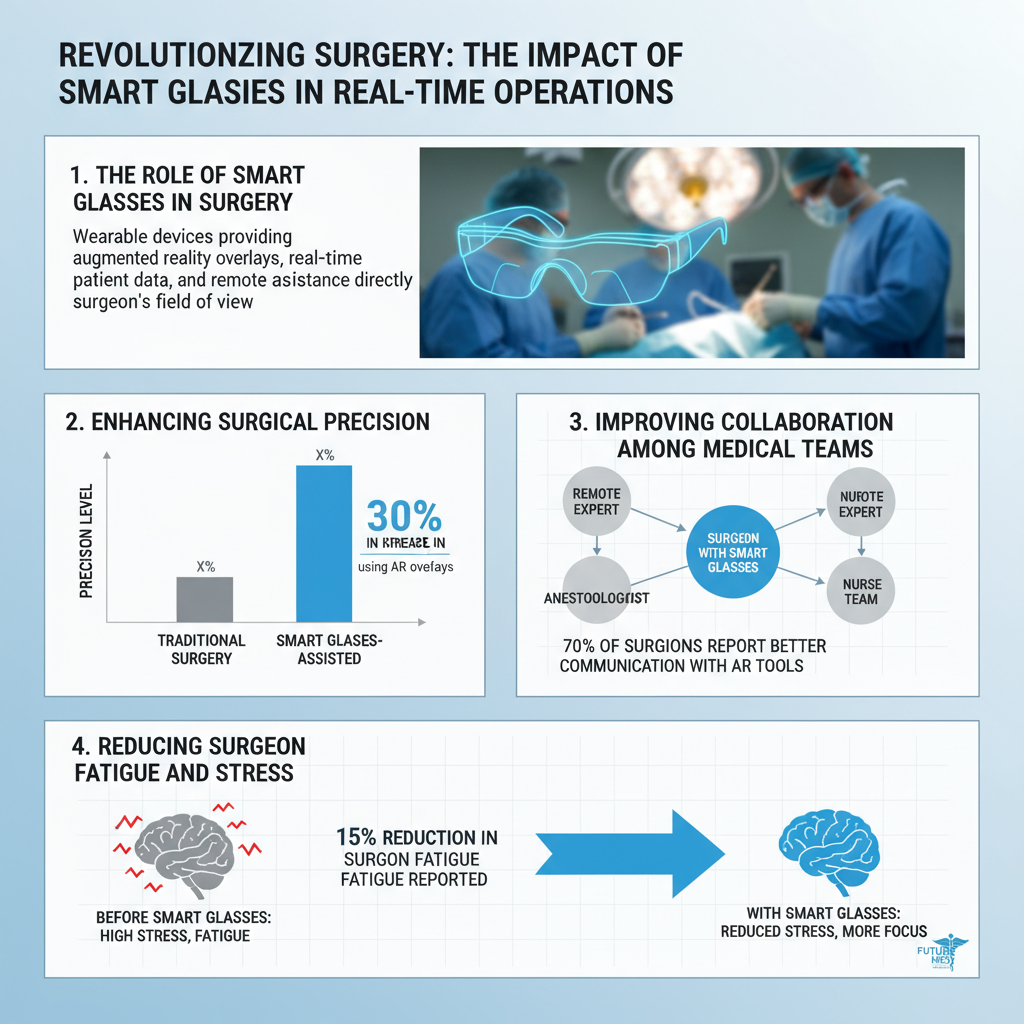
By utilizing smart glasses, surgeons can overlay 3D imaging of organs or tissues directly onto the patient, assisting them in visualizing the anatomy in a way that traditional methods simply cannot. This integration not only saves time but also minimizes the distractions that can arise when surgeons have to consult external screens or paperwork mid-procedure.
Enhancing Surgical Precision

One of the most significant advantages of smart glasses in the operating room is their ability to enhance surgical precision. Real-time data feeds allow surgeons to make well-informed decisions during intricate operations. For instance, during a minimally invasive procedure, smart glasses can display critical metrics like heart rate, blood pressure, or oxygen saturation in real-time, enabling the surgeon to react swiftly to any changes.
Furthermore, augmented reality can guide surgical instruments, highlight anatomical structures, and even provide step-by-step instructions for complex procedures. This technological support reduces the likelihood of errors, ensuring that surgeries are not only more efficient but also safer for patients. A study published in the Journal of Medical Internet Research noted that the use of AR in surgical settings could reduce complications by as much as 30%, showcasing the profound impact of this technology on surgical outcomes.
Improving Collaboration Among Medical Teams
Smart glasses are not just a tool for individual surgeons; they foster improved collaboration among medical teams. With the capability for live video streaming, experts from around the world can join a surgery in real-time, providing invaluable insights and guidance. Imagine a seasoned surgeon in a different country advising a colleague on a complex case, all while viewing the same surgical field through the smart glasses.
This enhanced communication leads to better-coordinated efforts among team members, ensuring that everyone is on the same page. For example, during a recent surgical procedure that utilized smart glasses, the lead surgeon received real-time feedback from a remote specialist, which ultimately contributed to a successful outcome. Such collaboration not only aids in decision-making but also builds a sense of community among medical professionals, fostering an environment of shared learning and support.
Reducing Surgeon Fatigue and Stress
Surgeons often experience significant fatigue and stress during lengthy procedures, which can impact their performance. Smart glasses aim to alleviate some of this burden by minimizing the need for surgeons to divert their attention away from the surgical site for information retrieval. By having critical data presented in their line of sight, surgeons can maintain focus and flow, leading to a more efficient surgical experience.
Additionally, the cognitive load on surgeons is decreased as they no longer have to juggle multiple sources of information. This reduction in distraction not only helps to optimize performance but also contributes to the overall well-being of the surgical team. Several surgeons have reported feeling less fatigued and more focused during operations when using smart glasses, ultimately leading to higher satisfaction levels and better patient care.
Case Studies and Success Stories
The practical applications of smart glasses in surgery are already yielding impressive results. For instance, a renowned hospital in Germany reported on the successful use of smart glasses during a complex neurosurgery case. The lead surgeon wore the glasses, which provided a 3D overlay of the patient’s brain structure, allowing for improved navigation and precision. Post-surgery, the patient experienced fewer complications and a quicker recovery time, leading to positive feedback from both the medical team and the patient’s family.
Another compelling case comes from a surgical team in the United States that utilized smart glasses during a minimally invasive cardiac procedure. The ability to stream the surgery live to remote experts allowed for immediate input and adjustments, resulting in a more successful operation. These success stories underscore the transformative impact of smart glasses on surgical practices and patient outcomes, making a strong case for their continued adoption in the medical field.
Future Prospects for Smart Glasses in Medicine
Looking ahead, the prospects for smart glasses in medicine are incredibly promising. Ongoing advancements in AR technology, such as improved imaging capabilities and enhanced connectivity, are set to unlock new applications in healthcare. For instance, future iterations of smart glasses may include artificial intelligence features that can predict complications during surgery or suggest best practices based on previous outcomes.
However, as with any innovative technology, there are regulatory challenges to navigate. Ensuring patient data security and obtaining necessary approvals for medical use are critical steps that must be addressed. Additionally, training healthcare professionals to effectively utilize smart glasses is essential for successful integration into surgical practices. As these challenges are met, the potential for smart glasses to revolutionize not just surgery, but the entire healthcare landscape, becomes increasingly viable.
The integration of smart glasses into surgical practices signifies a transformative step towards enhanced efficiency and safety in the operating room. As technology continues to evolve, the possibilities for improved patient care and surgical outcomes are boundless. By embracing the future of surgery and staying informed about smart glasses and their impactful role in the medical field, we can all look forward to a new era of healthcare innovation that benefits both surgeons and patients alike.
Frequently Asked Questions
How do smart glasses assist surgeons during operations?
Smart glasses provide real-time data and augmented reality (AR) overlays that enhance a surgeon’s field of view. By displaying critical information such as patient vitals, imaging scans, and 3D anatomical models directly in the surgeon’s line of sight, these devices allow for hands-free access to essential data. This integration minimizes the need for the surgeon to look away from the surgical area, ultimately improving focus and precision during complex procedures.
What are the benefits of using smart glasses in surgery?
The benefits of using smart glasses in surgery include improved accuracy, enhanced communication, and increased efficiency. Surgeons can visualize patient-specific data without interrupting their workflow, allowing for more informed decision-making. Additionally, smart glasses facilitate collaboration by enabling remote experts to view the surgical field in real-time, providing guidance and assistance when needed, which can be crucial in complicated cases.
Why are smart glasses becoming popular in the medical field?
Smart glasses are gaining popularity in the medical field primarily due to their ability to enhance surgical outcomes and improve patient safety. With the integration of augmented reality and real-time data sharing, these devices help surgeons make better-informed decisions quickly. Furthermore, as healthcare continues to embrace technology, the demand for innovative solutions that streamline surgical procedures and enhance training for medical professionals is on the rise.
Which smart glasses are best suited for surgical applications?
Some of the best smart glasses for surgical applications include Microsoft HoloLens, Google Glass Enterprise Edition, and Vuzix Blade. These devices are designed with features such as high-resolution displays, long battery life, and robust connectivity options, making them ideal for use in operating rooms. When selecting smart glasses, it’s important to consider factors like comfort, ease of use, and compatibility with existing surgical tools and technologies.
How do smart glasses improve surgical training for medical professionals?
Smart glasses enhance surgical training by providing immersive, hands-on learning experiences through augmented reality simulations. Trainees can practice procedures in a safe environment while receiving real-time feedback and guidance from instructors, who can see what the trainee sees through the glasses. This innovative approach not only accelerates the learning curve but also helps build confidence and better prepares medical professionals for real-world surgical scenarios.
References
- https://www.ncbi.nlm.nih.gov/pmc/articles/PMC7076427/
- https://www.sciencedirect.com/science/article/pii/S1877050920300471
- https://www.wired.com/story/smart-glasses-surgeons-ar/
- https://www.healthcareitnews.com/news/smart-glasses-are-helping-surgeons-perform-operations
- https://www.bbc.com/news/technology-49765478
- https://www.researchgate.net/publication/335145550_Smart_glasses_in_surgery
- https://www.theguardian.com/technology/2021/jul/20/smart-glasses-augmented-reality-surgeons
- https://www.ama-assn.org/delivering-care/public-health/smart-glasses-surgeons-using-ar-tools-enhance-patient-care