
The integration of artificial intelligence (AI) into military-grade display technologies significantly enhances operational efficiency, situational awareness, and data visualization for defense applications. This transformation empowers military personnel to make informed decisions swiftly, adapt to rapidly changing environments, and optimize their strategic approaches on the battlefield. As we delve into the nuances of these advancements, it becomes clear that AI is not just an enhancement but a crucial element in modern military operations.


![Mkeke for iPhone 18 Pro Case Clear [Not-Yellowing]](https://m.media-amazon.com/images/I/41kA8nxmbUL._SL500_.jpg)

Enhanced Visualization Capabilities
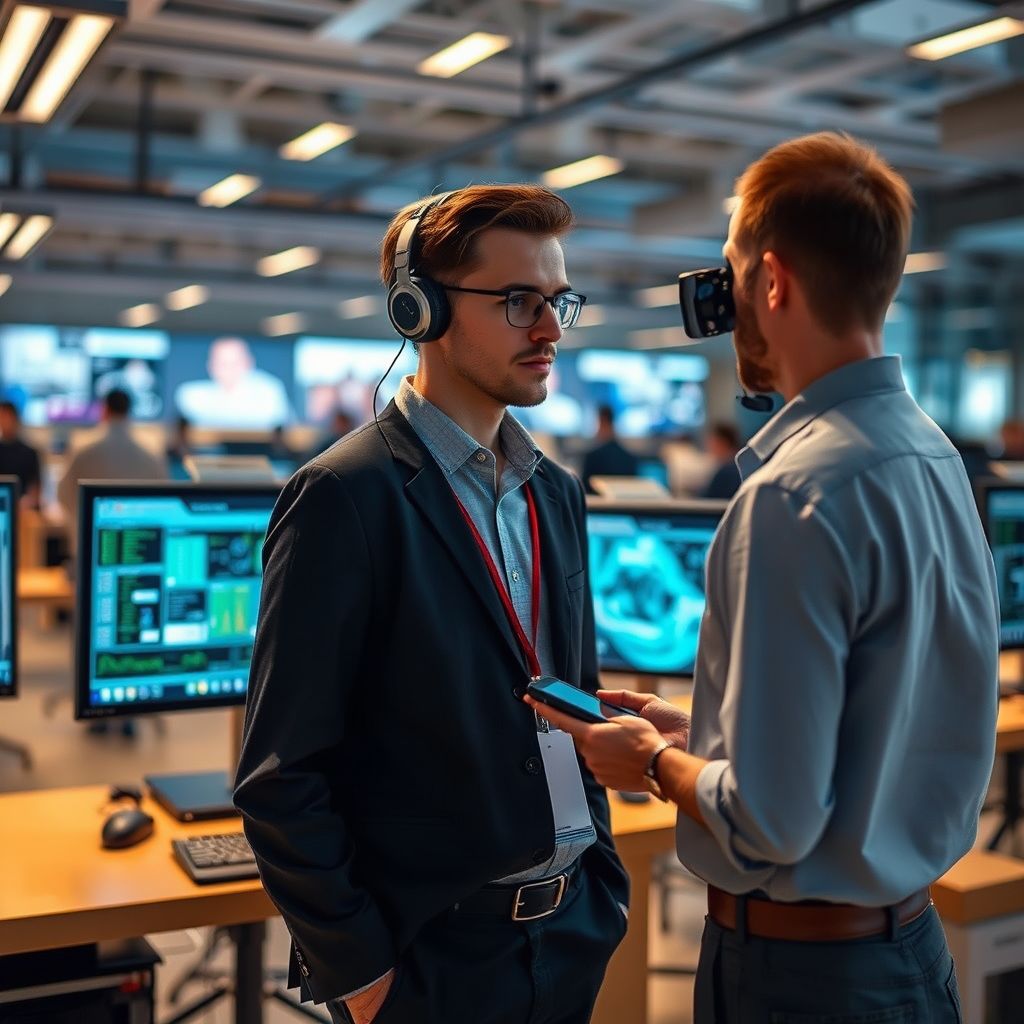
One of the standout features of AI in military-grade displays is its ability to offer enhanced visualization capabilities. AI algorithms can sift through vast amounts of data in real time, providing soldiers and strategists with critical insights at a glance. For instance, when a battlefield scenario evolves rapidly, AI can compile data from drones, satellites, and ground sensors, rendering it into clear, actionable visual formats. This capability ensures that decision-makers can quickly assess the situation without being overwhelmed by information overload.
Moreover, advanced imaging techniques powered by AI, such as computer vision and image enhancement, significantly improve the clarity and detail of displays. This technology is vital for identifying potential targets or threats in complex environments. One example includes the use of AI in targeting systems that enhance image resolution, making it easier for operators to distinguish between friendly forces and enemies. By providing clearer images, these technologies help reduce the chances of misidentification, which is crucial in high-stakes situations where every second counts.
Improved Data Processing and Analysis
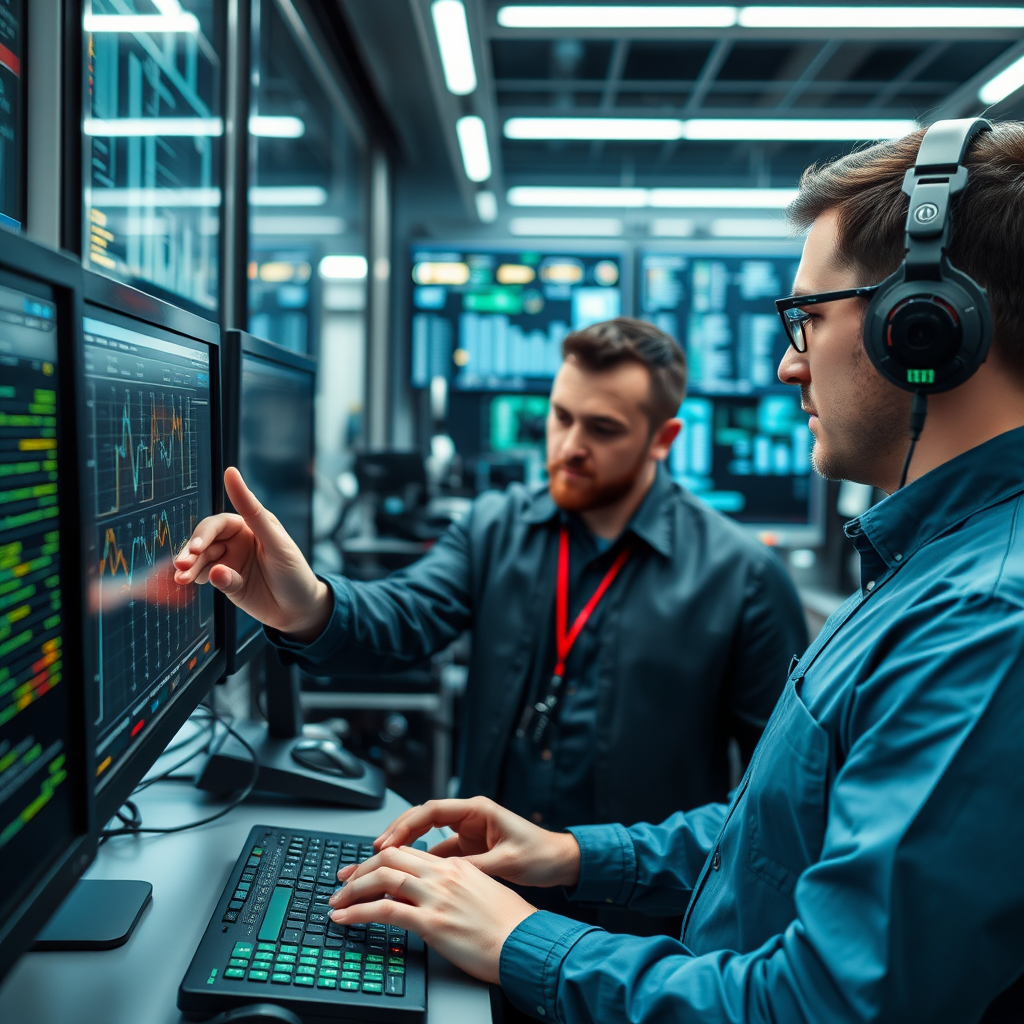
AI stands out in its ability to process and analyze data more efficiently than human operators. On the battlefield, conditions can change in the blink of an eye—an enemy might reposition, or new intelligence could emerge. AI systems can analyze incoming data from various sensors and sources, delivering insights that allow military personnel to respond more rapidly and effectively. For example, AI can predict incoming threats by analyzing patterns in enemy movements and tactics, enabling proactive rather than reactive strategies.
Machine learning models play a significant role here, as they can identify patterns and trends in large datasets, allowing for predictive analytics that shape military strategies and tactics. This means that military leaders can make decisions based on data-driven forecasts rather than gut feelings or outdated information. Such capabilities not only enhance tactical planning but also contribute to overall mission success by ensuring that commanders are equipped with the best possible insights.
Increased Operational Efficiency
The operational efficiency of military units improves significantly with the automation of display functions through AI. By automating routine tasks, AI reduces the cognitive load on military personnel, allowing them to concentrate on strategic decision-making rather than getting bogged down with manual data management. For instance, during a mission, AI can automatically update displays with real-time intelligence, ensuring that all personnel are on the same page without manual intervention.
Furthermore, AI integration fosters streamlined communication between units. In the chaos of combat, maintaining clear communication is essential. AI systems can ensure that all personnel have access to the most up-to-date information, regardless of their location. This capability not only enhances coordination among units but also promotes a unified approach to complex military operations.
Enhanced Training Simulations
AI-driven simulations are revolutionizing the training of military personnel by providing realistic and immersive training scenarios. These simulations can replicate various combat environments, enabling soldiers to practice their skills in conditions that closely mimic actual operations. For example, the U.S. Army’s Synthetic Training Environment (STE) utilizes AI to create adaptive scenarios that adjust based on the performance of the soldiers, providing a tailored training experience.
Adaptive learning algorithms enhance this process further by customizing training programs to meet individual needs. This approach helps improve skill acquisition and retention, ensuring that personnel are well-prepared for the challenges they may face in real combat situations. By using AI in training, militaries can develop more competent and confident soldiers who can respond effectively when it matters most.
Challenges and Considerations
While the benefits of AI integration into military-grade display technologies are substantial, several challenges and considerations must be addressed. One significant concern is data security. The reliance on AI systems increases the risk of cyber threats, and a compromised system could lead to disastrous outcomes during critical missions. Ensuring robust cybersecurity measures and protocols is crucial to mitigate such risks.
Additionally, ethical considerations surrounding autonomous decision-making in combat situations cannot be overlooked. There are ongoing debates about the morality of allowing AI to make life-and-death decisions without human oversight. Military organizations must navigate these ethical dilemmas carefully, establishing guidelines that ensure responsible use of AI technologies.
Future Developments in Military Displays
The future of AI in military-grade displays is bright, with ongoing research aimed at enhancing capabilities, including the incorporation of augmented reality (AR) and virtual reality (VR) applications. These technologies promise to create even more immersive environments for training and operational planning. For instance, AR can overlay critical data onto the real-world view of soldiers in the field, providing them with immediate situational awareness without obstructing their line of sight.
Collaboration between tech companies and defense organizations will likely drive this innovation, focusing on creating more effective and intuitive display technologies. As these developments unfold, we can expect military operations to become increasingly sophisticated, with AI playing a central role in shaping the future of warfare.
The integration of AI into military-grade display technologies is revolutionizing how defense forces operate, providing enhanced visualization, improved data processing, and greater operational efficiency. As these technologies continue to evolve, they promise to play a crucial role in modern warfare, making it essential for military organizations to stay ahead of the curve. By exploring the latest advancements, we can better understand how AI impacts military operations and the importance of responsible and innovative approaches to its implementation.
Frequently Asked Questions
What are the main advantages of using AI in military-grade display technologies?
The integration of AI in military-grade display technologies enhances situational awareness, improves data processing speed, and enables real-time analytics. AI algorithms can analyze vast amounts of information quickly, providing military personnel with critical insights that support decision-making on the battlefield. Additionally, AI can optimize display settings automatically for different environments, ensuring clarity and visibility under various conditions.
How does AI improve the functionality of military displays in combat scenarios?
AI enhances the functionality of military displays by enabling advanced features such as predictive analytics and augmented reality overlays. These capabilities allow soldiers to visualize complex data, such as troop movements and potential threats, on their displays in real time. This enriched visualization helps military units coordinate more effectively and respond swiftly to evolving situations in combat scenarios.
Why is cybersecurity a concern with AI in military-grade display technologies?
Cybersecurity is a significant concern because AI systems, while improving functionality, can also introduce vulnerabilities that adversaries may exploit. Hackers can potentially manipulate AI algorithms, leading to misinformation or compromised displays that can jeopardize missions and personnel safety. Ensuring robust cybersecurity measures for AI-driven display technologies is crucial to protect sensitive data and maintain operational integrity.
Which military applications benefit the most from AI-enhanced display technologies?
AI-enhanced display technologies are particularly beneficial in applications such as drone operations, battlefield management systems, and reconnaissance missions. For example, drones equipped with AI can provide real-time surveillance data, while battlefield management systems can utilize AI to visualize troop movements and logistics, enabling commanders to make informed strategic decisions. These applications significantly improve efficiency and effectiveness in military operations.
What are the challenges in implementing AI in military-grade display systems?
Implementing AI in military-grade display systems poses several challenges, including high development costs, the need for specialized training, and integration with existing technologies. Additionally, ensuring the reliability of AI systems in dynamic and unpredictable combat environments is critical. Overcoming these challenges requires ongoing research, investment in technology, and a focus on creating user-friendly interfaces for military personnel.
References
- Display device
- https://www.army.mil/article/245607/army_research_lab_develops_advanced_display_technologies_for_military_applications
- https://www.researchgate.net/publication/327424561_The_Role_of_Artificial_Intelligence_in_Military_Applications
- 404 Error Page | U.S. Department of War
- https://www.nationaldefensemagazine.org/articles/2019/4/18/how-ai-is-transforming-military-operations
- https://www.sciencedirect.com/science/article/pii/S2212017319302030
- https://www.brookings.edu/research/ai-and-the-future-of-war/
- https://www.weforum.org/agenda/2020/10/ai-transforming-military-operations/
- https://www.usni.org/magazines/proceedings/2020/march/artificial-intelligence-and-future-warfare
- https://www.nist.gov/news-events/news/2021/05/nist-research-explores-impact-ai-military-applications