
AI-powered cinematic lighting adjustments utilize machine learning algorithms to analyze scenes in real-time and modify lighting conditions for optimal visual effects. This innovative technology not only enhances the filmmaking process by providing creative control but also significantly improves efficiency during both shooting and editing phases. By integrating AI-driven lighting adjustments, filmmakers can create stunning visuals that captivate audiences and elevate the overall storytelling experience.
Understanding AI in Cinematic Lighting

At the core of AI-powered cinematic lighting are sophisticated algorithms designed to analyze visual data. These algorithms examine various factors, such as the color, intensity, and placement of light within a scene. By utilizing machine learning models, AI can adapt to different scenes and environments, ensuring the lighting is perfectly suited to the mood, tone, and narrative of the film.
For instance, AI can recognize when a scene shifts from a bright, sunlit landscape to a dimly lit interior. It can automatically adjust the lighting settings to maintain consistency and enhance visual appeal. This adaptability is crucial for filmmakers who often work under tight schedules and changing conditions. The ability of AI to learn from previous lighting setups and apply that knowledge to new scenes makes it an invaluable tool in modern filmmaking.
Benefits of AI Lighting Adjustments
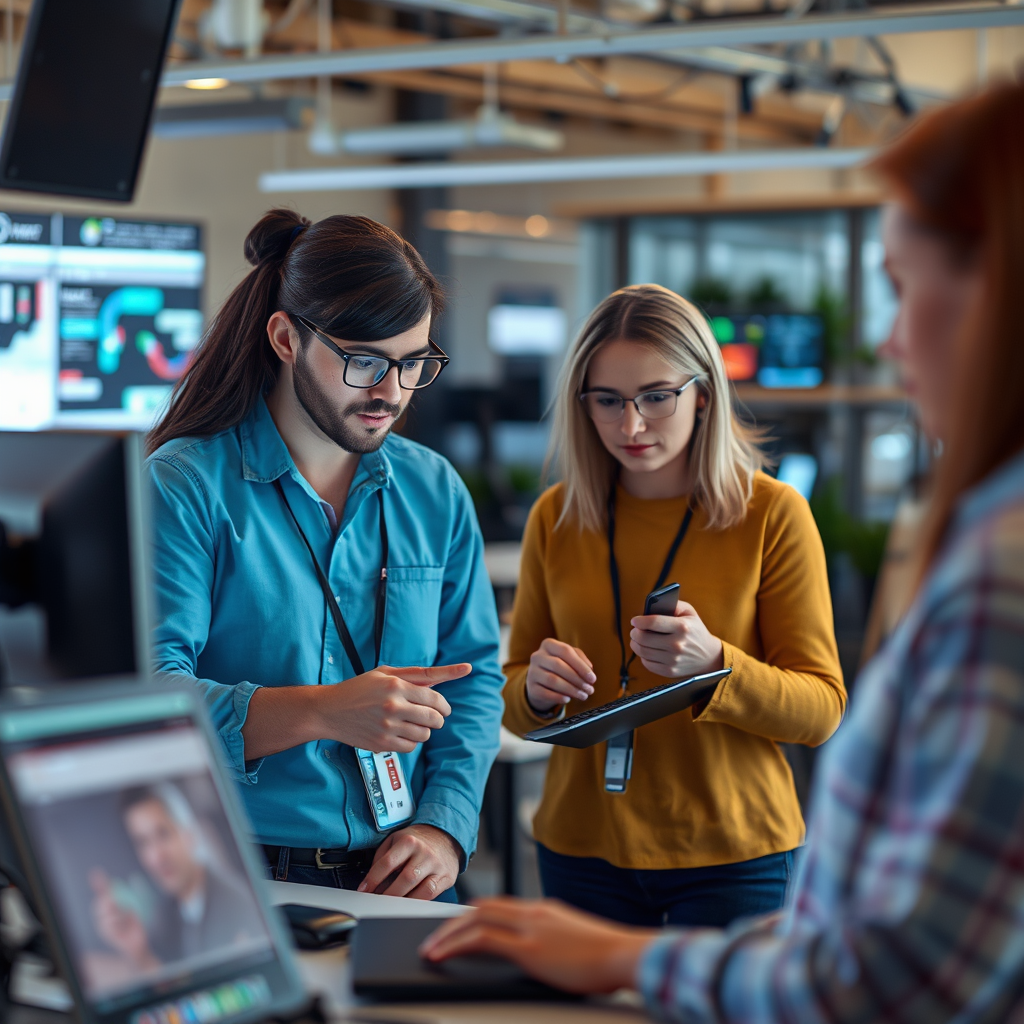
One of the most significant advantages of AI lighting adjustments is the enhanced creative control they offer filmmakers. With AI’s ability to analyze and suggest optimal lighting conditions, directors and cinematographers can focus more on their artistic vision rather than getting bogged down by technical details. It allows for more experimentation and innovation, leading to unique visual styles that can set a film apart.
Moreover, AI lighting adjustments save considerable time during both the shooting and editing processes. Traditionally, achieving the perfect lighting could take hours of trial and error, but with AI’s real-time adjustments, filmmakers can achieve stunning results more quickly. This efficiency not only streamlines the production process but also reduces costs, making it easier for filmmakers of all sizes to bring their visions to life. An example of this time-saving capability can be seen in the production of “The Mandalorian,” where innovative lighting techniques were employed to create immersive environments efficiently.
Key Technologies Behind AI Lighting
Several key technologies drive the functionality of AI lighting adjustments. One of the most important is computer vision, a field of AI that enables machines to interpret and understand visual information. By utilizing computer vision, AI can analyze the dynamics of a scene, including the movement of actors, changes in background elements, and variations in natural light. This analysis allows for precise adjustments that enhance the overall visual experience.
Additionally, the integration of neural networks plays a significant role in predictive lighting modifications. Neural networks are designed to recognize patterns and make decisions based on data inputs. In the context of cinematic lighting, they can predict how lighting should change based on the scene’s characteristics. This predictive capability means that AI can not only react in real-time but also anticipate adjustments needed for upcoming scenes, further enhancing the efficiency of the filmmaking process.
Real-World Applications
AI-powered lighting adjustments are already making waves in the film industry, with numerous case studies showcasing their effectiveness. For example, the recent blockbuster “Dune” utilized advanced AI lighting techniques to create its otherworldly environments. The filmmakers harnessed AI to adjust lighting in post-production, ensuring that the visual effects blended seamlessly with live-action shots, creating a more immersive experience for viewers.
Beyond film, AI lighting technology is also making its mark in live events and virtual productions. Concerts, theater performances, and corporate events are increasingly leveraging AI-powered lighting to create dynamic, responsive atmospheres. For instance, during live concerts, AI systems can adjust lighting in real-time based on audience reactions and the performers’ movements, creating a more engaging and memorable experience.
Challenges and Limitations
Despite its many advantages, the use of AI in cinematic lighting is not without challenges. One of the primary technical constraints is the current inability of AI to capture nuanced lighting effects that can be pivotal in certain scenes. While AI can make general adjustments, it may struggle with more subtle variations that require a human touch to achieve the desired emotional impact.
Moreover, there are ethical considerations surrounding automated decision-making in creative processes. Filmmakers must carefully balance the convenience of AI with the authenticity and artistry that comes from human creativity. Questions arise about how much creative control should be handed over to machines and whether this could dilute the unique vision of individual filmmakers.
Future Trends in AI Lighting Technology
Looking to the future, we can anticipate significant advancements in AI lighting systems that will further revolutionize the filmmaking process. As machine learning algorithms become more sophisticated, we may see AI capable of making even more nuanced lighting adjustments that mimic human intuition. This could lead to a new era of filmmaking where the collaboration between artists and AI creates even more breathtaking visuals.
Additionally, the role of AI in shaping cinematic storytelling will likely expand. Expect to see AI facilitating not only lighting adjustments but also contributing to other aspects of production, such as editing and sound design. As filmmakers increasingly adopt these technologies, we may witness an evolution of storytelling techniques that leverage AI’s capabilities to create richer, more immersive narratives.
In conclusion, the integration of AI-powered cinematic lighting adjustments is transforming the landscape of filmmaking. By enhancing creative control, improving efficiency, and enabling stunning visuals, this technology is becoming an indispensable asset for filmmakers. As advancements continue to unfold, staying informed and embracing these innovations will be essential for anyone looking to make their mark in the world of visual storytelling. Whether you’re a seasoned filmmaker or an enthusiastic novice, exploring AI lighting technologies can open new doors to creativity and expression.
Frequently Asked Questions
What are AI-powered cinematic lighting adjustments and how do they work?
AI-powered cinematic lighting adjustments refer to the use of artificial intelligence algorithms to dynamically modify and enhance lighting in video production. These systems analyze the scene in real-time, considering factors such as subject position, mood, and environmental conditions. By leveraging machine learning, the AI can suggest or automatically apply optimal lighting settings to create visually stunning and coherent footage, greatly enhancing the filmmaking process.
How can AI lighting adjustments improve video production efficiency?
AI lighting adjustments can significantly improve video production efficiency by automating time-consuming tasks such as lighting setup and adjustments. By quickly analyzing the scene and applying the best lighting configurations, filmmakers can focus more on storytelling and less on technical details. This reduces the time spent on set, allowing for quicker shoots and more creative freedom, ultimately leading to higher-quality results in less time.
Why should filmmakers consider using AI for lighting adjustments over traditional methods?
Filmmakers should consider using AI for lighting adjustments because it offers a level of precision and adaptability that traditional methods may lack. AI can analyze complex visual data and make adjustments on the fly, responding to changes in the environment or subject movement. Additionally, AI can learn from past projects, continually improving its suggestions, which can lead to enhanced creativity and consistency across different shoots.
What are the best AI-powered tools for cinematic lighting adjustments available today?
Some of the best AI-powered tools for cinematic lighting adjustments include software like DaVinci Resolve, Adobe Premiere Pro with Sensei, and plugins like FilmConvert. These tools offer advanced features that automate lighting corrections, match color temperatures, and suggest optimal lighting setups based on the scene’s context. By integrating these tools into your workflow, you can elevate your video production quality and streamline the editing process.
Which features should I look for in AI lighting adjustment tools for filmmaking?
When searching for AI lighting adjustment tools, look for features such as real-time scene analysis, customizable lighting presets, and the ability to adapt based on user feedback. Additionally, tools that support seamless integration with existing video editing software, offer collaborative features for team projects, and include robust tutorials or customer support can greatly enhance your user experience. These features ensure that the tool is not only effective but also user-friendly, enabling filmmakers of all levels to benefit from AI technology.
References
- https://en.wikipedia.org/wiki/Artificial_intelligence_in_film
- https://www.sciencedirect.com/science/article/pii/S0360132319301874
- https://www.nature.com/articles/s41599-020-00691-1
- https://www.bbc.com/future/article/20200820-how-ai-could-change-cinematography
- https://www.theguardian.com/film/2021/mar/01/how-ai-is-changing-the-way-we-make-movies
- https://www.techrepublic.com/article/how-ai-is-transforming-cinematography/
- https://www.wired.com/story/ai-cinematic-lighting/