The future of AI-driven real-time TV show editing is bright and transformative, promising to revolutionize how content is created and delivered. By seamlessly integrating artificial intelligence into the editing process, creators can expect faster workflows, increased creativity, and enhanced audience engagement. As technology continues to advance, it’s crucial for content creators to adapt and harness these innovative tools to stay ahead in an ever-evolving industry.
The Evolution of AI in TV Show Editing

Traditional editing processes have long relied on human skill and intuition, often leading to labor-intensive workflows that can be time-consuming and prone to error. Editors typically sift through hours of footage, making painstaking decisions about cuts, transitions, and pacing. This manual process can hinder creativity and increase production timelines.
Enter AI tools, which have begun to revolutionize this landscape. These intelligent systems can analyze vast amounts of footage, identifying key moments and suggesting edits based on learned patterns and viewer preferences. For instance, AI can help editors by automatically highlighting the most engaging parts of a show, allowing them to focus on creative decisions rather than mundane tasks. This shift toward AI-powered editing doesn’t just speed up processes; it also enhances the overall production quality.
Key Benefits of AI-Powered Editing
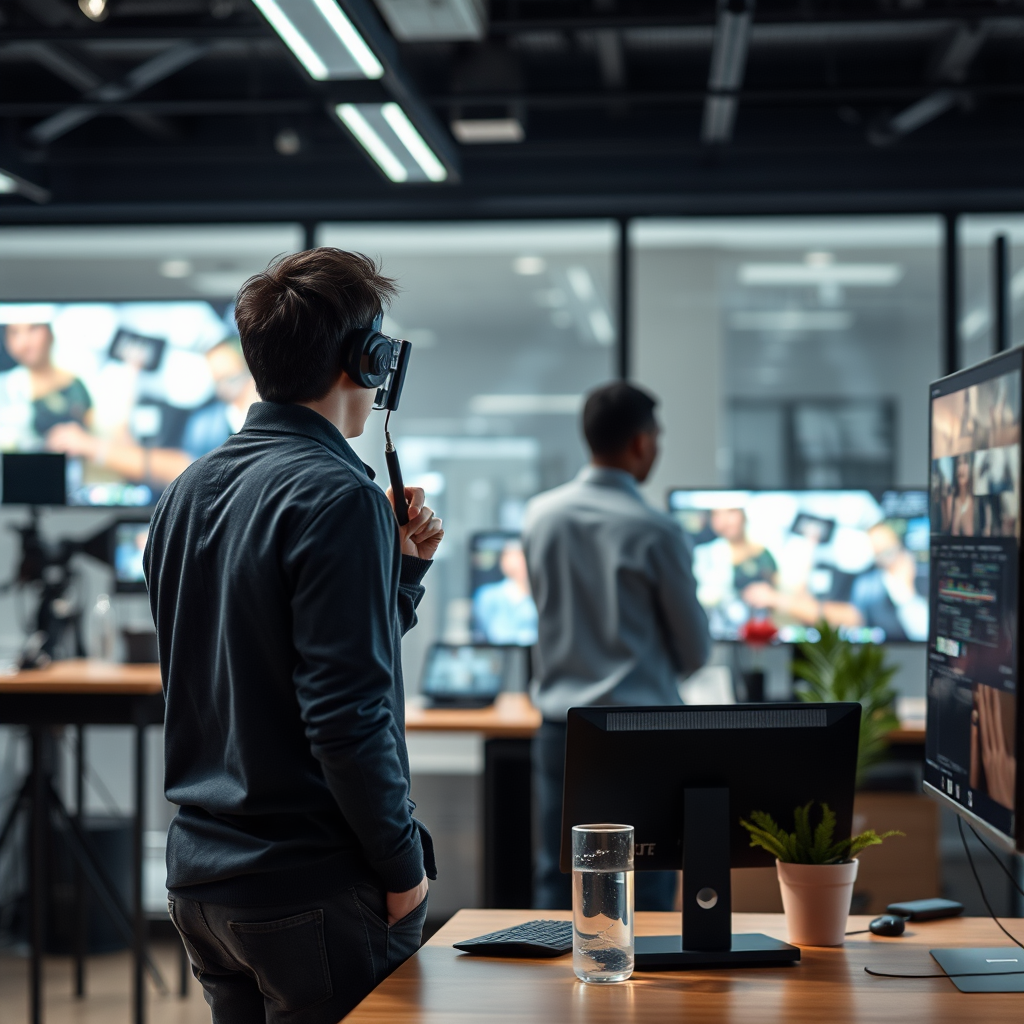
The advantages of AI in TV show editing are manifold, with one of the most significant being increased efficiency. Automation allows for quicker turnaround times on projects, enabling editors to produce high-quality content in a fraction of the time it used to take. Imagine being able to finish a rough cut in a matter of hours instead of days—this is becoming a reality with AI-driven tools.
Moreover, AI can enhance creativity in the editing room. By analyzing successful edits from past shows, AI can offer suggestions for cuts, transitions, and even pacing that align with audience preferences. This collaborative effort between human editors and AI can lead to more innovative storytelling, as creators can explore different editing styles and techniques without being bogged down by the logistics of the process. For example, tools like Adobe Premiere Pro’s Sensei use AI to provide automated editing suggestions, helping editors to focus on the artistic aspects of their work.
Real-Time Editing: How AI Changes the Game
One of the most groundbreaking aspects of AI in TV show editing is its ability to facilitate real-time adjustments during live broadcasts. This capability not only improves the viewer experience but also allows for a more dynamic and responsive production environment. Imagine a live sports event where AI can instantly analyze player performance and suggest highlights to be aired as they happen—this is the future of real-time editing.
Several shows are already tapping into this potential. For instance, major broadcasting networks have begun using AI to assist with live sports commentary and coverage, automatically generating graphics and statistics that enhance viewer engagement. This not only keeps audiences glued to their screens but also elevates the quality of the broadcast.
The Role of Machine Learning in Content Personalization
AI’s ability to analyze viewer preferences is another game-changer, allowing networks to tailor content specifically for different audience segments. By utilizing machine learning algorithms, AI can sift through viewer data—such as watch history, ratings, and engagement metrics—to suggest personalized content. This type of customization can significantly increase viewer retention and satisfaction.
Further, targeted advertising becomes more effective with AI-driven insights. By understanding what types of content resonate with specific demographics, networks can present ads that align with viewer interests, ultimately leading to higher conversion rates. For instance, platforms like Netflix already use sophisticated algorithms to recommend shows based on individual user behavior, creating a more engaging viewing experience.
Challenges and Considerations for AI Integration
Despite the exciting prospects of AI in TV show editing, there are challenges and considerations that must be addressed. One of the primary concerns is the potential for a lack of creativity or emotional depth in AI-generated edits. While AI can analyze data and identify patterns, it lacks the human touch that often brings stories to life. Over-reliance on technology could result in formulaic content that fails to resonate with viewers on a deeper level.
Additionally, ethical considerations around content manipulation and authenticity are paramount. As AI becomes more integrated into the editing process, questions arise regarding the authenticity of the content being produced. Are we losing the essence of storytelling in favor of efficiency? It’s essential for creators to strike a balance between leveraging AI’s capabilities and maintaining the integrity of their narratives.
Future Trends in AI Editing Technology
As we look to the future, several trends are poised to shape the landscape of AI editing technology. One prediction is the development of more advanced AI systems that can learn and adapt in real-time, allowing for even more nuanced editing suggestions. This could lead to AI becoming an integral part of the collaborative process between human editors and technology.
Furthermore, deeper integration with other production technologies, such as virtual reality (VR) and augmented reality (AR), is likely. As these technologies advance, AI will play a crucial role in creating immersive experiences that engage audiences like never before. Imagine an interactive show where viewers can influence the editing based on their choices—this could be a reality sooner than we think.
Case Studies of Successful AI Implementation
Several TV shows and networks have already begun leveraging AI for editing, showcasing the technology’s potential to enhance production quality. For example, the sports network ESPN has incorporated AI tools to analyze game footage and generate highlight reels almost instantaneously. This not only saves time but also ensures that fans receive the most exciting moments in real-time.
Another notable case is the use of AI in reality TV shows like “The Voice,” where AI algorithms help producers identify standout performances and moments that resonate with audiences. These implementations have not only streamlined editing processes but have also led to higher-quality broadcasts and increased viewer engagement.
As content creators explore AI solutions, there are valuable lessons to be learned from these case studies. Embracing AI can lead to innovative storytelling techniques, but it’s essential to maintain a clear vision of the narrative and the audience’s emotional connection.
The advancements in AI-powered real-time TV show editing are set to redefine how content is created and consumed. As we embrace these technologies, it’s essential to balance efficiency with creativity and ethical considerations. For those in the industry, staying ahead of these trends will be crucial for future success. Explore AI solutions today to enhance your editing processes and captivate your audience like never before!
Frequently Asked Questions
What are the benefits of using AI-powered tools for real-time TV show editing?
AI-powered tools for real-time TV show editing offer numerous benefits, including increased efficiency, cost savings, and enhanced creativity. These tools can analyze footage quickly, identify key moments, and automate repetitive tasks, allowing editors to focus on storytelling and creative elements. Additionally, AI can suggest edits based on viewer preferences and trends, enhancing the final product’s appeal.
How does AI technology improve the quality of TV show edits in real-time?
AI technology enhances the quality of TV show edits by utilizing advanced algorithms to analyze visual and audio content, ensuring that cuts are seamless and transitions are smooth. Machine learning can also predict which scenes are likely to engage viewers, allowing editors to make informed decisions on pacing and content selection. This predictive capability helps maintain viewer interest and improve overall production quality.
Why is real-time editing important for live television broadcasts?
Real-time editing is crucial for live television broadcasts as it allows producers and editors to respond quickly to changing circumstances, such as unexpected events or technical difficulties. By utilizing AI-powered editing, teams can maintain a polished and professional presentation even under pressure. This agility helps ensure a smoother viewing experience and keeps audiences engaged, which is vital for live ratings.
Which AI tools are best for real-time TV show editing?
Some of the best AI tools for real-time TV show editing include Adobe Premiere Pro with its Sensei AI technology, Avid Media Composer, and Blackmagic Design’s DaVinci Resolve. These platforms offer a range of AI-driven features, such as auto-reframing, color correction, and scene detection, which enhance the editing process. Choosing the right tool depends on specific production needs, budget, and the level of integration with existing workflows.
How can producers prepare their teams for the transition to AI-powered editing solutions?
Producers can prepare their teams for the transition to AI-powered editing solutions by providing comprehensive training sessions and workshops focused on the new technologies. Encouraging a culture of adaptation and collaboration is key, as team members will need to learn how to work alongside AI tools effectively. Additionally, investing in pilot projects can help teams become familiar with AI capabilities, allowing them to assess the technology’s impact on their workflow before full-scale implementation.
References
- https://en.wikipedia.org/wiki/Artificial_intelligence_in_television
- https://www.bbc.com/news/technology-57817436
- https://www.theguardian.com/media/2021/jul/05/ai-editing-in-television-future
- https://www.nytimes.com/2022/01/12/technology/ai-tv-editing.html
- https://www.sciencedirect.com/science/article/pii/S0957417421000991
- https://www.wired.com/story/ai-editing-future-television/
- https://www.techrepublic.com/article/how-ai-is-changing-the-future-of-video-editing/
- https://www.aitrends.com/ai-in-media/the-impact-of-ai-on-video-editing/
- Executive Summary for the Guidebook on Understanding FAA Grant Assurance Obligations | The Nation…