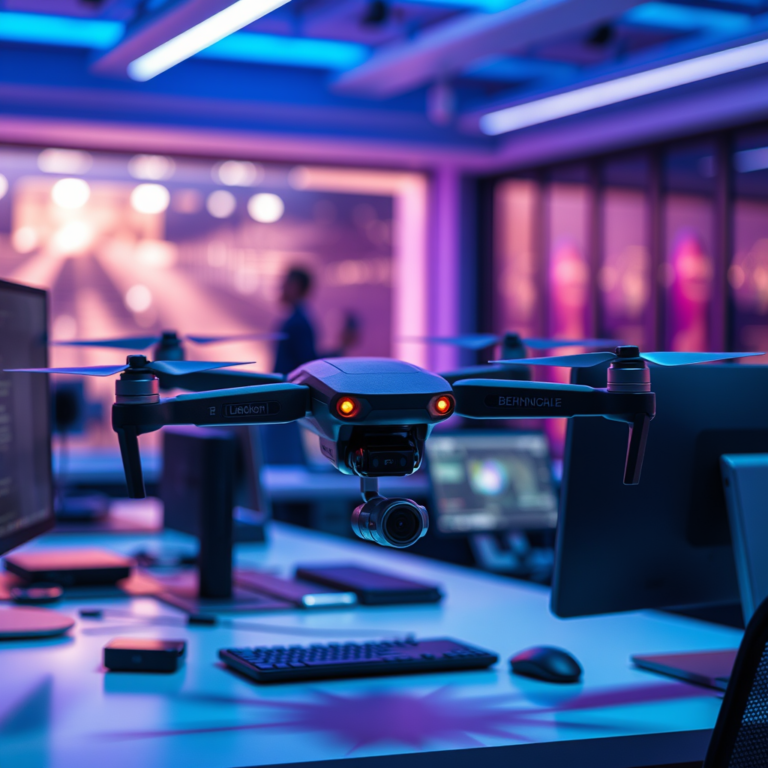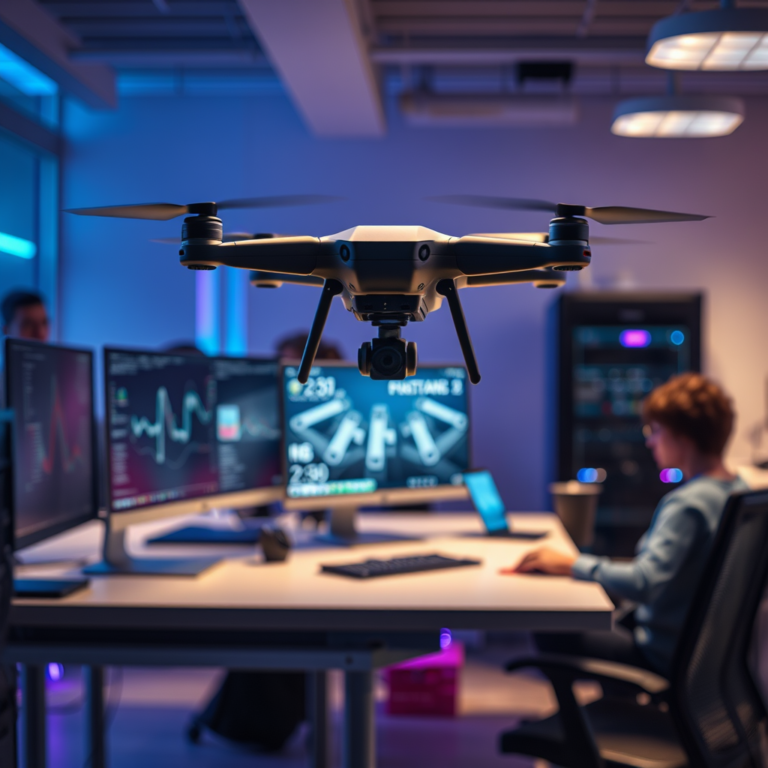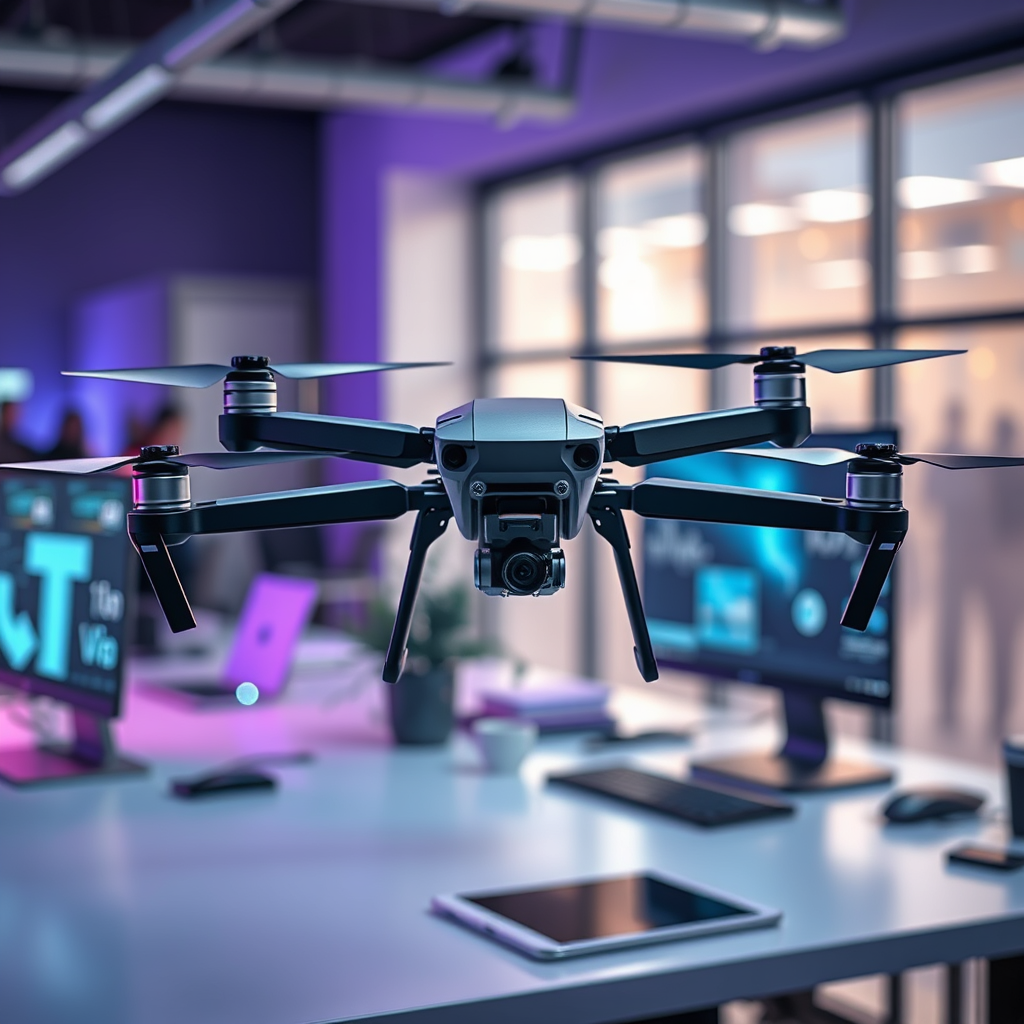

The future of AI-powered drones in live event broadcasting is bright and full of exciting possibilities. These innovative technologies are set to transform how we capture and share experiences, providing unique, immersive content that engages audiences in ways we’ve only dreamed of before. As artificial intelligence continues to advance, drones are becoming increasingly autonomous and intelligent, allowing broadcasters to deliver dynamic coverage that enhances storytelling and viewer engagement. This article will explore the transformative potential of these technologies in the broadcasting industry.
The Evolution of Drone Technology
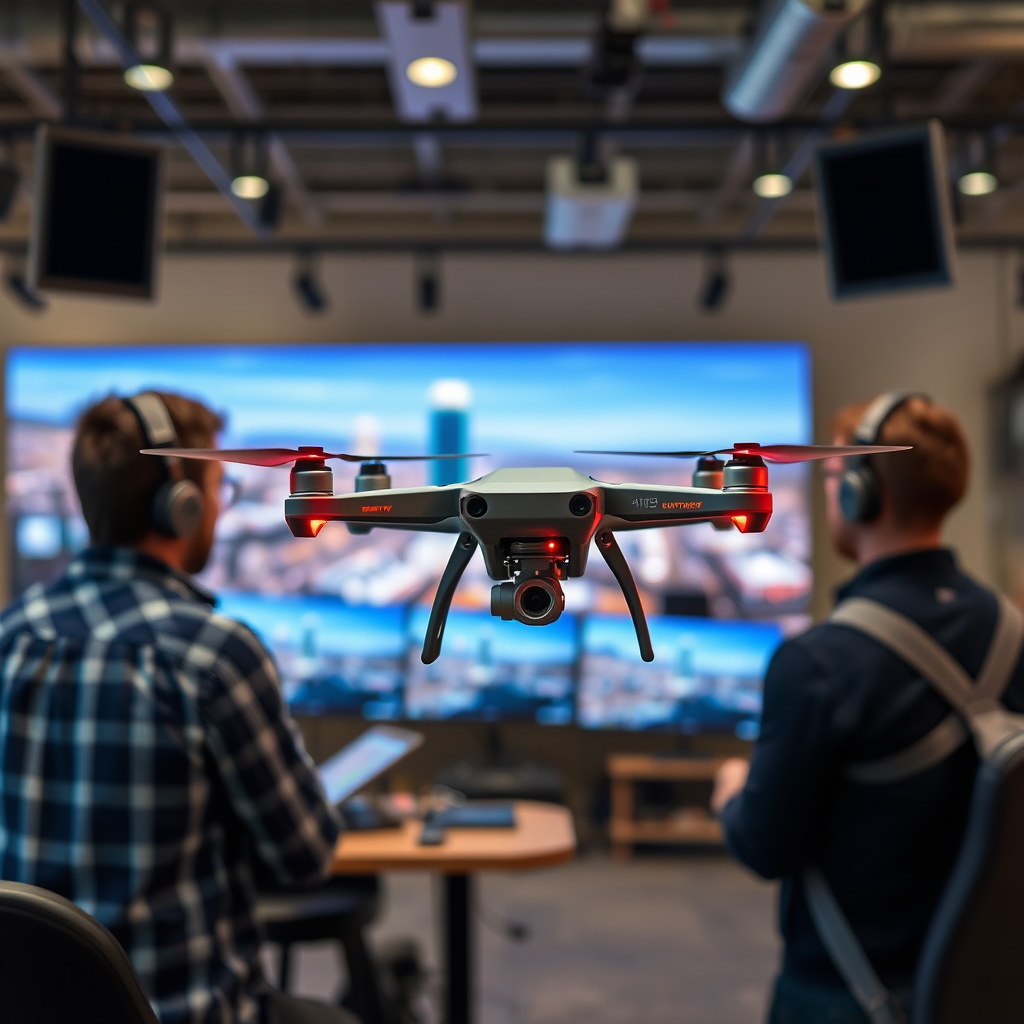
Over the last decade, drone technology has evolved at a breathtaking pace. Initially, drones were primarily used for recreational purposes or basic aerial photography. However, advancements in battery life, camera quality, and flight stability have turned them into essential tools for various industries, including broadcasting. High-definition cameras mounted on drones can capture breathtaking aerial views, while improvements in GPS and navigation systems have allowed for more precise control and the ability to fly autonomously.
Artificial intelligence plays a pivotal role in enhancing drone functionality and performance. With AI, drones can analyze their surroundings in real-time, identify obstacles, and make decisions on the fly. For example, AI algorithms enable drones to recognize specific events or subjects, allowing them to automatically focus on key moments during a live broadcast. This level of autonomy not only improves the quality of the footage captured but also allows operators to focus on other elements of the production, enhancing the overall broadcasting experience.
Enhancing Live Event Coverage
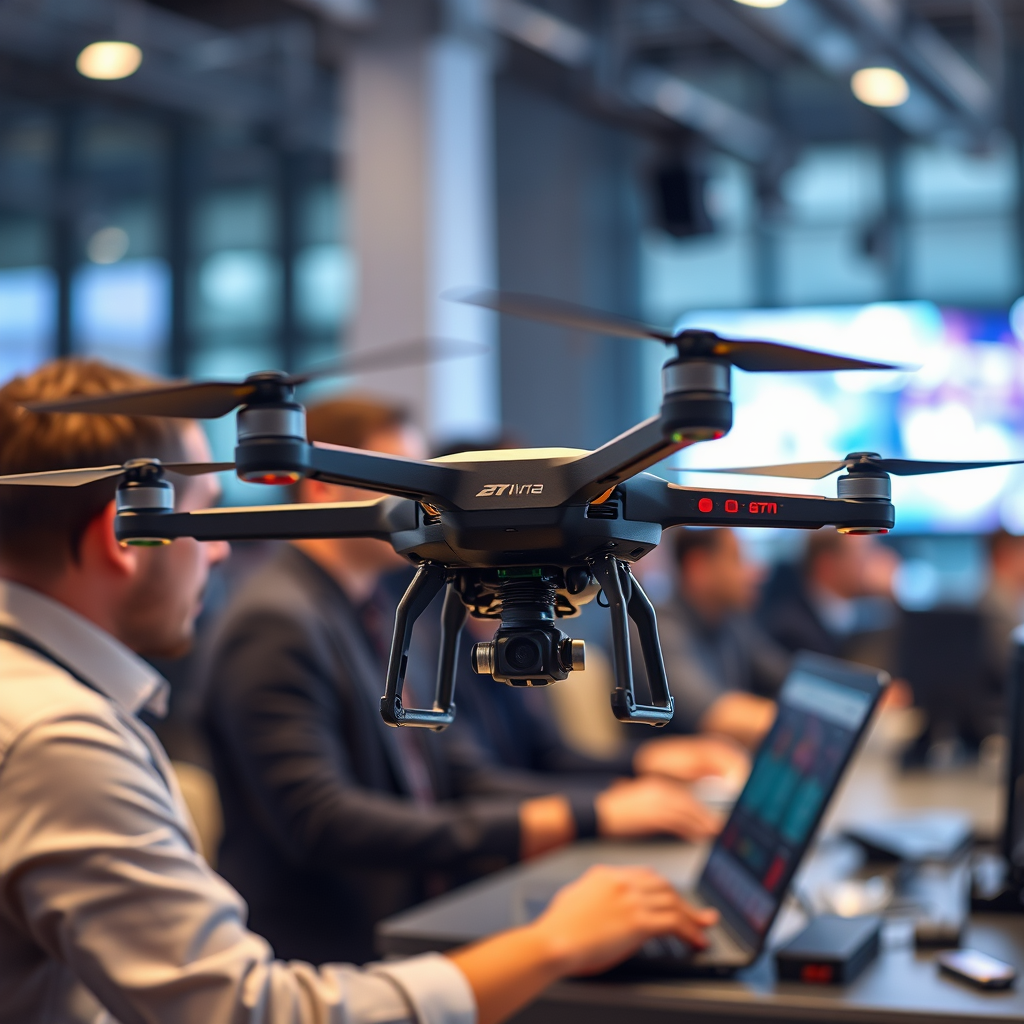
Drones equipped with AI technology offer unique aerial perspectives and angles that traditional cameras simply cannot achieve. Imagine a sporting event where a drone swoops down to capture the action from above, following the players as they move across the field or court. This capability provides viewers with a more dynamic and immersive experience, making them feel as though they are part of the event.
Moreover, real-time data integration can significantly enhance storytelling during broadcasts. For instance, drones can gather and relay information such as crowd size, energy levels, or even environmental conditions, which can be woven into the narrative of the event. Such insights not only enrich the viewing experience but also enable broadcasters to tailor their coverage to highlight the most engaging aspects of the event.
AI’s Role in Autonomous Operations
One of the most significant advantages of using AI in drone operations is the ability to operate without human intervention. AI algorithms can process vast amounts of data, allowing drones to make complex decisions that would typically require human oversight. This capability is particularly beneficial during live events, where timing is crucial, and the need for quick adjustments is paramount.
Machine learning, a subset of AI, further enhances adaptive filming techniques. Drones can learn from previous flights and broadcasts, improving their performance over time. For example, they can adapt their filming style based on the type of event or the preferences of the audience, ensuring that each broadcast is tailored to maximize viewer engagement. This adaptability is a game-changer in the world of live event broadcasting, where flexibility and responsiveness are key to success.
Safety and Regulatory Considerations
As the use of drones in live events becomes more prevalent, understanding current regulations governing their usage is essential. Regulations vary by country and region, but common requirements include obtaining permits, maintaining a safe distance from crowds, and adhering to no-fly zones. Broadcasters must stay informed about these regulations to ensure compliance and avoid potential legal issues.
Safety measures and technology are also critical in preventing accidents during broadcasts. Advanced obstacle detection systems, powered by AI, can help drones navigate around people and structures, significantly reducing the risk of collisions. Additionally, geo-fencing technology can be employed to keep drones within designated flight areas, further enhancing safety during live events.
Future Trends in Drone Broadcasting
Looking ahead, we can anticipate exciting trends in AI advancements that will further influence event coverage. One such prediction is the integration of drones with virtual reality (VR) technologies. This combination could allow viewers to experience events in a fully immersive environment, where they can choose their perspective and interact with the broadcast in real-time.
Moreover, as AI continues to evolve, we can expect drones to become even more intuitive, enabling them to predict viewer preferences and adjust their filming accordingly. This could lead to hyper-personalized broadcasts, where each viewer experiences the event in a way that resonates with them, creating a deeper connection with the content.
Case Studies of Successful Implementations
Several major events have successfully utilized AI-powered drones, showcasing their potential in live broadcasting. For example, during the 2022 Super Bowl, drones captured stunning aerial footage that enhanced the broadcast experience. Viewers were treated to unique angles and perspectives that traditional cameras could not provide, resulting in increased viewer engagement and excitement.
Another example is the use of drones during the 2023 Tokyo Olympics. Here, drones were employed to deliver real-time coverage of various events, from swimming to gymnastics. The feedback from viewers was overwhelmingly positive, with many praising the aerial shots that brought a new dimension to the viewing experience. These case studies illustrate the effectiveness of AI-powered drones in enhancing live event broadcasts and the potential for widespread adoption across various platforms.
Challenges and Limitations
Despite the numerous benefits, there are still challenges and limitations faced by operators in live settings. Technical challenges, such as maintaining stable connectivity and battery life during broadcasts, can create hurdles that need to be addressed. Additionally, the need for skilled operators who understand both drone technology and broadcasting techniques is essential to maximize the potential of these innovations.
Privacy concerns and public perception also play a significant role in the acceptance of drones in live events. Many individuals are wary of being filmed without their consent, which can lead to backlash against drone usage. Broadcasters must navigate these concerns carefully, ensuring that they respect privacy while still delivering engaging content.
The integration of AI-powered drones into live event broadcasting is set to redefine the industry, offering unprecedented opportunities for creativity, engagement, and safety. As technology continues to evolve, broadcasters must stay informed and adapt to leverage these innovations effectively. For those in the industry, embracing this change is not just an option but a necessity to remain competitive and relevant. The future of broadcasting is indeed bright with AI-powered drones leading the way, promising a new era of storytelling that captivates audiences worldwide.
Frequently Asked Questions
What are the benefits of using AI-powered drones for live event broadcasting?
AI-powered drones offer numerous benefits for live event broadcasting, including enhanced aerial coverage and real-time data analysis. They can autonomously follow subjects, provide dynamic camera angles, and ensure seamless transitions between shots. This not only elevates the production quality but also reduces the need for extensive human resources, making broadcasts more cost-effective and efficient.
How can AI drones improve audience engagement during live events?
AI drones can significantly enhance audience engagement by delivering unique and immersive perspectives that traditional cameras cannot provide. With features like facial recognition and audience tracking, drones can capture reactions in real time, allowing broadcasters to tailor content to viewer preferences. This interactivity fosters a deeper connection with audiences, keeping them captivated throughout the event.
Why is AI integration crucial for the future of drone technology in broadcasting?
AI integration is essential for the future of drone technology in broadcasting because it enhances the drones’ operational capabilities and intelligence. With AI, drones can analyze their surroundings, make real-time decisions, and adapt to changing environments, which is vital during dynamic live events. This level of sophistication ensures high-quality footage and improves safety by minimizing collision risks.
What are the best practices for deploying AI-powered drones in live event coverage?
The best practices for deploying AI-powered drones in live event coverage include thorough pre-event planning, ensuring compliance with local regulations, and conducting test flights. Additionally, integrating a robust communication system between ground crews and drones can help manage operations smoothly. Prioritizing battery management and having backup systems in place also contributes to a successful broadcast.
Which industries are most likely to benefit from AI-powered drones in live event broadcasting?
Several industries stand to benefit from AI-powered drones in live event broadcasting, including sports, entertainment, and corporate events. Sports organizations can use drones for live game coverage and analysis, while the entertainment industry can utilize them for concerts and festivals to deliver stunning visuals. Corporate events can leverage this technology for product launches and conferences, enhancing engagement and reach.
References
- Drone journalism
- https://www.bbc.com/news/technology-56958999
- https://www.sciencedirect.com/science/article/pii/S2352864821001262
- https://www.nytimes.com/2021/05/07/technology/drones-events-broadcasting.html
- https://www.wired.com/story/the-future-of-drone-journalism/
- https://www.nasa.gov/feature/nasa-s-drones-give-new-vision-to-wildfire-research
- https://www.researchgate.net/publication/327756321_The_role_of_drones_in_event_broadcasting
- https://www.techrepublic.com/article/how-drones-are-changing-the-future-of-event-broadcasting/
- https://www.itu.int/en/ITU-T/Workshops-and-Seminars/201801/Pages/default.aspx