
Installing a sound system in your camper or RV can greatly enhance your travel experience by providing the perfect soundtrack for your adventures. Whether you’re enjoying a serene sunset at a campsite or having a movie night inside your RV, a quality sound system allows you to immerse yourself in music, podcasts, and films. This guide will walk you through the essential steps and considerations for setting up a sound system tailored to your specific needs and setup.
Choosing the Right Sound System
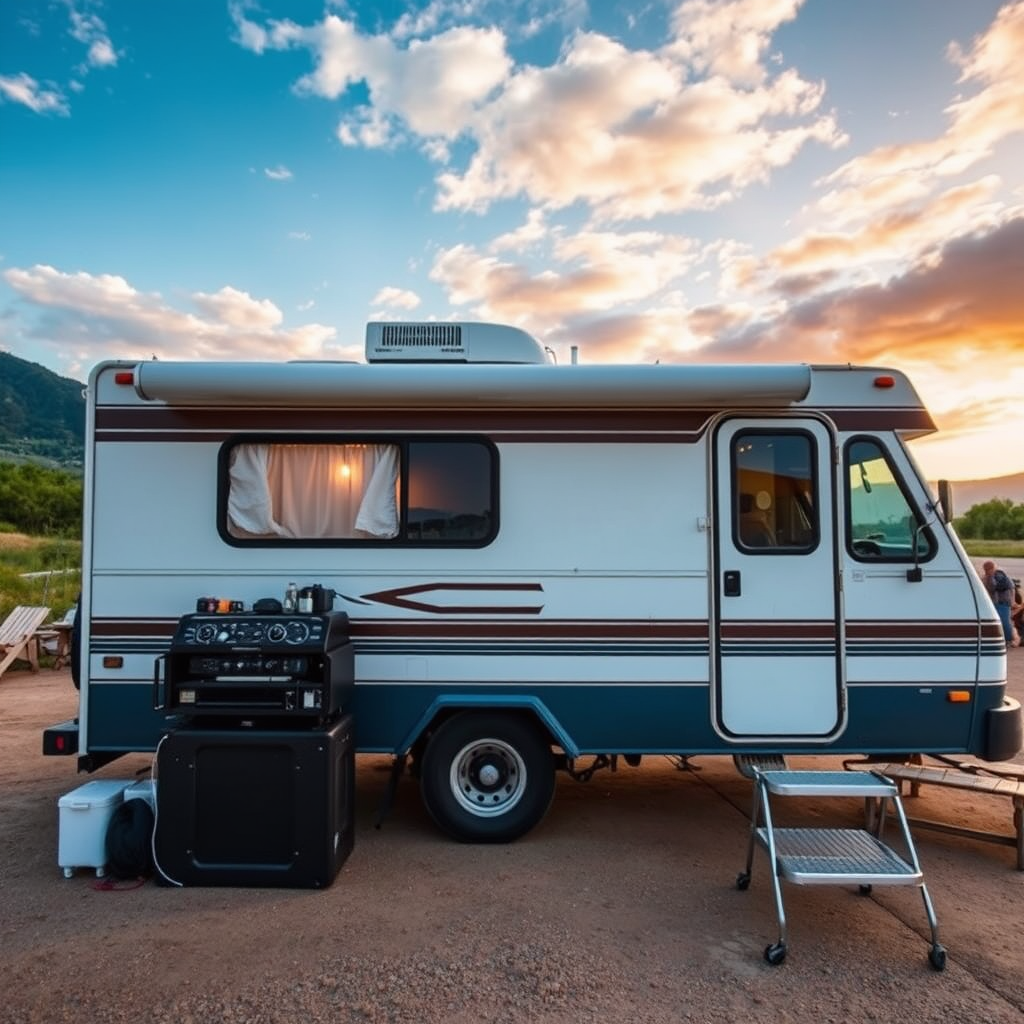
The first step in your sound system installation journey is selecting the right setup that aligns with your personal sound preferences and lifestyle. Start by assessing your sound preferences: Do you want a simple stereo system for casual listening, or are you leaning toward a more complex surround sound setup for a cinematic experience? If you frequently host friends and family, a surround sound system could elevate your gatherings.
Additionally, consider the power sources available in your RV or camper. Many sound systems are designed to run off a 12V battery, which is ideal for RVs. However, if you have a generator or a dedicated power supply, you might opt for a more powerful system that requires standard 120V electricity. Research systems that fit your power availability while also ensuring they meet your sound quality expectations.
Gathering Necessary Tools and Materials
Before diving into installation, it’s crucial to gather the necessary tools and materials to make the process smooth and efficient. Essential tools include a screwdriver (preferably both flat-head and Phillips), wire strippers for preparing your wiring, and electrical tape to secure connections. Having these tools at your fingertips will save you from running back and forth during the installation.
Next, you’ll need to purchase compatible components. This typically includes speakers, a receiver, and wiring. When selecting speakers, consider the size and layout of your camper or RV; smaller, compact speakers may suit limited spaces, while larger ones can provide a fuller sound. For the receiver, choose one that supports your preferred audio sources, such as Bluetooth, USB, or auxiliary inputs, allowing you to connect various devices effortlessly.
Preparing Your Camper or RV for Installation
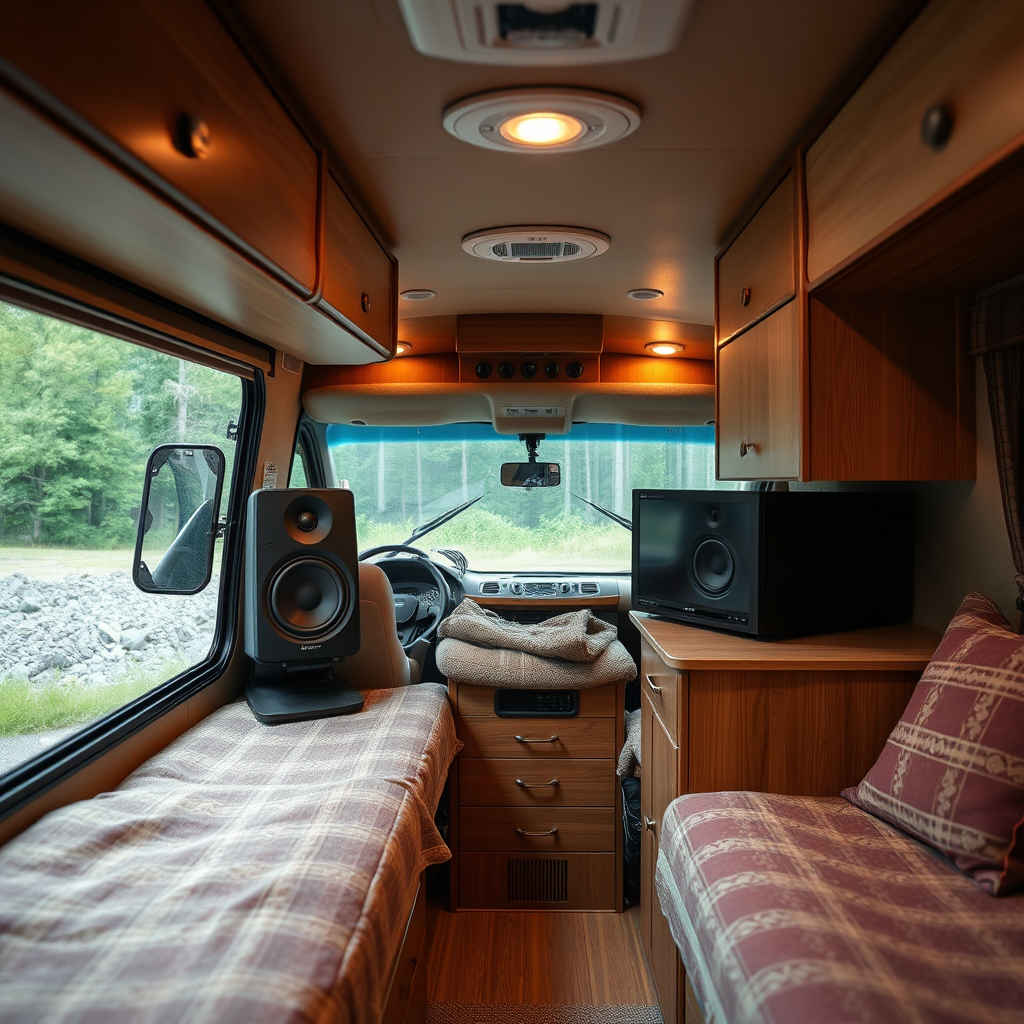
Preparation is key to a successful installation. Start by identifying the best locations for your speakers and receiver, which will help optimize sound distribution throughout your space. Common speaker placement includes mounting them on walls or cabinets, ensuring they are elevated and directed toward your seating area for an immersive experience.
It’s also beneficial to check for existing wiring. Many RVs come with pre-installed speaker wires, which can simplify your installation process. If you find these wires, make sure to test them for functionality. Using existing wiring can save you time and effort, making your setup even more efficient.
Installing the Speakers
With your location and wiring sorted, you can begin installing the speakers. Follow the manufacturer instructions carefully to ensure you mount the speakers securely. Most speakers will come with brackets or mounting hardware. Using a level to ensure they are evenly placed will enhance both aesthetics and sound quality.
During the wiring process, ensure that you connect the wires correctly. Pay close attention to the positive and negative terminals; connecting them incorrectly could damage your speakers or receiver. If you’re unsure, consult the user manuals or online resources for your specific equipment to ensure you’re making the right connections.
Setting Up the Receiver
Once your speakers are installed, it’s time to set up the receiver. Begin by connecting your audio sources. Most modern receivers offer multiple connection options, such as Bluetooth, USB drives, or auxiliary inputs. This versatility allows you to play music from your smartphone, tablet, or even a dedicated music player.
After everything is connected, it’s essential to test the setup. Play audio through the system to check sound quality and ensure everything is functioning as expected. Listen for any distortion or sound imbalances, which may require adjustments in settings or speaker placements.
Fine-Tuning Your Sound System
Fine-tuning your sound system is crucial for achieving the best audio experience. Most receivers come with built-in equalizers that allow you to adjust the bass, treble, and mid-range levels. Spend some time adjusting these settings to suit your preferences and the acoustics of your RV or camper.
Conduct sound tests using different audio sources—whether it’s music, podcasts, or movies—to find the best balance. You may find that certain genres sound better with specific settings, so don’t hesitate to make adjustments based on what you’re listening to. This will help you create an enjoyable atmosphere no matter the occasion.
Maintaining Your Sound System
To ensure longevity and optimal performance, regular maintenance of your sound system is essential. Periodically check all connections to ensure they remain secure, as vibrations from traveling can loosen wires over time. This simple check can save you from unexpected audio issues during your trips.
Additionally, keeping your components clean will help maintain sound quality. Dust can accumulate on speakers and receivers, affecting their performance. Using a soft cloth to wipe down these components every few months will keep your system in top shape, allowing you to enjoy clear, crisp audio whenever you’re on the road.
In summary, installing a sound system in your camper or RV involves careful planning, choosing the right components, and following best practices for installation and maintenance. By assessing your sound preferences, gathering the right tools, and taking the time to fine-tune your setup, you can transform your travel experience into a musical adventure. Start planning your sound system installation today, and get ready to enjoy the open road with your favorite tunes!
Frequently Asked Questions
What equipment do I need to install a sound system in my camper or RV?
To install a sound system in your camper or RV, you’ll need several key components: a high-quality head unit (stereo), speakers (both inside and outside for optimal sound distribution), an amplifier (to boost sound quality), and wiring kits for proper installation. Additionally, consider adding a subwoofer for enhanced bass response, and ensure you have all necessary tools, including a screwdriver, wire strippers, and connectors to facilitate a smooth installation process.
How do I choose the right speakers for my camper or RV sound system?
When choosing speakers for your camper or RV sound system, consider factors such as speaker size, type, and weather resistance. Opt for compact speakers that fit your space, and look for marine-grade speakers if you plan to use your system outdoors, as they are designed to withstand moisture and UV exposure. Additionally, check the sensitivity rating (higher is better for lower power systems) and power handling to ensure the speakers can perform well with your chosen head unit.
Why is it important to have an amplifier in my RV sound system?
An amplifier is crucial for enhancing the audio quality of your RV sound system by providing additional power to the speakers, which results in clearer sound at higher volumes. It allows you to enjoy your music without distortion, especially important in larger spaces like campers and RVs where sound can easily dissipate. Using an amplifier also helps to improve the overall listening experience, making it a valuable component for any serious audio setup.
What are the best practices for wiring a sound system in a camper or RV?
Best practices for wiring a sound system in a camper or RV include using high-quality, appropriate gauge wiring to prevent overheating and power loss, and ensuring all connections are secure and insulated to avoid shorts. Route wires neatly to avoid interference with moving parts or other electronics, and use zip ties or clips to keep everything organized. Additionally, follow the manufacturer’s instructions for both the head unit and speakers to ensure compatibility and optimal performance.
Which tools do I need for installing a sound system in my camper or RV?
To install a sound system in your camper or RV, you’ll need a few essential tools including a screwdriver set (both flathead and Phillips), wire strippers and crimpers, a drill with bits for mounting hardware, a multimeter for checking electrical connections, and possibly a soldering iron for permanent connections. Having these tools on hand will help ensure a smooth installation process, allowing you to set up your sound system efficiently and effectively.
References
- https://www.wikihow.com/Install-a-Sound-System-in-an-RV
- https://www.rvtravel.com/how-to-install-a-sound-system-in-your-rv/
- https://www.camping.org/installation-of-a-sound-system-in-your-rv/
- https://www.nps.gov/articles/rv-camping-and-sound-systems.htm
- https://www.hagerty.com/media/maintenance/installing-an-rv-sound-system/
