Building a budget Hi-Fi system from scratch is entirely possible and can be a highly rewarding experience. With a little research and understanding of your audio needs, you can curate an impressive audio setup that rivals high-end systems without draining your wallet. This guide will provide you with the essential steps to assemble your very own budget Hi-Fi system, ensuring you enjoy rich sound quality and an immersive listening experience.




Understanding Your Audio Needs
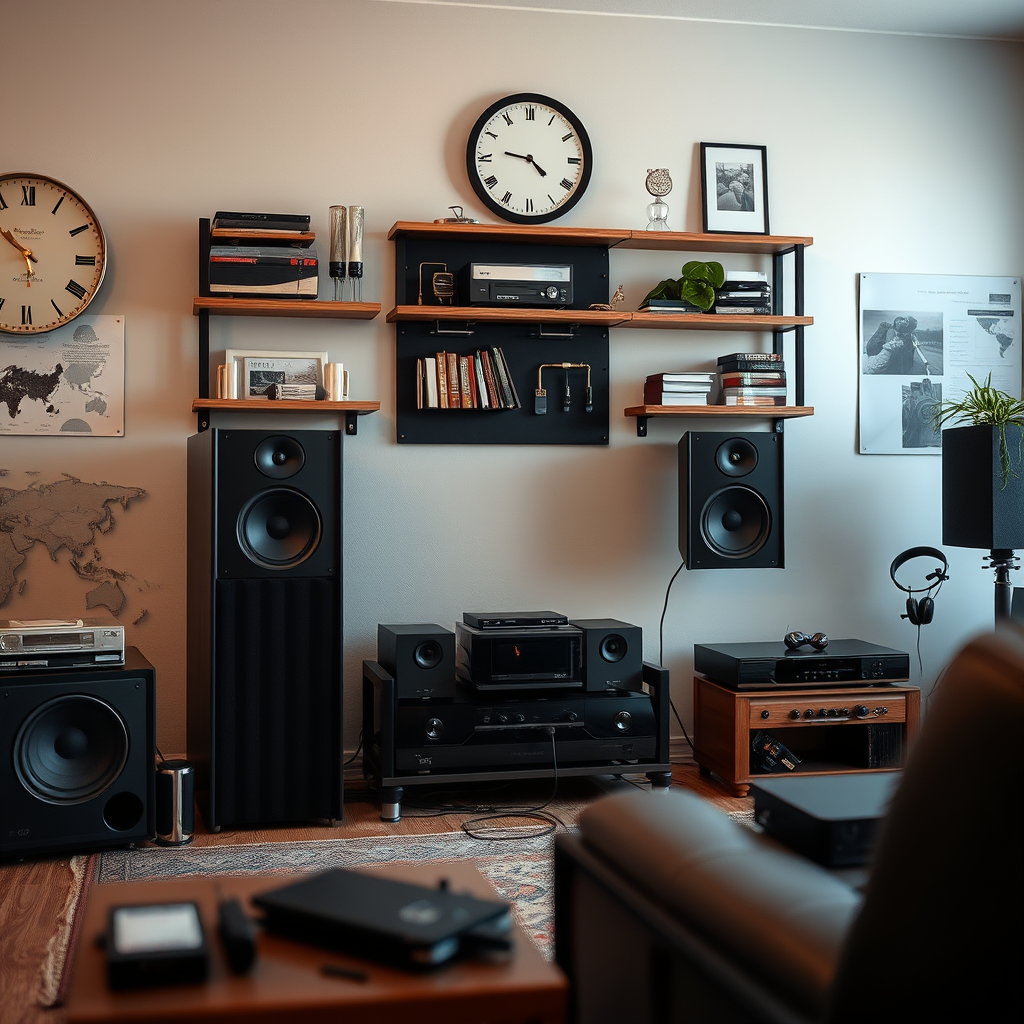
Before diving into the world of Hi-Fi systems, it’s important to clarify why you want one in the first place. Are you an avid music lover who wants to experience your favorite albums in a whole new way? Or perhaps you’re a movie buff looking to elevate your home theater experience? Identifying the primary purpose of your Hi-Fi system is crucial because it will dictate the type of components you need.
Next, consider the space where you’ll set up your system. Is it a cozy apartment with limited room for large speakers, or do you have a dedicated space where you can go all out? Understanding the acoustic properties of your room—like wall materials, furniture placement, and size—also plays a pivotal role in how your sound will be perceived. For example, hardwood floors may enhance sound quality compared to carpet, while heavy curtains can dampen sound reflections. Knowing these factors will help you make informed choices as you proceed.
Selecting Your Components
A Hi-Fi system typically comprises three core components: speakers, an amplifier, and a source device. First, let’s identify these essential parts. Speakers are responsible for producing sound, the amplifier boosts the audio signal, and the source device sends the audio to the amplifier.
When it comes to budget-friendly brands, look for options like Pioneer, Yamaha, or Onkyo for amplifiers and source devices, and consider brands like Klipsch or ELAC for speakers. Research customer reviews and expert opinions to find models that deliver good performance within your budget. Websites like CNET or What Hi-Fi often provide valuable insights into different models, making it easier for you to choose wisely.
Choosing the Right Speakers
Speakers come in various types, including bookshelf, floor-standing, and satellite speakers. The best choice largely depends on your space and personal listening preferences. For smaller rooms, bookshelf speakers might be ideal as they can deliver excellent sound without taking up too much space. On the other hand, if you have a larger area, you might want to explore floor-standing speakers for a fuller sound.
When selecting speakers, pay attention to specifications such as frequency range and sensitivity. A wider frequency range means your speakers can reproduce both low bass and high treble sounds, enhancing your listening experience. Sensitivity ratings indicate how efficiently speakers convert power into sound; higher sensitivity means you can achieve the same volume with less power, which is particularly useful if you’re using a budget amplifier.
Amplifier Selection
The amplifier is a crucial component that can significantly impact the overall sound quality of your Hi-Fi system. There are two main types of amplifiers: integrated and separate. Integrated amplifiers combine a preamplifier and power amplifier in one unit, making them a convenient choice for budget systems. In contrast, separate amplifiers offer more customization options but may stretch your budget.
When choosing an amplifier, it’s important to match its power output with your speakers’ requirements. For instance, if you have speakers rated for 50 watts, look for an amplifier that can deliver similar or slightly higher wattage. This ensures that you can drive the speakers effectively without distortion.
Source Devices and Connectivity
When it comes to source devices, the options are plentiful. You can choose from CD players, streaming devices, vinyl players, or even your computer or smartphone. If you’re a digital music enthusiast, consider investing in a good-quality streaming device that supports high-resolution audio formats. Brands like Google Chromecast Audio or Amazon Echo Studio can serve as excellent budget-friendly options.
Ensure that your chosen source device is compatible with your amplifier. If you opt for a vinyl player, for example, you may need a phono preamp if your amplifier doesn’t include one. Always check the connectivity options—such as RCA, optical, or Bluetooth—to ensure seamless integration into your setup.
Setting Up Your System
Once you have all your components, it’s time to set everything up. The positioning of your speakers is crucial for achieving the best soundstage and imaging. Ideally, you want to place your speakers at ear level when seated and form an equilateral triangle between your listening position and the speakers. Experiment with distances from walls to see how it affects sound quality; sometimes, slight adjustments can make a significant difference.
After positioning, connect all components securely using quality cables. Don’t skimp on cables, as they can impact sound quality. Once everything is hooked up, take the time to test your system. Play your favorite tracks and fine-tune settings on your amplifier or equalizer to enhance the listening experience.
Maintenance and Upgrades
To keep your Hi-Fi system performing at its best, regular maintenance is key. Dust and clean your components, and check connections periodically to ensure everything is secure. This simple practice can prolong the life of your system and keep it sounding great.
As your audio journey progresses, consider future upgrades. Whether it’s investing in better cables, adding a subwoofer for improved bass response, or upgrading to a higher-quality source device, incremental upgrades can elevate your system over time. Always keep an eye on new technologies and trends in the audio world to stay informed about options that could enhance your setup.
Crafting a budget Hi-Fi system from scratch is an achievable goal with the right approach and knowledge. By carefully selecting components that meet your needs and setting them up correctly, you can enjoy high-quality sound at a fraction of the cost. Start your journey today by researching the components mentioned and planning your build! With patience and a little creativity, you’ll soon be enjoying your favorite music and movies like never before.
Frequently Asked Questions
What essential components do I need to build a budget Hi-Fi system from scratch?
To build a budget Hi-Fi system, you will need several key components: a pair of quality speakers, an amplifier or receiver, a source device (such as a CD player, turntable, or streaming device), and speaker cables. Additionally, consider investing in a good pair of headphones for personal listening. Each component plays a crucial role in ensuring optimal sound quality while keeping costs manageable.
How can I choose the best speakers for my budget Hi-Fi system?
When selecting speakers for your budget Hi-Fi system, focus on the type of sound you prefer, the size of your room, and your budget constraints. Look for speakers with a good frequency response and sensitivity rating, and consider bookshelf or floor-standing models based on your space. Reading customer reviews and listening to speakers in-store can help you make an informed decision to ensure the best audio experience without overspending.
Why is an amplifier important in a Hi-Fi system, and how do I choose one on a budget?
An amplifier is essential in a Hi-Fi system as it boosts the audio signal from your source device to drive the speakers, ensuring clear and powerful sound. To choose an amplifier on a budget, consider models that offer sufficient wattage for your speakers, include built-in features like Bluetooth for streaming, and check for reviews regarding sound quality. Brands like Yamaha and Onkyo often provide reliable options without breaking the bank.
Which budget-friendly streaming device is best for a Hi-Fi system?
For a budget-friendly streaming device, consider options like the Amazon Echo Dot or Google Chromecast Audio, both of which allow for high-quality audio streaming without a hefty price tag. These devices support various streaming services and can connect easily to your amplifier or receiver. Make sure to check compatibility with your other devices to ensure seamless integration into your Hi-Fi system.
How can I optimize my budget Hi-Fi system for the best sound quality?
To optimize your budget Hi-Fi system for the best sound quality, ensure that all components are properly connected and configured. Place your speakers at ear level and at an appropriate distance from walls to minimize sound distortion, and consider using high-quality cables to reduce interference. Additionally, experimenting with speaker placement and utilizing acoustic treatments in your listening space can greatly enhance your audio experience without needing to upgrade your equipment.
References
- High fidelity
- www.tonmeister.ca | home
- https://www.hifiengine.com/manuals/
- SOS Past Articles now online (back to January 1994)
- https://www.audiophilereview.com/
- https://www.ihifi.com/
- Home Theater Reviews, HDTV, HDMI Receivers
- Audio – CNET
- https://www.nerdwallet.com/article/finance/how-to-build-a-budget
- https://www.hifinews.com/