AI-powered lip syncing is set to revolutionize multi-language dubbing by creating seamless and natural dialogues that match the original performances. This innovative technology enhances viewer experience and streamlines the localization process, making it significantly more efficient. As globalization continues to expand content consumption across various languages, the demand for high-quality dubbing has never been greater. In this article, we’ll explore the advancements, applications, and implications of AI in lip syncing, providing insights into how it can transform the media landscape.
The Evolution of Lip Syncing Technology
The journey of lip syncing technology has evolved dramatically over the years. Historically, dubbing involved tedious manual processes where voice actors would record their lines in a studio, often struggling to match the original performance’s timing and emotion. This method often led to mismatched dialogues or lips that seemed to move independently from the dubbed voices. The challenges were not only technical but also artistic, as the goal was to maintain the integrity of the original performance while adapting it for different cultures.
As technology progressed, the introduction of digital editing tools paved the way for more refined dubbing techniques. The shift from traditional to digital methods allowed for better synchronization and visual manipulation, but it still required extensive human intervention. Now, with the advent of AI-driven solutions, the landscape of lip syncing is changing once again. AI can analyze and replicate the subtle movements of actors’ lips, creating a more authentic viewing experience that resonates with international audiences.
How AI Transforms Lip Syncing
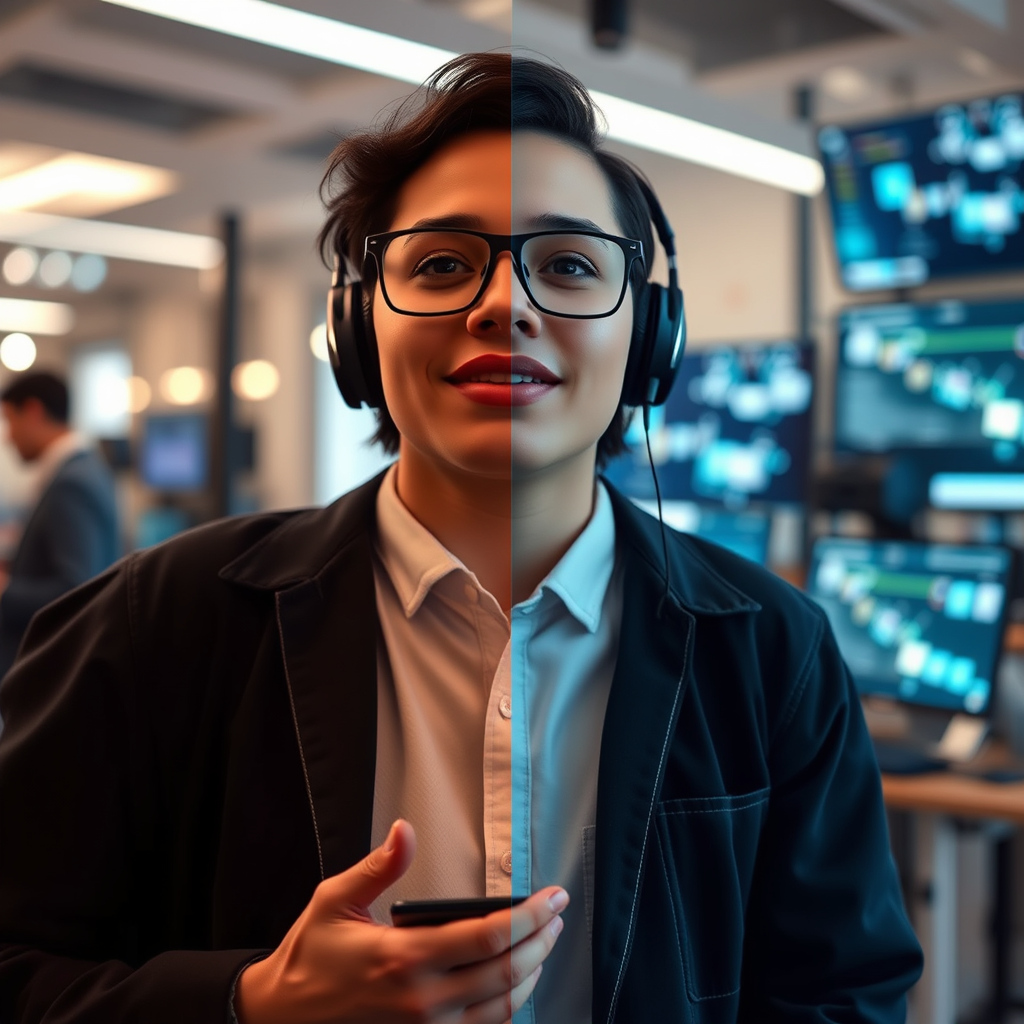
At the heart of AI-powered lip syncing are advanced machine learning algorithms. These algorithms are trained on vast datasets of video and audio, allowing them to learn how different sounds correspond with specific lip movements. By analyzing thousands of hours of footage, AI models can generate incredibly accurate predictions of how an actor’s lips should move when speaking in another language.
Deepfake technology plays a crucial role in this transformation as well. Originally developed for creating realistic facial swaps, deepfake algorithms can now be adapted for lip syncing. By manipulating facial features and movements, these technologies can create a video where an actor appears to speak fluently in a different language, all while maintaining the emotional nuances of their original performance. This not only enhances the viewer’s experience but also allows for a more immersive storytelling approach.
Benefits of AI-Powered Lip Syncing
One of the most significant advantages of AI-powered lip syncing is improved accuracy. By matching actors’ lip movements with different languages, AI technology eliminates the awkwardness often associated with traditional dubbing methods. For instance, a Japanese anime dubbed into English can now sound and look more natural, making it easier for audiences to connect with the characters.
In addition to enhancing accuracy, AI lip syncing offers substantial cost and time savings for production companies. The traditional dubbing process can take weeks or even months to complete, involving multiple rounds of recording and editing. AI technology reduces this time dramatically, enabling studios to release localized content more quickly without compromising quality. This efficiency can be a game-changer in a fast-paced industry where timely content delivery is critical.
Challenges and Limitations
Despite the promising advancements, AI-powered lip syncing is not without its challenges. Ethical concerns surrounding AI-generated content are at the forefront of discussions in the media industry. Questions about authenticity arise: if an actor’s likeness is used without their consent, what are the implications? Furthermore, there is the potential for misuse, where AI technology could be used to create misleading or harmful content.
Additionally, technical limitations exist, particularly in certain languages or dialects. While AI excels with major languages like English, Spanish, or Mandarin, it may struggle with less common languages or regional dialects where data is limited. This can lead to inaccuracies that detract from the viewing experience. As such, ongoing research and development are necessary to ensure that AI lip syncing can cater to a diverse range of languages and cultural nuances.
Real-World Applications in Media
Several case studies highlight the successful application of AI lip syncing in films and series. For instance, the animated series “The Dragon Prince” utilized AI technology to deliver dialogue in multiple languages while preserving the original actors’ performances. By employing AI-powered tools, the creators were able to ensure that the lip movements matched the localized scripts seamlessly.
In the realm of video games, AI lip syncing is becoming increasingly prevalent. Games like “The Last of Us Part II” have utilized advanced lip syncing technology to create immersive character interactions that feel more realistic. As players engage with characters who appear to speak their language fluently, it enhances the overall gaming experience.
Animation studios are also embracing this technology. By using AI, they can produce multilingual versions of animated films without the need for extensive re-recording sessions, allowing them to reach broader audiences with minimal additional cost and effort.
Future Trends in AI Lip Syncing
Looking ahead, the future of AI lip syncing is filled with exciting possibilities. Predictions suggest that advancements in AI technology will continue to improve the realism and accuracy of dubbing. Imagine a streaming service where viewers can choose their preferred language, and the AI dynamically adapts both the audio and visual elements in real-time.
Another potential trend is the personalization of dubbing experiences. With AI, content creators could tailor dialogues based on viewer preferences, allowing for interactive experiences where audiences can influence character dialogue. This level of engagement could redefine how we consume media, making it more immersive and enjoyable.
The Role of Content Creators and Stakeholders
As the media landscape evolves with AI lip syncing, it’s crucial for filmmakers and content creators to embrace these innovations. By integrating AI technology into the production process, they can enhance the quality of their work while reaching a wider audience. Collaborating with technology developers can lead to groundbreaking advancements that benefit both creators and consumers alike.
Stakeholders must recognize the importance of adapting to these changes. By investing in AI-driven solutions, media professionals can stay ahead of the curve and ensure their content resonates globally. Engaging with these advancements will not only improve production efficiency but also enhance the overall viewer experience, fostering a deeper connection with audiences around the world.
The advancements in AI-powered lip syncing promise to enhance the experience of multi-language dubbing significantly. As the technology continues to evolve, stakeholders in the media industry should actively engage with these innovations to stay ahead of the curve. Embrace these changes to improve your productions and connect with a global audience more effectively. By doing so, you’ll not only enrich your content but also contribute to a more inclusive and accessible entertainment landscape.
Frequently Asked Questions
What is AI-powered lip syncing and how does it work for multi-language dubbing?
AI-powered lip syncing refers to the use of artificial intelligence technologies to synchronize the mouth movements of characters in videos with translated audio in different languages. It analyzes the original speech patterns and visual cues, allowing for realistic lip movements that match the dubbed dialogue. This technology enhances viewer immersion and can significantly reduce the time and cost involved in producing multilingual content.
How does AI technology improve the quality of multi-language dubbing compared to traditional methods?
AI technology improves multi-language dubbing by providing more accurate lip synchronization and voice modulation that closely mimics the original performance. Traditional dubbing often relies on manual adjustments and may result in mismatched lip movements, whereas AI algorithms can analyze and adapt to the nuances of speech, offering a more natural and engaging viewing experience. This advancement not only enhances quality but also streamlines the dubbing process.
Why is AI-powered lip syncing important for global content distribution?
AI-powered lip syncing is crucial for global content distribution as it allows creators to efficiently localize their content for diverse audiences without sacrificing quality. As companies expand internationally, the demand for relatable and culturally relevant media increases. By leveraging AI technology, businesses can produce dubbed versions that resonate better with local viewers, ultimately boosting audience engagement and increasing market reach.
What are the best practices for using AI-powered lip syncing in video production?
The best practices for using AI-powered lip syncing in video production include selecting high-quality source audio, training the AI model with diverse speech datasets, and incorporating cultural context into translations. Additionally, continuous testing and feedback integration are essential for refining the output. By following these practices, creators can enhance the effectiveness of AI technology in delivering seamless multi-language dubbing.
Which industries can benefit the most from AI-powered lip syncing for multi-language dubbing?
Industries such as film and television, gaming, e-learning, and marketing can greatly benefit from AI-powered lip syncing for multi-language dubbing. In film and TV, it helps reach wider audiences by making content accessible in various languages. In gaming and e-learning, it enhances user experience by providing localized content that feels authentic. Marketing campaigns also gain traction by delivering messages that resonate culturally with different demographics, ultimately driving engagement and sales.
References
- https://en.wikipedia.org/wiki/Lip_sync
- https://www.technologyreview.com/2022/04/08/1069984/ai-dubbing-lip-syncing-movie-translation/
- https://www.sciencedirect.com/science/article/pii/S1877050921003453
- https://www.theguardian.com/technology/2021/oct/11/ai-voice-actors-dubbing-movies
- https://www.bbc.com/news/technology-57641044
- Neural networks mapped in both sexes of the worm
- https://www.forbes.com/sites/bernardmarr/2021/04/05/the-future-of-ai-in-the-movie-industry/?sh=6e0c4d4f5b69
- https://www.researchgate.net/publication/342475964_Towards_Automatic_Audio_Visual_Synchronization_for_Lip_Syncing_with_A_Deep_Learning_Approach