Rollable display phones are on the verge of hitting the market, offering a groundbreaking approach to mobile technology that combines flexibility with portability. This innovative design allows users to enjoy a larger screen for their content when needed, yet keep it compact and easy to carry when not in use. As these devices prepare for their commercial debut, let’s delve into what features they offer, the key players in the market, and what this all means for the future of smartphones.

- Official Google TV Entertainment Hub: Experience the ultimate smart TV convenience with the licensed Google TV platform. Seamlessly aggregate over 700,000+ movies, TV episodes, and top streaming apps like Netflix, YouTube, and Prime Video in one intuitive screen. No more glitchy tablet systems—just pure, tailored entertainment for the whole family.
- Rollable Universal Wheel Base & Premium Design: Say goodbye to fixed wall mounts. Equipped with a heavy-duty universal wheel base, this mobile TV glides effortlessly from your living room to the kitchen, bedroom, or home office. Wrapped in a modern, minimalistic "Cool White" PC+ABS casing, it doubles as an elegant piece of home decor that blends seamlessly with any interior.
- Vibrant Picture with Ultra-High 5000:1 Contrast: Designed with an ELED backlight system, a crisp 1366x768 resolution, and an impressive 360cd/m² brightness, Horion delivers crystal-clear visuals. Featuring an industry-leading 5000:1 high contrast ratio and 16.7 million colors, it provides deep blacks, bright whites, and breathtaking depth for an immersive cinematic viewing experience.

Features of Rollable Display Phones
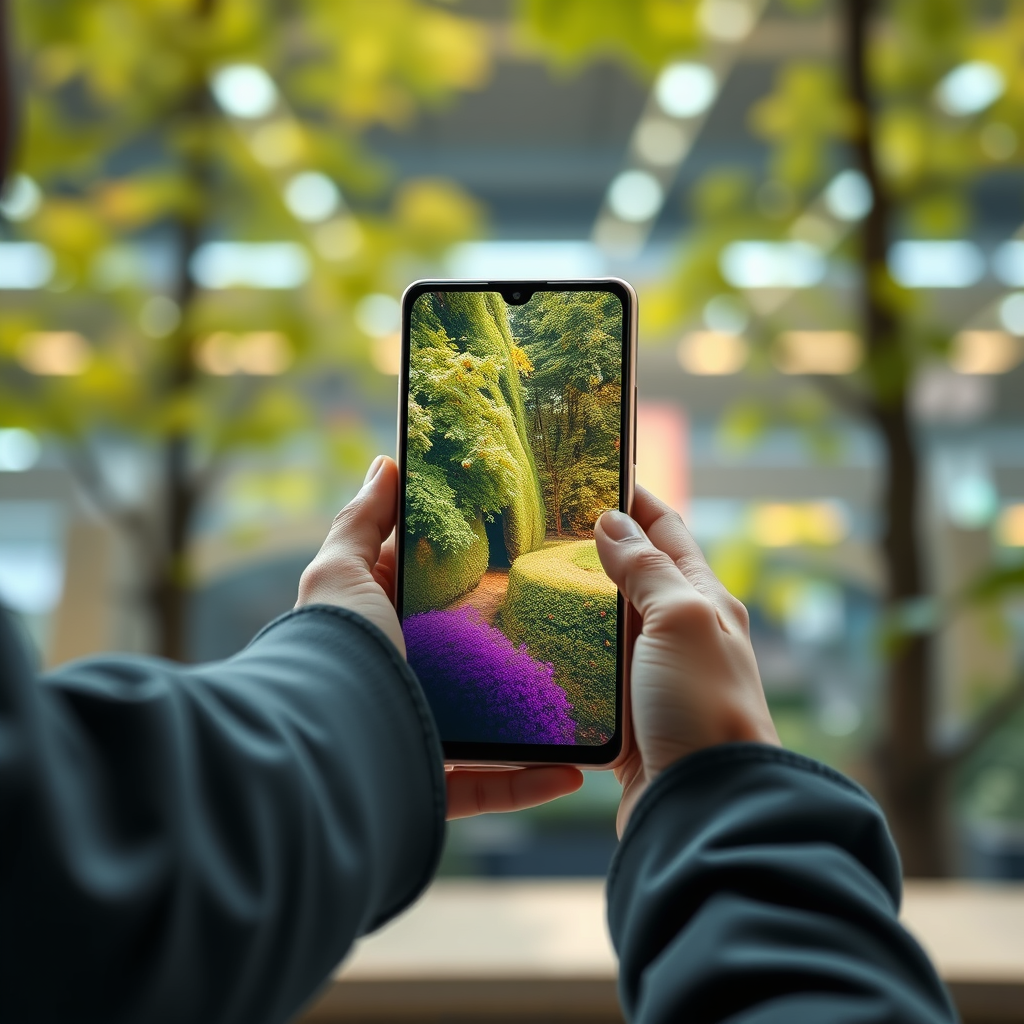
At the heart of rollable display phones is their expandable screen technology. This advancement allows the display to stretch or retract, adapting seamlessly to the user’s needs. Imagine watching a video on a full-sized screen and, with a simple swipe, returning to a compact phone size when you’re ready to tuck it away. This adaptability not only enhances the viewing experience but also offers a unique solution for those who crave a larger display without the bulk of a traditional tablet.
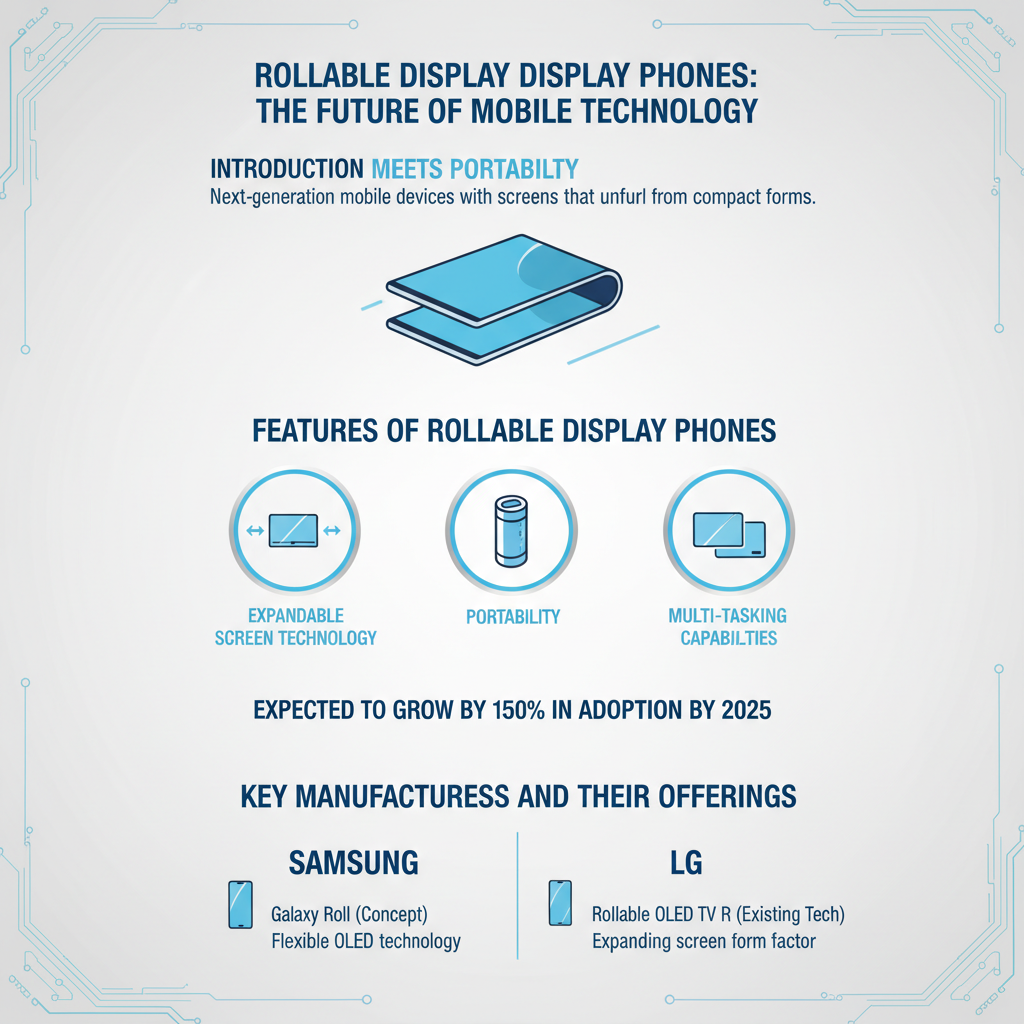
The design of rollable phones is equally impressive, often featuring minimal bezels and lightweight materials that give them a sleek, modern appearance. Manufacturers are focusing on crafting devices that are not only functional but also visually appealing, ensuring that these phones stand out in a crowded market. With brands striving for aesthetics and practicality, rollable phones are poised to be a game-changer in how we use our mobile devices.
Key Manufacturers and Their Offerings

Several major brands are gearing up to release rollable display devices, each bringing their unique flair to the table. Notable contenders include LG, which has been at the forefront of display innovation, and Oppo, known for its dynamic smartphone designs. For instance, LG’s Rollable Phone showcases a screen that rolls out from the body, providing an immersive experience for users. On the other hand, Oppo is expected to unveil a rollable device that features an innovative mechanism allowing for smooth transitions between sizes.
When comparing specifications, consumers can expect variations in screen size, resolution, and processing power. LG’s device might boast a 6.8-inch display that expands to 7.4 inches, while Oppo could introduce a slightly smaller option with a focus on enhanced camera capabilities. These differences will cater to diverse user preferences, whether it’s for gaming, photography, or general multitasking.
User Experience and Interface
The rollable display fundamentally alters user interaction with mobile devices. Early adopters have reported that the ability to expand the screen for multitasking—like watching videos while sending messages—has revolutionized their mobile experience. The interface is designed to adapt accordingly, with apps arranging themselves dynamically based on the available screen real estate.
Moreover, the tactile experience of using a rollable phone brings a new level of engagement. Users can swipe to elongate the screen and pinch to retract, creating a fluid interaction that feels futuristic. This adaptability could lead to more efficient workflows, allowing users to juggle tasks more seamlessly than ever before.
Market Impact and Trends
As rollable phones prepare to enter the market, predictions suggest they could significantly influence smartphone sales. The introduction of flexible display technology appeals to tech enthusiasts and everyday users alike, who seek versatility and innovation in their devices. Industry analysts speculate that the novelty of rollable phones could tap into a growing consumer desire for unique technological experiences, potentially boosting sales for manufacturers who adopt this technology early on.
Consumer demand for flexible display technology is on the rise, driven by an increasing appreciation for gadgets that cater to a busy lifestyle. The excitement surrounding rollable phones could pave the way for more brands to explore similar innovations, leading to a diverse array of devices that cater to varying tastes and needs.
Challenges and Limitations
Despite the excitement, rollable display phones are not without their challenges. One major concern is the durability of the screens. The mechanics involved in rolling and unrolling the display may lead to wear and tear over time, raising questions about the long-term viability of such devices. Manufacturers will need to invest in robust materials and design solutions to ensure these phones withstand daily use.
Additionally, software compatibility is paramount. As rollable displays are a relatively new technology, there is a risk that not all apps will be optimized for the varying screen sizes. Developers will need to adapt their applications to take full advantage of the unique interface, which could take time and effort. Ensuring a seamless user experience will be critical for the success of rollable phones in a competitive market.
Future of Rollable Technology
Looking ahead, the future of rollable technology appears bright and full of potential. Beyond smartphones, we can anticipate advancements in other areas, such as tablets, laptops, and even wearables. Imagine a tablet that can roll up for easy transport or a smartwatch with a display that expands for better visibility. The potential applications are vast and could redefine how we interact with our devices.
Moreover, as technology matures, we may witness improvements in battery life, display resolution, and processing power in rollable devices. Manufacturers are likely to continue pushing the envelope, leading to more sophisticated and versatile gadgets that elevate our everyday experiences.
The launch of rollable display phones marks an exciting new chapter in mobile technology, offering unmatched versatility and innovation. As these devices become commercially available, users can look forward to a unique experience that blends functionality with futuristic design. With various manufacturers entering the fray and the potential for groundbreaking advancements, it’s an exhilarating time to be a tech enthusiast. Stay informed and consider exploring the options as they hit the market!
Frequently Asked Questions
What are rollable display phones and how do they work?
Rollable display phones are innovative mobile devices that feature screens which can extend and retract, allowing for a more compact form factor when not in use and a larger display for viewing content when needed. These phones utilize advanced flexible OLED technology, enabling the screen to be rolled into a cylindrical shape, reducing the device’s size while maintaining functionality. This design not only enhances portability but also offers users the versatility of a tablet-sized display in a smartphone.
When are rollable display phones expected to launch commercially?
As of October 2023, several manufacturers have announced plans to launch rollable display phones commercially within the next year. Companies like LG and Oppo have showcased prototype devices, with anticipated release dates in late 2024. However, the exact launch timeline can vary based on production capabilities, market readiness, and consumer interest, so it’s advisable to stay updated with the latest announcements from these companies.
Why should I consider buying a rollable display phone?
Rollable display phones offer unique advantages, including a larger screen size without compromising portability, making them ideal for multitasking, media consumption, and gaming. Additionally, their innovative design allows for a seamless transition between a compact phone and an expansive display, enhancing user experience. For tech enthusiasts and early adopters, owning a rollable display phone represents having cutting-edge technology and being at the forefront of mobile innovation.
Which brands are leading in the rollable display phone market?
Currently, brands like LG, Oppo, and Xiaomi are leading the charge in the rollable display phone market. LG has made significant headway with its rollable technology showcased at various tech expos, while Oppo’s Rollable Phone has gained attention for its unique design and functionality. These companies are focused on refining their technology, ensuring durability and user satisfaction, which is crucial for the commercial success of rollable devices.
How do rollable display phones compare to foldable smartphones?
Rollable display phones and foldable smartphones both aim to provide larger displays in compact forms, but they achieve this through different mechanisms. Foldable devices feature hinges that allow the screen to bend, while rollable phones employ a mechanism to extend and retract the display smoothly. Rollable displays can offer a more continuous screen experience without creases, but they are still in the early stages of commercial development compared to the more established foldable phone market. Ultimately, the choice will depend on personal preference and intended usage.
References
- Foldable phone
- https://www.bbc.com/news/technology-54720711
- https://www.theguardian.com/technology/2022/jan/03/rollable-phone-technology-innovation
- https://www.reuters.com/technology/samsung-launches-first-rollable-smartphone-2022-01-04/
- https://www.cnet.com/tech/mobile/what-is-a-rollable-phone/
- https://www.wired.com/story/rollable-display-phones/
- https://www.techcrunch.com/2021/12/31/what-to-expect-in-2022-rollable-phones/