

As of 2026, space tourism is set to take off like never before, with both new and established companies eager to launch the next generation of travelers into the cosmos. This unprecedented growth is fueled by technological advancements, increased public interest, and evolving regulations that make space travel more accessible than ever. In this article, we’ll delve into the driving forces behind this expansion, highlight the key players in the industry, and outline what future space tourists can expect on their galactic journeys.
Current Landscape of Space Tourism
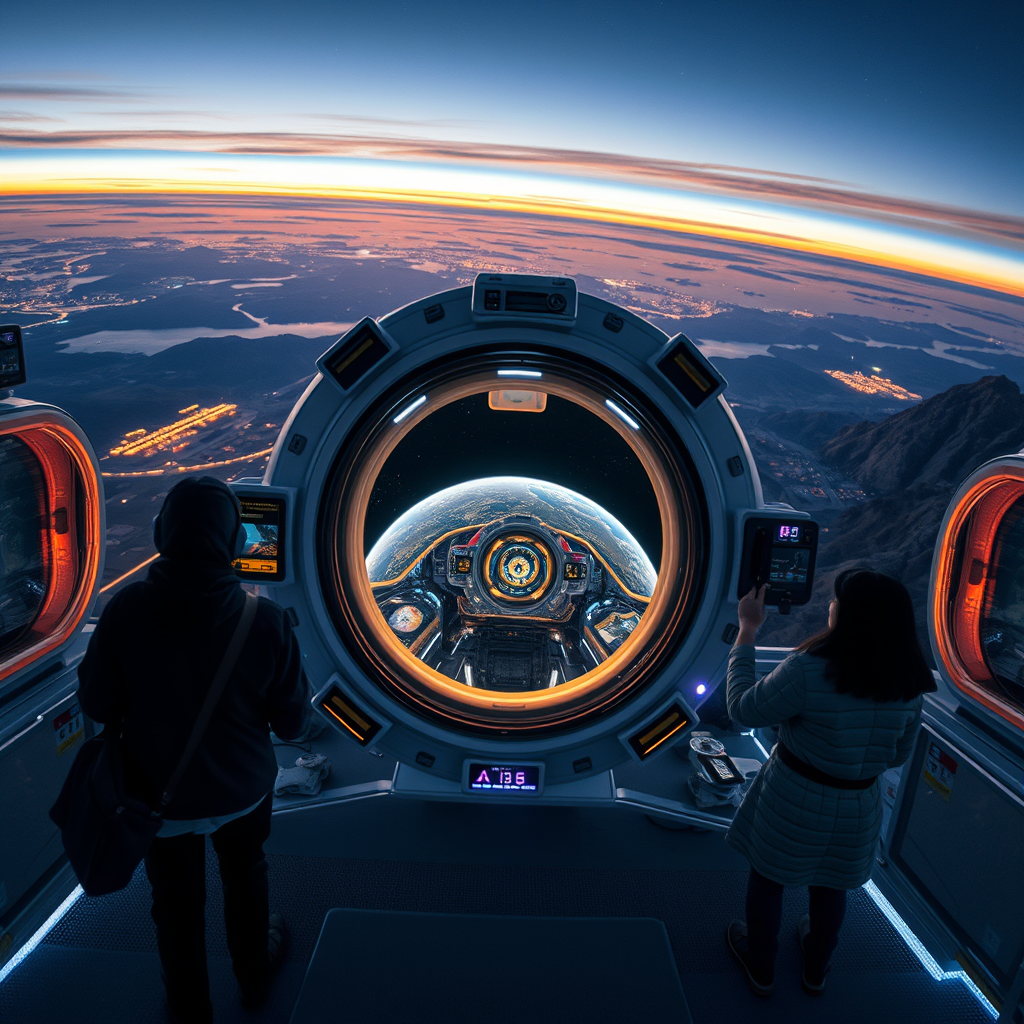
The current landscape of space tourism is a blend of pioneering ventures and ambitious projects. Companies like Virgin Galactic and Blue Origin have already made significant strides, offering suborbital flights that allow passengers to experience a few minutes of weightlessness and stunning views of Earth. Virgin Galactic’s SpaceShipTwo has successfully completed crewed test flights, while Blue Origin’s New Shepard has taken several tourists to the edge of space, providing a taste of what it’s like to float above our planet.
Recent milestones, such as SpaceX’s Crew Dragon missions transporting astronauts to the International Space Station (ISS), have also laid the groundwork for commercial space travel. The successful launch of SpaceX’s Inspiration4, which sent an all-civilian crew on a multi-day orbital mission, showcased the potential for extended space tourism experiences. These developments signal a promising future where more people can participate in cosmic adventures, paving the way for an industry that’s rapidly maturing.
Major Players in the Space Tourism Industry
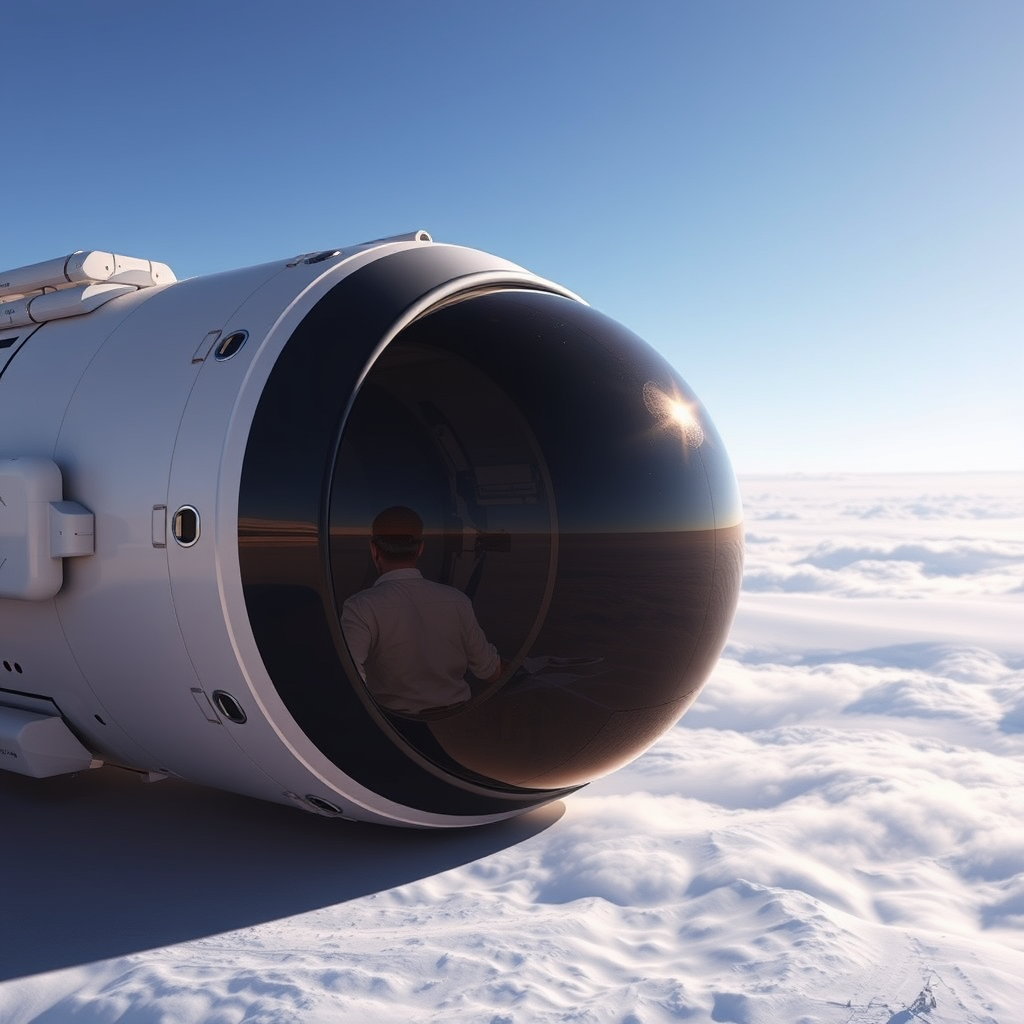
Among the front-runners in the space tourism sector, SpaceX, Blue Origin, and Virgin Galactic are leading the charge. SpaceX, founded by Elon Musk, is not just focused on transporting astronauts but also aims to facilitate trips to Mars and beyond. Their Crew Dragon spacecraft has proven its reliability, and upcoming missions in 2026 are expected to include private trips around the Moon, aptly named the “dear moon” project, where artists will join the journey to inspire creativity based on their experiences.
Blue Origin, founded by Jeff Bezos, has been making headlines with its reusable New Shepard rocket, which has completed multiple successful flights. By 2026, Blue Origin plans to expand its offerings with more frequent flights and a new orbital-class rocket called New Glenn, which could lead to longer-duration space experiences.
Virgin Galactic, led by Sir Richard Branson, has focused on suborbital flights, allowing passengers to enjoy a brief experience of zero gravity. As they ramp up operations, they aim to increase the frequency of launches and enhance the overall experience, including potential hotel stays in space.
Regulatory Changes Impacting Space Travel
As the space tourism industry expands, government regulations are evolving to create a safer and more structured environment for commercial space travel. The Federal Aviation Administration (FAA) in the United States has been working diligently to establish guidelines that ensure passenger safety while still encouraging innovation in the sector. These regulations help set standards for launch and re-entry procedures, ensuring that companies adhere to safety protocols.
Internationally, organizations like the United Nations Office for Outer Space Affairs (UNOOSA) are also getting involved, pushing for collaborative frameworks that govern space exploration and tourism. This includes discussions around liability, environmental protection, and the sustainable use of space resources, which are critical as commercial space travel becomes more widespread.
Technological Innovations Enhancing Space Tourism
Technological advancements are at the heart of the burgeoning space tourism industry. Innovations in spacecraft design, materials, and propulsion systems are making space travel safer and more comfortable for tourists. For instance, advances in reusable rocket technology significantly reduce costs and environmental impact, allowing companies to offer more competitive pricing.
Moreover, in-flight experience technologies are being developed to enhance comfort during journeys. Improved life support systems, spacious cabin designs, and virtual reality experiences are being integrated into spacecraft to provide passengers with an unforgettable adventure. Companies are also investing in simulation technology to prepare travelers for the unique challenges of space, ensuring they are well-informed and equipped for their journey.
The Financial Aspect of Space Tourism
The financial landscape of space tourism is rapidly evolving, with costs associated with space travel expected to decrease as technology advances and competition increases. Currently, a ticket to space can range from $200,000 to several million dollars, depending on the experience—suborbital flights being the more affordable option, and orbital trips commanding a premium.
As more companies enter the market, we can anticipate a gradual reduction in prices, making space tourism accessible to a broader audience. The potential economic impacts are significant, not only for the companies involved but also for related sectors such as hospitality, transportation, and technology. The growth of this industry could lead to the creation of thousands of jobs, from engineers and technicians to tour guides and hospitality staff, further boosting local economies.
Traveler Experience: What to Expect
For those considering embarking on a space journey, the experience is sure to be transformative. Space tourism currently offers a range of options, from suborbital flights that provide a few minutes of weightlessness to multi-day orbital stays aboard the ISS. Passengers can expect breathtaking views of Earth, the chance to float in zero gravity, and the exhilaration of launch and re-entry.
Preparation for space travel involves rigorous training, including safety briefings, physical fitness assessments, and familiarization with the spacecraft. Companies often provide comprehensive tutorials to ensure travelers are well-prepared and comfortable during their flights. This training is designed to help passengers acclimate to the unique environment of space while maximizing the enjoyment of their experience.
Future Trends and Predictions
Looking beyond 2026, the future of space tourism is brimming with possibilities. New destinations, such as lunar hotels and space stations, are on the horizon, potentially allowing travelers to experience extended stays in low Earth orbit or even venture to the Moon. Companies are already exploring concepts for space hotels that could allow tourists to enjoy a luxurious stay while gazing at the stars.
Environmental considerations are also becoming increasingly important in the industry. As space tourism grows, companies are being urged to adopt sustainable practices, such as developing eco-friendly fuels and minimizing space debris. The importance of balancing exploration with environmental stewardship will shape the industry’s future, ensuring that space remains a viable destination for generations to come.
The expansion of space tourism in 2026 represents an exciting frontier for adventure seekers and the travel industry as a whole. With advancements in technology, regulatory support, and increasing accessibility, the dream of space travel is becoming a reality for many. If you’re considering embarking on this extraordinary journey, stay informed about the developments in this fascinating sector and begin planning your own space adventure!
Frequently Asked Questions
What is space tourism and how is it expected to expand in 2026?
Space tourism refers to commercial activities that allow private individuals to travel to space for leisure, adventure, or recreational purposes. In 2026, the industry is anticipated to expand significantly due to advances in technology, increased investment from private companies like SpaceX and Blue Origin, and a growing public interest in experiencing space travel. This expansion will likely lead to more accessible flights, a rise in orbital and suborbital trips, and potentially the establishment of space hotels.
How much does it cost to travel to space in 2026?
As of 2026, the cost of space tourism can vary widely depending on the type of experience and the company offering the service. Prices are expected to range from $200,000 for suborbital flights to several million dollars for longer orbital trips. However, as competition increases and technology becomes more efficient, these costs may gradually decrease, making space travel more accessible to a larger audience.
Why is space tourism gaining popularity in recent years?
Space tourism is gaining popularity due to a combination of factors, including advancements in rocket technology, a growing fascination with space exploration, and the emergence of high-profile entrepreneurs who promote the idea of commercial space travel. Additionally, media coverage and successful missions have piqued public interest, leading to increased consumer demand for unique travel experiences that include zero-gravity flights and stunning views of Earth from space.
Which companies are leading the space tourism industry in 2026?
In 2026, several key players are leading the space tourism industry, including SpaceX, Blue Origin, and Virgin Galactic. SpaceX is known for its ambitious plans to offer orbital flights and missions to the International Space Station, while Blue Origin focuses on suborbital tourism experiences. Virgin Galactic is also making strides with its spaceplane technology, aiming to provide commercial space flights to a wider audience. Each company presents different offerings and experiences, appealing to various segments of the market.
What safety measures are in place for space tourists in 2026?
Safety is a paramount concern for space tourism companies, and by 2026, rigorous measures will be in place to ensure the well-being of passengers. These measures include extensive pre-flight training, health screenings, and the use of tested and certified spacecraft designed to withstand the rigors of space travel. Additionally, companies will adhere to strict regulatory standards set by government agencies, such as the Federal Aviation Administration (FAA), to minimize risks and provide a secure travel experience for tourists venturing into space.
References
- Space tourism
- https://www.nasa.gov/feature/nasa-announces-space-tourism-initiatives
- https://www.bbc.com/news/science-environment-58619425
- https://www.reuters.com/business/aerospace-defense/space-tourism-2026-2023-06-14/
- https://www.theguardian.com/science/2023/jul/10/space-tourism-2026-plans-expanding
- https://www.sciencedirect.com/science/article/pii/S0094576521000719
- https://www.forbes.com/sites/bernardmarr/2023/08/15/the-future-of-space-tourism-2026-and-beyond/
- https://www.space.com/space-tourism-2026-expansion-plans
- https://www.nsf.gov/news/special_reports/space_tourism/
- https://www.faa.gov/newsroom/space-tourism-regulations-updates