

Cloud gaming has officially surpassed console sales, marking a significant shift in how players access and experience video games. This transformation is driven by the increasing popularity of cloud services, allowing gamers to enjoy high-quality gaming experiences without the need for expensive hardware. As technology and consumer preferences evolve, cloud gaming is becoming the go-to choice for many. In this article, we’ll explore the factors contributing to this trend and what it means for the future of gaming.
The Rise of Cloud Gaming
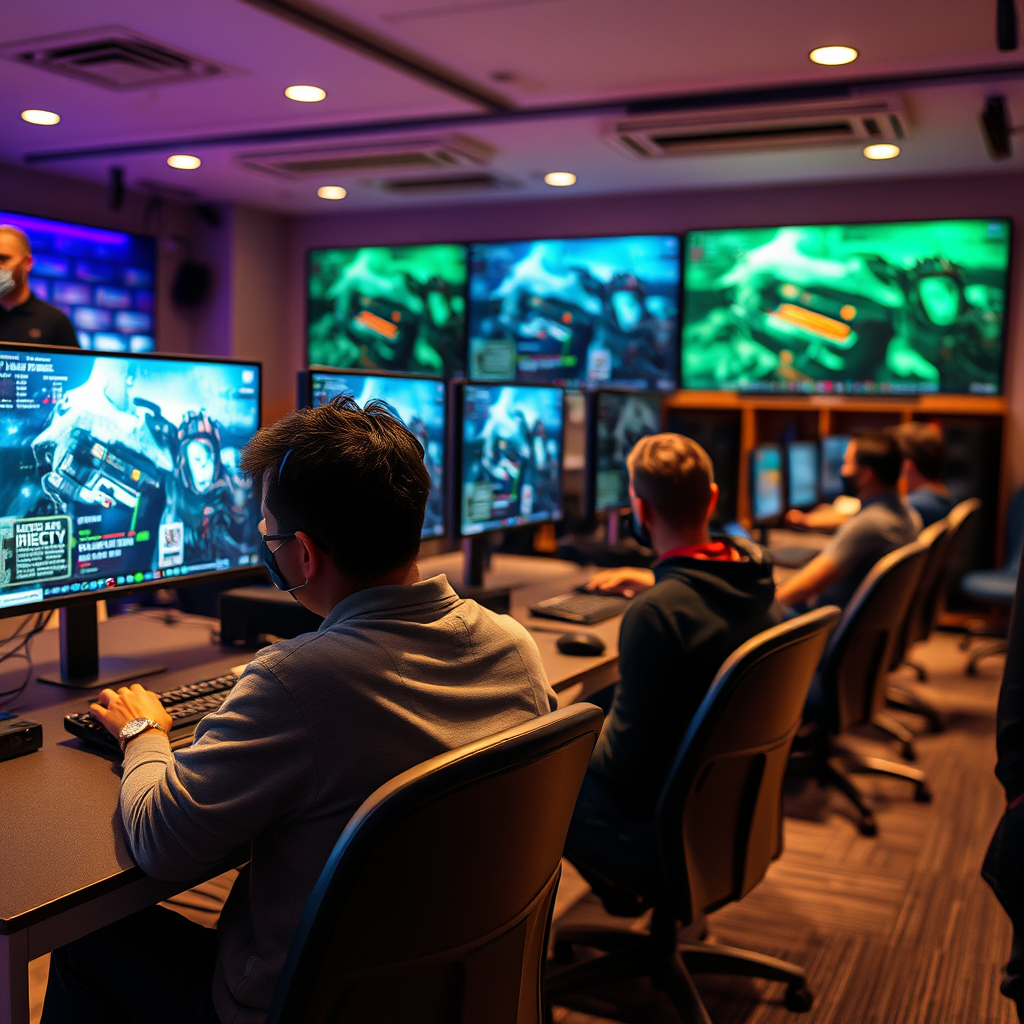
The ascent of cloud gaming has been nothing short of meteoric, fueled by the rapid growth of subscription services like Xbox Game Pass and PlayStation Now. These platforms offer gamers an extensive library of titles for a monthly fee, making gaming more accessible than ever before. In addition, the proliferation of high-speed internet connections globally has played a crucial role in this growth. As average internet speeds increase—now reaching gigabit levels in many urban areas—gamers can enjoy smoother gameplay with minimal lag. This combination of affordable access and high-quality service has led to an explosive rise in cloud gaming, attracting both casual and hardcore gamers alike.
Moreover, the pandemic accelerated this shift as more people sought entertainment from home. The unexpected lockdowns made cloud gaming an appealing option for social interaction, allowing friends to connect and play together, even when physically apart. This cultural shift highlights the adaptability of gamers and their willingness to embrace new technologies.
Cost-Effectiveness for Gamers

One of the standout advantages of cloud gaming is its cost-effectiveness. The entry barriers are significantly lower compared to the hefty price tag of gaming consoles or high-spec PCs. Instead of investing hundreds of dollars upfront, gamers can subscribe to cloud gaming services for a fraction of the cost. This model democratizes gaming, allowing more people to dive into the world of video games without breaking the bank.
For example, Xbox Game Pass offers a vast collection of games that can be played for a monthly fee, and often includes new releases on the same day they hit the market. Similarly, services like NVIDIA GeForce NOW allow users to stream games they already own on platforms like Steam or Epic Games Store without needing a powerful gaming rig. This flexibility and affordability mean that more individuals can enjoy gaming as a hobby, leading to a burgeoning community.
Technological Advancements Driving Change
The technological advancements in cloud gaming are staggering and are crucial for its success. Improvements in cloud infrastructure have dramatically reduced latency, which has historically been a significant barrier for cloud gaming. Companies are now implementing cutting-edge technologies to ensure that games can be streamed with minimal delay, allowing for a more immersive experience that rivals traditional consoles.
Moreover, advancements in graphics processing have led to enhanced visual quality in cloud games. Technologies such as real-time ray tracing and 4K streaming are now becoming commonplace, providing a visually stunning experience that was once reserved for high-end gaming setups. This means that gamers can enjoy breathtaking graphics without the need for expensive hardware, leveling the playing field.
Changing Consumer Preferences
As we delve into the demographics of gamers, it’s clear that younger generations are gravitating towards digital solutions over physical media. The appeal of instant gratification, where players can access thousands of titles at their fingertips, is a game-changer. Unlike previous generations, who often cherished physical game collections, today’s gamers prefer the convenience and portability of cloud-based gaming.
Additionally, the ability to play across multiple devices, including smartphones and tablets, is a significant draw. Whether commuting on a train or relaxing at home, gamers can pick up where they left off on any device. This flexibility caters to a lifestyle where gaming is seamlessly integrated into everyday life, making it more appealing than traditional console gaming, which often requires a dedicated space and setup.
Major Players in the Cloud Gaming Market
The cloud gaming landscape is rich with competition, featuring several major players that are reshaping how we think about gaming. Google Stadia, although it faced some challenges, introduced the concept of instant play, where gamers can jump into a game without the need for downloads. NVIDIA GeForce NOW focuses on allowing gamers to stream titles they already own, which has garnered a dedicated following. Meanwhile, Amazon Luna is carving out its niche with unique subscription offerings and a focus on integration with other Amazon services.
These companies employ various competitive strategies to attract gamers. For instance, Google has partnered with numerous game developers to ensure a steady stream of exclusive titles, while NVIDIA has been aggressive in marketing its superior graphics capabilities. As competition heats up, consumers can expect even more innovative features and better pricing options, benefiting the gaming community as a whole.
Challenges Facing Cloud Gaming
Despite its rapid growth and advantages, cloud gaming is not without its challenges. Internet connectivity remains a significant hurdle; many gamers still face slow speeds or data caps that hinder their ability to fully enjoy cloud gaming services. High latency and connection drops can ruin the gaming experience, leading to frustration among players. Ensuring stable, high-speed internet access will be crucial for cloud gaming’s continued success.
Additionally, concerns over game ownership and digital rights management are becoming more pronounced. Players often worry about losing access to games if a service shuts down or if they decide to cancel their subscription. The concept of owning a physical copy of a game, which can be played at any time, is something that many gamers still value. Addressing these concerns transparently will be essential for the long-term viability of cloud gaming.
The Future of Gaming: What to Expect
Looking ahead, the future of gaming appears bright as cloud gaming continues to evolve. Experts predict that advancements in artificial intelligence and machine learning will further enhance gameplay experiences, making games smarter and more interactive. We may also see more cross-platform play becoming standard, allowing friends on different devices to game together seamlessly.
Furthermore, as 5G technology rolls out globally, the potential for cloud gaming will expand exponentially. With higher speeds and lower latency, the possibility of playing graphically intensive games on mobile devices will become a reality. Innovations in VR and AR may also find their way into cloud gaming, creating immersive experiences that redefine how we interact with games.
As the industry adapts to these changes, we can expect new business models to emerge, providing gamers with even more choices. Whether it’s through robust subscription models, ad-supported gaming, or pay-per-play systems, the cloud gaming landscape will continue to diversify.
The landscape of gaming is rapidly evolving, with cloud gaming now taking the lead over traditional console sales. As technology progresses and consumer preferences shift, it’s crucial for gamers and industry stakeholders alike to stay informed about these changes. For those looking to adapt to this new era, exploring cloud gaming options could be the next step in enhancing your gaming experience. Embrace the cloud, and get ready for a thrilling gaming journey ahead!
Frequently Asked Questions
What are the main reasons cloud gaming has surpassed console sales?
Cloud gaming has surpassed console sales primarily due to its accessibility, convenience, and lower cost of entry. With cloud gaming platforms, players can access a vast library of games without needing expensive hardware, as games are streamed directly from the cloud. Additionally, the ability to play on multiple devices, including smartphones, tablets, and PCs, enhances the appeal, allowing gamers to enjoy their favorite titles anytime, anywhere.
How does cloud gaming work compared to traditional console gaming?
Cloud gaming operates by streaming gameplay over the internet, where the game runs on powerful remote servers rather than on the user’s local console. This means that the heavy lifting is done in the cloud, allowing players to enjoy high-quality graphics and performance without needing a high-end gaming console. In contrast, traditional console gaming relies on the hardware’s capabilities, which can limit performance and game access based on the console’s specifications.
Why are gamers shifting from consoles to cloud gaming services?
Gamers are shifting from consoles to cloud gaming services due to several factors, including the flexibility of not being tied to a specific device, ease of access to a wide range of games, and the elimination of the need for physical media. Additionally, cloud gaming services often provide subscription models that can be more cost-effective than purchasing individual games or consoles, making it an attractive option for many gamers looking to save money while still enjoying diverse gaming experiences.
Which cloud gaming services are the best for casual and hardcore gamers?
For casual gamers, services like NVIDIA GeForce NOW and Xbox Cloud Gaming (formerly xCloud) are excellent choices due to their user-friendly interfaces and extensive game libraries. Hardcore gamers might prefer PlayStation Now or Google Stadia for their superior game selection and features, such as 4K resolution and lower latency options. Each platform offers unique benefits, so the best service ultimately depends on individual gaming preferences and requirements.
What challenges does cloud gaming face compared to traditional gaming?
Despite its rapid growth, cloud gaming faces several challenges, including reliance on high-speed internet connections and potential latency issues that can affect gameplay. Additionally, not all games are optimized for cloud streaming, which can limit the overall gaming experience. Furthermore, concerns about data privacy and subscription costs can deter some gamers from fully embracing cloud gaming, as they weigh the benefits against these potential drawbacks.
References
- https://www.bbc.com/news/technology-55941735
- https://www.theguardian.com/games/2021/aug/30/cloud-gaming-console-sales-2021
- https://www.reuters.com/technology/cloud-gaming-expected-surpass-console-sales-2021-08-30/
- https://www.wired.com/story/cloud-gaming-2021/
- https://www.techcrunch.com/2021/08/30/cloud-gaming-consoles/
- Cloud gaming
- https://www.gamesindustry.biz/articles/2021-08-30-cloud-gaming-expected-to-surpass-console-sales
- Video game industry – Statistics & Facts | Statista