

Robotic rehabilitation systems significantly improve recovery for patients with mobility impairments by providing targeted assistance and personalized therapy. These advanced technologies facilitate rehabilitation in ways that traditional methods cannot, enabling faster and more effective recovery processes. In this article, we’ll explore how robotic systems are transforming rehabilitation and the benefits they offer.
Overview of Robotic Rehabilitation Systems
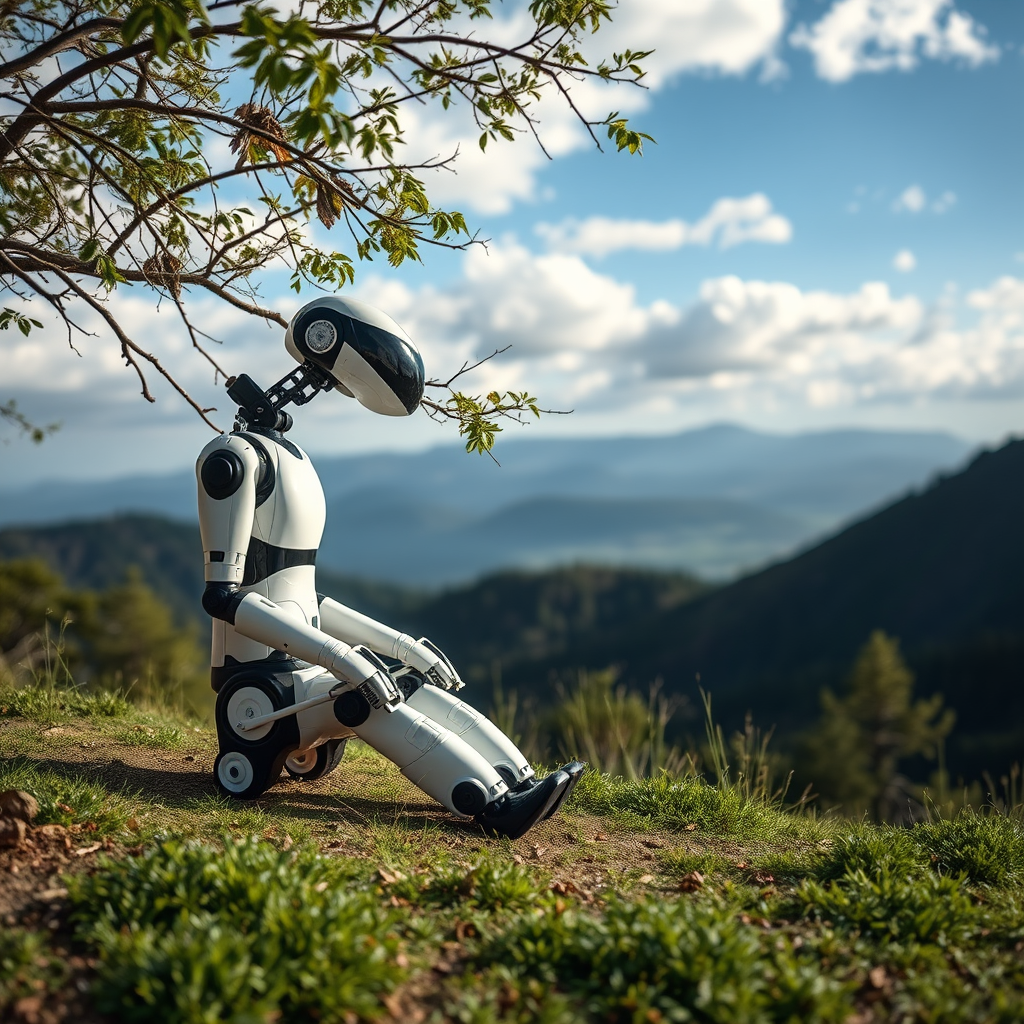
Robotic rehabilitation systems encompass a variety of devices designed to assist patients in regaining mobility and strength. They range from exoskeletons that support body movement to robotic arms that help with upper limb rehabilitation. The core technology behind these systems integrates sophisticated sensors, artificial intelligence (AI), and machine learning algorithms. Sensors collect real-time data about the patient’s movements and progress, allowing the system to adjust the level of assistance based on individual needs.
For instance, robotic devices like the Lokomat and Armeo offer tailored assistance during gait and arm training, respectively. These devices can analyze a patient’s performance, providing feedback that is crucial for effective rehabilitation. By harnessing AI, robotic systems can learn from each session, optimizing therapy protocols to maximize recovery outcomes.
Benefits of Robotic Systems in Rehabilitation

One of the foremost advantages of robotic rehabilitation systems is their enhanced precision in therapy and exercises. Traditional rehabilitation can often be inconsistent due to human error or varying therapist capabilities. Robotic systems, on the other hand, maintain a consistent level of support and can adjust dynamically to ensure patients perform exercises correctly. This precision helps in reducing the risk of injury and improving overall effectiveness.
Moreover, robotic systems often incorporate interactive interfaces that significantly boost patient motivation and engagement. Many devices feature gamified elements, turning therapy into a more enjoyable experience. For example, patients can play games while undergoing therapy, which not only keeps their spirits up but also encourages them to push their limits. This kind of interaction has shown to increase adherence to rehabilitation programs, leading to better recovery rates.
Applications in Various Medical Conditions
Robotic rehabilitation systems find applications across a wide array of medical conditions. One of the most prominent is stroke recovery, where patients often face severe mobility impairments. Systems like the Gait Trainer and the ReWalk exoskeleton have been pivotal in helping stroke patients regain their ability to walk. These devices provide support and simulate natural walking patterns, which are essential for relearning movement.
In addition to neurological rehabilitation, robotic systems are making waves in orthopedic recovery and post-surgical rehabilitation. After surgeries such as knee or hip replacements, patients can benefit from robotic-assisted therapy to regain strength and mobility. Devices like the KUKA robotic arm can assist in performing rehabilitative exercises with precision, ensuring that patients are following their prescribed post-operative protocols effectively. This form of rehabilitation helps accelerate recovery and reduces the likelihood of complications.
Patient Experience and Outcomes
The impact of robotic rehabilitation systems on patient experiences can be profound. Numerous case studies highlight successful recovery stories that demonstrate the effectiveness of these technologies. For instance, a patient recovering from a stroke shared that using a robotic exoskeleton allowed them to walk again after years of limited mobility. The combination of structured guidance and real-time feedback provided by the robot gave them the confidence to push themselves further than they thought possible.
Patient feedback on robotic rehabilitation sessions is largely positive. Many users appreciate the personalized approach these systems offer, as they can adapt to individual progress and capabilities. Additionally, the interactive nature of the therapy sessions makes patients feel more involved in their recovery process. This sense of ownership can be a powerful motivator, leading to improved outcomes and a more positive attitude toward rehabilitation.
Future Trends in Robotic Rehabilitation
As technology continues to advance, we can expect exciting innovations on the horizon for robotic rehabilitation. One notable trend is the integration of AI and adaptive learning into rehabilitation protocols. Future robotic systems are likely to become even smarter, learning from a patient’s movements over time to adjust therapy in real-time, fostering a more personalized rehabilitation experience.
Additionally, the future landscape of rehabilitation therapies may include increased collaboration between healthcare providers and tech developers. This partnership could lead to more accessible and user-friendly systems, ensuring that a broader range of patients can benefit from these advancements. As robotics and AI evolve, we may see the emergence of hybrid solutions that combine physical therapy with virtual reality, offering immersive recovery experiences that engage patients on multiple sensory levels.
Challenges and Considerations
While robotic rehabilitation systems hold immense promise, there are challenges and considerations that need addressing. One limitation is the high cost associated with these technologies, which can make them inaccessible to many patients and healthcare facilities. Ensuring that these systems are affordable and widely available will be crucial for their successful integration into standard rehabilitation practices.
Ethical considerations also play a role in the deployment of robotic rehabilitation systems. Questions about data privacy, patient consent, and the potential for over-reliance on technology must be carefully navigated. Furthermore, ensuring that all patients, regardless of socioeconomic status, have access to these innovative therapies is essential for equitable healthcare.The advent of robotic rehabilitation systems has revolutionized the recovery process for many patients, leading to improved outcomes and a more engaging rehabilitation experience. By integrating advanced technology into recovery strategies, healthcare providers can offer personalized and efficient rehabilitation solutions. As these systems continue to evolve, they hold the promise of further enhancing recovery pathways for diverse patient populations. Embracing these innovations while addressing the accompanying challenges will be vital in realizing their full potential in rehabilitation settings.
Frequently Asked Questions
What are robotic rehabilitation systems and how do they work?
Robotic rehabilitation systems are advanced technological devices designed to assist patients in their recovery from injuries or surgeries, particularly related to movement and mobility. These systems use robotic arms or exoskeletons to provide guided, repetitive movements, thereby enhancing physical therapy outcomes. By adjusting the level of assistance based on the patient’s needs, these systems promote muscle re-education and improve motor function, making rehabilitation more effective than traditional methods.
How do robotic rehabilitation systems improve patient recovery times?
Robotic rehabilitation systems improve patient recovery times by offering consistent, high-intensity therapy that is often difficult to achieve with human therapists alone. These systems can facilitate a greater number of repetitions in a shorter time frame, which is crucial for neuroplasticity—the brain’s ability to reorganize itself. Additionally, the feedback and data provided by these systems help therapists tailor rehabilitation programs to individual patient needs, further accelerating recovery.
Why should I consider using robotic rehabilitation systems after an injury?
Considering robotic rehabilitation systems after an injury can lead to more efficient and effective recovery due to their ability to provide precise movements, monitor progress, and adapt to changing patient needs. These systems also reduce the physical strain on therapists, allowing for a more focused therapeutic environment. Many patients experience faster functional gains and improved motivation due to the interactive nature of robotic systems, which can enhance overall rehabilitation experience.
What are the best robotic rehabilitation systems available today?
Some of the best robotic rehabilitation systems available today include the Indego Exoskeleton, designed for lower limb rehabilitation, and the Armeo Power, which focuses on upper limb recovery. Systems like the Ekso GT and the ReWalk have also gained popularity for their versatility and effectiveness in assisting patients with mobility challenges. Each system offers unique features tailored to different types of rehabilitation needs, so it’s important to consult with a healthcare professional to determine which system best suits your specific condition.
Which conditions can benefit from robotic rehabilitation therapy?
Robotic rehabilitation therapy can benefit a wide range of conditions, including stroke recovery, spinal cord injuries, traumatic brain injuries, and neurological disorders such as multiple sclerosis and Parkinson’s disease. Additionally, patients recovering from orthopedic surgeries, like knee or hip replacements, can also experience improved outcomes with robotic systems. These technologies are designed to enhance functional mobility and strength, making them a valuable addition to many rehabilitation protocols.
References
- Rehabilitation robotics
- https://www.ncbi.nlm.nih.gov/pmc/articles/PMC6822797/
- https://www.researchgate.net/publication/331345789_Robotic_Rehabilitation_Technologies_for_Enhancing_Recovery_in_Neurological_Disorders
- https://www.sciencedirect.com/science/article/pii/S2351978917300072
- Frontiers | Relationship Between Sleep and Behavior in Autism Spectrum Disorder: Exploring the Im…
- https://www.health.gov.au/sites/default/files/documents/2021/06/robotic-rehabilitation-systems-in-physical-therapy-and-rehabilitation.pdf