MQA audio, or Master Quality Authenticated audio, is a high-resolution audio format designed to deliver studio-quality sound in a more efficient manner. If you’re an audiophile or just a casual listener curious about audio quality, understanding MQA can help you decide if it’s worth your investment. This article will explore what MQA audio is, how it works, its advantages and disadvantages, and whether it’s right for you.


What Is MQA Audio?
MQA stands for Master Quality Authenticated, a technology developed by Meridian Audio. Its primary aim is to provide listeners with audio that closely resembles the original studio recording while being optimized for streaming and storage. MQA achieves this by encoding high-resolution audio files in a way that reduces their size without sacrificing quality, making it easier for consumers to access premium sound without substantial bandwidth requirements.
The technology is particularly appealing to music enthusiasts who seek a richer audio experience. MQA audio is now available on several streaming platforms, making it more accessible to everyday listeners who wish to elevate their listening experience.
How Does MQA Work?
MQA employs a unique encoding process that compresses high-resolution audio files without compromising their quality. This method not only makes files smaller and easier to handle but also allows for efficient streaming. When an MQA file is played back through compatible hardware or software, it undergoes a decoding process that restores the original sound quality, ensuring that the playback matches the sound as it was intended in the studio.
The MQA process consists of two main components: “folding” and “unfolding.” Folding reduces the audio file’s size while maintaining its fidelity, and unfolding is the process through which the audio is restored during playback. This two-step process is essential for achieving the high-resolution sound that audiophiles crave.
Advantages of MQA Audio
– Higher Audio Fidelity: MQA audio offers significantly better sound quality compared to standard streaming formats such as MP3 or even CD-quality audio. This enhanced fidelity allows listeners to experience nuances in the music that might be lost in lower-quality formats.
– Efficient Streaming: Due to its smaller file sizes, MQA content can be streamed more easily without the need for extensive bandwidth. This feature is particularly beneficial for users with limited internet access or those who listen on mobile devices.
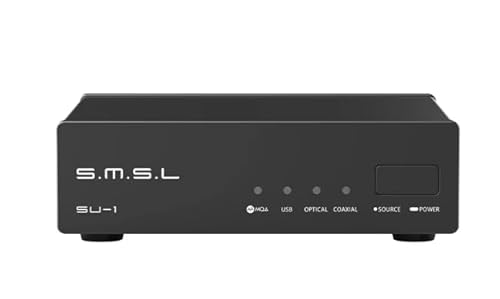
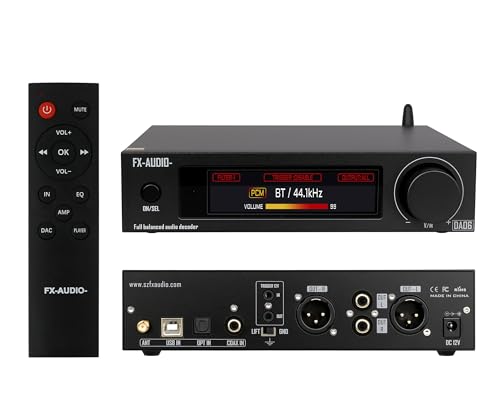
– Device Compatibility: MQA is compatible with a variety of devices, including high-end digital-to-analog converters (DACs) and music streaming platforms like Tidal. This compatibility allows users to enjoy MQA audio without needing to invest heavily in new equipment.
– Authenticity: MQA claims to deliver audio that is “authenticated,” meaning that listeners can be assured they are hearing the music as it was intended by the artist and producer. This assurance is vital for those who take their music seriously.
Disadvantages of MQA Audio
– Limited Track Availability: One of the significant downsides of MQA is the limited availability of tracks in this format. While the catalog is growing, it still does not match the extensive libraries offered by standard streaming services.
– Hardware and Software Requirements: To experience MQA’s full benefits, users must invest in compatible hardware or software. This can be an additional expense, especially for those who are new to high-resolution audio or who may not have a high-end audio setup.
– Potential for Confusion: The technology’s unique decoding process can lead to confusion among users who may not understand how to access MQA content effectively. This might deter casual listeners from fully engaging with the format.
Is MQA Worth It?
Determining whether MQA is worth the investment largely depends on your current audio setup and how frequently you listen to music. If you are an avid music lover with a high-quality audio system, the enhanced fidelity offered by MQA may be a worthy addition to your collection. However, for casual listeners or those on a tight budget, the costs associated with MQA-enabled devices and the limited availability of tracks may not justify the potential audio quality improvements.
In weighing the cost of MQA-enabled devices against the audio quality improvements, consider how much value you place on sound fidelity versus convenience and cost. For some, the investment in MQA technology will pay dividends in terms of listening enjoyment.
Alternatives to MQA Audio
If MQA doesn’t seem like the right fit for you, there are several alternative high-resolution audio formats worth exploring:
– FLAC (Free Lossless Audio Codec): FLAC is a popular format that compresses audio without any loss in quality. It is widely supported across many devices and offers a vast library of music.
– DSD (Direct Stream Digital): DSD is another high-resolution format favored by audiophiles. While it typically requires specialized equipment for playback, it is known for its excellent audio quality.
– Hi-Res Streaming Services: Consider standard high-bitrate streaming services like Qobuz or Amazon Music HD, which offer high-resolution audio without the complexities of MQA.
Ultimately, the best choice will depend on your listening habits, the equipment you own, and your personal preferences regarding audio quality.
How to Get Started with MQA
To begin your journey into MQA audio, follow these steps:
1. Research Streaming Services: Look into MQA-compatible streaming services, with Tidal being the most recognized option. Tidal offers a library of MQA tracks that can be streamed at high fidelity.
2. Invest in Hardware: If you’re serious about experiencing MQA audio, consider investing in suitable hardware. MQA-enabled DACs and audio players can significantly enhance your listening experience.
3. Explore MQA Content: Familiarize yourself with the available MQA tracks and albums. Start with genres you enjoy to determine if the enhanced sound quality resonates with you.
4. Connect with the Community: Engage with online forums and communities dedicated to high-fidelity audio. These platforms can provide valuable insights and recommendations on the best practices for enjoying MQA audio.
Top Streaming Platforms with MQA Support (2024)
| # | Platform | MQA Tracks | Monthly Cost | Free Trial |
|---|---|---|---|---|
| 1 | Tidal | 1,000+ | $19.99 | Yes |
| 2 | Qobuz | 700+ | $14.99 | Yes |
| 3 | Deezer | 500+ | $14.99 | Yes |
| 4 | Amazon Music HD | 200+ | $14.99 | Yes |
| 5 | SoundCloud Go+ | 150+ | $9.99 | Yes |
| 6 | Napster | 100+ | $9.99 | Yes |
MQA Audio vs. Other Formats (Quality Perception)
Summarizing the key insights about MQA audio, it offers impressive sound quality but comes with limitations in terms of availability and compatibility. If you’re serious about audio quality and have the right setup, MQA might be worth exploring. For those who are just getting started or have budget constraints, consider other high-resolution formats that may better suit your needs. Explore your options and make an informed decision on your audio journey!
Frequently Asked Questions
What is MQA Audio and how does it work?
MQA, or Master Quality Authenticated, is an audio codec designed to deliver studio-quality sound in a compressed format. It works by capturing high-resolution audio and encoding it in a way that preserves the full quality while making it manageable for streaming. When played back on compatible devices, MQA unfolds the audio to its original quality, providing listeners with an experience closer to the artist’s intent.
Why should I consider MQA Audio for my music listening experience?
Considering MQA Audio can significantly enhance your music listening experience if you value high fidelity. MQA provides a level of detail and clarity that standard formats often miss, making it ideal for audiophiles and anyone who appreciates high-quality sound. Additionally, MQA files are smaller than traditional high-resolution formats, allowing for easier streaming without sacrificing audio quality.
Is MQA Audio worth the investment in equipment?
Whether MQA Audio is worth the investment depends on your current audio setup and listening preferences. If you have high-quality speakers or headphones and enjoy critical listening, investing in MQA-compatible equipment can yield noticeable improvements in sound quality. However, if you primarily listen to music casually or on standard devices, the difference may not justify the added cost.
How can I listen to MQA Audio tracks?
You can listen to MQA Audio tracks through various streaming services that support MQA, such as Tidal and Qobuz. Additionally, you will need an MQA-compatible DAC (digital-to-analog converter) or a device with built-in MQA support to fully experience the unfolding process. Many modern high-resolution audio players and smartphones now offer this capability, making it easier to access MQA content.
Which artists and albums are available in MQA Audio format?
A wide range of artists and albums are available in MQA Audio format, spanning various genres including classical, rock, jazz, and pop. Notable artists like Madonna, Elton John, and Miles Davis have their music offered in MQA, presenting fans with an opportunity to hear their favorite songs in superior quality. Streaming platforms like Tidal regularly update their catalogs, so checking for new MQA releases can lead to exciting discoveries.
References
- https://en.wikipedia.org/wiki/Master_Quality_Audio
https://en.wikipedia.org/wiki/Master_Quality_Audio - https://www.bbc.com/news/technology-53908247
https://www.bbc.com/news/technology-53908247 - https://www.theguardian.com/music/2020/aug/05/mqa-audio-is-it-worth-it
https://www.theguardian.com/music/2020/aug/05/mqa-audio-is-it-worth-it - https://www.reuters.com/article/us-audio-mqa-idUSKBN2A60E5
https://www.reuters.com/article/us-audio-mqa-idUSKBN2A60E5 - https://www.sciencedirect.com/science/article/pii/S0140988321003227
https://www.sciencedirect.com/science/article/pii/S0140988321003227 - https://scholar.google.com/scholar?q=MQA+Audio Google Scholar
https://scholar.google.com/scholar?q=MQA+Audio - Google Scholar Google Scholar
https://scholar.google.com/scholar?q=high-resolution+audio+MQA - Google Scholar Google Scholar
https://scholar.google.com/scholar?q=Master+Quality+Audio+worth+it - https://www.nature.com/articles/s41598-021-98156-5
https://www.nature.com/articles/s41598-021-98156-5 - https://pubmed.ncbi.nlm.nih.gov/33511373
https://pubmed.ncbi.nlm.nih.gov/33511373