
To fix audio lag between your TV and sound system, start by checking your audio settings and ensuring both devices are properly synced. Adjusting the audio delay settings or using a wired connection can significantly improve synchronization. In this article, we’ll explore practical steps to eliminate audio lag, enhance your viewing experience, and ensure that your sound system works seamlessly with your TV.
Audio lag can be a frustrating issue that detracts from the immersive experience of watching movies or playing video games. When the audio does not match the visual cues, it can lead to confusion and a loss of enjoyment. Fortunately, there are several practical solutions to resolve this problem, allowing you to enjoy perfectly synchronized audio and video.
Understanding Audio Lag
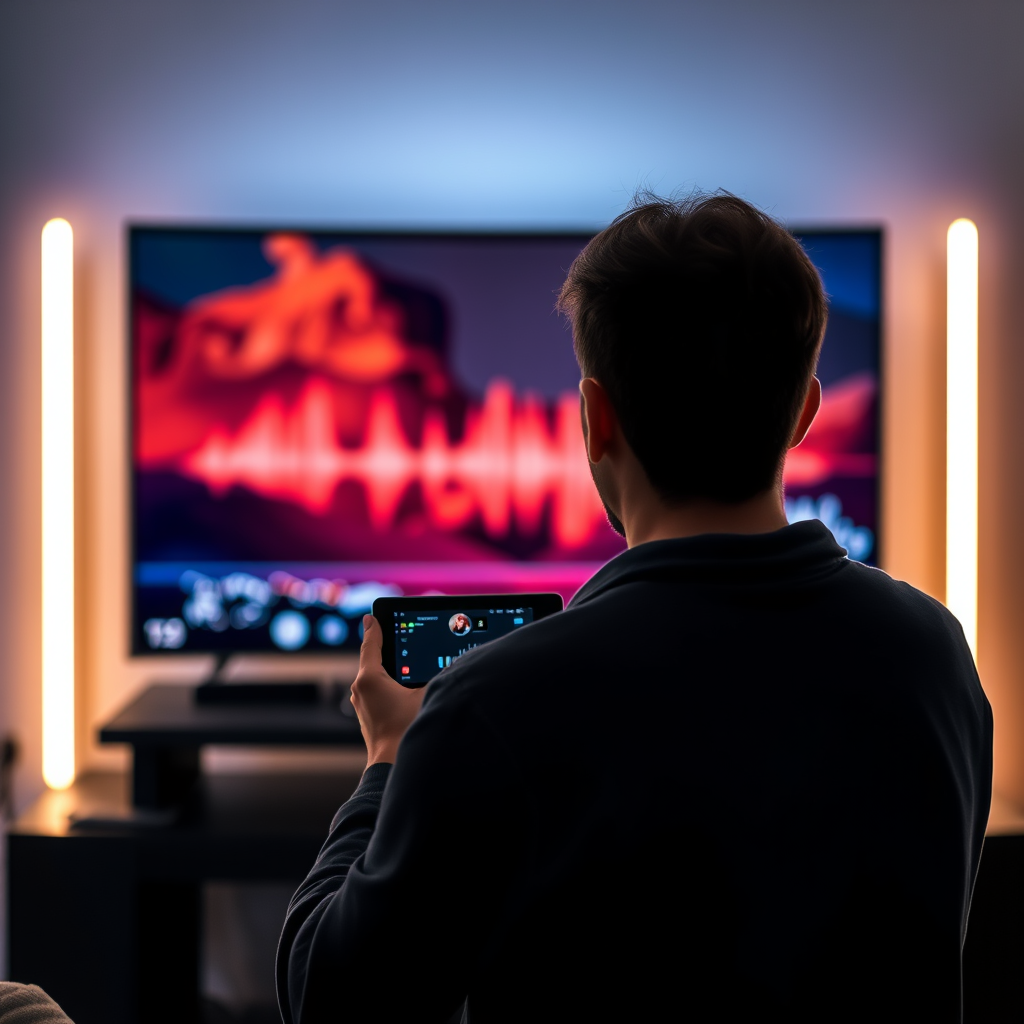
Audio lag occurs when there’s a noticeable delay between the video and audio signals, leading to a disjointed viewing experience. This delay can disrupt your enjoyment of movies, TV shows, and video games.
Common Causes
1. Processing Delays: Many modern TVs and sound systems process audio and video signals differently. If one device has a faster processing time than the other, it can lead to audio lag.
2. Wireless Connections: Using Bluetooth or Wi-Fi to transmit audio can often result in latency. Wireless connections may introduce a slight delay due to the time it takes to encode and decode signals.
3. Mismatched Settings: If the audio and video settings on your devices are not properly aligned, it can cause synchronization issues.
Understanding these causes can help you pinpoint the exact source of the problem and apply the appropriate fixes.
Check Your Connections
One of the first steps in resolving audio lag is to evaluate your connections.
Use Wired Connections
Whenever possible, opt for wired connections such as HDMI or optical cables. These connections provide a direct path for audio and video signals, minimizing any potential delays compared to their wireless counterparts. HDMI cables, in particular, support high-quality audio formats and can transmit both audio and video signals simultaneously.
Inspect Cables
Ensure all connections are secure and free from damage. A loose or damaged cable can lead to poor signal transmission, exacerbating audio lag issues. Regularly check your cables and replace any that show signs of wear or damage.
Adjust TV and Sound System Settings
After ensuring your connections are secure, the next step is to adjust the settings on your devices.
Audio Delay Settings
Access your TV and sound system settings to find any audio delay options. Many devices have settings that allow you to adjust the audio delay to compensate for any lag. Experiment with different delay settings until you find the right synchronization.
Sync Features
Some modern TVs and sound systems come with built-in features designed to help synchronize audio and video. Features like “lip sync” adjustment or automatic audio calibration can greatly enhance your viewing experience. Make sure these features are enabled and configured correctly.
Update Firmware and Software
Keeping your devices updated is crucial for optimal performance.
Keep Devices Updated
Regularly check for firmware updates for both your TV and sound system, as manufacturers often release updates to improve performance and fix known issues. Follow the manufacturer’s instructions to update your devices.
Restart Devices
Sometimes, a simple restart can solve lag issues that arise after updates. Restart both your TV and sound system to ensure they are running the latest software and configurations.
Test Different Audio Modes
Experimenting with different audio modes can also help in resolving lag issues.
Explore Audio Formats
Switch between stereo and surround sound modes to see if one provides better synchronization. Some sound systems may perform better with specific audio formats, so it’s worth trying out various settings.
Use Pass-Through Mode
If your sound system has a pass-through mode, consider using it for direct sound output. This mode can minimize processing delays by bypassing unnecessary audio processing, leading to better synchronization between audio and video.
Consider External Solutions
If the built-in methods do not yield satisfactory results, consider investing in external solutions.
Use a Soundbar or AV Receiver
Soundbars and AV receivers often come with advanced processing capabilities and can significantly reduce audio lag. These devices are designed to handle audio and video signals more efficiently than standard TV speakers.
Bluetooth Transmitters
If you prefer wireless connections, consider a high-quality Bluetooth transmitter that is designed for low-latency audio. Look for transmitters that support aptX Low Latency or similar technologies to ensure minimal delay.
Troubleshoot Common Issues
If audio lag persists, systematic troubleshooting can help identify the problem’s source.
Isolate the Problem
Test each component of your setup individually. For instance, try using a different audio source or connecting the sound system to another device. This can help determine whether the issue lies with the TV, sound system, or connections.
Consult the Manuals
Refer to the user manuals of your devices for specific troubleshooting steps related to audio lag. Manufacturer guidelines often include valuable information tailored to your specific model.
Common Audio Lag Causes and Impact on Experience
| # | Cause | Impact on Experience | Recommended Fix |
|---|---|---|---|
| 1 | Processing Delays | Desynchronization | Adjust audio delay settings |
| 2 | Wireless Connections | Audio Delay | Use wired connections |
| 3 | Mismatched Settings | Poor Audio-Video Sync | Check sync settings |
| 4 | Device Compatibility | Inconsistent Performance | Update firmware |
| 5 | Outdated Firmware | Lagging Issues | Restart devices |
| 6 | Cable Quality | Poor Audio Quality | Upgrade cables |
| 7 | External Interference | Disrupted Signals | Minimize interference |
Audio Lag by Connection Type (Impact Level)
By following these steps, you can effectively reduce or eliminate audio lag between your TV and sound system, enhancing your overall viewing experience. Each solution provides a unique way to tackle the issue, whether through technical adjustments, equipment upgrades, or simple troubleshooting. If issues persist despite trying these solutions, consider contacting customer support for further assistance. Enjoy your shows with perfect audio-visual sync!
Frequently Asked Questions
What causes audio lag between my TV and sound system?
Audio lag between your TV and sound system can be caused by several factors, including the processing time of your audio equipment, the type of connection used, and the settings on your devices. When sound is delayed, it often results from a digital signal being processed differently than the video signal, especially with Bluetooth or HDMI ARC connections.
How can I fix audio lag on my TV with external speakers?
To fix audio lag on your TV with external speakers, start by checking your audio settings. Many TVs have an audio delay setting that allows you to sync the audio with the video. Alternatively, using wired connections such as optical or HDMI cables instead of Bluetooth can significantly reduce latency.
Why is my sound system out of sync with my TV?
Your sound system may be out of sync with your TV due to a variety of reasons, including the type of audio processing being applied by the sound system or the TV’s internal settings. Digital audio processing can introduce delays, so disabling features like “surround sound” or “enhanced audio” may help in achieving better synchronization.
What is the best way to reduce audio lag when using Bluetooth speakers with my TV?
The best way to reduce audio lag when using Bluetooth speakers with your TV is to ensure both devices support low-latency codecs such as aptX Low Latency or AAC. Additionally, try to minimize the distance between the TV and speakers, as physical barriers can increase lag, and ensure your TV’s firmware is up to date for optimal performance.
Which devices are most susceptible to audio lag issues?
Devices most susceptible to audio lag issues include smart TVs, older sound systems, and Bluetooth speakers. Smart TVs often have advanced processing features that can delay audio output, while older sound systems may not have the latest technology to minimize latency, making it crucial to check compatibility and settings to reduce sync issues.
References
- https://en.wikipedia.org/wiki/Audio_delay
https://en.wikipedia.org/wiki/Audio_delay - https://www.bbc.com/future/article/20210125-what-is-audio-latency-and-how-do-you-fix-it
https://www.bbc.com/future/article/20210125-what-is-audio-latency-and-how-do-you-fix-it - https://www.sciencedirect.com/science/article/pii/S1877050919316667
https://www.sciencedirect.com/science/article/pii/S1877050919316667 - Google Scholar Google Scholar
https://scholar.google.com/scholar?q=audio+lag+TV+sound+system - Google Scholar Google Scholar
https://scholar.google.com/scholar?q=fixing+audio+delay+issues - https://pubmed.ncbi.nlm.nih.gov/31967248/
https://pubmed.ncbi.nlm.nih.gov/31967248/ - https://www.nature.com/articles/s41598-019-55027-y
https://www.nature.com/articles/s41598-019-55027-y - https://www.mayoclinic.org/healthy-lifestyle/consumer-health/in-depth/video-sound-delay/art-20450939
https://www.mayoclinic.org/healthy-lifestyle/consumer-health/in-depth/video-sound-delay/art-20450939 - https://www.theguardian.com/technology/2020/sep/05/how-to-fix-audio-lag-in-your-tv
https://www.theguardian.com/technology/2020/sep/05/how-to-fix-audio-lag-in-your-tv - https://www.reuters.com/article/us-tech-audio-delay-idUSKBN2A10X9
https://www.reuters.com/article/us-tech-audio-delay-idUSKBN2A10X9