
To effectively reduce echo in large rooms with audio systems, it’s crucial to focus on sound-absorbing materials and strategic placement of audio equipment. Echo can significantly diminish the audio experience, making it challenging to enjoy music, presentations, or any form of audio content. This article will explore various techniques and solutions that can enhance audio quality and minimize echo in spacious environments, ensuring you achieve the best sound possible.




Understanding Echo and Its Causes
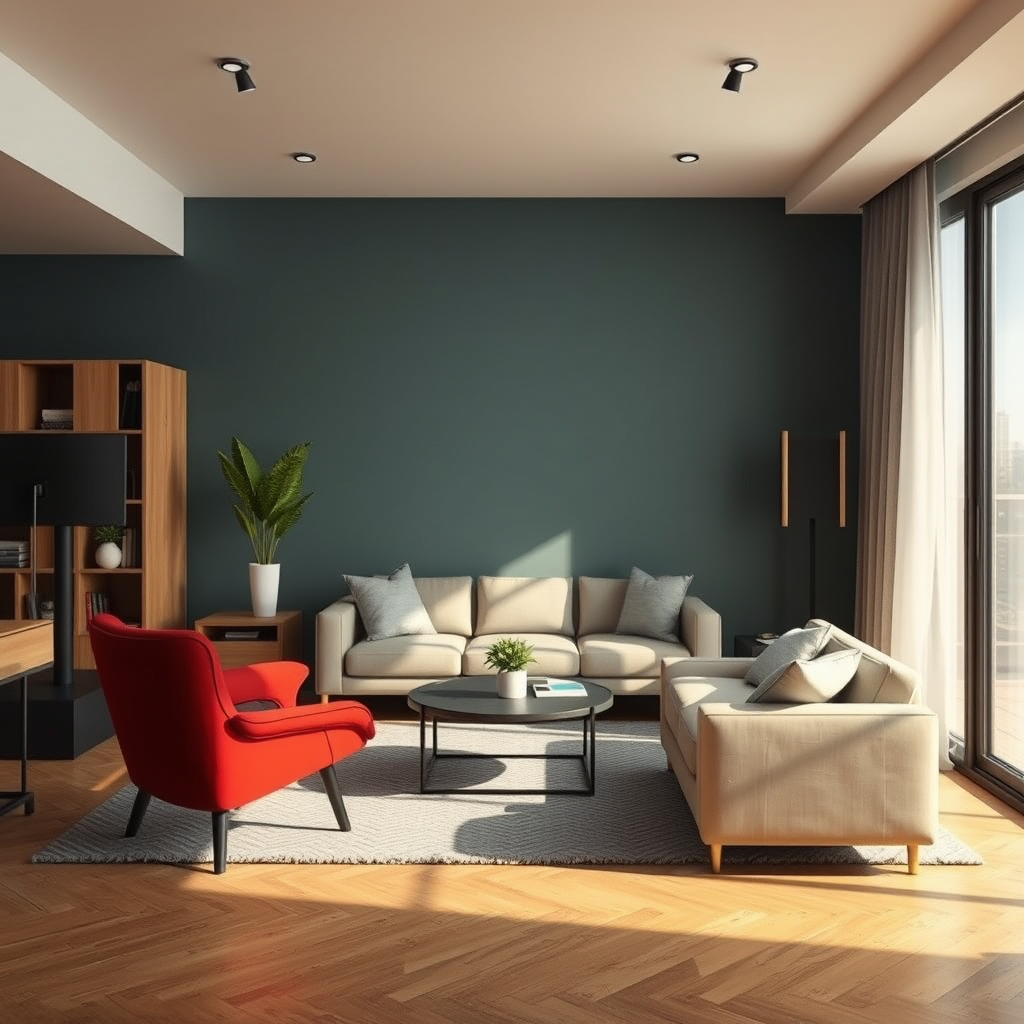
Echo is defined as the reflection of sound waves off hard surfaces, which leads to a delayed perception of sound. This phenomenon can create a confusing audio experience, where speech becomes muddled and music loses its clarity. In large rooms, echo is often exacerbated by the size and shape of the space, as well as the materials used in construction.
Common causes of echo in large rooms include:
– Hard Surfaces: Walls, floors, and ceilings made of hard materials like concrete, tile, or glass reflect sound waves instead of absorbing them.
– Room Shape: Irregularly shaped rooms or those with high ceilings can cause sound waves to bounce unpredictably, leading to an echo effect.
– Lack of Soft Furnishings: Spaces devoid of carpets, curtains, and upholstered furniture are more prone to echo, as these elements typically absorb sound.
Understanding these factors is essential for implementing effective solutions.
Sound Absorbing Materials
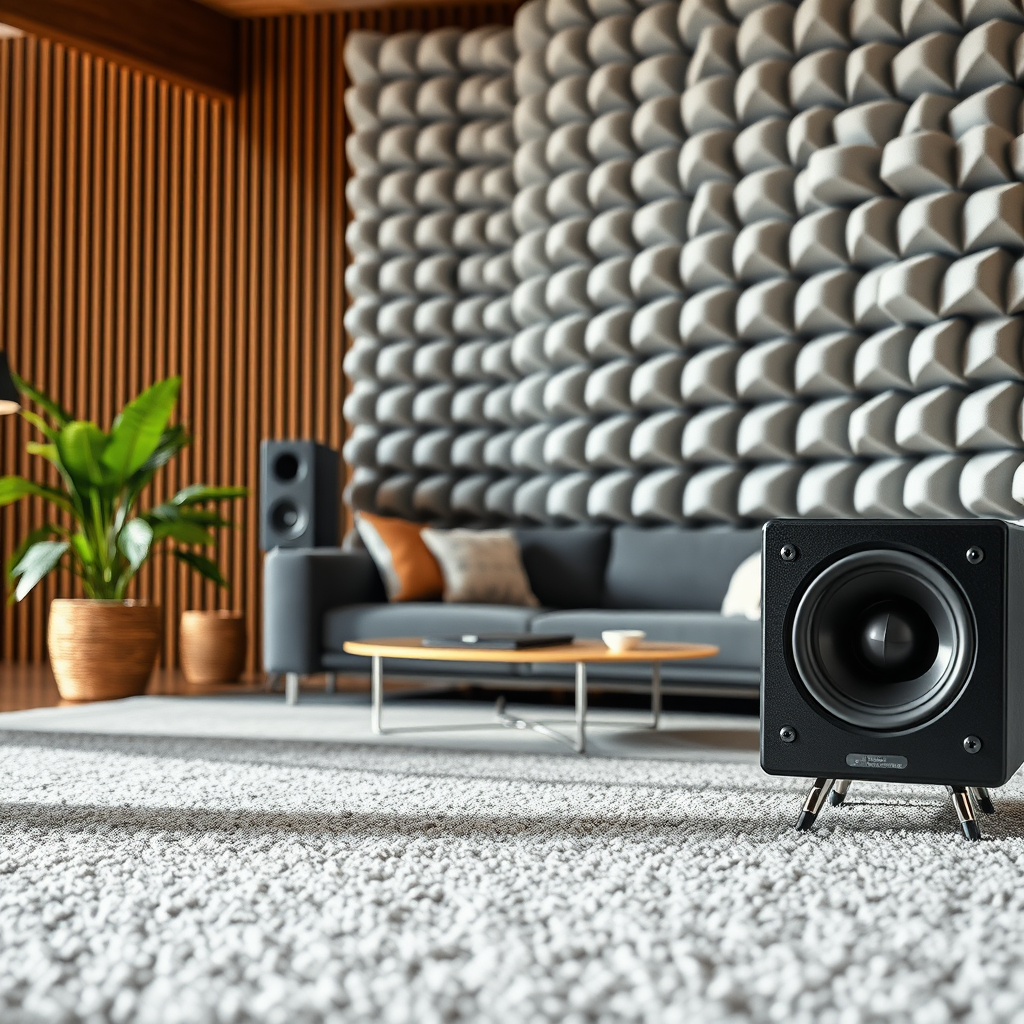
To combat echo, incorporating sound-absorbing materials into your large room is vital. Here are some effective options:
– Carpets and Rugs: These can significantly dampen sound waves. Thick, plush carpets are particularly effective, as they provide a substantial surface area for sound absorption.
– Curtains and Drapes: Heavy curtains can reduce echo by absorbing sound, especially if they cover windows and walls.
– Acoustic Panels: Designed specifically for sound absorption, these panels can be strategically placed on walls or ceilings to mitigate echo. They come in various designs and colors, making them a versatile choice for decor.
When selecting materials, consider the specific characteristics of your room. For example, in a formal conference room, you might opt for stylish acoustic panels that blend with the decor, while a home theater might benefit from plush carpeting and heavy curtains.
Room Layout and Design Considerations
The layout of a room significantly impacts sound propagation. The arrangement of furniture and the overall design can either exacerbate or mitigate echo. Here are some design considerations:
– Furniture Placement: Avoid placing all furniture against the walls; instead, create clusters that can help break up sound waves. Sofas, chairs, and tables can act as barriers to sound reflection.
– Ceiling Height: In high-ceiling rooms, consider adding hanging elements like chandeliers or art pieces to disrupt sound paths. Lowering the ceiling with false beams or fixtures can also help reduce echo.
– Use of Soft Furnishings: Incorporate soft furnishings like cushions, throws, and upholstered chairs to absorb sound.
By thoughtfully designing the layout of your space, you can significantly improve acoustics and reduce echo.
Top 7 Sound Absorbing Materials for Echo Reduction
| # | Material | Absorption Coefficient | Best Use |
|---|---|---|---|
| 1 | Carpet | 0.25 – 0.60 | Living Rooms |
| 2 | Acoustic Panels | 0.70 – 1.00 | Studios |
| 3 | Curtains | 0.40 – 0.70 | Theaters |
| 4 | Upholstered Furniture | 0.30 – 0.60 | Lounges |
| 5 | Acoustic Foam | 0.80 – 1.00 | Recording Studios |
| 6 | Wall Hangings | 0.35 – 0.55 | Common Areas |
| 7 | Sound Diffusers | 0.40 – 0.70 | Performance Spaces |
Using Audio Equipment Effectively
The placement and settings of your audio equipment play a pivotal role in managing echo. Here are key strategies:
– Speaker Placement: Position speakers away from corners and walls to minimize reflections. Ideally, speakers should be placed at ear level and directed towards the listening area. This ensures sound travels directly to listeners without significant reflection.
– Orientation: Tilt or angle speakers slightly towards the audience to optimize sound directionality. This can significantly enhance the clarity of speech and music.
– Audio Settings: Utilize features such as equalization (EQ) to reduce frequencies that may exacerbate echo. Some audio systems offer built-in echo cancellation features which can be beneficial in large environments.
By strategically placing and configuring your audio equipment, you can effectively diminish echo and improve overall sound quality.
Acoustic Treatments and Enhancements
For a more comprehensive approach to reducing echo, consider implementing acoustic treatments:
– Wall Panels: Acoustic wall panels can be installed to absorb sound and reduce reverberation. They come in various designs, allowing you to maintain aesthetic appeal while improving acoustics.
– Bass Traps: These specialized acoustic treatments target low-frequency sound waves that often contribute to muddiness and echo. They are especially useful in corners where sound tends to accumulate.
– Professional Acoustic Consultations: For complex setups, hiring an acoustic professional can provide tailored solutions. They can assess your space and recommend specific treatments that will yield the best results.
Investing in acoustic treatments can elevate the audio experience in large rooms, making it more enjoyable for all.
Effectiveness of Various Acoustic Treatments
Regular Maintenance and Adjustments
Maintaining your audio system and its settings is crucial for optimal performance. Regular maintenance can prevent sound quality degradation over time. Here are some practices to consider:
– Routine Checks: Regularly inspect audio equipment for dust and damage. Clean speakers and microphones to ensure clear sound transmission.
– Adjustments for Room Changes: If the room layout changes (e.g., new furniture or wall decorations), reassess the audio equipment settings and placement to ensure continued sound clarity.
– Software Updates: For digital audio systems, keep software up to date to benefit from new features and improvements that may help with sound quality.
By prioritizing maintenance, you can sustain high audio quality and reduce echo effectively.
Additional Tips and Tricks
Here are some quick fixes and insights to enhance your audio experience further:
– Use Rugs: If carpets are not an option, strategically placing rugs can still help absorb sound.
– Sound Diffusers: Consider incorporating sound diffusers in addition to absorptive materials. These can scatter sound waves, reducing the intensity of echo.
– Avoid Common Mistakes: Be mindful of common pitfalls, such as placing all furniture against walls or neglecting to adjust audio settings according to the room’s acoustics.
Implementing these additional tips can provide immediate improvements to your audio quality and echo reduction efforts.
Reducing echo in large rooms involves a combination of sound-absorbing materials, effective room layout, and strategic audio equipment use. If you want to enhance your audio experience, start by implementing these techniques today and consider consulting with an acoustic professional for tailored solutions. The right approach will transform your large space into an acoustically pleasing environment, enhancing both sound clarity and overall enjoyment.
Frequently Asked Questions
How can I effectively reduce echo in a large room with an audio system?
To effectively reduce echo in a large room, consider adding sound-absorbing materials such as carpets, curtains, and acoustic panels. These materials help to dampen sound waves, minimizing reflections that cause echo. Additionally, rearranging furniture can also help break up sound pathways, further reducing echo in your audio setup.
What are the best materials to use for soundproofing a large room?
The best materials for soundproofing a large room include acoustic foam panels, heavy curtains, and thick carpets. These materials absorb sound rather than reflecting it, which can significantly reduce echo. Adding bookshelves filled with books can also act as a great sound barrier, improving the overall acoustics of the room.
Why does echo occur in large rooms with audio systems?
Echo occurs in large rooms due to sound waves bouncing off hard surfaces like walls, ceilings, and floors. The larger the space, the longer the sound has to travel, which can create a delayed reflection effect. This is especially problematic in audio systems, as it can distort sound quality and make it difficult to hear clearly.
Which acoustic treatments are most effective for minimizing echo in a home theater?
For a home theater, the most effective acoustic treatments include bass traps in corners, wall-mounted acoustic panels, and ceiling clouds. These treatments target specific frequencies that cause echo and enhance sound clarity. Additionally, using soft furnishings and ensuring proper speaker placement can also contribute significantly to echo reduction.
How do I position furniture to help reduce echo in a large room?
To reduce echo through furniture positioning, arrange large furniture pieces like sofas and bookshelves against walls to absorb sound. Create irregular layouts rather than a linear arrangement to disrupt sound wave paths. Additionally, placing rugs on the floor and using soft cushions can further help in minimizing echo, enhancing the overall audio experience in your room.
References
- Echo
https://en.wikipedia.org/wiki/Echo - https://www.ncbi.nlm.nih.gov/pmc/articles/PMC4285953/
https://www.ncbi.nlm.nih.gov/pmc/articles/PMC4285953/ - https://www.sciencedirect.com/science/article/pii/S2213138815000149
https://www.sciencedirect.com/science/article/pii/S2213138815000149 - https://www.nature.com/articles/s41598-018-33647-3
https://www.nature.com/articles/s41598-018-33647-3 - https://www.acoustics.org/press/167th/abstracts/1364.html
https://www.acoustics.org/press/167th/abstracts/1364.html - https://www.mayoclinic.org/healthy-lifestyle/consumer-health/in-depth/sound-therapy/art-20448606
https://www.mayoclinic.org/healthy-lifestyle/consumer-health/in-depth/sound-therapy/art-20448606 - Google Scholar Google Scholar
https://scholar.google.com/scholar?q=How+to+Reduce+Echo+in+Large+Rooms+with+Audio+Systems - Google Scholar Google Scholar
https://scholar.google.com/scholar?q=Reducing+Echo+in+Large+Acoustic+Spaces - Google Scholar Google Scholar
https://scholar.google.com/scholar?q=Acoustic+Treatment+for+Large+Rooms - How to Reduce Echo in Large Rooms with Audio Systems – Search results
https://en.wikipedia.org/wiki/Special:Search?search=How+to+Reduce+Echo+in+Large+Rooms+with+Audio+Systems