

Vintage speakers often offer a unique warmth and character in sound that many audiophiles cherish, while modern sound systems emphasize convenience and advanced technology. In this article, we’ll explore the key differences in sound quality, design, and functionality, helping you determine which option best suits your listening preferences.
Sound Quality: Warmth vs. Precision
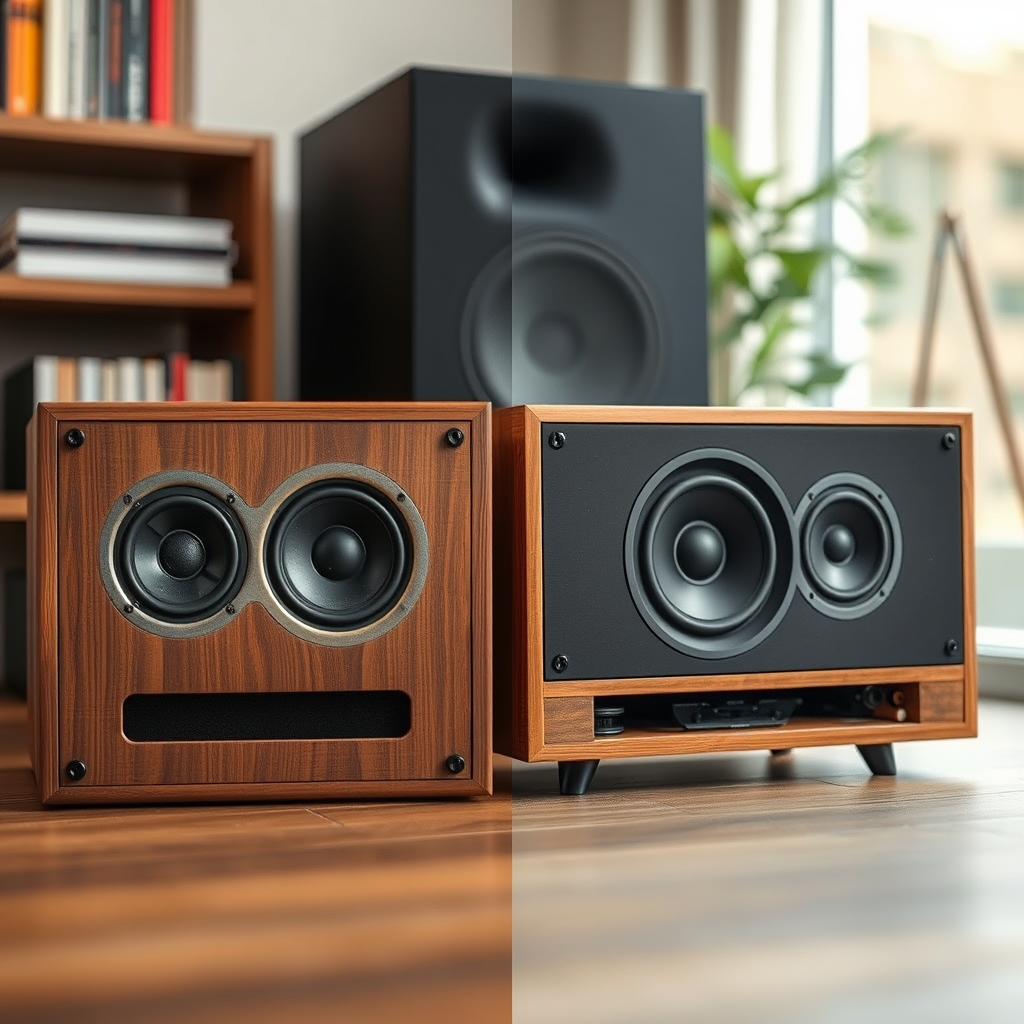
When it comes to sound quality, vintage speakers are celebrated for their rich, warm tones that enhance the auditory experience, particularly for genres like jazz, classical, and rock. Many vintage models rely on analog technology, which tends to create a natural compression of sound waves. This results in a smoother, more organic listening experience that many enthusiasts find appealing. For instance, speakers from brands like Klipsch and JBL, produced in the mid-20th century, have a reputation for their ability to produce a lush, full-bodied sound that can transport listeners into the depth of the music.
On the other hand, modern sound systems utilize advanced digital technology to deliver precision and clarity. They often feature high-fidelity components that allow for crisp highs and deep bass, catering to the demands of contemporary music genres such as electronic dance music (EDM) and pop. Many modern systems also incorporate digital signal processing (DSP) that fine-tunes audio output to eliminate distortion and enhance clarity, ensuring that every note is delivered with fidelity. Brands like Sonos and Bose exemplify this trend, providing users with high-end sound reproduction that resonates well with a tech-savvy audience.
Design and Aesthetics
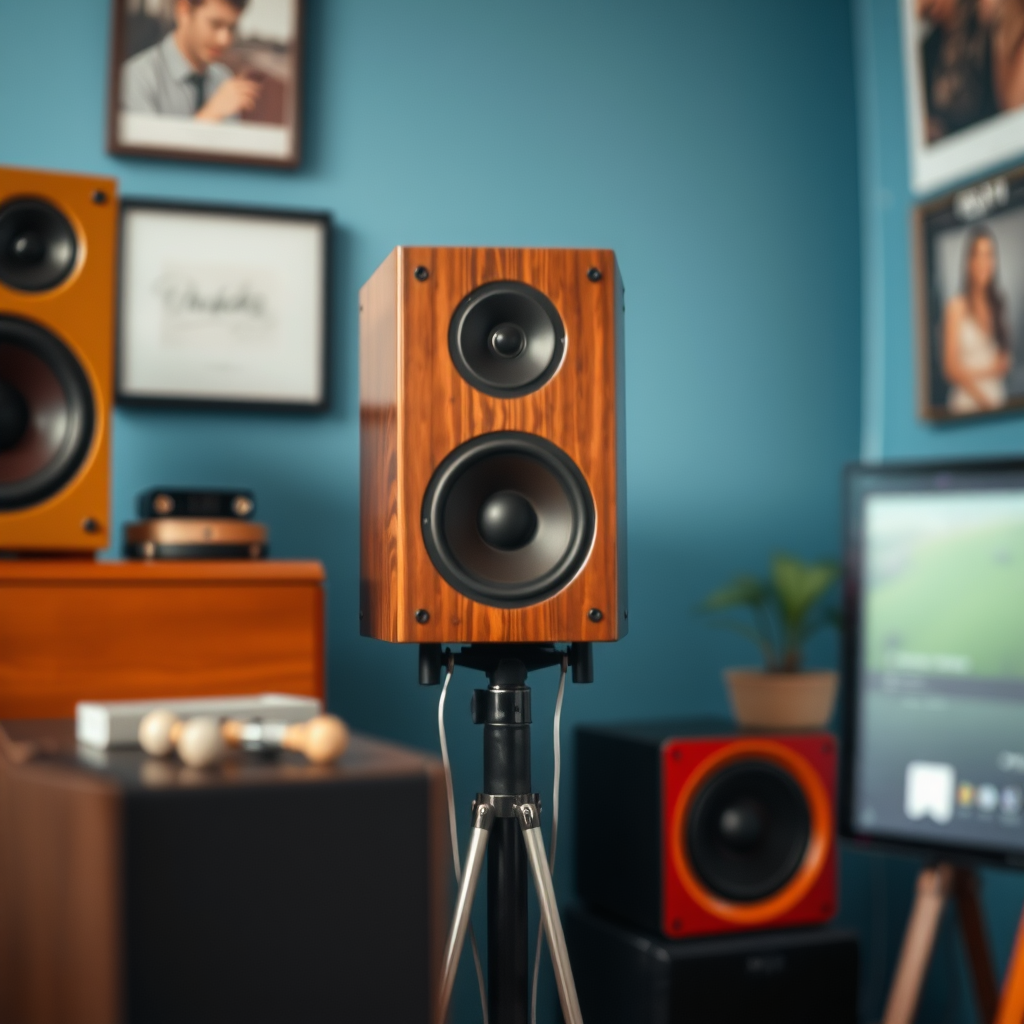
The design of vintage speakers is one of their most appealing aspects. Often handcrafted, these speakers showcase a craftsmanship that modern systems sometimes lack. Vintage models feature wooden enclosures, intricate designs, and finishes that reflect the era they were produced in, making them attractive collector’s items and statement pieces in home decor. For example, the iconic Fisher and Dynaco speakers are not only functional but also serve as conversation starters, blending seamlessly into a retro-themed room or adding character to a modern space.
In contrast, modern sound systems prioritize sleekness and functionality. With minimalistic designs, many contemporary speakers are engineered to integrate seamlessly into home environments without drawing too much attention. The use of lightweight materials and compact designs allows modern systems to fit into small spaces, appealing to consumers who prioritize both aesthetics and functionality. Brands like Apple and Bang & Olufsen exemplify this trend, offering visually appealing products that do not compromise on sound quality.
Technology and Features
A significant difference between vintage speakers and modern sound systems lies in their technological features. Vintage speakers typically lack modern conveniences such as Bluetooth connectivity, Wi-Fi streaming, and smart technology integration. This absence can limit their usability in today’s digital age, where streaming music from various sources has become the norm. Furthermore, vintage models may require specialized equipment to connect to modern devices, which can be a deterrent for casual listeners.
In contrast, modern sound systems are equipped with a plethora of features designed to enhance user experience. Wireless streaming capabilities allow users to play music from their smartphones, tablets, or computers directly to their speakers without the need for cumbersome cables. Many modern systems also offer app control, enabling users to adjust sound settings, create playlists, and manage multi-room audio with ease. This level of convenience caters to the lifestyle of today’s consumers, who often seek simplicity and functionality in their audio solutions.
Vintage vs. Modern Speakers: Key Features Comparison
| # | Feature | Vintage Speakers | Modern Sound Systems |
|---|---|---|---|
| 1 | Sound Quality | Warmth and character | Precision and clarity |
| 2 | Design | Classic wooden finishes | Sleek and minimalistic |
| 3 | Connectivity | Wired connections | Wireless streaming |
| 4 | User Interface | Manual adjustments | App control |
| 5 | Price Range | High (collectible value) | Varies (affordable options) |
| 6 | Longevity | Decades with proper care | 5-10 years on average |
| 7 | Maintenance | Often requires refurbishing | Low maintenance |
| 8 | Sound Customization | Limited options | Extensive EQ settings |
| 9 | Brand Availability | Limited to specific brands | Widely available |
| 10 | Collectibility | High collector’s value | Not collectible |
Durability and Longevity
Durability and longevity are often cited as key advantages of vintage speakers. With proper care, these speakers can last for decades, sometimes even appreciating in value over time. The craftsmanship and materials used in vintage models typically surpass many modern alternatives, making them a solid investment for audio enthusiasts. For instance, high-quality wooden cabinets and robust components are common in vintage models, allowing them to withstand the test of time both aesthetically and functionally.
In contrast, modern sound systems, while often built with durable materials, may have a shorter lifespan due to their reliance on electronic components that can become obsolete quickly. The rapid pace of technological advancement means that many modern systems may require upgrades or replacements sooner than their vintage counterparts. Additionally, many consumers may find themselves replacing modern systems every few years to keep up with new features and capabilities, leading to higher long-term costs.
Cost and Accessibility
When evaluating cost, vintage speakers can sometimes be more expensive due to their rarity and collector’s value. Prices vary widely based on brand, model, and condition, with some high-end vintage speakers fetching several thousand dollars at auction. Brands like McIntosh and Electro-Voice, known for their quality, often command premium prices among collectors, which can make acquiring vintage speakers a significant investment.
In contrast, modern sound systems are generally more affordable and widely available, catering to a range of budgets and preferences. With numerous brands and models on the market, consumers can find entry-level options that deliver respectable sound quality without breaking the bank. Moreover, modern systems often come with warranties and customer support, providing peace of mind for buyers who may be hesitant to invest in vintage equipment.
User Experience and Setup
Setting up vintage speakers may require more effort compared to their modern counterparts. Users must ensure compatibility with existing equipment and may need to invest time in refurbishing or upgrading components to achieve optimal performance. This process can be rewarding for audiophiles who enjoy the hands-on approach but may be daunting for casual listeners.
Conversely, modern sound systems are designed for ease of use, featuring plug-and-play capabilities and user-friendly interfaces. Many systems come with intuitive apps that simplify setup and operation, allowing users to manage their audio experience effortlessly. The convenience of modern technology, including voice control and smart home integration, makes these systems particularly appealing to those who value simplicity and accessibility.
Personal Preference and Listening Habits
Ultimately, the choice between vintage and modern speakers often comes down to personal taste in sound and aesthetics, as well as lifestyle needs. Audiophiles who appreciate the warmth and character of vintage speakers may find them more suitable for their listening preferences, particularly if they enjoy genres like classical or jazz. Additionally, collectors may be drawn to the historical significance and craftsmanship of vintage models.
On the other hand, those who prioritize convenience, technology, and modern design may prefer contemporary sound systems. Understanding your listening habits and the types of music you enjoy can guide your decision in selecting the right sound system. It’s essential to consider how you plan to use your speakers—whether for casual listening, organized parties, or critical listening sessions—in order to choose the model that best aligns with your audio lifestyle.
Sound System User Satisfaction Ratings
The comparison between vintage speakers and modern sound systems reveals distinct advantages and challenges for each option. Vintage speakers are cherished for their warmth and character, while modern systems offer advanced technology and convenience. Consider your listening preferences and desired features to make the best choice for your audio experience. Whether you lean towards the nostalgia of vintage or the innovation of modern technology, there’s a perfect sound system out there for you.
Frequently Asked Questions
What are the key differences between vintage speakers and modern sound systems?
Vintage speakers often emphasize warm, rich sound quality due to their analog components, while modern sound systems typically focus on clarity and precision through digital technology. Additionally, vintage speakers may lack features like Bluetooth connectivity and built-in amplification that are common in modern systems, making them more suited for audiophiles who appreciate a nostalgic listening experience.
How do vintage speakers perform in comparison to modern systems in terms of sound quality?
Vintage speakers can deliver a unique sound profile that many enthusiasts find pleasing, characterized by a fuller bass and softer treble. However, modern sound systems often offer superior dynamic range and lower distortion levels, making them more versatile for various music genres and media formats, particularly in larger spaces.
Why should I consider investing in vintage speakers over contemporary audio equipment?
Investing in vintage speakers can provide a distinct audio character that many modern systems lack, appealing to enthusiasts and collectors alike. Additionally, these speakers often have a nostalgic aesthetic and craftsmanship that can enhance your home decor, making them a conversation piece beyond just sound quality.
What are the best vintage speakers to pair with modern audio equipment?
Some of the best vintage speakers to pair with modern audio equipment include the JBL L100, Klipsch Heresy, and the Boston Acoustics A70. These models are known for their excellent sound quality and compatibility with contemporary amplification and sources, allowing you to enjoy the warmth of vintage sound without sacrificing modern convenience.
Which modern sound systems can replicate the sound of vintage speakers effectively?
Modern sound systems that effectively replicate the sound of vintage speakers include tube amplifiers and high-end bookshelf speakers like the Audioengine A5+ or the KEF LS50. These systems often utilize analog components and advanced technology to mimic the warmth and depth associated with vintage audio, providing a satisfying experience for those who love the vintage sound aesthetic.
References
- https://en.wikipedia.org/wiki/Speaker_(audio
https://en.wikipedia.org/wiki/Speaker_(audio - https://www.nature.com/articles/s41598-020-76745-2
https://www.nature.com/articles/s41598-020-76745-2 - https://www.sciencedirect.com/science/article/pii/S1877050919317330
https://www.sciencedirect.com/science/article/pii/S1877050919317330 - https://pubmed.ncbi.nlm.nih.gov/32347077/
https://pubmed.ncbi.nlm.nih.gov/32347077/ - https://www.bbc.com/future/article/20191218-why-vintage-sound-is-the-new-audio-trend
https://www.bbc.com/future/article/20191218-why-vintage-sound-is-the-new-audio-trend - Wuhan, point de départ du coronavirus et test politique pour Xi Jinping
https://theconversation.com/what-vintage-speakers-can-teach-us-about-sound-quality-130900 - Google Scholar Google Scholar
https://scholar.google.com/scholar?q=How+Vintage+Speakers+Compare+to+Modern+Sound+Systems - Google Scholar Google Scholar
https://scholar.google.com/scholar?q=Vintage+Audio+Equipment+vs+Modern+Audio+Technology - Google Scholar Google Scholar
https://scholar.google.com/scholar?q=Audio+fidelity+in+vintage+speakers+and+modern+systems - https://www.theguardian.com/music/2021/mar/19/the-best-vintage-audio-gear-for-music-lovers
https://www.theguardian.com/music/2021/mar/19/the-best-vintage-audio-gear-for-music-lovers