Building your own speaker stands and mounts can significantly enhance your audio experience while saving you money. By taking a hands-on approach, you can tailor the design to fit your specific needs and preferences, ensuring optimal sound quality and aesthetics in your living space. This guide will walk you through the essential steps of designing, constructing, and finishing your custom speaker stands and mounts.




Choosing the Right Materials
Selecting the right materials for your speaker stands is critical to ensuring stability and durability. Common materials include:
– Wood: A popular choice due to its natural aesthetic appeal and strength. Hardwoods like oak or maple are excellent for sturdiness, while plywood can be a cost-effective alternative.
– Metal: Offers superior strength and a modern look. Steel or aluminum can be used for a sleek design, but be mindful of the added weight.
– PVC: This lightweight and affordable option is easy to work with and resistant to environmental factors, making it suitable for indoor and outdoor setups.
When choosing materials, also consider the weight of your speakers. Heavier speakers will require thicker and more robust materials to ensure the stands can support them without risk of tipping over or collapsing.
Designing Your Speaker Stands
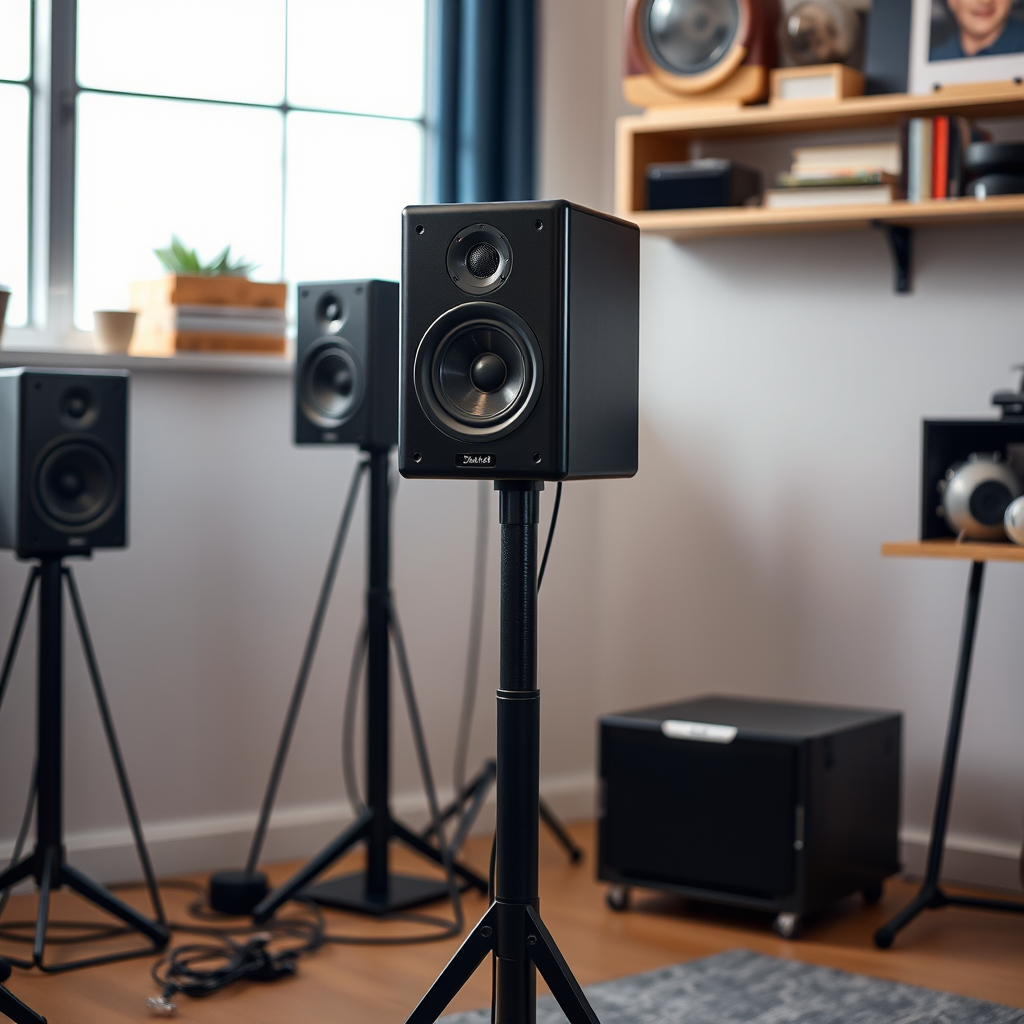
The design phase is where you can truly personalize your speaker stands. Start by measuring your speakers to determine the optimal height for sound distribution. Ideally, the tweeters of your speakers should be at ear level when you are seated.
Next, sketch a design that incorporates both stability and aesthetic appeal. A simple rectangular or square base is ideal for stability, while you can opt for more elaborate finishes or shapes that complement your home decor. Consider integrating features such as cable management systems or adjustable heights in your design for added functionality.
Tools and Equipment Needed
Before you begin construction, gather the essential tools and equipment required for the job:
– Tools:
– Saw: For cutting wood or metal to size.
– Drill: To make holes for screws or to assemble parts.
– Screwdriver: For securing screws in place.
– Level: To ensure your stands are perfectly upright.
– Safety Gear:
– Goggles: To protect your eyes from debris while cutting or drilling.
– Gloves: To prevent injuries when handling sharp tools or materials.
Having the right tools will streamline the building process and ensure a professional finish.
Materials Comparison for Speaker Stands
| # | Material | Durability | Weight | Cost |
|---|---|---|---|---|
| 1 | Wood | High | Moderate | $$ |
| 2 | Metal | Very High | High | $$$ |
| 3 | PVC | Moderate | Low | $ |
| 4 | Bamboo | High | Moderate | $$ |
| 5 | Composite | Moderate | Low | $ |
| 6 | Steel | Very High | High | $$$ |
Step-by-Step Assembly Instructions
Now that you’ve selected your materials and gathered your tools, it’s time to assemble your speaker stands. Follow these step-by-step instructions to ensure a successful build:
1. Cut Your Materials: Use your saw to cut the wood or metal according to the dimensions specified in your design. Ensure all cuts are straight and precise to avoid stability issues.
2. Assemble the Base: Start with the base. Attach the legs to the base using screws, ensuring the structure is level. A sturdy base is crucial for preventing tipping.
3. Attach the Speaker Platform: Once the base is secure, attach the platform where your speakers will sit. Use a level to ensure it is even.
4. Secure Everything: Double-check all screws and connections to ensure they are tight. This will enhance the durability of your stands.
5. Finishing Touches: Sand down any rough edges to prevent splinters or scratches. If desired, apply a finish or paint to match your decor.
Mounting Options for Speakers
When it comes to mounting your speakers, several options are available depending on your space and preferences:
– Fixed Mounts: These are ideal for permanent installations where speakers will not need to be moved. They offer excellent stability and can be blended into the decor.
– Adjustable Brackets: These allow you to change the angle and height of your speakers, providing flexibility in sound direction.
– Wall Mounts: Perfect for small spaces, wall mounts can save floor space while providing an unobtrusive look. Ensure the wall can support the weight of your speakers.
Before purchasing mounting hardware, verify compatibility with your speaker type and weight to ensure safety and functionality.
Mounting Options for Speakers
Finishing Touches
After assembling your speaker stands and mounts, it’s time to add those finishing touches that can elevate their appearance and functionality:
– Sanding: Smooth out any rough edges to avoid injuries or damage to your speakers.
– Painting or Staining: Apply a finish or paint that complements your home decor. This not only enhances appearance but also protects the material.
– Rubber Feet or Pads: Adding rubber feet or pads to the base will provide additional stability and prevent scratches on your floor. This is particularly important for heavier speakers.
Testing Your Setup
Once your stands and mounts are complete, it’s essential to test your setup:
1. Stability Check: Carefully place your speakers on the stands and check for stability. Gently push the speakers from different angles to ensure they do not wobble.
2. Sound Quality: Adjust the position of your speakers as needed to achieve the best sound quality. Consider the acoustics of the room and make adjustments to the height or angle of the speakers.
3. Aesthetic Review: Step back and assess how the stands fit into your overall decor. Make any necessary adjustments to their placement or appearance.
By following these steps, you can create custom speaker stands and mounts that not only fit your space but also enhance your audio experience. If you’re ready to get started, gather your materials and tools, and let your creativity lead the way!
In conclusion, crafting your own speaker stands and mounts is a rewarding project that offers both functional and aesthetic benefits. By selecting the right materials, designing thoughtfully, and following proper assembly techniques, you can create stands that enhance your audio setup while saving money. With the right tools and a bit of creativity, your custom stands will not only serve their purpose but also become a stylish addition to your home.
Frequently Asked Questions
What materials do I need to make my own speaker stands and mounts?
To create your own speaker stands and mounts, you’ll typically need materials such as wood (like MDF or plywood), screws, brackets, and a suitable finish or paint. If you’re looking for added stability, consider using sand or concrete blocks to weigh down the stands. Additionally, tools like a saw, drill, and measuring tape are essential for precise construction.
How can I ensure my DIY speaker stands are stable and safe?
To ensure stability and safety for your DIY speaker stands, focus on using a wide base and heavy materials to lower the center of gravity. You can also add rubber pads to the bottom to prevent slipping and vibration. Regularly check the stands for any signs of wear or instability, especially if they hold larger or heavier speakers.
Why should I consider making my own speaker mounts?
Making your own speaker mounts allows for customization in height, angle, and design to fit your specific space and sound preferences. DIY speaker mounts can also be a cost-effective solution compared to purchasing pre-made options. Additionally, creating your own mounts can enhance the aesthetic of your room, as you can match the materials and finish to your decor.
What is the best height for speaker stands in a home audio setup?
The best height for speaker stands typically ranges from 24 to 36 inches, depending on your seating position and the type of speakers you have. Ideally, the tweeters of your speakers should be at ear level when you are seated for optimal sound quality. Adjusting the height will help achieve a balanced audio experience and improve the overall performance of your sound system.
Which tools are essential for building speaker stands and mounts at home?
Essential tools for building your own speaker stands and mounts include a power drill for making holes and securing screws, a saw for cutting wood to the desired size, and a level to ensure stability. A measuring tape is crucial for accurate dimensions, while sandpaper will help smooth edges for a professional finish. Having these tools on hand will streamline the construction process and enhance your overall results.
References
- https://en.wikipedia.org/wiki/Loudspeaker_stand
https://en.wikipedia.org/wiki/Loudspeaker_stand - https://www.sciencedirect.com/topics/engineering/loudspeaker
https://www.sciencedirect.com/topics/engineering/loudspeaker - Loudspeaker | Definition, Types, & Facts | Britannica
https://www.britannica.com/technology/loudspeaker - https://www.nature.com/articles/s41598-020-73415-2
https://www.nature.com/articles/s41598-020-73415-2 - Google Scholar Google Scholar
https://scholar.google.com/scholar?q=DIY+speaker+stands - Google Scholar Google Scholar
https://scholar.google.com/scholar?q=speaker+mounts+design - https://pubmed.ncbi.nlm.nih.gov/32273792/
https://pubmed.ncbi.nlm.nih.gov/32273792/ - https://www.acoustics.org/press/173rd/2pAB2.html
https://www.acoustics.org/press/173rd/2pAB2.html - https://www.ksi.edu/education/intro-to-sound/
https://www.ksi.edu/education/intro-to-sound/ - Practical Home Theater Guide – Expert Gear Advice and Pro Setup Guides
https://www.practical-home-theater-guide.com/speaker-stands.html