Selecting the right audio system is crucial for any music studio, as it directly impacts the quality of sound production and mixing. The best audio systems offer clarity, precision, and reliability, essential for achieving the desired audio quality in recordings. In this article, you will learn about the best audio systems available, key features to consider, and how to choose the right equipment for your needs.
Understanding Your Studio Needs
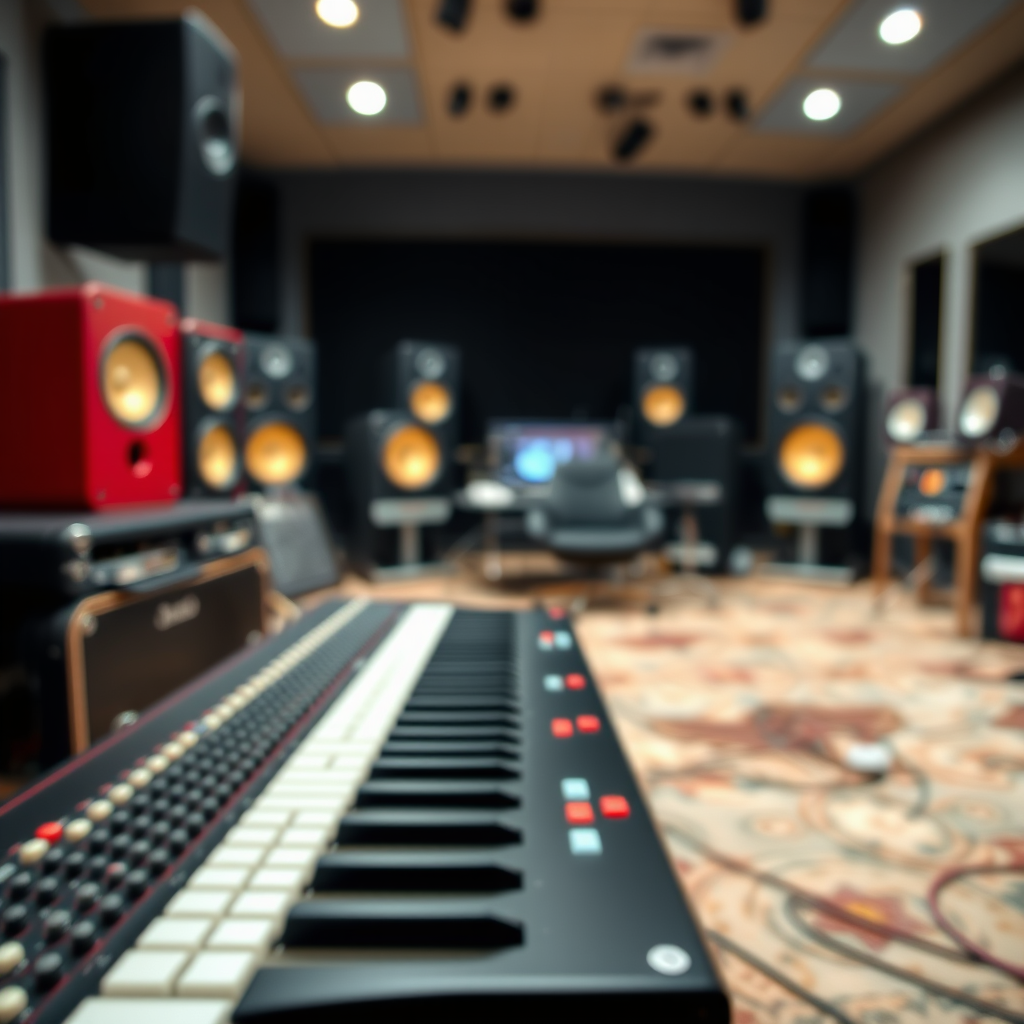
Before diving into specific audio systems, it’s imperative to assess your studio’s unique requirements. Start by evaluating the size of your studio, as this will influence the type and size of equipment you should consider. Larger studios may benefit from more powerful monitors and interfaces capable of handling extensive sound ranges, while smaller spaces may require more compact solutions.
Next, identify the primary use of the audio system in your studio. Are you primarily recording live instruments, mixing tracks, or mastering completed songs? Each function may necessitate different equipment. For example, if your focus is on mixing, you might prioritize studio monitors that provide flat frequency response to ensure accuracy in your mixes.
Essential Components of an Audio System
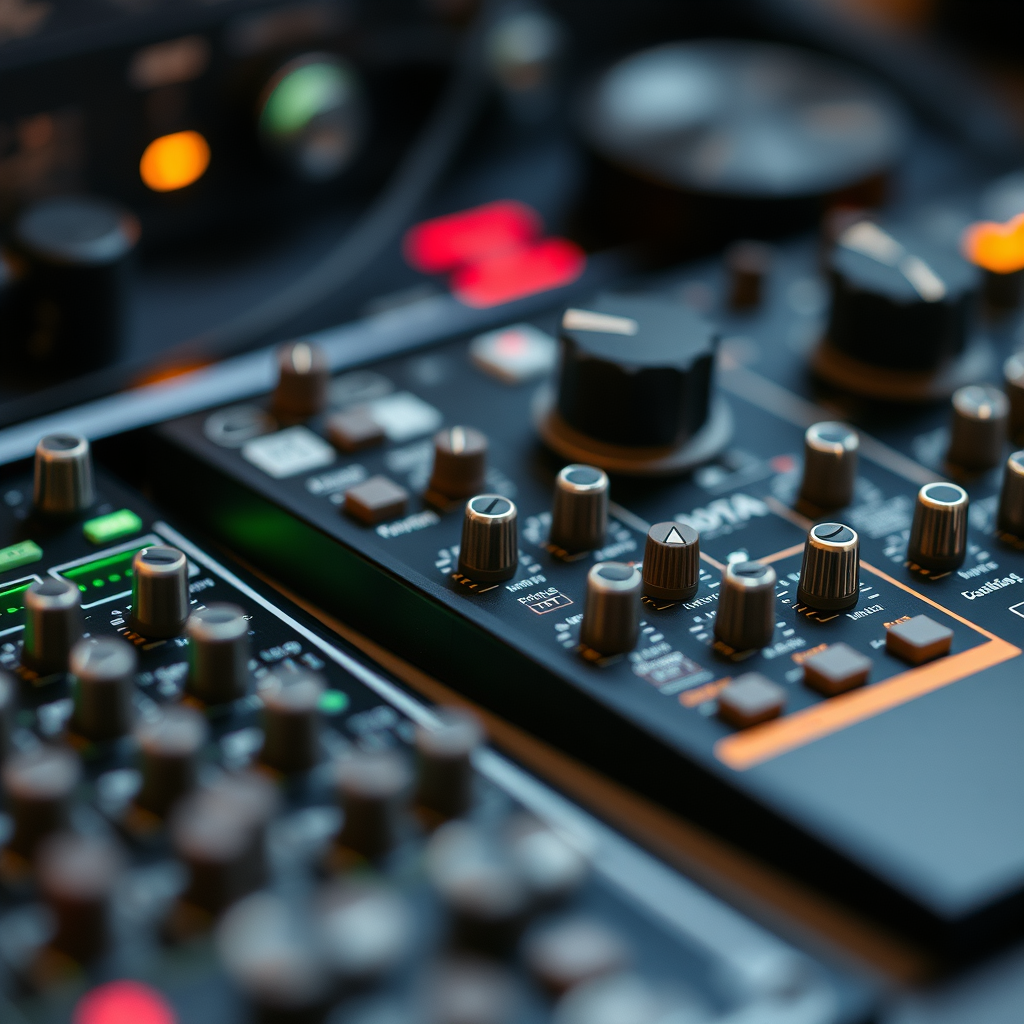
A well-rounded audio system consists of several critical components that work together to deliver high-quality sound.
Studio Monitors
Studio monitors are perhaps the most vital component of any audio system. Unlike consumer speakers, which may enhance certain frequencies to make music sound better, studio monitors are designed to provide a flat frequency response. This feature allows producers and engineers to hear their mixes as they truly are, making adjustments according to the actual sound quality. Popular models include the Yamaha HS series, KRK Rokit series, and Genelec monitors, each offering varying degrees of precision and clarity.
Audio Interfaces
Another essential component is the audio interface, which acts as the bridge between your instruments or microphones and your computer. A good audio interface converts analog signals into digital data, ensuring that sound quality remains intact during recording and playback. Look for interfaces with high sample rates and bit depths, such as the Focusrite Scarlett series or Universal Audio Apollo, which are well-regarded in the industry for their sound fidelity and versatility.
Top Audio Systems for Music Studios
When selecting the best audio system for your music studio, it’s essential to consider various brands and models based on features such as frequency response, power output, and connectivity options. Below are some of the top-rated audio systems currently available:
Top Audio Systems for Music Studios (2024)
| # | Model | Frequency Response | Power Output | Connectivity |
|---|---|---|---|---|
| 1 | Yamaha HS8 | 38Hz – 30kHz | 75W | XLR, TRS |
| 2 | KRK Rokit 5 G4 | 43Hz – 40kHz | 55W | XLR, TRS |
| 3 | Genelec 8010A | 67Hz – 25kHz | 50W | XLR, TRS |
| 4 | Focal Alpha 65 Evo | 40Hz – 22kHz | 70W | XLR, TRS |
| 5 | IK Multimedia iLoud Micro Monitors | 55Hz – 20kHz | 50W | XLR, TRS, RCA |
| 6 | Presonus Eris E5 XT | 48Hz – 20kHz | 80W | XLR, TRS |
Setting Up Your Audio System
Setting up your audio system properly is vital for achieving the best sound quality. Begin by positioning your studio monitors at ear level, forming an equilateral triangle with your listening position. This arrangement helps to create an accurate stereo image.
Additionally, pay attention to your room’s acoustics. Use acoustic panels or bass traps to minimize reflections and absorption, enhancing the overall sound quality.
Cable management is also essential; ensure that all wiring is neat and organized, as this can help reduce interference and signal degradation. Opt for high-quality cables to maintain the integrity of your audio signals.
Maintenance Tips for Audio Systems
To ensure longevity and peak performance of your audio system, regular maintenance is crucial. Start by cleaning dust and debris from your equipment using a soft, dry cloth. Avoid using liquid cleaners, as they can damage the components.
Perform routine checks on your cables and connections to ensure everything is functioning correctly. If you encounter issues such as distortion or dropouts, troubleshoot by checking for loose connections or faulty cables. Regularly updating your software and drivers can also resolve many common audio issues.
Budgeting for Your Audio System
When budgeting for your audio system, it’s essential to consider your needs and the quality of equipment you wish to invest in. Audio systems can range from entry-level setups costing a few hundred dollars to professional-grade systems that can exceed several thousand.
Expect to pay more for higher-quality components, as they often deliver better sound fidelity and durability. However, it’s worth noting that investing in quality equipment can yield better results in your productions, potentially saving you money in the long run by reducing the need for upgrades.
Future Trends in Audio Technology
As technology continues to evolve, so does the audio industry. Emerging technologies such as immersive audio formats and advanced digital signal processing (DSP) are shaping the future of audio systems. Additionally, AI-driven tools for sound manipulation and mastering are becoming increasingly sophisticated, enabling more creative possibilities for music producers.
Staying informed about these trends will not only enhance your studio experience but may also provide opportunities for innovation in your work.
Selecting the best audio system for your music studio requires careful consideration of your specific needs, essential components, and budget. By following the insights provided in this article, you’ll be well-equipped to make informed decisions that enhance your music production experience. Now, take the next step and start researching the audio systems that fit your studio’s requirements!
Frequently Asked Questions
What are the key components of a high-quality audio system for music studios?
A high-quality audio system for music studios typically includes studio monitors, an audio interface, microphones, and digital audio workstation (DAW) software. Studio monitors provide accurate sound reproduction, while an audio interface converts analog signals to digital. High-quality microphones capture sound effectively, and a reliable DAW allows for recording and editing music seamlessly.
How do I choose the right studio monitors for my music studio?
When choosing studio monitors, consider the size of your studio and the frequency response of the monitors. Look for monitors that offer a flat frequency response to ensure accurate sound reproduction, as this will help you mix your music effectively. Additionally, consider the power of the monitors and whether they are active or passive; active monitors have built-in amplifiers, making them easier to set up.
Why is an audio interface important for a music studio?
An audio interface is crucial for a music studio because it serves as the bridge between your instruments and your computer. It converts analog signals from microphones and instruments into digital format, ensuring high-quality sound capture. A good audio interface also minimizes latency, allowing for real-time monitoring and recording, which is essential for a smooth workflow in music production.
What is the best microphone type for recording vocals in a studio?
The best microphone type for recording vocals in a studio is typically a large-diaphragm condenser microphone. These microphones are known for their sensitivity and ability to capture a wide frequency range, making them ideal for vocal performances. Additionally, they often provide a warm sound that enhances the richness of vocal recordings, ensuring professional-quality outcomes.
Which digital audio workstation (DAW) is recommended for beginners in music production?
For beginners in music production, Ableton Live and GarageBand are highly recommended digital audio workstations (DAWs). Ableton Live offers a user-friendly interface and robust features for both recording and live performances, while GarageBand is great for Mac users looking for a free and intuitive option. Both DAWs provide essential tools for creating, editing, and mixing music, making them perfect for newcomers to the field.
References
- Recording studio
https://en.wikipedia.org/wiki/Music_studio - Google Scholar Google Scholar
https://scholar.google.com/scholar?q=Best+Audio+Systems+for+Music+Studios - https://www.sciencedirect.com/topics/engineering/audio-engineering
https://www.sciencedirect.com/topics/engineering/audio-engineering - Vapour undersaturation in primitive mid-ocean-ridge basalt and the volatile content of Earth’s up…
https://www.nature.com/articles/nature01073 - Google Scholar Google Scholar
https://scholar.google.com/scholar?q=audio+systems+for+music+production - https://www.bbc.com/future/article/20200127-how-to-record-a-great-sounding-music-album
https://www.bbc.com/future/article/20200127-how-to-record-a-great-sounding-music-album - https://www.theguardian.com/music/2020/jun/18/how-to-build-a-studio-at-home
https://www.theguardian.com/music/2020/jun/18/how-to-build-a-studio-at-home - https://www.nytimes.com/2020/04/07/technology/home-studio-music.html
https://www.nytimes.com/2020/04/07/technology/home-studio-music.html - https://pubmed.ncbi.nlm.nih.gov/31384567/
https://pubmed.ncbi.nlm.nih.gov/31384567/ - https://www.britannica.com/art/music-production
https://www.britannica.com/art/music-production