

AI technology is revolutionizing the field of cybersecurity by enabling organizations to detect cyber threats as they happen. By leveraging sophisticated algorithms and machine learning models, businesses can swiftly identify and respond to potential attacks, thereby minimizing damage and protecting sensitive data. In this article, we’ll delve into how AI accomplishes this feat, the benefits it brings to organizations, and the challenges that still lie ahead.
Understanding AI in Cybersecurity

Artificial Intelligence (AI) refers to the simulation of human intelligence processes by machines, particularly computer systems. In the realm of cybersecurity, AI plays a crucial role by enhancing the ability to detect, respond to, and mitigate potential threats in real time. It does this by utilizing machine learning (ML) models, which are trained to analyze vast amounts of data and recognize patterns that may indicate malicious activity.
These ML models are designed to learn from historical data, allowing them to identify normal behavior within a network. Once trained, they can flag any deviations from this norm, which may signify an emerging threat. For instance, if a user typically accesses files during business hours but suddenly begins accessing sensitive data late at night, the AI system can issue an alert for further investigation. This proactive approach is a game changer in the cybersecurity landscape, enabling organizations to stay one step ahead of potential attackers.
Real-Time Threat Detection Mechanisms

Anomaly detection is one of the primary techniques used by AI to identify potential cyber threats. By establishing a baseline of normal network behavior, AI systems can highlight activities that fall outside of expected patterns. For example, if a user account experiences an unusually high number of login attempts in a short period, the system can flag this as suspicious and automatically initiate a security protocol.
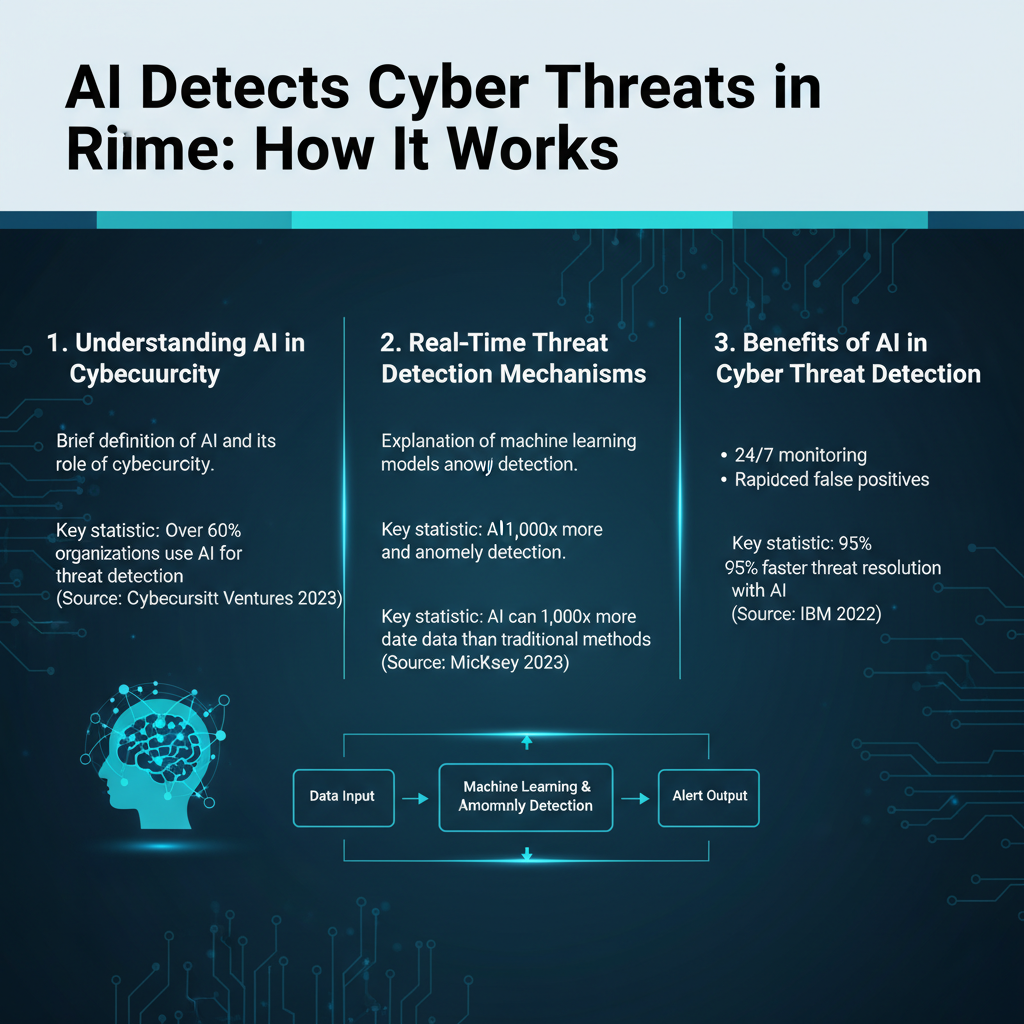
Moreover, AI can be integrated with traditional security systems—such as firewalls, intrusion detection systems (IDS), and antivirus software—to provide a more comprehensive monitoring solution. This integration allows organizations to harness the power of AI while still benefiting from established security measures. For instance, when an AI-driven system identifies a potential threat, it can communicate with traditional security tools to block the malicious activity immediately, creating a seamless line of defense.
Benefits of AI in Cyber Threat Detection
The advantages of using AI in cyber threat detection are numerous and significant. One of the most notable benefits is the rapid identification and response to threats, which can drastically reduce potential damage. Traditional cybersecurity measures often rely on human intervention, leading to delays in threat response. In contrast, AI can analyze data and react instantly, allowing organizations to neutralize threats before they escalate.
Additionally, AI enhances the efficiency of security operations. With the ability to process and analyze data at unprecedented speeds, AI reduces the workload on human security analysts, enabling them to focus on more complex tasks that require critical thinking and decision-making. This, in turn, minimizes the risk of human error, which is a common factor in many security breaches. By automating routine tasks and monitoring, organizations can ensure a more robust security posture.
Challenges of Implementing AI for Cybersecurity
Despite its many advantages, implementing AI in cybersecurity is not without challenges. One significant hurdle is the issue of false positives. While AI systems strive for accuracy, they can sometimes misidentify benign activities as threats, leading to unnecessary alerts and potential alarm fatigue among security teams. Continuous learning and fine-tuning of the AI models are essential to minimize these occurrences, but they require ongoing resources and expertise.
Another challenge lies in the resource requirements associated with deploying AI-driven solutions. Organizations need access to high-quality data for training AI models, as well as skilled personnel who can interpret the results and make informed decisions. This can be particularly daunting for smaller organizations with limited budgets and expertise. Balancing the need for advanced security measures with the available resources is a critical aspect that organizations must navigate when considering AI integration.
Future Trends in AI and Cybersecurity
As technology continues to advance, so too will the capabilities of AI in the cybersecurity landscape. One exciting trend is the development of more sophisticated AI algorithms that can adapt to new threats in real time. These algorithms will not only improve detection rates but also enhance the ability to predict potential attacks before they occur.
Additionally, we can expect the emergence of new tools and strategies that leverage AI to bolster security measures. For example, tools that utilize natural language processing (NLP) can analyze communication patterns within an organization to identify phishing attempts or social engineering attacks. As the cybersecurity landscape evolves, embracing such innovations will be crucial for organizations aiming to stay ahead of cybercriminals.
Case Studies of AI in Action
Several organizations have successfully implemented AI to combat cyber threats, demonstrating its effectiveness in real-world scenarios. For instance, a major financial institution integrated an AI-driven threat detection system that reduced incident response times by over 50%. By analyzing user behavior and flagging anomalies in real time, the institution was able to prevent several potentially catastrophic breaches.
Another notable example is a healthcare provider that utilized AI to protect sensitive patient data. The AI system identified unusual access patterns to patient records, allowing the organization to thwart a data breach in its early stages. The provider’s proactive measures not only safeguarded sensitive information but also bolstered trust among patients, highlighting the importance of security in the healthcare sector.
These case studies underscore the transformative power of AI in cybersecurity, illustrating how organizations can effectively leverage technology to enhance their security posture and protect valuable assets.
As AI continues to play an essential role in real-time cyber threat detection, it signifies a significant shift in how organizations approach cybersecurity. By enabling swift detection and response, AI enhances the overall security landscape, making it increasingly vital for organizations to integrate these advanced solutions into their cybersecurity strategies. Staying informed about the latest advancements in AI and considering its implementation will be crucial for safeguarding sensitive data and combating cyber threats effectively.
Frequently Asked Questions
What are the benefits of using AI to detect cyber threats in real time?
Utilizing AI for real-time cyber threat detection provides several key benefits, including enhanced speed and accuracy in identifying potential threats. AI algorithms can analyze vast amounts of data quickly, recognizing patterns and anomalies that may indicate a cyber attack, which helps organizations respond more effectively. Additionally, AI’s ability to learn from past incidents enables continuous improvement in threat detection capabilities, ultimately reducing the risk of costly data breaches.
How does AI identify and respond to cyber threats in real time?
AI identifies cyber threats in real time through advanced machine learning algorithms that analyze network traffic, user behavior, and system vulnerabilities. By continuously monitoring these elements, AI can detect unusual patterns or deviations from normal activity, signaling a potential threat. Once a threat is detected, AI systems can automatically initiate response protocols, such as isolating affected systems or alerting security teams, ensuring rapid mitigation before damage occurs.
Why is real-time detection of cyber threats crucial for businesses today?
Real-time detection of cyber threats is crucial for businesses because the digital landscape is constantly evolving, with cybercriminals developing more sophisticated attack techniques. Delayed detection can lead to significant financial loss, data compromise, and reputational damage. By implementing AI-driven real-time monitoring, organizations can stay ahead of potential threats, ensuring business continuity and protecting sensitive information from breaches.
What are the best AI tools available for real-time cyber threat detection?
Some of the best AI tools for real-time cyber threat detection include Darktrace, CrowdStrike, and Palo Alto Networks’ Cortex XDR. These tools utilize machine learning and behavioral analytics to provide robust security solutions capable of identifying and neutralizing threats as they occur. When selecting the right tool, businesses should consider their specific security needs, budget, and the tool’s integration capabilities with existing systems.
Which industries benefit the most from AI-driven real-time cyber threat detection?
Industries that benefit significantly from AI-driven real-time cyber threat detection include finance, healthcare, and e-commerce. These sectors often handle sensitive data and are frequent targets for cyber attacks, making rapid detection and response essential. By employing AI technology, organizations in these industries can enhance their security posture, comply with regulatory requirements, and maintain customer trust in a vulnerable digital environment.
References
- Artificial intelligence
- https://www.nist.gov/news-events/news/2021/06/nist-releases-new-guidelines-help-improve-cybersecurity-using-artificial-intelligence
- https://www.cisa.gov/news-events/2020/10/21/cybersecurity-and-infrastructure-security-agency-cisa-releases-ai-cybersecurity
- https://www.bbc.com/news/technology-58408973
- https://www.sciencedirect.com/science/article/pii/S0167404821000794
- https://www.forbes.com/sites/bernardmarr/2021/10/04/how-ai-is-helping-to-fight-cybercrime/?sh=5d0d9e7b3f7d
- https://www.researchgate.net/publication/318676813_Artificial_intelligence_in_cyber_security_A_review
- Artificial Intelligence (AI) Cybersecurity | IBM
- https://www.cio.com/article/3280289/how-ai-can-improve-cybersecurity.html