
The implementation of green data centers is crucial for reducing carbon emissions in today’s digital landscape. By utilizing energy-efficient technologies and sustainable practices, these data centers significantly lower their environmental impact while still meeting the growing demands for data storage and processing. In this article, we will explore how green data centers contribute to a more sustainable future.
The Importance of Green Data Centers
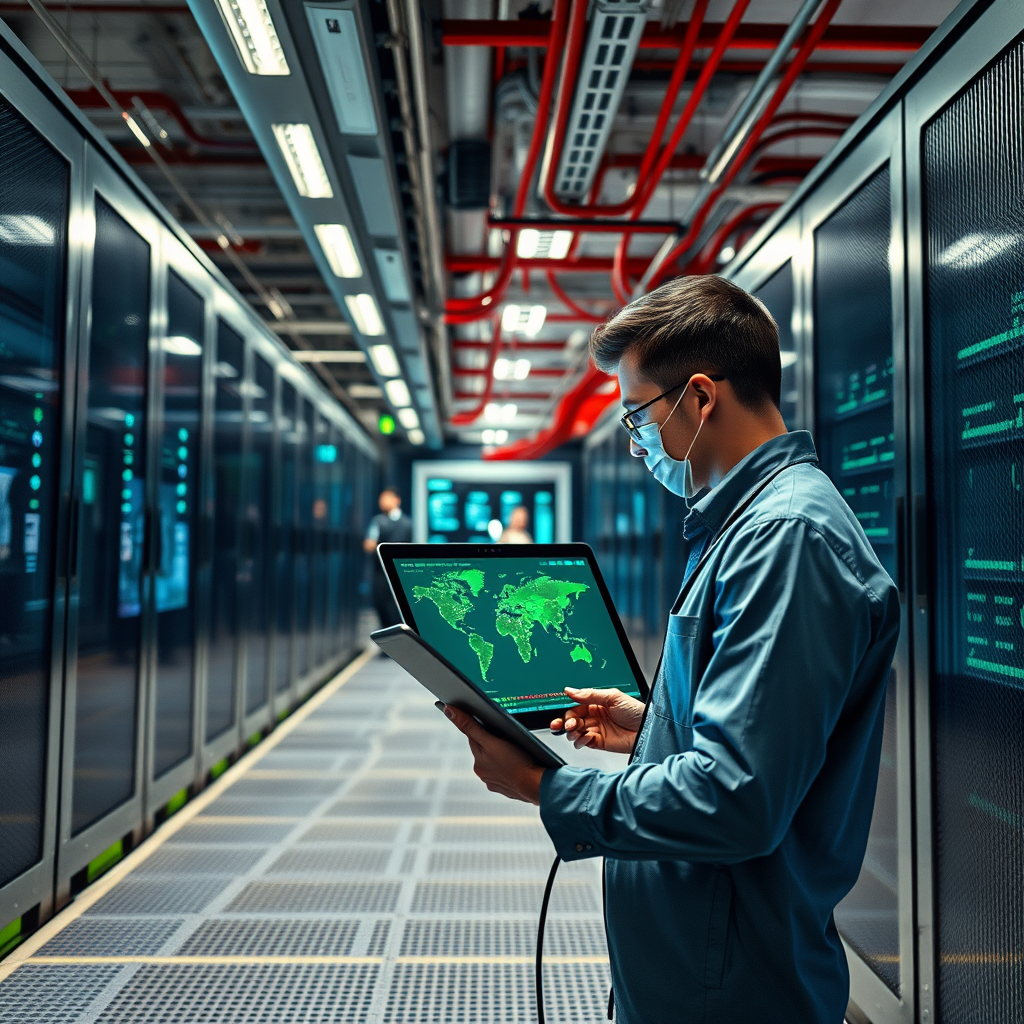
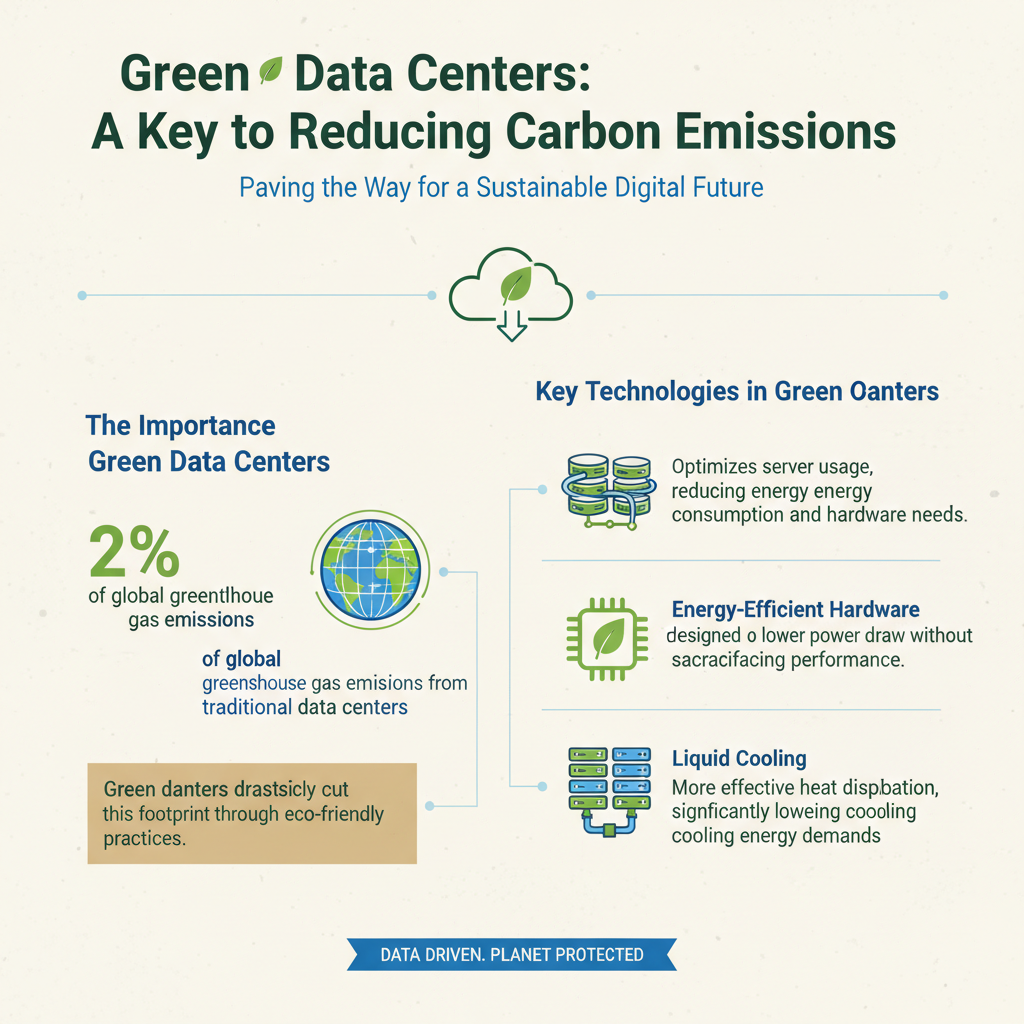
Green data centers play a pivotal role in the fight against climate change by effectively lowering greenhouse gas emissions. As our reliance on digital services continues to grow, the energy consumption of traditional data centers has skyrocketed, leading to a significant increase in carbon footprints. Green data centers address this by implementing innovative technologies and sustainable practices that not only minimize energy use but also optimize resource management.
Moreover, adopting green practices aligns with corporate sustainability goals, enhancing brand reputation. Companies recognized for their environmental efforts often enjoy increased customer loyalty and a competitive edge in the marketplace. Consumers today are more conscious of the environmental impact of their choices, and businesses that showcase their commitment to sustainability are likely to foster trust and attract eco-minded customers.
Key Technologies in Green Data Centers
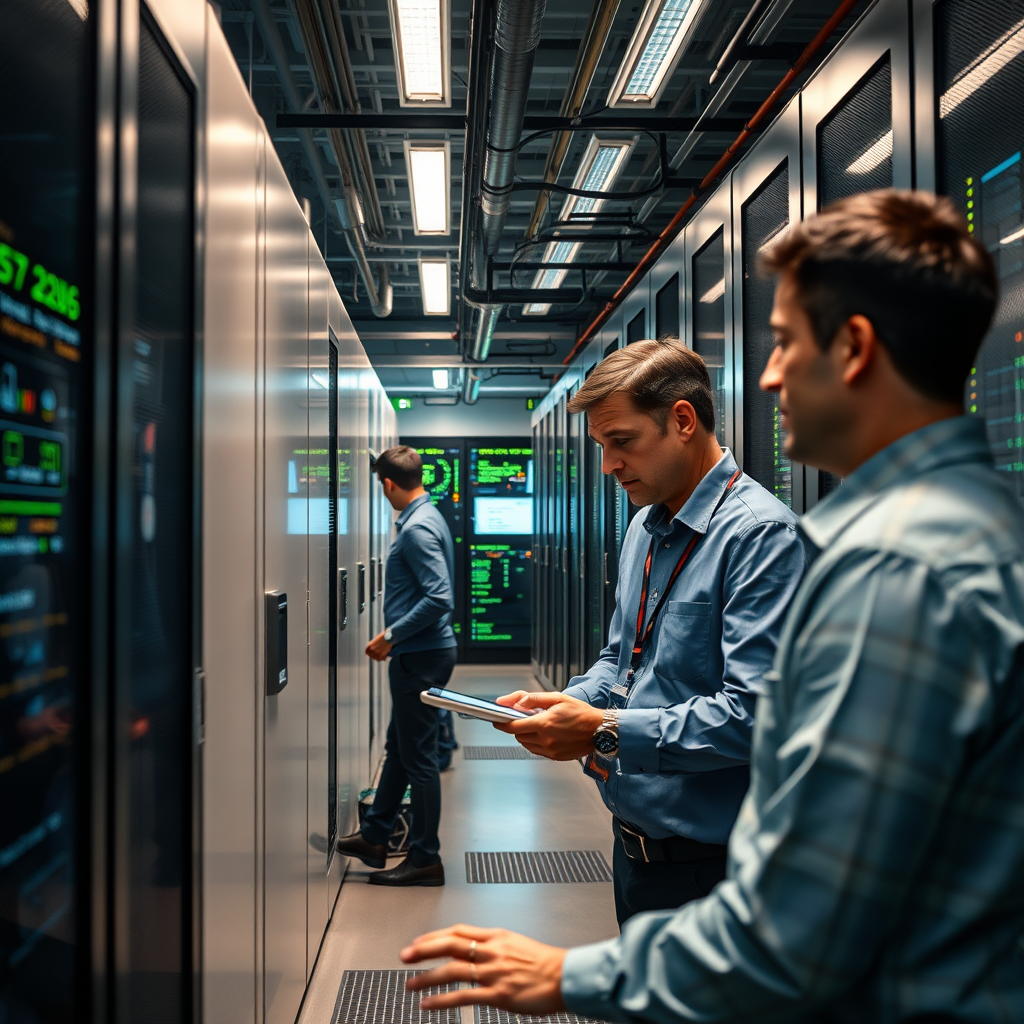
To achieve their eco-friendly objectives, green data centers leverage a variety of energy-efficient technologies. One of the most effective methods is using high-efficiency servers and storage solutions. These advanced systems are designed to consume less power while delivering the same, if not better, performance. For example, companies like Dell and HP have made significant strides in producing energy-efficient hardware that can reduce power consumption by up to 50%.
Another critical aspect is the implementation of advanced cooling techniques. Traditional air conditioning systems can be energy-intensive, but newer methods, such as liquid cooling, significantly reduce energy needs for temperature control. Liquid cooling utilizes water to carry heat away more efficiently than air, resulting in lower energy consumption and enhanced cooling performance. This approach not only helps in reducing electricity usage but also extends the lifespan of hardware by maintaining optimal operating temperatures.
Renewable Energy Sources
A cornerstone of green data centers is their commitment to renewable energy sources. Many of these facilities harness solar, wind, or hydroelectric power to meet their energy needs. For instance, Google has invested heavily in renewable energy projects, signing contracts to power their data centers with 100% renewable energy. This commitment not only reduces reliance on fossil fuels but also lowers their overall carbon footprint significantly.
On-site energy generation, such as solar panels installed on rooftops, allows data centers to generate their own power and minimize dependency on the grid. This not only enhances energy security but also makes financial sense in the long run as the costs of renewable technologies continue to decline. By choosing renewable energy sources, businesses can take substantial strides toward achieving net-zero emissions.
Energy Management Practices
Implementing smart energy management practices is key to optimizing energy usage in green data centers. These systems utilize real-time data to monitor energy consumption, identify inefficiencies, and suggest strategies for improvement. Companies like Schneider Electric have developed sophisticated energy management software that can analyze energy use patterns and recommend adjustments to enhance efficiency.
Regular audits and continuous monitoring are essential components of energy management. By routinely evaluating energy usage, data centers can pinpoint areas where consumption is higher than necessary and implement corrective measures. For example, simply adjusting the temperature settings of cooling systems based on real-time load can lead to significant energy savings. These practices not only promote sustainability but also help organizations save on operational costs.
Benefits Beyond Carbon Reduction
While the primary goal of green data centers is to reduce carbon emissions, the benefits extend well beyond environmental impacts. One of the most significant advantages is cost savings. By utilizing energy-efficient technologies and renewable energy sources, businesses can drastically reduce their energy bills. In fact, a study by the U.S. Department of Energy found that energy-efficient data centers can save up to 30% on energy costs.
Additionally, green data centers often experience enhanced performance and reliability. The use of advanced infrastructure and technology leads to improved system uptime and lower maintenance costs. For example, companies that invest in robust, energy-efficient cooling systems are less likely to experience hardware failures due to overheating, resulting in less downtime and increased productivity.
The Role of Regulations and Standards
Government regulations and industry standards play a crucial role in promoting the adoption of green practices in data centers. Many countries are implementing stringent regulations aimed at reducing carbon emissions, which encourages organizations to adopt more sustainable practices. Furthermore, industry standards such as those set by the Green Grid and the International Organization for Standardization (ISO) provide frameworks for assessing energy efficiency and sustainability in data centers.
Certifications like LEED (Leadership in Energy and Environmental Design) and Energy Star are not only badges of honor but also benchmarks for operational excellence. These certifications guide organizations in their sustainability journey and help them communicate their commitment to environmental responsibility to stakeholders.
Future Trends in Green Data Centers
The future of green data centers is bright, with exciting trends on the horizon. One such trend is the integration of artificial intelligence (AI) and machine learning (ML) into energy management systems. These technologies can analyze vast amounts of data and make real-time adjustments to optimize energy use, further enhancing efficiency.
Another emerging trend is the rise of modular data centers. These facilities are designed to be flexible and scalable, allowing organizations to expand their computing capacity as needed without a large upfront investment. Modular designs also minimize environmental impacts since they can be deployed in a more sustainable manner, reducing the overall carbon footprint of the data center.
As the demand for data continues to surge, embracing these innovations will be crucial for maintaining sustainability while meeting the needs of a digital society.
The adoption of green data centers is not just a trend but a necessary shift towards sustainable practices in the tech industry. By understanding and implementing the strategies discussed, businesses can significantly reduce their carbon emissions and contribute to a healthier planet. Embrace the green data center movement and take actionable steps towards sustainability today. Together, we can pave the way for a greener, more sustainable future!
Frequently Asked Questions
What are green data centers and how do they reduce carbon emissions?
Green data centers are facilities designed with energy efficiency and sustainability in mind, utilizing renewable energy sources, advanced cooling techniques, and efficient hardware. By optimizing power usage and reducing reliance on fossil fuels, these data centers minimize their carbon footprint, contributing to lower greenhouse gas emissions and promoting a more sustainable IT infrastructure.
How can businesses transition to a green data center?
Transitioning to a green data center involves several strategic steps, including evaluating current energy consumption, investing in energy-efficient hardware, and implementing renewable energy solutions such as solar or wind power. Additionally, companies should explore virtualization technologies to optimize resource usage and partner with green-certified data center providers to ensure sustainable practices are followed during the transition.
Why is it important for companies to invest in green data centers?
Investing in green data centers is crucial not only for environmental responsibility but also for long-term cost savings and compliance with increasing regulations on carbon emissions. As consumers and businesses alike prioritize sustainability, adopting green data centers can enhance a company’s brand reputation and competitiveness, while also contributing to global efforts to mitigate climate change.
What are the best practices for operating a green data center?
Best practices for operating a green data center include implementing efficient cooling systems like hot aisle/cold aisle containment, optimizing energy usage with advanced monitoring tools, and using server virtualization to maximize hardware utilization. Additionally, regularly reviewing and updating energy policies and pursuing certifications such as LEED can further enhance sustainability efforts and operational efficiency.
Which technologies are most effective in reducing emissions in data centers?
Several technologies are effective in reducing emissions in data centers, including advanced cooling solutions such as evaporative cooling and liquid cooling, energy-efficient server designs that minimize power consumption, and renewable energy sources like solar panels and wind turbines. Moreover, using AI-driven management systems can optimize energy usage and reduce waste, ensuring that data centers operate at peak efficiency while lowering their carbon footprint.
References
- Green data center
- https://www.epa.gov/greenbuilding/green-data-centers
- https://www.nature.com/articles/s41560-019-0401-5
- https://www.sciencedirect.com/science/article/pii/S1364032118302463
- Blog – IBM Research
- Cloud is now a core strategy — are you onboard? | CIO
- https://www.greenbiz.com/article/why-green-data-centers-are-critical-future-sustainability
- https://www.theguardian.com/environment/2020/mar/09/data-centres-carbon-footprint-sustainability
- https://www.energy.gov/oe/articles/green-data-centers-could-help-reduce-carbon-footprint
- https://www.datacenterdynamics.com/en/news/the-green-data-center-movement-explained/