
Setting up a waterproof outdoor sound system is all about choosing the right equipment, ensuring proper placement, and integrating smart technology for seamless enjoyment. With the right approach, you can create an outdoor audio experience that not only sounds fantastic but also withstands the unpredictable nature of the elements. In this guide, we’ll explore essential steps and considerations that will help you achieve a durable and high-quality sound setup for your outdoor space.



Choosing the Right Equipment
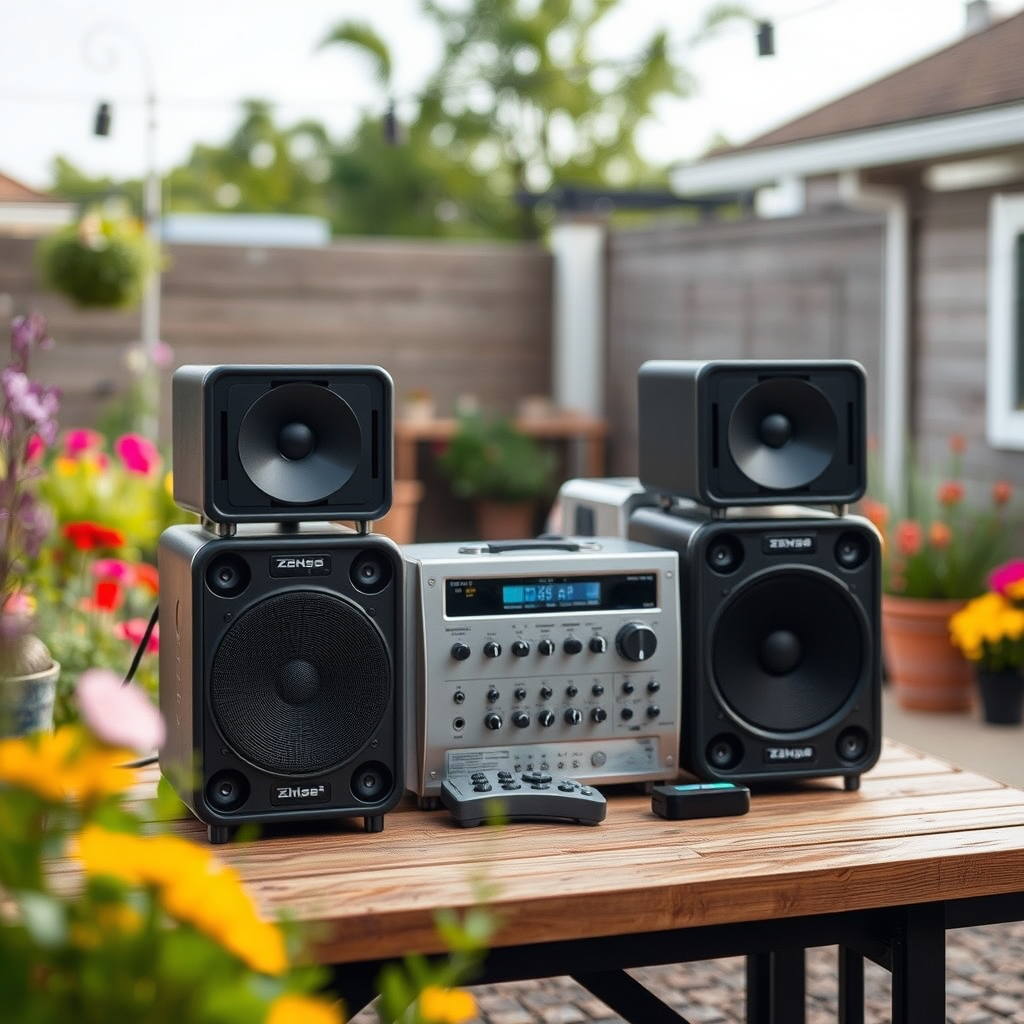
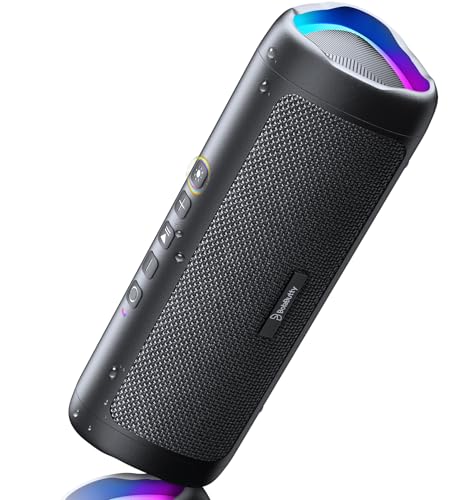
When it comes to outdoor sound systems, the first step is selecting waterproof speakers that are specifically designed for outdoor use. Look for models with an IP rating, such as IP65 or higher, which indicates solid protection against water and dust. Brands like Polk Audio and Bose offer excellent outdoor speakers that combine durability with impressive sound quality.
In addition to speakers, consider weather-resistant amplifiers or receivers that can operate effectively in various environmental conditions. Devices with a sealed chassis and corrosion-resistant components will ensure longevity in your setup. For example, the Sonos Amp is a popular choice for outdoor audio, providing robust power while being able to endure outdoor conditions.
Placement and Installation
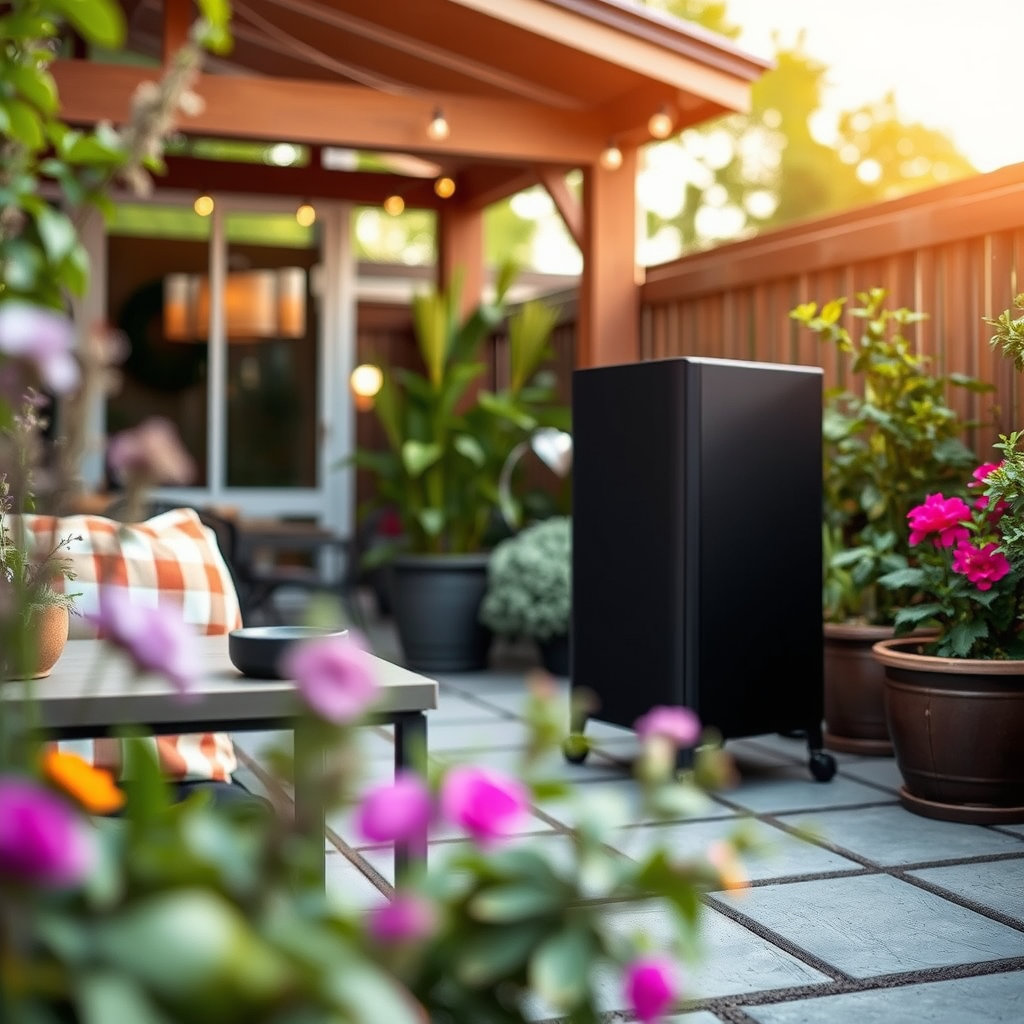
Placement is key to optimizing sound distribution and protecting your equipment. Start by identifying locations that are slightly sheltered from direct exposure to rain, wind, and debris, such as under eaves or a covered patio. This not only enhances sound quality but also prolongs the lifespan of your gear.
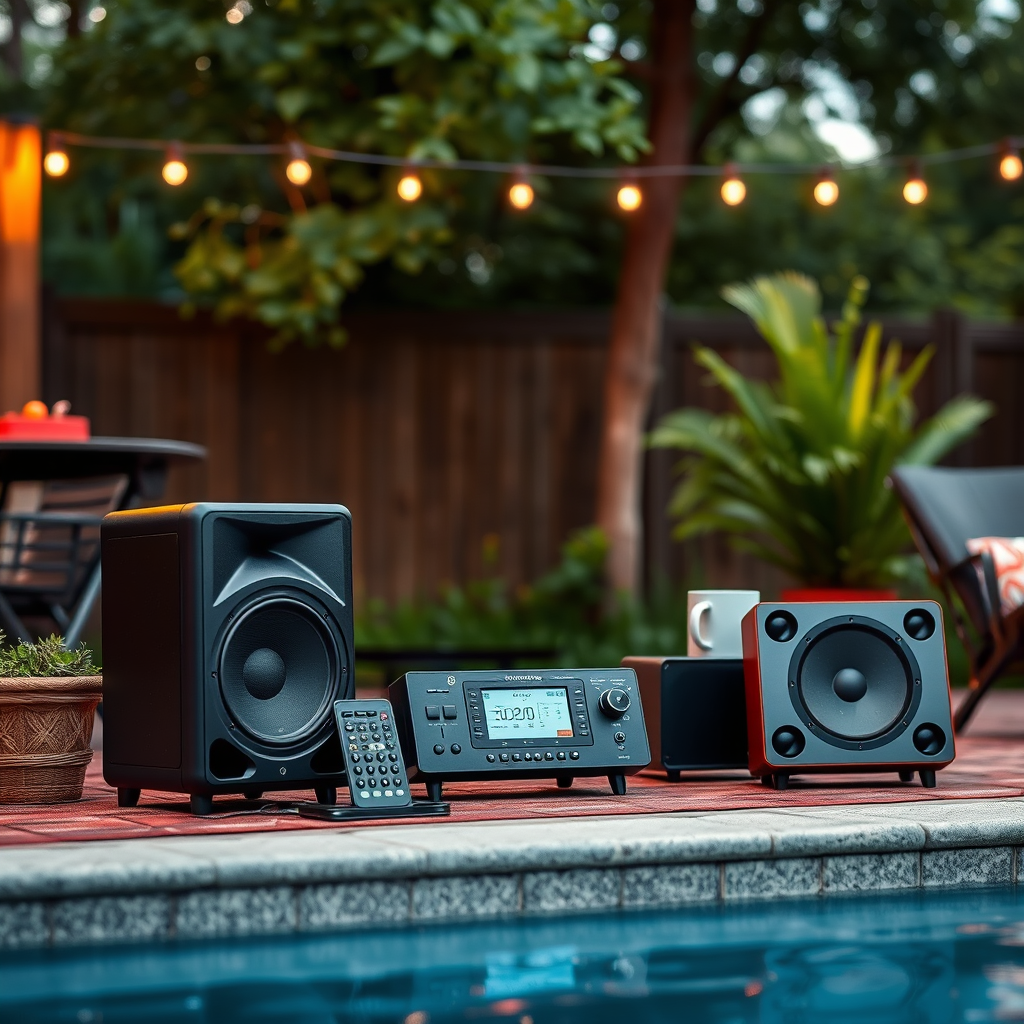
Once you’ve pinpointed the ideal spots, use brackets and mounts to securely install your speakers. Ensure that they are positioned high enough to avoid water pooling underneath but at an angle that allows for optimal sound projection. Remember to avoid locations directly around water features, like pools or fountains, which could increase the risk of moisture damage.
Wiring Considerations
Wiring is another critical aspect of setting up a waterproof outdoor sound system. Always opt for outdoor-rated cables that are designed to resist moisture and UV damage. These cables are typically made with materials that withstand the elements, ensuring your system remains reliable over time.
When planning your wiring layout, minimize exposure by keeping cables as sheltered as possible. Use conduits where necessary to protect wiring that runs along exterior walls or in areas prone to heavy rain. This proactive approach can save you from potential issues down the line, letting you enjoy your outdoor sound system without worry.
Power Supply Solutions
Powering your outdoor sound system safely is paramount. One option to consider is solar-powered solutions, which are not only energy-efficient but also eliminate the risks associated with traditional outdoor electrical setups. Brands like SunBrite offer solar-powered speakers that blend functionality with sustainability, making them ideal for environmentally conscious users.
For traditional power sources, ensure all connections are weatherproof. Utilizing GFCI (Ground Fault Circuit Interrupter) outlets is a wise choice, as they automatically cut off power in case of a fault, providing an extra layer of safety. Always consult with a licensed electrician if you are uncertain about the installation of outdoor power sources.
Integration with Smart Technology
In today’s digital age, integrating smart technology into your outdoor sound system adds convenience and enhances the user experience. Look for speakers and amplifiers that offer Wi-Fi or Bluetooth capabilities, allowing you to control your system remotely from your smartphone or tablet.
For a truly seamless experience, ensure compatibility with smart home devices. Systems that work with Amazon Alexa or Google Assistant allow you to control your music with voice commands, making it easy to change playlists or adjust volume without needing to reach for your device. Moreover, some outdoor speakers, like the JBL Charge 5, come with built-in voice assistants, taking your outdoor audio experience to the next level.
Testing and Maintenance
Regular testing and maintenance are key to keeping your outdoor sound system performing at its best. Conduct sound checks after installation and periodically thereafter to ensure everything is functioning properly. Adjust settings as needed to enhance sound quality based on the outdoor environment and the type of music you’re playing.
Cleaning and inspecting your equipment periodically can also make a significant difference. Remove debris, dust, and moisture buildup from your speakers and connections to prevent corrosion. If you notice any signs of wear or damage, address them promptly to avoid more extensive repairs later on.
Maintaining a waterproof outdoor sound system is crucial for achieving the best audio experience while safeguarding your investment. By following these steps, you can create a reliable setup that enhances your outdoor gatherings. For more tips and detailed product recommendations, explore our comprehensive guides or contact a professional installer. Enjoy the music, and let your outdoor spaces come alive with sound!
Frequently Asked Questions
What equipment do I need to set up a waterproof outdoor sound system?
To create a waterproof outdoor sound system, you’ll need several key components: weatherproof speakers, an outdoor amplifier, and a reliable audio source such as a smartphone or Bluetooth receiver. Additionally, consider using outdoor-rated cables and connectors to protect against moisture, along with a power source that can withstand outdoor conditions. Investing in high-quality, waterproof gear is crucial for durability and sound quality.
How do I choose the best waterproof speakers for my outdoor sound system?
When selecting waterproof speakers for your outdoor sound system, look for models with an IP (Ingress Protection) rating of at least IP65 or higher, indicating they are resistant to dust and water. Consider factors such as sound quality, size, and mounting options to fit your outdoor space. It’s also beneficial to read customer reviews and check for warranties to ensure you are getting a reliable product that meets your needs.
Why is it important to use an outdoor-rated amplifier for my sound system?
Using an outdoor-rated amplifier is essential because it is designed to withstand harsh weather conditions, including rain, humidity, and extreme temperatures. Outdoor amplifiers often feature protective casings and better ventilation to prevent overheating, which can enhance the longevity and performance of your sound system. Choosing the right amplifier ensures consistent sound quality and minimizes the risk of equipment failure in outdoor settings.
How can I protect my outdoor sound system from weather damage?
To protect your outdoor sound system from weather damage, ensure all components are rated for outdoor use and install them in sheltered locations whenever possible. Use weatherproof covers for speakers and amplifiers, and consider mounting equipment at least a few feet off the ground to avoid flooding. Regularly check connections and cables for wear and tear, and disconnect power during severe weather to prevent electrical damage.
Which installation method is best for a waterproof outdoor sound system?
The best installation method for a waterproof outdoor sound system typically involves either surface mounting or in-ground installation, depending on your specific environment and aesthetic preferences. Surface mounting is great for easy access and flexibility, while in-ground installations can offer a more discreet look and protect equipment from the elements. Ensure that all wiring is appropriately buried or secured and follow manufacturer guidelines for optimal sound coverage.
References
- Sound system
- https://www.acoustics.org/press/2020/07/02/five-steps-to-a-successful-outdoor-sound-system/
- https://www.asa.org/technical-committees/outdoor-sound.html
- https://www.cnet.com/tech/home-entertainment/how-to-set-up-an-outdoor-sound-system/
- https://www.soundonsound.com/techniques/outdoor-sound-system-design
- https://www.nssl.noaa.gov/education/safety/outdoor/
- https://www.bbc.com/future/article/20200205-how-to-design-a-sound-system-for-outdoor-venues
- https://www.audioholics.com/how-to-articles/outdoor-sound-system-setup-tips
