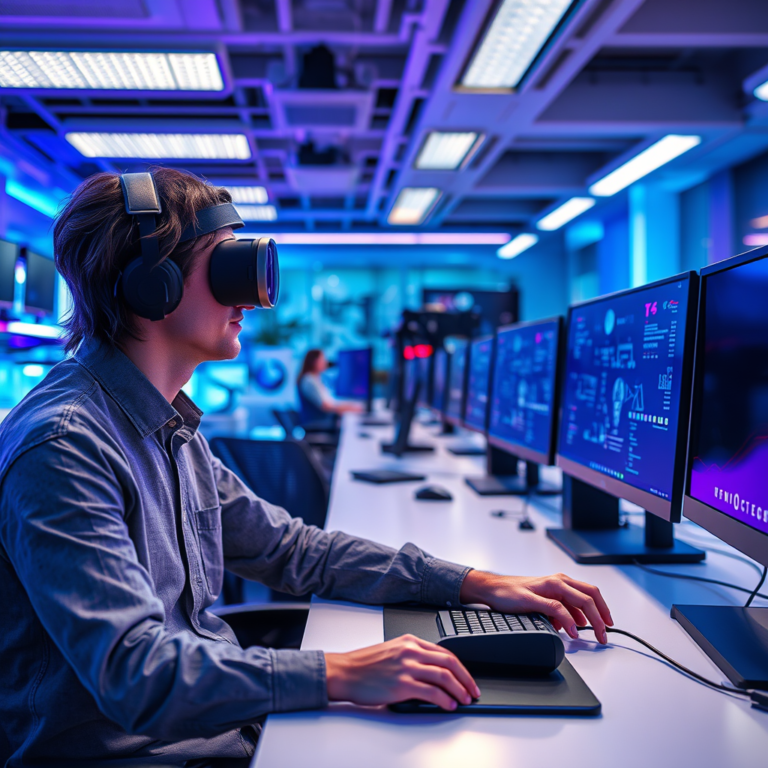
Volumetric video recording captures three-dimensional representations of live events, enabling viewers to experience them as if they were part of the action. This cutting-edge technology uses multiple cameras to create a 3D model, allowing for immersive viewing from any angle. In this article, we’ll explore the steps involved in volumetric video recording, its applications across various industries, and the innovative technology that makes it all possible.
Understanding Volumetric Video

Volumetric video is a revolutionary approach to capturing and displaying live events in three dimensions. Unlike traditional video recording methods that provide a flat, two-dimensional view, volumetric video allows for a fully immersive experience. This means that viewers can move around and see the event from different angles, much like they would if they were physically present. The significance of this technology in the digital landscape cannot be overstated; as audiences increasingly seek more engaging and interactive content, volumetric video stands out as a solution that meets those demands.
The advantages of volumetric video over traditional methods are profound. For instance, while traditional video can often feel flat and distant, volumetric video creates a sense of presence. This can enhance storytelling and emotional engagement, allowing audiences to connect with the content on a deeper level. In applications ranging from live concerts to sports events and immersive theater, volumetric video is changing the way we experience entertainment.
The Technology Behind Volumetric Video

The magic of volumetric video lies in the sophisticated technology that supports it. At its core, volumetric video utilizes a setup of multiple high-resolution cameras strategically positioned around the event space. These cameras capture footage from various angles simultaneously. Additionally, depth sensors play a crucial role in this process, measuring the distance between the camera and the subjects, which allows for the creation of accurate 3D models.
Depth sensing technology is a game-changer in volumetric video. By measuring the spatial dimensions of objects in real-time, these sensors enable the construction of a three-dimensional representation that can be manipulated during playback. This technology not only captures the appearance of the subjects but also their positions in space, making the viewing experience more dynamic and engaging. Advanced algorithms then process this data to stitch together the footage into a cohesive 3D model that can be rendered for different viewing platforms.
Capturing Live Events with Volumetric Video
Setting up for a live event recording using volumetric video involves careful planning and execution. The first step is to determine the layout of the camera array, ensuring that every angle of the performance or event is covered. This often requires collaboration with event planners and technical teams to ensure optimal placement of cameras and depth sensors.
However, capturing dynamic environments presents unique challenges. Variable lighting conditions, fast movement, and changing angles can complicate the recording process. To mitigate these issues, crews may implement advanced lighting solutions and ensure that participants are aware of their positions relative to the cameras. Additionally, rehearsals can help identify potential problems before the live event, ensuring a smooth recording process.
Despite these hurdles, the results can be astounding. Volumetric video allows for the capturing of intricate details that traditional methods might miss, such as the fluid movements of a dancer or the enthusiastic expressions of a sports crowd. This level of detail enhances the final product and delivers a truly immersive experience for viewers.
Processing and Rendering Volumetric Video
Once the live event has been captured, the next critical phase is processing and rendering the volumetric video. This involves a robust post-production workflow where the captured footage is stitched together to create a seamless 3D experience. Specialized software plays a crucial role in this process, requiring powerful algorithms to align the footage from different cameras and eliminate any inconsistencies.
During this phase, the depth information gathered from sensors is integrated with the video footage to create a fully realized 3D model. The rendering process can be resource-intensive, often requiring significant computing power. However, the end result is worth the effort; viewers are treated to a polished, high-quality immersive experience that feels both real and engaging.
Moreover, the advancements in rendering technology mean that viewers can access these immersive experiences through various platforms, such as VR headsets, AR devices, or even standard screens, depending on how the content is intended to be consumed. The versatility of volumetric video makes it adaptable for various formats and audiences.
Applications of Volumetric Video in Live Events
The applications of volumetric video in live events span a wide range of industries. In the entertainment sector, concerts and theatrical performances can be transformed into immersive experiences, allowing fans to feel as though they are on stage with their favorite artists. For example, a live concert can be recorded in volumetric video, allowing fans to experience the event from multiple viewpoints, as if they were dancing alongside the performers.
Sports events also benefit significantly from this technology. Fans can relive key moments from a game from various angles, enhancing their understanding and enjoyment of the sport. Imagine watching a crucial goal from the perspective of the player, or experiencing a game-winning touchdown from the sidelines.
Moreover, volumetric video can extend beyond traditional forms of entertainment. Educational institutions are exploring how to use this technology for interactive learning experiences, allowing students to explore historical events or scientific phenomena in a virtual space. This interactive capability not only engages audiences but also fosters deeper learning and retention.
Future Trends in Volumetric Video
The future of volumetric video technology is incredibly promising. As advances in hardware and software continue to evolve, we can expect to see even more sophisticated applications of this technology. Predictions suggest that volumetric video will play a pivotal role in the realms of virtual reality (VR) and augmented reality (AR), creating more immersive experiences that blur the lines between the digital and physical worlds.
In the realm of live streaming, volumetric video could revolutionize how events are broadcasted, allowing remote audiences to participate as if they were physically present. This can lead to a more engaged and interactive viewer experience, where audiences can choose their perspectives and interact with the content in real-time.
Moreover, as 5G technology becomes more prevalent, the ability to stream high-quality volumetric video will improve, reducing latency and enhancing the viewing experience. This will open the door for even broader adoption across various sectors, making volumetric video a staple in our digital lives.
The rise of volumetric video recording is transforming how live events are experienced, providing audiences with immersive, interactive viewing options. As this technology continues to advance, it opens up new possibilities for content creation and audience engagement. By incorporating volumetric video into your next event, you can elevate the experience and create lasting memories for your audience. Embrace the future of entertainment and engagement with volumetric video technology today!
Frequently Asked Questions
What is volumetric video recording and how does it differ from traditional video recording?
Volumetric video recording captures a three-dimensional representation of a scene or subject, allowing viewers to experience it from multiple angles, unlike traditional video recording which captures a flat, two-dimensional perspective. This technology utilizes an array of cameras and depth sensors to create a 3D model, enabling immersive experiences that can be viewed in virtual or augmented reality environments.
How does volumetric video technology work for live events?
Volumetric video technology for live events employs multiple synchronized cameras placed around the performance area to record the action from various angles simultaneously. The gathered footage is processed in real-time using advanced algorithms to create a 3D volumetric representation, which can then be streamed to viewers, allowing them to interactively explore the event as if they were physically present.
Why should event organizers consider using volumetric video recording for their events?
Event organizers should consider volumetric video recording because it enhances audience engagement by providing a more immersive experience compared to standard live streaming. This technology allows remote viewers to experience events in a more interactive way, potentially increasing attendance, reach, and viewer satisfaction, thus maximizing the event’s impact and value.
What are the best practices for implementing volumetric video recording at live events?
The best practices for implementing volumetric video recording at live events include thorough pre-event planning, such as determining optimal camera placement to capture the action from all angles, and ensuring high-quality equipment is used for recording. Additionally, it’s crucial to test the technology beforehand, train staff on the system, and consider how the 3D content will be delivered to the audience, whether through VR headsets or compatible devices.
Which industries are most likely to benefit from volumetric video recording for live events?
Industries such as entertainment, sports, education, and corporate events are most likely to benefit from volumetric video recording. In entertainment, it enhances concerts and performances; in sports, it provides fans with unique viewing angles; in education, it allows for immersive learning experiences; and in corporate events, it can facilitate remote participation and engagement, making it a versatile solution across various sectors.
References
- Volumetric capture
- https://www.sciencedirect.com/science/article/pii/S1077314521001954
- https://www.wired.com/story/what-is-volumetric-video/
- https://www.npr.org/2021/05/18/996593199/what-is-volumetric-video-and-why-is-it-the-future-of-entertainment
- https://www.microsoft.com/en-us/research/project/volumetric-video/
- https://www.itu.int/en/ITU-T/focusgroups/imm/Pages/default.aspx
- https://www.bbc.com/future/article/20210128-how-volumetric-video-will-change-the-way-we-watch-sport
- https://www.researchgate.net/publication/335712061_Volumetric_Video_for_Live_Events