
The future of AI-powered real-time virtual makeup effects is promising, as it transforms the beauty industry by providing users with innovative, personalized experiences. This cutting-edge technology enables instant makeup application simulations, making it easier for individuals to explore their creativity and enhance their daily routines. As we delve deeper into this fascinating world, we will explore the advancements driving this phenomenon, its applications in the beauty industry, how it enhances user experience, the challenges it faces, future trends to watch, and its impact on traditional makeup practices.
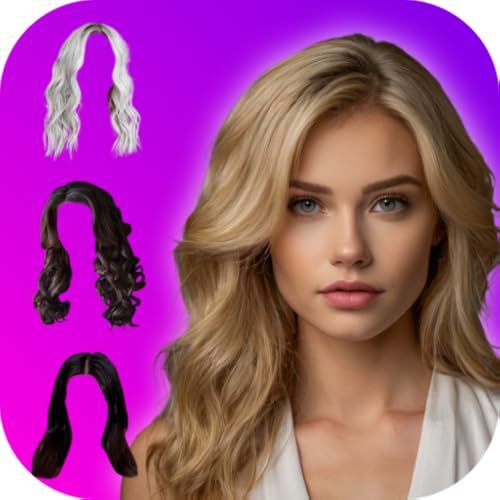
- Try on 100+ virtual hairstyles instantly.
- Experiment with dozens of new hair colors.
- Adjust hair for a realistic, perfect fit.

Advancements in AI Technology

The advancements in AI technology are remarkable and have significantly changed how we perceive and apply makeup. AI algorithms are becoming increasingly sophisticated, allowing for incredibly realistic skin tone matching and texture replication. This means that users can see how a particular shade of lipstick or foundation will look on their unique skin tone before they even purchase it. For instance, brands like L’Oréal and Estée Lauder are leveraging AI to create virtual try-on experiences that are not only visually appealing but also highly accurate.
Moreover, machine learning plays a pivotal role in personalizing the virtual makeup experience. By analyzing user data and preferences, these systems can learn and adapt to individual styles, creating tailored makeup looks that resonate with each person’s unique identity. Imagine an app that remembers your favorite lipstick shades or suggests new products based on your past choices! This level of personalization is revolutionizing how consumers interact with beauty brands, making the experience more engaging and satisfying.

Applications in the Beauty Industry

AI-powered virtual makeup effects are finding their way into various applications within the beauty industry, predominantly enhancing the online shopping experience through virtual try-on features. E-commerce platforms, like Sephora and Ulta, are integrating augmented reality (AR) technology that allows customers to try on makeup products virtually before making a purchase. This feature not only enhances customer confidence in their buying decisions but also reduces the likelihood of returns, benefiting both consumers and retailers.
Additionally, beauty brands are harnessing the power of social media by utilizing AR filters that enable users to apply makeup virtually while sharing their looks with friends. Brands like MAC Cosmetics and Maybelline have successfully launched campaigns featuring interactive filters on platforms like Instagram and Snapchat, creating a fun and immersive way for customers to engage with their products. This innovative approach promotes brand awareness and drives sales by turning makeup application into a social experience.
Enhancing User Experience
One of the most significant advantages of AI-powered virtual makeup effects is the ability for users to experiment with various makeup styles without the need for physical products. This not only saves time and resources but also encourages users to step out of their comfort zones and try new looks. For example, someone might want to experiment with bold eyeshadows or vibrant lip colors that they wouldn’t typically consider. With virtual makeup applications, users can easily explore these options without the fear of making a costly mistake.
Furthermore, the real-time feedback feature is a game-changer. Users can adjust their looks instantly, which fosters creativity and experimentation. Instead of applying makeup and waiting to see the final result, individuals can see changes in real-time, allowing them to play with combinations and styles until they find their perfect look. This interactive experience not only enhances user satisfaction but also helps build a deeper connection between consumers and brands.
Challenges and Considerations
Despite the many advantages, the rise of AI-powered virtual makeup effects also brings several challenges and considerations. One of the primary concerns revolves around the ethical implications of portraying beauty standards. The potential for unrealistic expectations can lead to feelings of inadequacy among users, especially when algorithms promote certain beauty ideals that may not represent the diversity of beauty in reality. This is a critical conversation that brands need to engage in, ensuring that their virtual makeup tools empower users rather than diminish their self-esteem.
Additionally, data privacy issues are a significant consideration in the age of digital transformation. As virtual makeup applications collect user information and preferences, there is a responsibility to ensure that this data is handled securely and ethically. Users should feel confident that their personal information is protected and used only to enhance their experience. Brands must be transparent about how they use data, fostering trust and respect among their user base.
Future Trends to Watch
Looking ahead, we can expect to see increased collaboration between technology companies and beauty brands to create more advanced and immersive experiences. As AI technology continues to evolve, the integration of sophisticated features, such as skin analysis and personalized recommendations based on user behavior, will become more prevalent. For example, imagine a virtual makeup app that not only suggests products but also provides skincare tips based on your skin type and concerns.
Another exciting trend is the rise of virtual influencers who promote AI-powered beauty solutions. These digital personas are already gaining traction on platforms like Instagram, and they offer brands a unique way to connect with audiences. By blending the lines between reality and digital artistry, these influencers could redefine how beauty is marketed, making the virtual makeup experience even more relatable and engaging.
Impact on Traditional Makeup Practices
The integration of AI-powered virtual makeup effects may lead to a shift in consumer behavior, with more users opting for virtual makeup over traditional methods. As consumers become accustomed to the convenience and instant gratification that virtual try-ons offer, they may find themselves less reliant on physical products. This shift could redefine the makeup purchasing experience, prompting brands to focus on digital-first strategies to capture their audience’s attention.
Moreover, there are opportunities for professionals in the makeup industry to incorporate AI tools into their artistry. Makeup artists can leverage virtual makeup applications to showcase their skills, allowing clients to visualize potential looks before committing to a specific style. This not only enhances the service they provide but also positions them as forward-thinking professionals who embrace technology in their practice.
The integration of AI-powered real-time virtual makeup effects is set to revolutionize how we interact with beauty products. As technology continues to evolve, consumers can expect more personalized and engaging experiences that blend the digital and physical worlds. Embrace these innovations to stay ahead in the beauty game, and remember that the future of beauty is as limitless as your imagination!
Frequently Asked Questions
What are AI-powered real-time virtual makeup effects and how do they work?
AI-powered real-time virtual makeup effects are advanced digital tools that use artificial intelligence to simulate makeup applications on users’ faces in real-time. They leverage algorithms and computer vision to analyze facial features and apply various makeup styles, such as foundation, lipstick, and eyeshadow, directly onto video or live images. This technology allows users to experiment with different looks without physically applying makeup, enhancing the online and virtual shopping experience.
How can I use AI-powered virtual makeup effects for my business?
Businesses can integrate AI-powered virtual makeup effects into their platforms to enhance customer engagement and drive sales. By offering customers the ability to try on makeup virtually, brands can reduce product returns and increase satisfaction. Additionally, using these tools in social media marketing campaigns can create interactive and shareable content, attracting more users and fostering brand loyalty.
Why are virtual makeup effects becoming popular in the beauty industry?
Virtual makeup effects are gaining popularity in the beauty industry due to their convenience and the rise of e-commerce. As consumers increasingly shop online, the ability to try on products virtually helps them make informed purchasing decisions. This technology offers a fun, interactive experience, reduces the risk of buying unsuitable products, and aligns with the growing trend of personalization in beauty, making it a valuable tool for brands and consumers alike.
What are the best platforms for experiencing AI-powered virtual makeup effects?
Some of the best platforms for experiencing AI-powered virtual makeup effects include apps like YouCam Makeup, L’Oreal’s Makeup Genius, and Sephora’s Virtual Artist. These platforms provide a wide range of makeup options and user-friendly interfaces that allow users to experiment with various looks. Additionally, many beauty brands are now incorporating these effects into their websites and social media, providing even more opportunities for users to interact with makeup products virtually.
Which technologies are driving advancements in real-time virtual makeup effects?
Advancements in computer vision, machine learning, and augmented reality are driving the development of real-time virtual makeup effects. Machine learning algorithms help improve the accuracy of makeup application simulations by continuously learning from user interactions and preferences. Augmented reality enhances the realism of these effects, allowing users to see how different makeup products will look on their faces as they move, thus providing a more immersive and engaging experience.
References
- Artificial intelligence visual art
- https://www.sciencedirect.com/science/article/pii/S1877050919310155
- https://www.nytimes.com/2023/01/10/style/makeup-technology.html
- https://www.bbc.com/news/technology-56983786
- https://www.theguardian.com/technology/2022/oct/17/ai-beauty-apps-makeup-virtual-reality
- https://www.wired.com/story/ai-makeup-virtual-reality/
- https://www.ncbi.nlm.nih.gov/pmc/articles/PMC7381041/
- https://www.aaai.org/ojs/index.php/aimagazine/article/view/12353
