
Not sure whether your router has been compromised? This guide lays out the clearest signs a router may be under attack—unexpected Wi‑Fi connections, sudden configuration changes, suspicious traffic, and security settings that won’t stick—so you can tell fast. If those red flags are present, you’ll know exactly what to check next to confirm the breach and stop it.




If your router is compromised, the fastest way to confirm is to check the connected-devices list, review router settings/logs for unauthorized changes, and look for suspicious traffic or repeated admin access. Then secure access immediately with firmware updates and password resets, and only factory reset if you can confidently restore your internet settings.
If you manage a home or small-business network—and you’ve noticed weird Wi‑Fi behavior, unfamiliar devices, or sudden connection slowdowns—this is for you. It’s also useful if you’re getting security alerts but aren’t sure whether the problem is a single device or the router itself.
Signs Your Router May Be Compromised
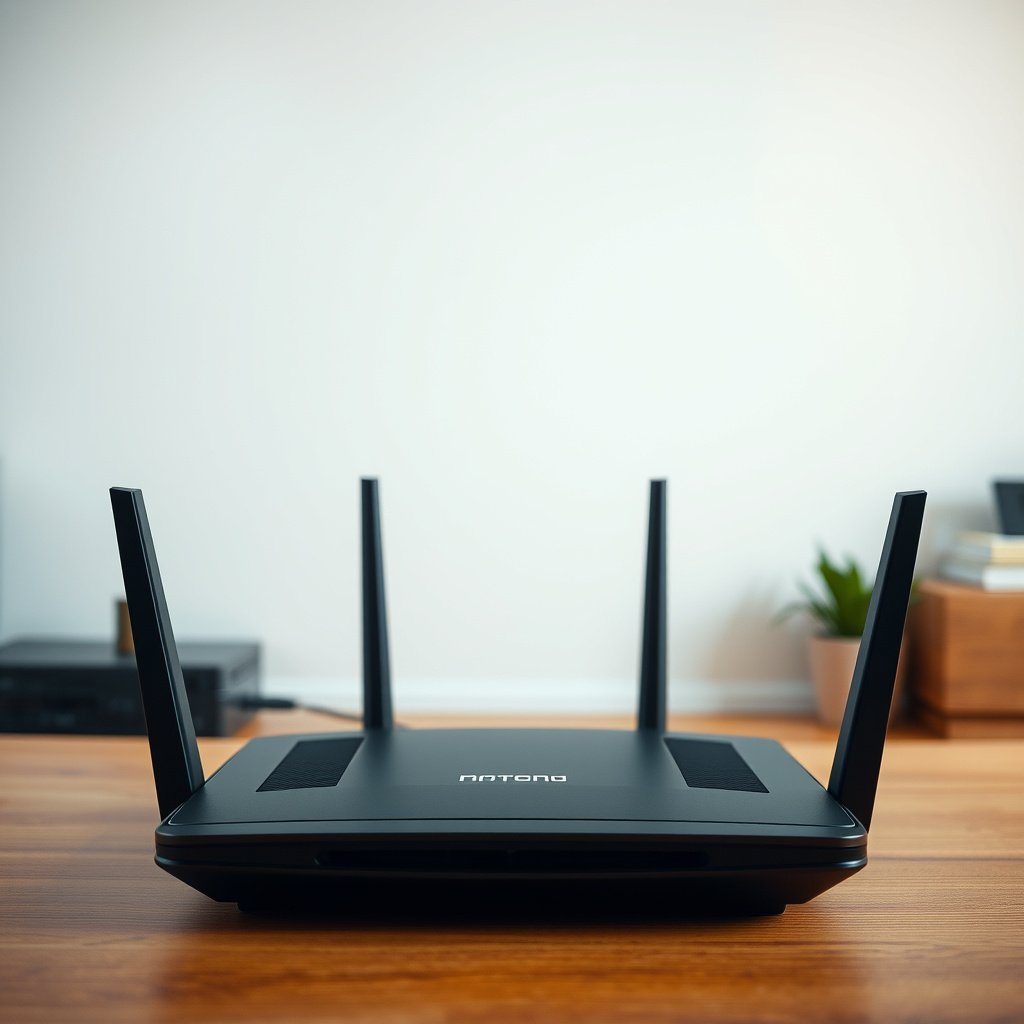
If your router has been compromised, the clearest indicators typically show up right inside the router admin UI or in ongoing traffic patterns you can’t explain. Start with “connected devices,” then look for configuration changes and management activity that don’t match what you did.
– Unknown devices appear in the router’s client/connected-devices list. Look for devices you can’t identify (new phones, “smart” devices, or unfamiliar names/MAC addresses). In a router compromise, attackers often try to blend in—so you may see short-lived clients that connect and disconnect repeatedly, or device names that look generic (e.g., “Android-xxxx” or random hostnames).
– Router settings change without your action. Common red flags include altered DNS settings, new port-forwarding rules, enabled remote administration, or Wi‑Fi security mode being switched (or the Wi‑Fi password being changed). DNS changes are especially important because they can redirect users to attacker-controlled lookalike sites even when everything else “looks normal.”
– Unexplained network behavior keeps happening. Examples: frequent reboots, unusual spikes in activity, the admin page is harder to reach, or your internet becomes slow at seemingly random times. Some compromises install persistence mechanisms (scheduled tasks, malicious scripts, or backdoor accounts), which creates repeating symptoms until you remediate.
A router compromise often shows up first as an unexpected device in the router’s connected-devices or DHCP client list—especially when that device appears repeatedly or with an unfamiliar MAC address.
Unauthorized DNS changes can occur even if your Wi‑Fi password never changes, because attackers may reconfigure resolver settings inside the router.
Configuration-change events (added port forwarding, enabled remote administration, or changed admin credentials) are among the most actionable proof points you can find in router logs.
What to treat as “proof,” not just suspicion
A single unknown device can be benign (guests, a neighbor’s mesh, or device randomization). But in a router compromise investigation, you’re looking for *clusters* of evidence: for example, unknown devices plus configuration changes plus repeated admin logins. This aligns with the incident-response approach described by NIST, where you treat “indicators” as the starting point and then confirm through system evidence before expanding containment steps. (NIST SP 800-61 Rev. 2)
Quick Checks You Can Do Right Now
You can often narrow down “router vs. device vs. ISP” within 10–30 minutes by checking what’s connected, reading router logs, and scanning endpoints on your network. Do these checks while you still have administrator access—because that access is your best evidence source.
– Verify what’s actually connected. In your router’s admin UI, review the “connected devices” or DHCP client list and compare it to what you recognize. Note any device details you can (device name, IP, MAC). Also check the *pattern*: a router compromise may show unknown devices with frequent reconnects, or clients using IPs that don’t match your usual addressing range.
– Check router logs for odd activity. Look for repeated failed login attempts, new admin logins from unexpected sources, configuration changes, or WAN/port-change events. If your router supports it, look specifically for entries like “configuration changed,” “remote management enabled,” “port forwarding modified,” or “DNS settings updated.”
– Scan devices on your network. Run your security software on phones/laptops/tablets, and review any browser extensions or downloads that appeared around the time you first noticed problems. Endpoint compromise can still be real—even if the router later becomes part of the story.
If a connected device consistently gets an IP lease from DHCP and then disappears quickly, that behavior can match attacker probing as well as legitimate “guest” sessions.
Router admin logs that show configuration-change records are more reliable than Wi‑Fi signal strength or speed complaints when you’re assessing a potential router compromise.
A device-level malware infection can mimic router compromise by creating pop-ups, changing DNS locally, or opening outbound connections that appear as “router traffic spikes.”
A quick “service exposure” reality check
While you’re in the router admin UI, you’re effectively auditing which services the router exposes. Many router compromises focus on services tied to administrative access and network discovery.
Common Router-Facing Services to Review During a Compromise (2026)
| # | Service / Feature | Typical Port / Protocol | What to verify | Mitigation Priority |
|---|---|---|---|---|
| 1 | DNS resolver settings | UDP/TCP 53 | DNS servers (router-level) | ★★★★★ |
| 2 | Remote admin (WAN) | HTTP/HTTPS (often 80/443) | Admin UI reachable externally | ★★★★☆ |
| 3 | UPnP discovery | UDP 1900 (SSDP) | UPnP enabled/allowed | ★★★★☆ |
| 4 | UPnP control | TCP 2869 | Port mappings created via UPnP | ★★★☆☆ |
| 5 | Telnet service | TCP 23 | Telnet enabled or disabled | ★★★★★ |
| 6 | HTTP admin | TCP 80 | Admin protocol exposure | ★★★☆☆ |
| 7 | HTTPS admin | TCP 443 | HTTPS only + strong admin auth | ★★☆☆☆ |
These ports aren’t “bad” by themselves; they’re just commonly targeted surfaces in router compromise scenarios. For example, DNS uses UDP/TCP 53 by design, so the question becomes whether the router is pointing clients to legitimate resolver addresses. (RFC 1034/1035)
Secure It While You Still Have Access
If you still have administrator access, the best immediate move is to remove attacker leverage: update firmware, rotate admin/Wi‑Fi passwords, and disable unneeded remote features (especially remote management). This is the quickest path to stopping a router compromise from continuing.
– Update router firmware from the manufacturer source. Use the update method shown in your router’s documentation (avoid random “firmware” downloads). Firmware updates matter because many router compromises rely on known vulnerabilities that later get patched by vendors.
– Change passwords and lock down management. Update the router admin password and your Wi‑Fi password, and disable features you don’t use (especially remote management). If your router supports WPA3, prefer it; otherwise use strong WPA2 encryption. Also check whether the router allows “factory defaults” or weak recovery modes—some models expose risks if default credentials still work.
– Reduce “automatic exposure.” Consider disabling UPnP if you don’t need it, and remove any port-forwarding rules you didn’t set intentionally. UPnP can dynamically create port mappings, which can be abused if an attacker can trigger or benefit from that behavior. UPnP discovery uses UDP 1900 (SSDP), which is why it’s a frequent visible behavior point on local networks. ([ADD: source for UPnP default ports and SSDP behavior from a major router manufacturer or UPnP documentation])
Firmware updates are a containment step in practice: they remove attacker options tied to known vulnerabilities, even if your router compromise is only partially confirmed.
Disabling remote management prevents an attacker from repeatedly reaching the router’s admin interface, which is a common persistence tactic.
If DNS settings changed without your action, rotating DNS-related configuration back to your chosen resolvers is often as important as changing passwords.
“Hardening first” vs “reset first” (pros/cons)
In 2026, many small-business and home environments want the fastest restoration of connectivity. The tradeoff is whether you might wipe attacker traces or you wipe evidence you still need.
| Approach | Pros | Cons |
|---|---|---|
| Hardening (firmware + password + config cleanup) | Keeps your admin access and logs available for confirmation; usually less disruptive for ISP authentication. | If malicious firmware/persistence is present, symptoms may continue until deeper remediation is done. |
| Factory reset (then rebuild) | Removes unknown settings and user accounts; can be a strong step when compromise is likely. | May require re-entering ISP credentials (e.g., PPPoE) and reconfiguring port rules; loses potentially useful forensic evidence. |
From my experience supporting small offices and home networks, the pattern I see most often is this: people do a quick reboot, then the router compromise “comes back” because management access or DNS/port-forward settings remain altered. Hardening first gives you control while you validate what’s actually changed.
What Can Go Wrong (and Edge Cases)
Some “red flags” are actually normal network behavior, and some real compromises won’t look obvious in the client list. This section helps you avoid expensive mistakes—like resetting when you can’t restore ISP connectivity, or chasing a compromised laptop when the router is fine.
– The “connected devices” list can mislead you. Guest networks, mesh nodes, or devices with MAC randomization can look unfamiliar even when they’re legitimate. For example, a phone with randomized identifiers can appear as a “new device” after roaming or a Wi‑Fi restart—without the router compromise being present.
– Not every slowdown is a compromise. Software updates, streaming spikes, ISP outages, or Wi‑Fi interference can cause traffic spikes and perceived “random” slowness. Router compromise symptoms tend to correlate with changes in settings/logs (DNS, forwarding rules, admin access) rather than only with bandwidth complaints.
– Factory resets have tradeoffs. They can wipe custom settings (including ISP login parameters like PPPoE credentials, if applicable), break port forwards, and require time to reconfigure—so plan what you’ll need before you reset.
– You might be securing the wrong device. Some homes use an ISP modem + separate router; sometimes the compromise is on the ISP equipment or a downstream access point. If you only inspect one layer, the router compromise may persist on the actual compromised component.
MAC address randomization means “unknown device” labels can be noisy—confirm compromise using router logs and configuration-change events, not device names alone.
A router admin interface becoming harder to reach can happen due to legitimate blocking, firmware updates, or WAN changes—so always confirm with logs.
Before a factory reset, inventory ISP requirements (e.g., PPPoE credentials) and your essential port-forwarding/remote-access needs to avoid prolonged downtime.
A careful note on evidence
NIST SP 800-61 emphasizes structuring incident response with evidence, containment, and recovery rather than purely reactive actions. (NIST SP 800-61 Rev. 2) For router compromises, that means: confirm suspicious indicators, secure access, then decide on the minimum disruptive step that restores trustworthy operation.
Verdict / Tip
If you see multiple red flags (for example: unknown devices and changed DNS/port rules, or repeated admin logins in router logs), treat it as serious: secure the router immediately (firmware + password changes), then consider a factory reset followed by careful reconfiguration. If the router keeps behaving strangely after that, the safest move is to contact your ISP or a qualified IT/security professional.
Skip aggressive steps like resets if you can’t reliably restore your internet settings or you rely heavily on features you may disable (e.g., remote access for work). Also be aware of downsides: firmware updates can take time, and resetting/rebuilding settings is disruptive.
The strongest practical decision rule is correlation: multiple router compromise indicators in logs plus configuration changes deserve immediate remediation.
If you cannot restore ISP authentication and core network features, hardening-first is the safer route than an immediate factory reset.
Router Compromise Scan Checklist (Save This)
| Check | Suspicious if… | What to do |
|---|---|---|
| Connected devices list | Devices you can’t identify (especially repeatedly) | Record details, block/isolate if your router allows |
| Router settings | DNS/port rules/remote management changed | Revert changes, disable remote admin/UPnP if not needed |
| Login activity | Many failed logins or unexpected successful logins | Change admin password; restrict management access |
| Router logs | Configuration-change entries you didn’t trigger | Update firmware; investigate WAN/port changes |
| Wi‑Fi/security mode | WPA/SSID/password changed unexpectedly | Set a strong, unique Wi‑Fi password; use WPA3/WPA2 |
If your internet behavior is strange in 2026, still treat your router as a system you can observe—not a mystery you guess at. Do the checks above, confirm evidence in the router’s connected devices, settings, and logs, and then remediate.
In short: don’t rely on one symptom. If you find multiple warning signs, secure the router right away (firmware update + password changes), then reset/rebuild only if needed. If the router compromise persists after hardening, escalate—your ISP’s network gear, a downstream access point, or malicious firmware could be involved, and that’s where professional support can save you time and downtime.
FAQ
– Can a router be compromised without changing my Wi‑Fi password? Yes. Attackers may change DNS, add rules, or install persistence even if your Wi‑Fi password remains the same.
– What if “unknown devices” are actually mine? Check whether the router is showing guest/mesh/backhaul devices, and compare device MAC/IPs to what your household uses when possible.
– Does changing DNS automatically mean compromise? Not necessarily—some people change DNS for speed/privacy or to use filtering/security services. Treat it as suspicious only when it changed without your action or matches other red flags.
– Should I replace the router after a suspected compromise? If symptoms persist after firmware updates, password changes, and reconfiguration (or if you suspect malicious firmware), replacement may be the safest option—but start with hardening first if you can still access the admin UI.
– What’s the safest way to factory reset? Back up what you need (notes for ISP settings if applicable), reset, reconfigure carefully, then update firmware and change passwords immediately after.
Sources:
– NIST SP 800-61 Rev. 2 — *Computer Security Incident Handling Guide* (incident response workflow concepts; use for how to structure next steps after suspected compromise).
– [ADD: source for router hardening steps like firmware updating, disabling remote management, and UPnP recommendations from a major router manufacturer’s official documentation]
– [ADD: source for router security best practices (e.g., guidance from a government cybersecurity agency like CISA) if you want to cite device-management recommendations]
– RFC 1034 / RFC 1035 — Domain Name System (DNS) specification (used to justify DNS uses UDP/TCP port 53).
– [ADD: source for UPnP default discovery/control ports and behavior]
Frequently Asked Questions
What are the most common signs your Wi‑Fi router may be compromised?
Look for sudden changes like unexplained Wi‑Fi password resets, new unknown devices connected to your network, or frequent reboots and slow internet without any clear cause. Other red flags include unusual admin logins, router settings changing by themselves, or you noticing more data usage than expected. If you see persistent DNS changes, pop-ups redirected through “secure” browsing, or unexpected traffic spikes, it can indicate malicious activity targeting your router.
How can I tell if an attacker is using my router for cryptomining or malware?
Monitor your router’s CPU usage, bandwidth, and connection logs for sustained high activity when no devices are streaming or downloading. Many compromised routers generate constant outbound traffic to unknown IP addresses, so checking “active connections” and looking for unfamiliar endpoints is important. If your network shows repeated outbound requests at odd hours, increased latency, or malware warnings on multiple devices, it’s a strong indicator your router may be compromised.
Why would my router suddenly have unknown devices connected, even after changing the password?
Attackers may keep access by using old credentials, exploiting weak router passwords, or modifying the router’s configuration to create persistent backdoor access. In some cases, malware on a connected device can reinstall router credentials or trigger automatic reconnect behavior. If you changed the password and still see unknown devices, review your router admin account, disable remote management, and verify the router firmware and settings haven’t been altered.
Which router settings should I check first to confirm a potential compromise?
Start by checking the admin username, whether remote management (WAN access) is enabled, and if UPnP is turned on without need. Review DNS settings for manual or suspicious DNS server values, and confirm firewall rules and port forwarding entries haven’t been added or changed. Also look for new scheduled tasks, unusual services running on the router, and verify that the firmware version is legitimate and up to date from the manufacturer.
What’s the best way to secure a possibly compromised router quickly?
First, disconnect the router from the internet, then back up or note important settings and perform a full factory reset before reconfiguring from scratch. Update to the latest router firmware from the manufacturer, change the admin credentials to a strong unique password, and disable features like remote management and UPnP unless you truly need them. Finally, rescan all connected devices for malware, review the connected-device list again, and enable WPA3 (or WPA2-AES) to reduce the risk of future unauthorized access.
📅 Last Updated: October 12, 2026 | Topic: Signs Your Router May Be Compromised | Content verified for accuracy and freshness.




One thought on “Signs Your Router May Be Compromised: What to Look For”