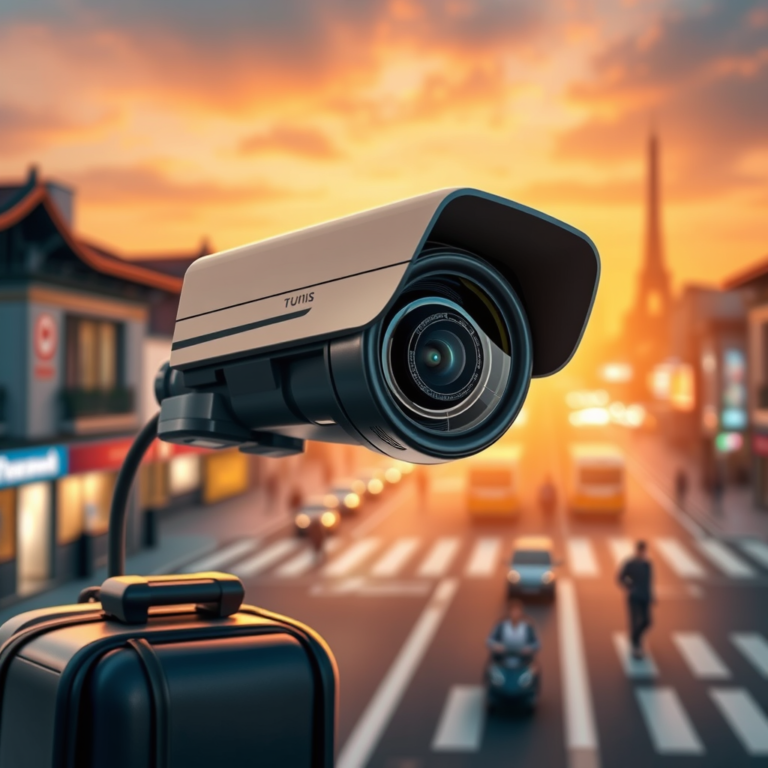

The future of AI-powered cybersecurity for video content is set to dramatically change the landscape of digital media protection. By harnessing the power of advanced algorithms and machine learning, AI can effectively identify and neutralize threats in real-time, making it increasingly difficult for hackers and pirates to compromise video assets. As organizations continue to invest in AI-driven security solutions, the implications for video content across various sectors will be transformative, ensuring that creative works remain secure while maintaining their integrity.
The Rise of AI in Cybersecurity

As video content becomes an integral part of our digital lives—from streaming platforms to corporate training videos—the challenges in cybersecurity are mounting. Threats such as piracy, data breaches, and unauthorized access can disrupt services and lead to significant financial losses. Traditional cybersecurity measures, while essential, often struggle to keep pace with the speed and sophistication of emerging threats.
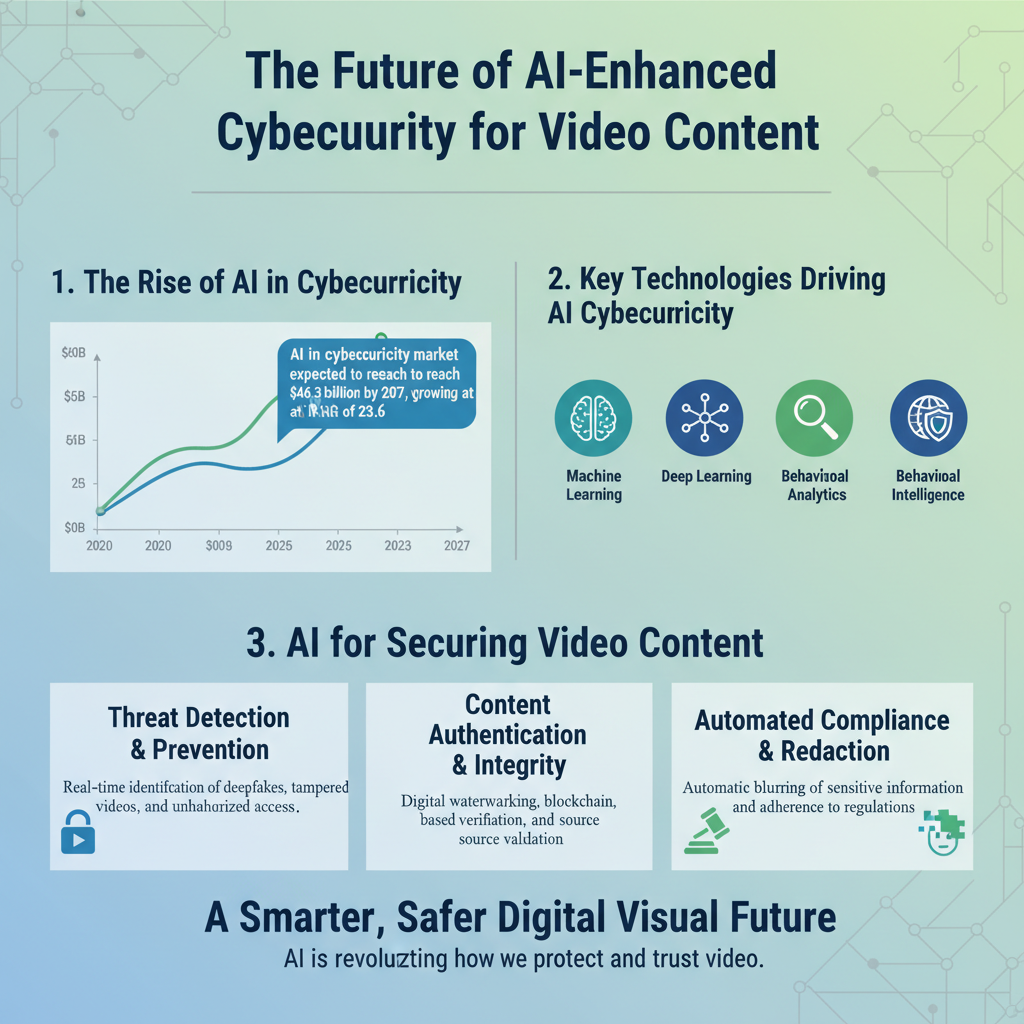
In response to these challenges, AI technologies are being seamlessly integrated into security protocols. By utilizing AI, organizations can automate routine security tasks, allowing for faster response times and a more proactive stance against potential threats. AI’s ability to learn from past incidents enables it to adapt and improve continuously, making it an invaluable asset in the battle against cybercrime.
Key Technologies Driving AI Cybersecurity
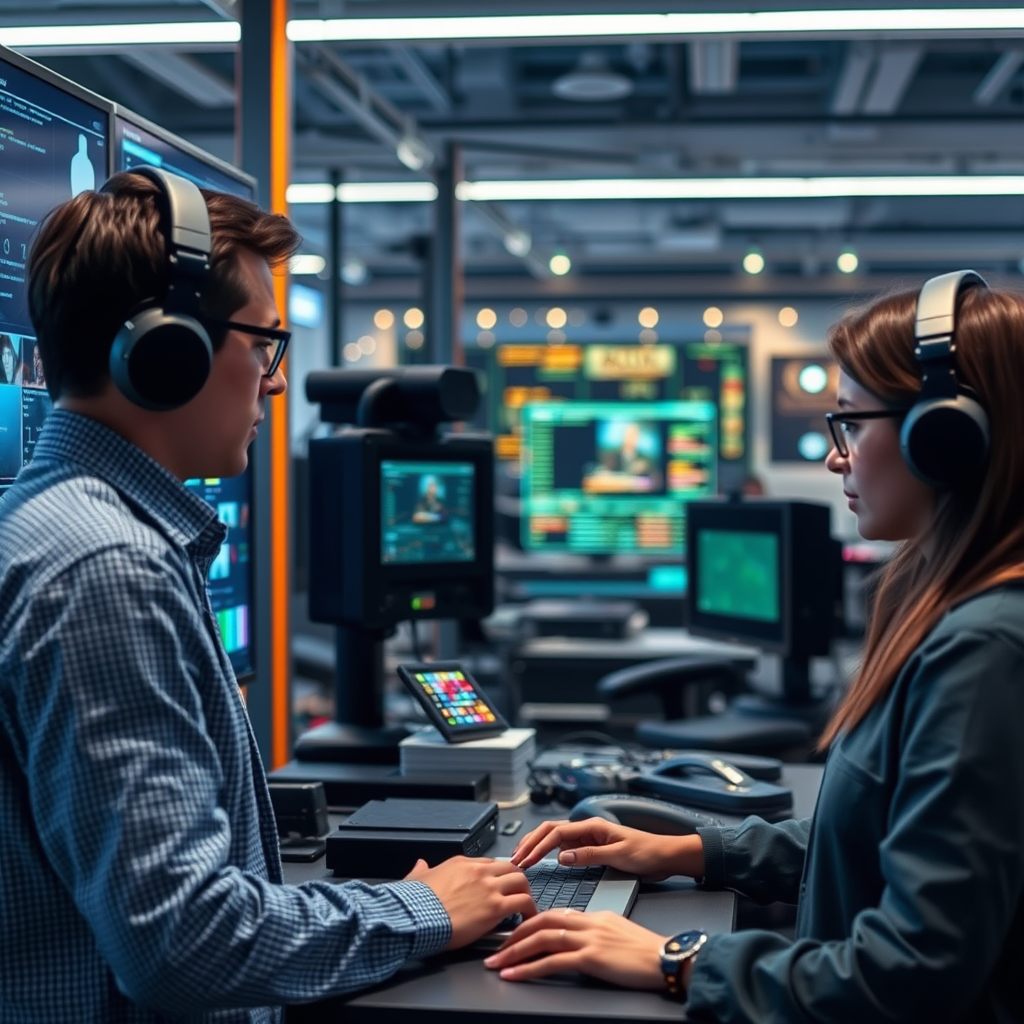
Two key technologies are at the forefront of AI-powered cybersecurity: machine learning algorithms and natural language processing (NLP). Machine learning algorithms are designed to analyze vast datasets, recognizing patterns and anomalies that may indicate a security threat. For video content, this means identifying unusual access patterns or detecting changes in file integrity that could signify tampering.
On the other hand, natural language processing plays a critical role in analyzing video metadata, including comments, descriptions, and user interactions. By understanding the context and sentiment of this textual data, AI can flag suspicious activities, such as coordinated attacks or attempts to manipulate audience perception. Together, these technologies create a robust framework for identifying and responding to threats swiftly and effectively.
Benefits of AI-Powered Cybersecurity for Video Content
The benefits of AI-powered cybersecurity for video content are numerous and impactful. One of the most significant advantages is the increased efficiency in threat detection. Traditional methods often rely on manual monitoring and reactive measures, which can lead to delayed responses and potential breaches. In contrast, AI systems can analyze multiple data points simultaneously, ensuring threats are identified and mitigated in real-time.
Additionally, AI’s capacity to process and analyze vast amounts of data means that organizations can uncover vulnerabilities that may go unnoticed by human analysts. This rapid analysis not only enhances security but also provides valuable insights that can inform future strategies for safeguarding video content. As video continues to dominate the digital landscape, organizations can no longer afford to overlook these advanced AI capabilities.
Case Studies of AI in Action
Several companies have successfully implemented AI-driven solutions to enhance their video security. For instance, Netflix utilizes AI algorithms to safeguard its content against piracy. By continuously monitoring user behavior and access patterns, the platform can detect unauthorized access and take immediate action to protect its valuable media assets.
Another example is the use of AI by YouTube, which employs machine learning to combat copyright infringement. The platform’s Content ID system automatically scans uploaded videos against a database of copyrighted material, ensuring that creators’ rights are protected while allowing legitimate content to thrive. These real-world applications illustrate the tangible benefits of AI in enhancing video security and protecting intellectual property.
Future Trends in AI Cybersecurity for Video
Looking ahead, the future of AI in cybersecurity for video content is bright, with several trends expected to shape the industry. One prediction is the continued advancement of AI algorithms, which will become more sophisticated in their ability to predict and prevent threats. As these technologies evolve, organizations will benefit from even greater accuracy and efficiency in identifying vulnerabilities.
Additionally, the integration of blockchain technology is likely to play a pivotal role in enhancing AI security measures. Blockchain’s decentralized and immutable nature can provide an added layer of protection for video content, ensuring that any changes to files are transparent and verifiable. As these technologies converge, we can expect a more secure environment for video content creators and distributors alike.
Challenges and Limitations
Despite the promising benefits of AI in cybersecurity, there are also challenges and limitations to consider. One significant concern is the potential for bias in AI algorithms, which can lead to false positives or the overlooking of legitimate threats. Ensuring that AI systems are trained on diverse and comprehensive datasets is crucial to mitigating this risk.
Moreover, ethical concerns surrounding privacy and surveillance cannot be ignored. As AI systems become more pervasive, the importance of human oversight in security measures becomes paramount. Organizations must strike a balance between leveraging AI capabilities and maintaining ethical standards, ensuring that privacy rights are respected while safeguarding digital assets.
Implementation Strategies for Businesses
For organizations looking to adopt AI cybersecurity solutions, practical steps can streamline the implementation process. First, it’s essential to conduct a thorough assessment of existing security protocols and identify areas where AI can provide the most value. This assessment will guide the selection of appropriate AI tools and technologies.
Next, businesses should invest in training and educating staff on AI-driven security practices. By fostering a security-conscious culture, organizations can empower employees to recognize and respond to potential threats effectively. Finally, integrating AI tools into existing security frameworks should be done gradually, allowing for adjustments and improvements based on real-world performance and feedback.
The advancements in AI-powered cybersecurity are setting the stage for a safer digital landscape for video content. By understanding the benefits, challenges, and practical implementation strategies, businesses can better protect their valuable media assets. To stay ahead in this evolving field, consider investing in AI technologies and continually educating your team on the latest security practices. As we embrace these innovations, we pave the way for a more secure and resilient future for video content.
Frequently Asked Questions
What are the key benefits of using AI-powered cybersecurity for video content?
AI-powered cybersecurity for video content offers several key benefits, including enhanced threat detection, real-time monitoring, and automated response capabilities. By leveraging machine learning algorithms, these systems can analyze vast amounts of video data to identify potential security breaches or malicious activity quickly. This proactive approach not only minimizes risks but also ensures that content creators can focus on producing high-quality videos without the constant worry of cybersecurity threats.
How can AI technology improve the protection of streaming services against cyber attacks?
AI technology can significantly improve the protection of streaming services by employing advanced analytics to continuously monitor user behavior and access patterns. This allows for the early detection of anomalies that could indicate a cyber attack, such as credential stuffing or DDoS attacks. Additionally, AI systems can automatically implement defensive measures, such as throttling suspicious traffic or blocking harmful IP addresses, thus safeguarding the integrity and availability of streaming content.
Why is AI essential for combating piracy in video content?
AI is essential for combating piracy in video content because it can automate the identification and removal of unauthorized copies across various platforms. By utilizing image recognition and watermarking technologies, AI systems can efficiently scan the internet for pirated material and respond swiftly to take it down. This not only helps protect intellectual property rights but also ensures that content creators receive fair compensation for their work, fostering a healthier digital ecosystem.
What are the best practices for implementing AI-powered cybersecurity in video production?
The best practices for implementing AI-powered cybersecurity in video production include conducting regular security audits, integrating AI solutions that align with existing workflows, and training staff on cybersecurity awareness. It’s crucial to choose AI tools that offer real-time monitoring and threat intelligence specific to video content, while also ensuring compliance with data protection regulations. Collaborating with cybersecurity experts to tailor solutions to your organization’s needs can further enhance the overall security posture.
Which challenges do organizations face when adopting AI in video content cybersecurity?
Organizations face several challenges when adopting AI in video content cybersecurity, including the high costs of implementation, the need for skilled personnel to manage AI systems, and potential resistance to change from staff. Additionally, integrating AI into existing infrastructures can be complex, and there may be concerns regarding data privacy and compliance with regulations. To overcome these challenges, organizations should invest in training, seek partnerships with cybersecurity experts, and gradually phase in AI solutions to ensure a smooth transition.
References
- https://www.wired.com/story/ai-cybersecurity-video-content/
- https://www.sciencedirect.com/science/article/pii/S016740482200206X
- https://www.reuters.com/technology/future-ai-cybersecurity-2023-05-10/
- https://www.bbc.com/news/technology-58123445
- https://www.nist.gov/news-events/news/2022/09/ai-cybersecurity-what-you-need-know
- https://www.ijcai.org/Proceedings/2019/0045.pdf
- Computer security
- https://www.cyber.gov.au/acsc/view-all-content/publications/ai-and-cybersecurity
- https://www.nature.com/articles/s41598-020-79177-9
- https://www.techrepublic.com/article/how-ai-is-changing-cybersecurity/