

The integration of Augmented Reality (AR) displays in military and defense applications enhances situational awareness, improves training efficiency, and supports mission planning. AR technology is revolutionizing how military personnel operate by providing critical insights and tools that significantly boost operational effectiveness. From real-time data overlays to immersive training environments, AR is reshaping the landscape of defense operations, enabling soldiers to navigate complex scenarios with confidence and precision.
Enhancing Situational Awareness
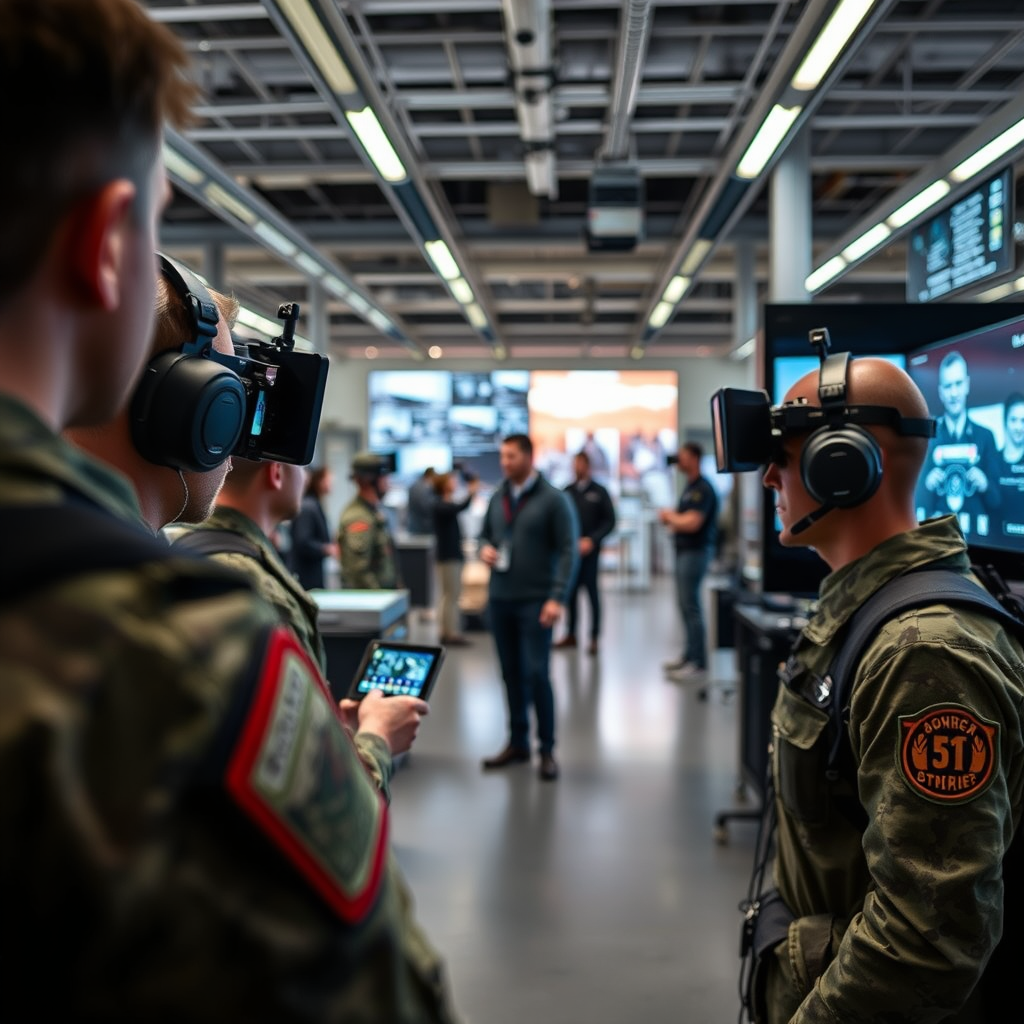
One of the most impactful applications of AR displays in military settings is their ability to enhance situational awareness. Imagine a soldier on the battlefield equipped with AR goggles that overlay critical information directly onto their field of vision. This technology provides real-time data overlays, including enemy positions, terrain details, and friendly unit locations, which helps soldiers make informed decisions swiftly. For instance, during operations in urban environments, AR can highlight potential threats and safe paths, reducing reaction times and improving safety.
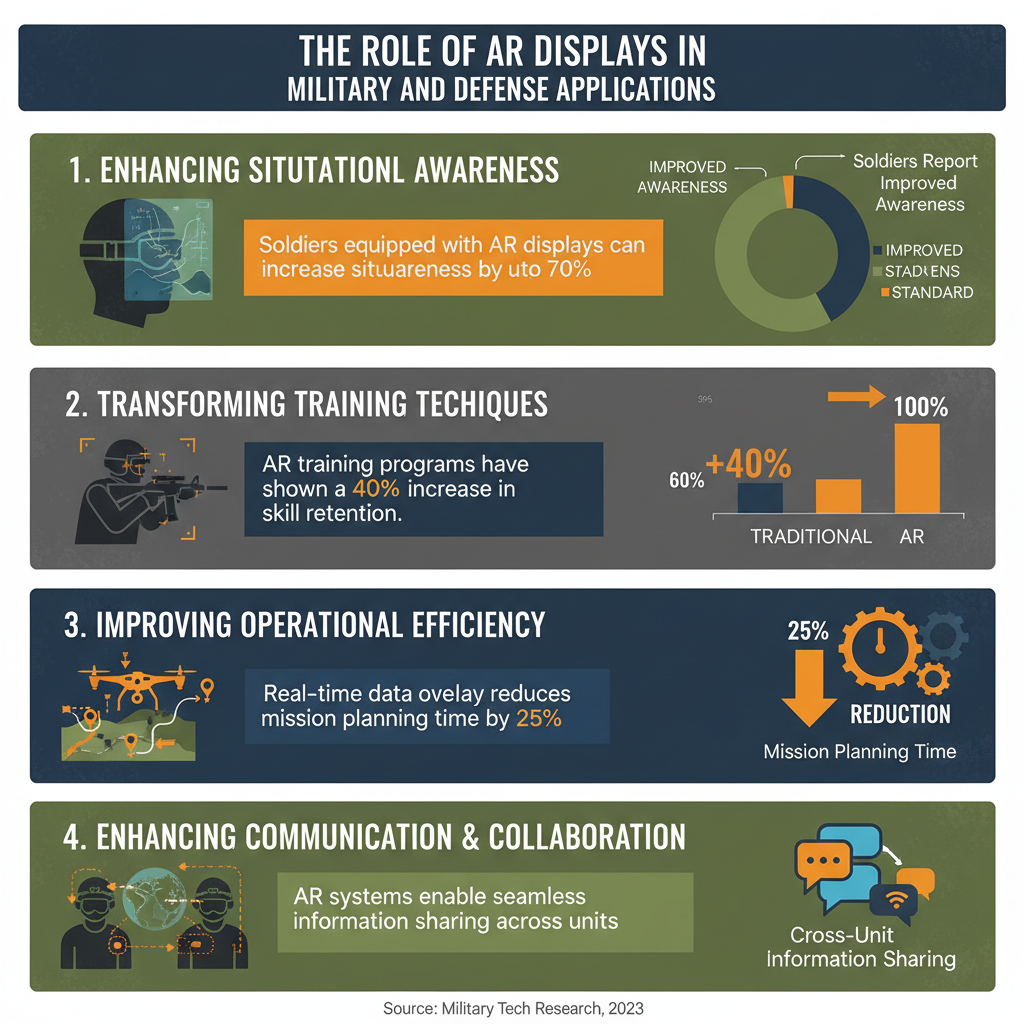
Moreover, AR displays facilitate better communication and coordination among units during missions. With shared visual information, team members can maintain a clear understanding of the operational landscape, which is crucial in high-stress situations. For example, during joint operations involving multiple branches of the military, AR can serve as a common platform for situational updates, ensuring that everyone is on the same page and reducing the risk of miscommunication.
Transforming Training Techniques
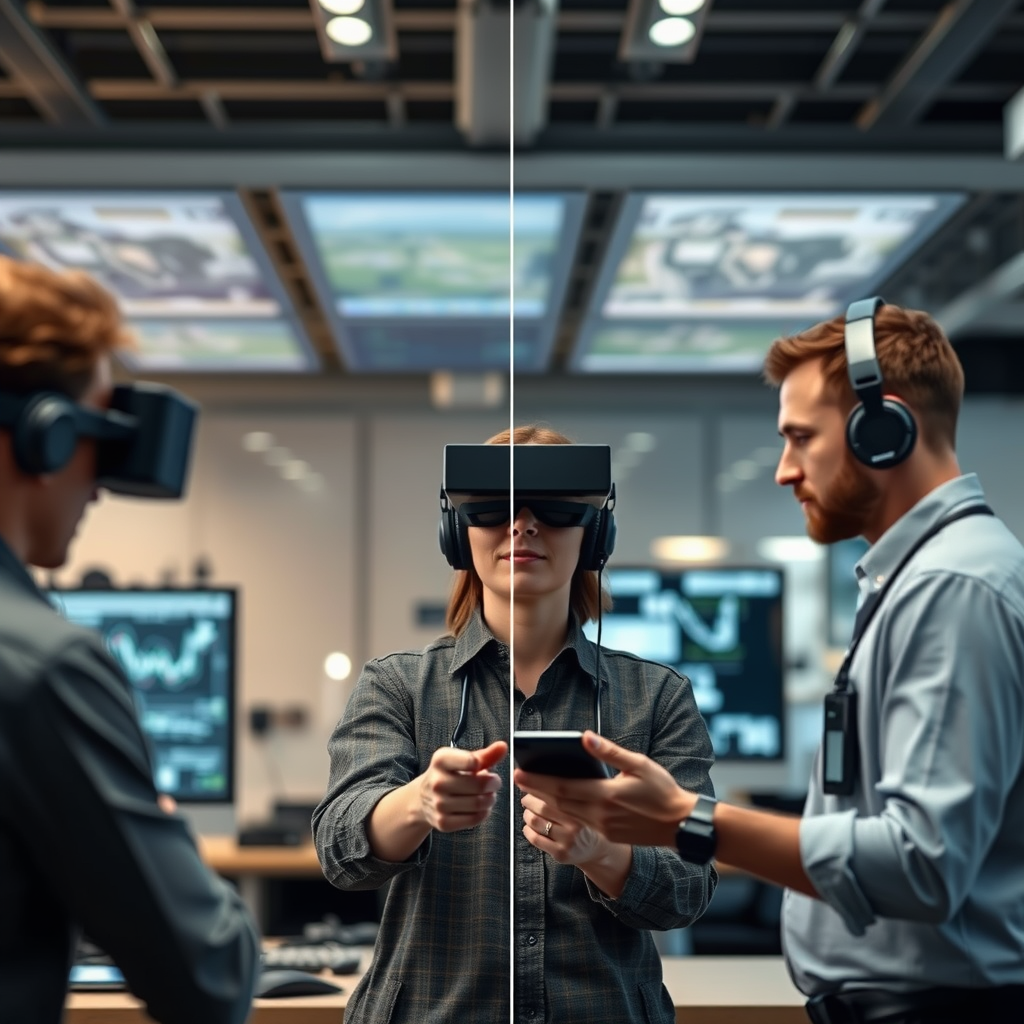
Training is a fundamental aspect of military preparedness, and AR is transforming how soldiers are trained. Through AR simulations, military personnel can engage in immersive training environments that replicate real-world scenarios. These simulations can mimic everything from combat situations to complex decision-making exercises, allowing trainees to practice skills in a safe and controlled setting.
This innovative approach significantly reduces the risk of injury compared to traditional training methods. For example, soldiers can practice high-stakes maneuvers without the dangers associated with live-fire exercises. A notable example of this is the U.S. Army’s Synthetic Training Environment (STE), which utilizes AR to create realistic training scenarios that can be accessed anywhere, providing soldiers with the flexibility to train effectively, regardless of their location.
Supporting Mission Planning and Execution
AR tools play a crucial role in mission planning and execution by visualizing strategic plans in a way that is easily digestible. Commanders can use AR technology to showcase troop movements, equipment placements, and logistical needs in a three-dimensional space, allowing for a better understanding of the operational theater. This visualization capability can enhance collaborative planning efforts, as all team members can see the same information and develop cohesive strategies.
Furthermore, AR enables predictive analysis, allowing commanders to foresee potential challenges. By simulating various scenarios and outcomes, military leaders can make more informed decisions about resource allocation and contingency planning. For example, during operations in hostile territories, AR can help anticipate enemy movements, thereby allowing commanders to adjust strategies in real-time to minimize risks.
Improving Maintenance and Logistics
Maintenance and logistics are the backbone of military operations, and AR displays are proving invaluable in these areas as well. Technicians can utilize AR to identify equipment issues through interactive guides that overlay instructions and diagnostics directly onto the machinery they are repairing. This makes the maintenance process more efficient and reduces the time required to fix complex systems, which is critical in high-pressure environments.
Additionally, AR can streamline supply chain management by providing instant access to inventory and logistical data. Soldiers can use AR interfaces to view real-time stock levels and order supplies as needed, significantly improving the efficiency of logistical operations. For instance, the U.S. Navy has begun experimenting with AR for ship maintenance, where technicians can instantly access manuals and parts information, reducing downtime and improving overall operational readiness.
Addressing Challenges and Limitations
Despite the benefits, the adoption of AR technology in military applications does come with challenges and limitations. The high costs associated with AR technology can be a barrier to widespread implementation. Many defense organizations operate under tight budgets, and allocating funds for advanced AR systems can be a significant hurdle.
Moreover, there are concerns regarding cybersecurity and data privacy in military applications. As AR systems rely heavily on data connectivity, ensuring that sensitive information remains secure is paramount. Cyber threats could compromise operational effectiveness, making it essential for military organizations to invest in robust cybersecurity measures alongside AR technology.
Future Trends in AR for Defense
Looking ahead, the future of AR in defense is promising, with advancements in hardware and software expected to enhance functionality significantly. Innovations such as lightweight AR headsets with improved battery life and processing power will make the technology more accessible and effective for military personnel in the field.
Collaboration with tech companies could lead to innovative solutions tailored specifically for defense needs. For example, partnerships with augmented reality startups may bring fresh ideas and faster development cycles, accelerating the integration of AR into military practices. As the technology continues to evolve, military organizations must remain informed about emerging AR technologies and consider their implementation in future operations.
The integration of AR displays in military and defense applications represents a significant leap forward in operational efficiency and effectiveness. By enhancing situational awareness, improving training, and supporting mission execution, AR technology is set to become a crucial component of modern warfare strategies. As advancements continue, it’s essential for military organizations to stay informed about emerging AR technologies and consider their implementation in future operations. Embracing this transformative technology could very well redefine the capabilities and readiness of defense forces around the world.
Frequently Asked Questions
What are the primary benefits of using AR displays in military and defense applications?
Augmented Reality (AR) displays offer several key benefits in military and defense applications, including enhanced situational awareness, improved training simulations, and real-time data visualization. These displays allow personnel to overlay critical information, such as maps and enemy positions, directly onto their field of vision, thereby facilitating quicker decision-making and reducing response times in high-stakes environments.
How does AR technology improve training for military personnel?
AR technology significantly enhances military training by providing immersive, interactive experiences that replicate real-world scenarios without the associated risks. Through AR displays, trainees can engage in realistic simulations that adapt to their actions, allowing for practical application of skills in a controlled environment. This leads to better retention of knowledge and improved readiness for actual combat situations.
Why is real-time data integration crucial for AR displays in defense operations?
Real-time data integration is vital for AR displays in defense operations because it ensures that military personnel have access to the most current information, which is critical for mission success. By incorporating live data feeds—such as satellite imagery, troop movements, and environmental conditions—AR displays enable soldiers to make informed tactical decisions swiftly, thereby enhancing operational effectiveness and safety on the battlefield.
Which industries outside the military are adopting AR displays for similar purposes?
Besides the military, industries such as law enforcement, aerospace, and healthcare are increasingly adopting AR displays for similar applications. In law enforcement, AR can assist with crime scene investigations by overlaying evidence data, while in aerospace, it aids in maintenance tasks by providing real-time schematics. The healthcare sector utilizes AR for surgical planning and training, showcasing the versatility of AR technology across various fields.
What are the challenges associated with implementing AR displays in defense systems?
Implementing AR displays in defense systems faces several challenges, including technological limitations, the need for secure data transmission, and the integration with existing systems. Additionally, the ruggedness and reliability of AR devices must be ensured to withstand harsh environments. Addressing these challenges is crucial for maximizing the operational effectiveness of AR technology in military applications and ensuring the safety of personnel.
References
- Augmented reality
- https://www.army.mil/article/236156/augmented_reality_in_the_army
- https://www.darpa.mil/news-events/2022-08-03
- https://www.gao.gov/products/gao-21-469
- https://www.military.com/technology/augmented-reality-and-virtual-reality-in-the-military.html
- Understanding the Emerging Era of International Competition: Theoretical and Historical Perspecti…
- https://www.mercurynews.com/2021/05/20/augmented-reality-in-the-military-could-change-how-soldiers-fight/
- https://www.airforce.com/technology/augmented-reality-in-the-air-force
- https://www.researchgate.net/publication/332001649_Augmented_Reality_and_Virtual_Reality_in_the_Military