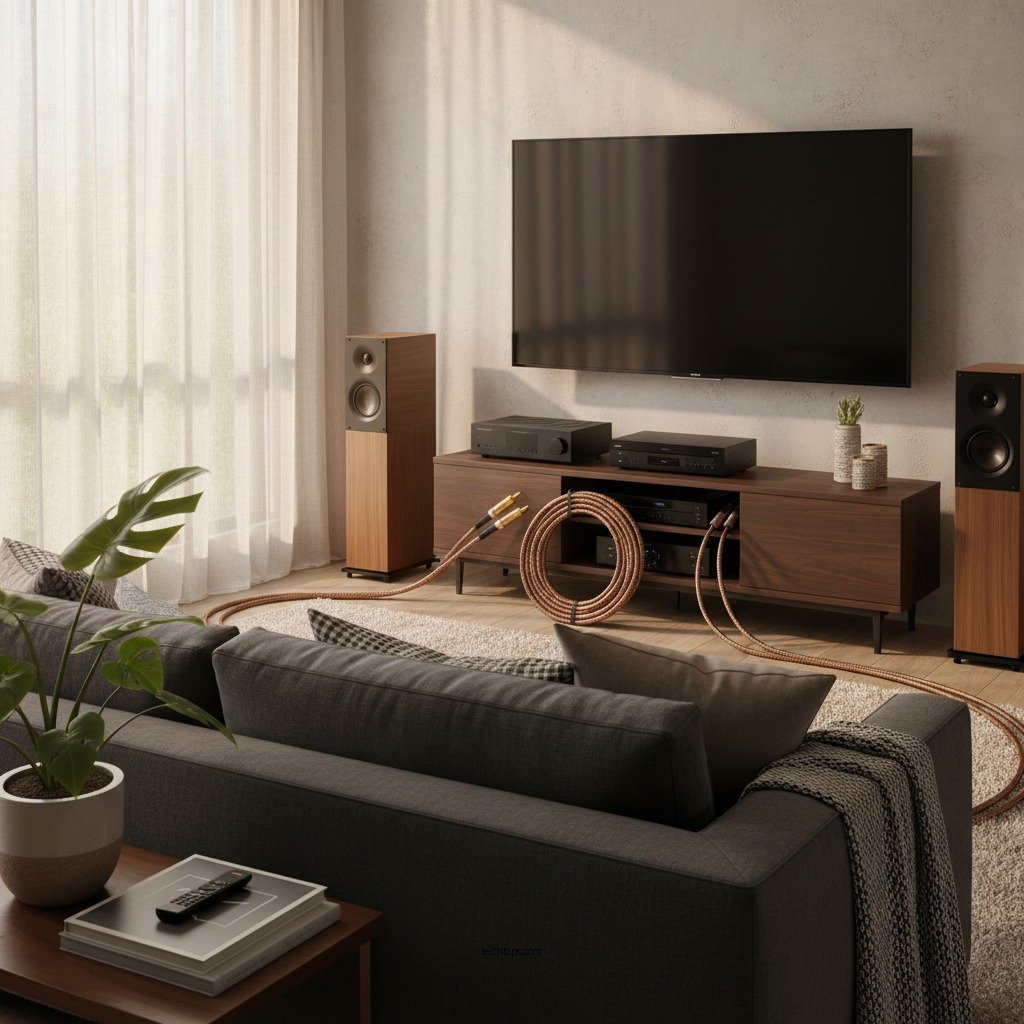
High-quality audio cables are essential for achieving optimal sound quality in your home theater setup. They ensure clear, distortion-free audio that enhances your overall viewing experience. When you invest in the right cables, you can significantly improve the fidelity of sound emanating from your speakers, leading to a more immersive experience whether you are watching movies or listening to music. In this article, you will learn why audio cables matter, the different types available, and how to choose the right ones for your system.




The Role of Audio Cables in Home Theater Systems

Audio cables are the conduits that facilitate the transmission of sound signals from your devices—such as receivers, Blu-ray players, and computers—to your speakers. The quality of these cables can drastically influence the sound output. Poor quality cables can introduce noise, create distortion, and ultimately degrade audio fidelity, resulting in a less satisfying experience.
For instance, a home theater setup that uses low-grade cables may suffer from audio dropouts, muddiness, or interference, which can detract from the clarity and impact of your favorite films or music tracks. On the contrary, high-quality cables can help preserve the integrity of the audio signal, ensuring that you hear every detail as intended by the creators. This is particularly crucial in a home theater environment, where audio plays a pivotal role in storytelling and emotional engagement.
Types of Audio Cables
When setting up your home theater, understanding the different types of audio cables available is vital for optimizing your sound quality. Here are some common types:
– HDMI Cables: HDMI (High-Definition Multimedia Interface) cables are the gold standard for transmitting high-definition audio and video signals. They support multi-channel audio formats, which are essential for delivering surround sound experiences. An HDMI cable can carry both audio and video signals in one cable, reducing clutter in your setup.
– Optical Cables: Also known as Toslink cables, optical cables use light to transmit audio signals. This method minimizes electromagnetic interference, making optical cables an excellent choice for connecting devices that are further apart or in environments with lots of electronic devices. They are often used to connect TVs to soundbars or home theater receivers.
– Analog Cables: These include RCA cables and 1/4-inch TRS cables, which are commonly used for connecting legacy audio equipment. While they can deliver good sound quality, they are more susceptible to interference compared to digital cables.
– Speaker Cables: These cables connect your audio receiver to your speakers. High-quality speaker cables can impact sound clarity and detail, especially in larger setups with more demanding speaker systems.
– XLR Cables: Frequently used in professional audio applications, XLR cables are designed for balanced audio signals. They are ideal for minimizing noise and interference in long cable runs, making them a preferred choice for connecting microphones to mixers in professional settings.
Factors to Consider When Choosing Audio Cables
Choosing the right audio cables for your home theater setup involves several considerations:
– Length: Ensure the cable is long enough to connect devices without tension. Measure the distance between your source device and speakers to avoid any strain on the cables, which could lead to damage or signal degradation.
– Material Quality: Look for cables with good shielding to reduce interference from other electronic devices. High-quality materials such as oxygen-free copper can improve conductivity and performance.
– Connector Quality: The connectors on the ends of audio cables can also affect performance. Gold-plated connectors are less prone to corrosion and provide a more reliable connection.
– Compatibility: Ensure that the cables you choose are compatible with your devices. For instance, if your audio receiver only has HDMI inputs, using an optical cable will not work.
– Budget: While higher price tags can indicate better quality, it’s essential to balance cost with performance. Research and read reviews to find the best cables within your budget.
Comparison of Common Audio Cables (2024)
| # | Cable Type | Signal Type | Max Length | Interference Resistance |
|---|---|---|---|---|
| 1 | HDMI Cable | Digital | 15m | High |
| 2 | Optical Cable | Digital | 10m | Very High |
| 3 | RCA Cable | Analog | 5m | Low |
| 4 | 1/4-inch TRS | Analog | 3m | Medium |
| 5 | Speaker Cable | Analog | Variable | Medium |
| 6 | XLR Cable | Balanced | 25m | Very High |
| 7 | HDMI ARC | Digital | 10m | High |
Benefits of Investing in High-Quality Cables
Investing in high-quality audio cables yields several significant benefits that directly enhance your home theater experience:
– Improved Sound Clarity and Detail: High-quality cables are designed to optimize signal transmission, reducing noise and interference. This results in clear, detailed sound that allows you to fully appreciate the nuances of dialogue, music, and sound effects.
– Greater Durability and Resistance to Wear and Tear: Quality cables are typically made from superior materials and feature robust construction. This means they are less likely to fray, kink, or break, ensuring a longer lifespan and reliable performance over time.
– Enhanced Compatibility with Modern Audio Formats: As audio technology evolves, so do the requirements for connectivity. High-quality cables are often designed to support the latest audio formats and standards, ensuring you can take full advantage of your equipment’s capabilities.
– Increased Resale Value for Your Equipment: Well-maintained audio systems, including high-quality cables, can retain their value better than those that utilize inferior components. If you ever decide to upgrade or sell your gear, investing in quality now can pay off later.
Common Misconceptions About Audio Cables
Several misconceptions persist regarding audio cables that can lead to poor purchasing decisions:
– Higher Price Doesn’t Always Guarantee Better Sound: While it’s true that some expensive cables deliver superior performance, others may simply be overpriced for the quality they provide. It’s vital to read reviews and do research rather than relying solely on price as an indicator of quality.
– Digital Cables Often Have a More Significant Impact Than Analog Ones: Many people assume that analog cables are inferior and, while digital cables do offer some advantages, high-quality analog cables can still provide excellent performance. The key is to use the right type of cable for your specific equipment and listening environment.
– Any Cable Will Work: Not all cables are created equal. Using an inadequate or incompatible cable can lead to significant audio issues, including loss of signal quality and increased noise. Always choose cables that match your system’s specifications and requirements.
Tips for Installing Audio Cables in Your Setup
Proper installation of audio cables is just as important as selecting the right ones. Here are some tips to ensure optimal performance:
– Organize Cables to Prevent Tangling and Confusion: Use cable ties or sleeves to keep cables organized and prevent them from tangling. This not only looks better but also makes it easier to troubleshoot any issues later.
– Test the System After Installation: Once you have connected your cables, test your audio system to ensure everything is functioning correctly. Check for any interference, dropouts, or sound quality issues, and adjust your setup as needed.
– Avoid Running Cables Near Power Sources: To minimize interference, try to keep audio cables away from power cables and outlets. If you must run them close together, consider using shielded cables.
– Label Your Cables: If you have a complex setup, labeling your cables can save you time and frustration if you need to make changes or troubleshoot problems later.
– Consider Professional Installation: If you’re unsure about how to set up your cables, consider hiring a professional. They can ensure that your system is optimized for the best performance and sound quality.
The importance of high-quality audio cables in your home theater setup can’t be overstated. They play a crucial role in ensuring that you enjoy the best sound experience possible. By understanding the different types, factors to consider, and the benefits of investing in quality, you can make informed choices that enhance your audio experience. Don’t compromise on sound; take the time to select the right cables for your home theater today.
Frequently Asked Questions
What are the benefits of using high-quality audio cables in a home theater setup?
High-quality audio cables can significantly enhance the sound quality in your home theater setup by reducing noise and interference. They ensure a clean and accurate audio signal transfer, which is crucial for achieving immersive sound experiences. Additionally, investing in quality cables can increase the longevity of your equipment by minimizing wear and tear on the connectors and components.
How do I choose the right audio cables for my home theater system?
To choose the right audio cables for your home theater system, consider the type of connections your devices use, such as HDMI, optical, or RCA cables. Look for cables that support high bandwidth and are made from quality materials, like oxygen-free copper, to ensure optimal performance. It’s also beneficial to read reviews and check for certifications to ensure compatibility and reliability.
Why is it important not to overlook audio cables when setting up a home theater?
Overlooking audio cables in your home theater setup can lead to subpar audio quality, which diminishes the overall viewing experience. Poor-quality cables may introduce distortion, muddiness, or signal loss, resulting in a lack of clarity in sound reproduction. High-quality audio cables are essential to fully appreciate the audio fidelity of movies and music, making them a critical component of any home theater system.
What are the best types of audio cables for a high-end home theater system?
For a high-end home theater system, HDMI cables are often the best choice due to their ability to transmit both audio and video signals in high definition. Additionally, balanced cables such as XLR or TRS can provide superior noise cancellation for professional-grade audio setups. Optical cables are also a great option for digital audio, as they effectively eliminate electromagnetic interference.
Which audio cable brands are recommended for home theater enthusiasts?
Recommended audio cable brands for home theater enthusiasts include AudioQuest, Monster, and Belkin, known for their high-quality construction and performance. These brands offer a range of cables designed to meet different audio needs, ensuring durability and optimal sound quality. Always check for customer reviews and ratings to find the best fit for your specific home theater requirements.
References
- Audio and video interfaces and connectors
https://en.wikipedia.org/wiki/Audio_cable - https://www.sciencedirect.com/topics/engineering/audio-cables
https://www.sciencedirect.com/topics/engineering/audio-cables - Google Scholar Google Scholar
https://scholar.google.com/scholar?q=high-quality+audio+cables+home+theater - https://www.ncbi.nlm.nih.gov/pmc/articles/PMC6399521/
https://www.ncbi.nlm.nih.gov/pmc/articles/PMC6399521/ - https://www.bbc.com/future/article/20200115-why-sound-quality-matters
https://www.bbc.com/future/article/20200115-why-sound-quality-matters - Google Scholar Google Scholar
https://scholar.google.com/scholar?q=importance+of+audio+cables+in+home+theater - https://www.nature.com/articles/s41598-019-49557-1
https://www.nature.com/articles/s41598-019-49557-1 - https://www.reuters.com/article/us-audio-cables-insights-idUSKBN1ZT2AS
https://www.reuters.com/article/us-audio-cables-insights-idUSKBN1ZT2AS - https://www.theguardian.com/technology/2020/jan/10/the-sound-of-music-why-high-quality-sound-matters
https://www.theguardian.com/technology/2020/jan/10/the-sound-of-music-why-high-quality-sound-matters - https://www.britannica.com/topic/audio-cable
https://www.britannica.com/topic/audio-cable