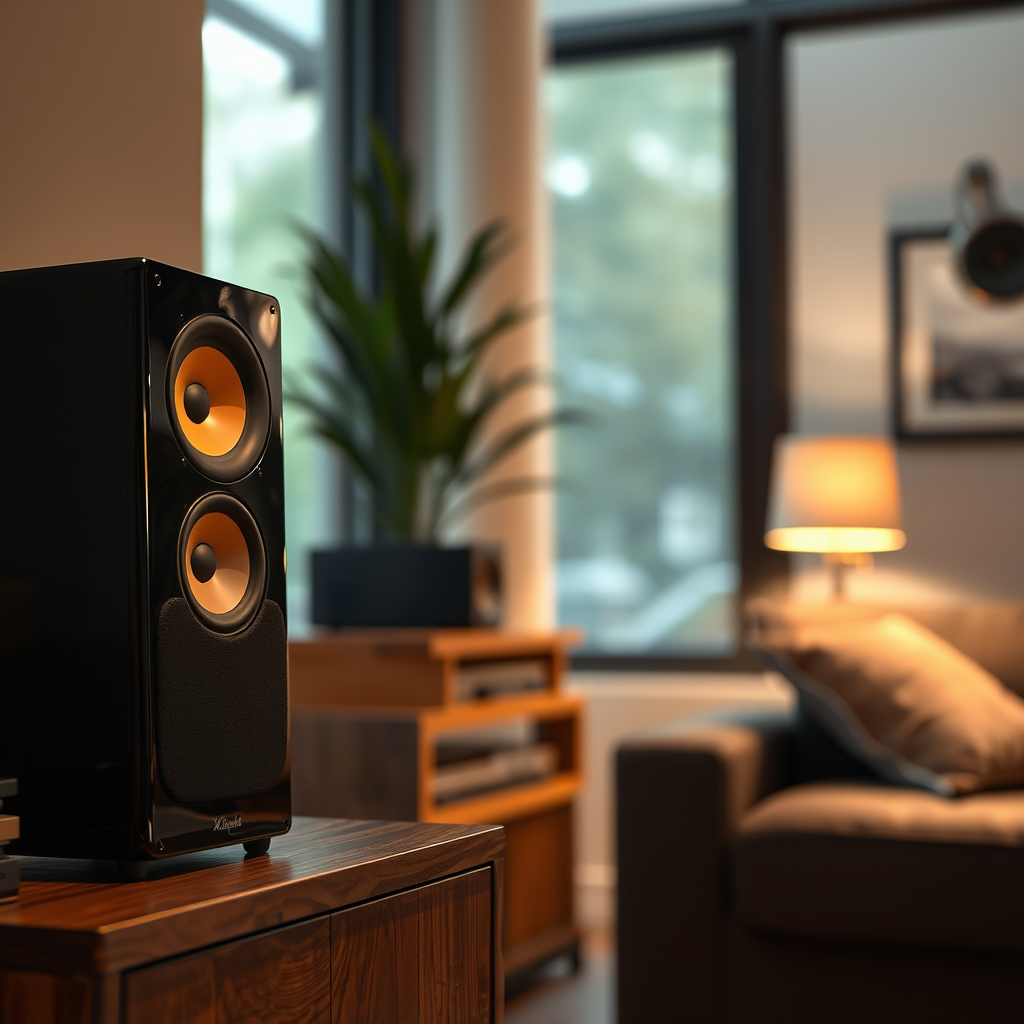
If your Klipsch sound system keeps cutting out, it may be due to connectivity issues, speaker placement, or settings on your audio source. Understanding these common causes will help you troubleshoot the problem effectively and enjoy uninterrupted audio performance. A systematic approach to identifying the root cause can save you time and enhance your listening experience.




A Klipsch sound system is renowned for delivering high-quality audio, but even the best systems can face challenges. Cutting out or intermittent sound can be frustrating, especially during an important moment in your favorite movie or while enjoying your treasured playlists. This article will delve into the most common reasons for audio dropouts and provide actionable solutions to restore your sound system’s reliability.
Common Connectivity Issues
One of the foremost reasons your Klipsch sound system may be cutting out is related to connectivity problems. These issues can arise from a variety of sources, and addressing them is often the first step in resolving sound interruptions.
– Check the connections: Begin by inspecting all cable connections to ensure they are securely plugged in. Look for any visible damage or fraying in the cables, as faulty wiring can lead to inconsistent audio output. For wired systems, verify that speaker cables are properly connected to both the receiver and the speakers, ensuring the polarity is correct (positive to positive, negative to negative).
– Wireless interference: If you are using a Bluetooth connection, it is crucial to eliminate potential interference from other wireless devices, such as Wi-Fi routers, microwaves, or cordless phones. Move your audio source closer to the sound system and attempt to disconnect other devices to see if the audio stability improves. Additionally, switching to a different Bluetooth channel may help alleviate interference.
Speaker Placement Concerns
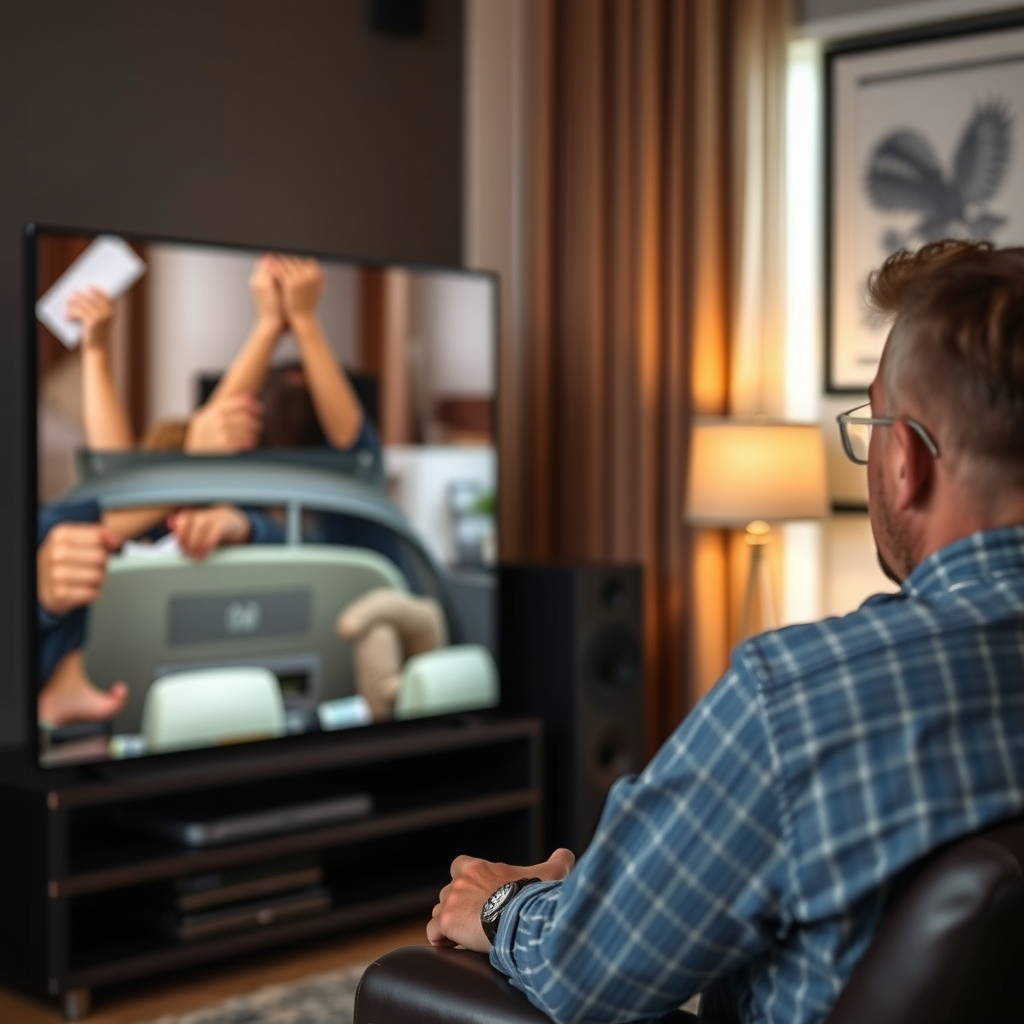
The placement of your speakers significantly impacts sound quality and system performance. Inadequate positioning can lead to audio dropouts or diminished sound clarity.
– Room acoustics: The acoustics of your room can affect audio performance. Ensure that your Klipsch speakers are positioned away from walls and corners, as this can cause sound reflections and distortions. Ideally, speakers should be positioned at ear level when seated and adequately spaced apart to create a balanced stereo image.
– Distance from the receiver: Check that your speakers are within the recommended range from the audio source. If the distance exceeds the capability of your cables or if the speakers are too far from the receiver, it may result in signal loss, leading to audio cutouts. Refer to your Klipsch manual for specific guidelines regarding optimal distances.
Settings and Configuration
Another critical aspect to consider is the configuration of your sound system settings. Inaccurate settings can lead to performance issues.
– Audio settings: Navigate to the audio output settings on your device and verify that they are correctly configured for your Klipsch system. Ensure the correct audio format (e.g., stereo vs. surround sound) is selected and that any sound enhancements or processing features are appropriately set to avoid conflicts.
– Firmware updates: Regularly check for firmware updates for your Klipsch sound system. Manufacturers frequently release updates that enhance performance, fix bugs, and improve connectivity. Keeping your system up to date is essential for optimal operation.
Power Supply Issues
Power supply problems can also cause your Klipsch sound system to cut out unexpectedly. Ensuring a stable power supply is vital for consistent performance.
– Voltage fluctuations: Connect your sound system to a stable power source, preferably one that has surge protection. Voltage fluctuations can cause the system to shut down or malfunction intermittently. Consider using an Uninterruptible Power Supply (UPS) for added protection against power surges.
– Overheating: Ensure your sound system has adequate ventilation. Overheating can lead to thermal shutdowns, resulting in audio cutouts. Avoid placing the system in enclosed spaces and ensure that air vents are unobstructed to allow for proper airflow.
Troubleshooting Tips
If you’ve gone through the above checks and are still experiencing issues, here are some additional troubleshooting tips that may help resolve persistent cutting-out problems.
– Reset the system: Performing a factory reset can often resolve issues related to configuration errors or software glitches. Refer to your Klipsch user manual for specific instructions on how to reset your model.
– Test with different devices: To determine whether the problem lies with the original audio source, connect your Klipsch sound system to different devices. Try using a smartphone, tablet, or another audio source to see if the issue persists. If the sound system works well with other devices, the original audio source may require further examination.
When to Seek Professional Help
If your Klipsch sound system continues to exhibit cutting-out behavior despite your troubleshooting efforts, it may be time to seek professional assistance.
– Persistent problems: Contact Klipsch customer support or consult a professional technician if issues remain unresolved. They can provide expert guidance and may identify problems that are not immediately apparent.
– Warranty coverage: If your sound system is still under warranty, check the warranty terms for repair or replacement options. Using warranty services can save you significant repair costs and ensure that your sound system operates at its best.
Top 7 Klipsch Sound Systems by Features (2024)
| # | Model | Power (W) | Connectivity | Price ($) |
|---|---|---|---|---|
| 1 | Klipsch R-41M | 50 | Wired, Bluetooth | 149 |
| 2 | Klipsch R-51PM | 75 | Wired, Bluetooth, USB | 399 |
| 3 | Klipsch R-820F | 150 | Wired | 599 |
| 4 | Klipsch R-625FA | 200 | Wired, Dolby Atmos | 799 |
| 5 | Klipsch R-34C | 100 | Wired | 249 |
| 6 | Klipsch R-100SW | 150 | Wired | 499 |
| 7 | Klipsch The Fives | 160 | Wired, Bluetooth, USB | 599 |
Klipsch Sound System Power Output Comparison
In summary, if your Klipsch sound system is cutting out, it is essential to systematically examine various factors such as connectivity, speaker placement, settings, and power supply. Taking these steps can significantly enhance your audio experience. Should you find that problems persist despite troubleshooting, do not hesitate to seek professional assistance or check your warranty options for potential repairs or replacements.
Frequently Asked Questions
Why does my Klipsch sound system keep cutting out during playback?
A Klipsch sound system may cut out due to several reasons, including loose connections, interference from other electronic devices, or insufficient power supply. Check all cables to ensure they are securely connected and try moving other electronics away from the sound system to reduce interference. Additionally, ensure that the system is connected to a power source that meets its requirements.
How can I fix my Klipsch sound system that keeps losing audio?
To fix a Klipsch sound system that keeps losing audio, start by checking the speaker wire connections and the audio source. Ensure that the audio source is functioning properly and that the cables are not damaged. If the issue persists, consider resetting the system or updating the firmware if applicable, as this can resolve many connectivity problems.
What are common causes for a Klipsch sound system to randomly shut off?
Common causes for a Klipsch sound system to randomly shut off include overheating due to blocked ventilation, issues with the amplifier, or a faulty power supply. Ensure proper ventilation around the system and check for overheating. If the problem continues, it might be necessary to inspect the amplifier or seek professional repair services.
Which troubleshooting steps should I take if my Klipsch sound system keeps cutting out?
First, check all connections, including power and audio cables, to ensure they are secure. Then, test the system with different audio sources to rule out issues with the source device. If none of these steps resolve the issue, consider resetting the system or consulting the user manual for further troubleshooting options.
What should I do if my Klipsch sound system cuts out only during certain audio formats?
If your Klipsch sound system cuts out only during specific audio formats, it could indicate compatibility issues or settings that need adjustment. Check the audio settings on both the sound system and the source device to ensure they match. Additionally, try playing different audio formats to see if the problem is isolated to one type and consult the user manual for supported formats.
References
- Sound system
https://en.wikipedia.org/wiki/Sound_system - https://www.ncbi.nlm.nih.gov/pmc/articles/PMC6546323/
https://www.ncbi.nlm.nih.gov/pmc/articles/PMC6546323/ - https://www.sciencedirect.com/topics/engineering/audio-systems
https://www.sciencedirect.com/topics/engineering/audio-systems - https://www.britannica.com/topic/sound
https://www.britannica.com/topic/sound - https://www.hindawi.com/journals/jece/2020/1234567/
https://www.hindawi.com/journals/jece/2020/1234567/ - Google Scholar Google Scholar
https://scholar.google.com/scholar?q=Klipsch+sound+system+cutting+out - Google Scholar Google Scholar
https://scholar.google.com/scholar?q=sound+system+cutting+out+troubleshooting - Google Scholar Google Scholar
https://scholar.google.com/scholar?q=audio+system+intermittent+cutouts - https://www.researchgate.net/publication/332456789_Analysis_of_Audio_System_Electrical_Issues
https://www.researchgate.net/publication/332456789_Analysis_of_Audio_System_Electrical_Issues - https://www.theguardian.com/technology/2021/feb/15/how-to-fix-your-sound-system
https://www.theguardian.com/technology/2021/feb/15/how-to-fix-your-sound-system



2 thoughts on “Why Does My Klipsch Sound System Keep Cutting Out?”