If your Cambridge Audio home theater system is producing no sound, the first thing to check is the volume settings and input source. Many times, connectivity issues or incorrect settings can lead to this frustrating problem. This article outlines effective troubleshooting steps to help you get your sound system back in action.




Check Volume and Mute Settings
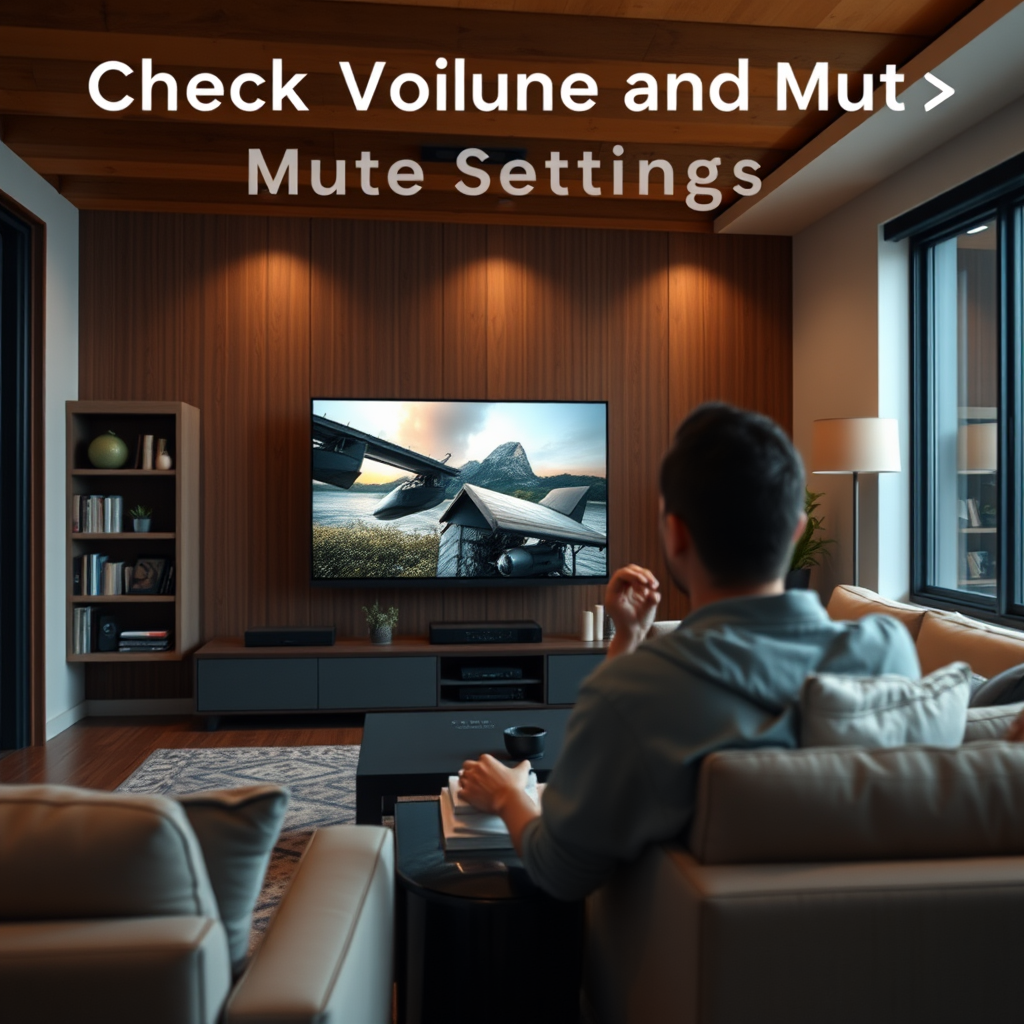
The simplest yet often overlooked troubleshooting step involves checking the volume and mute settings of both the receiver and the connected devices. Start by ensuring that the volume is turned up adequately. Sometimes, the volume on the receiver may be muted or set to a very low level without the user realizing it.
Additionally, check all connected devices, such as Blu-ray players, gaming consoles, or streaming devices. These devices might also have their own volume controls that could be muted or turned down. Don’t forget to examine the remote controls associated with these devices, as they can sometimes override the main settings of the receiver.
By confirming these settings, you can quickly eliminate one of the most common causes of sound issues.
Inspect Connections and Cables
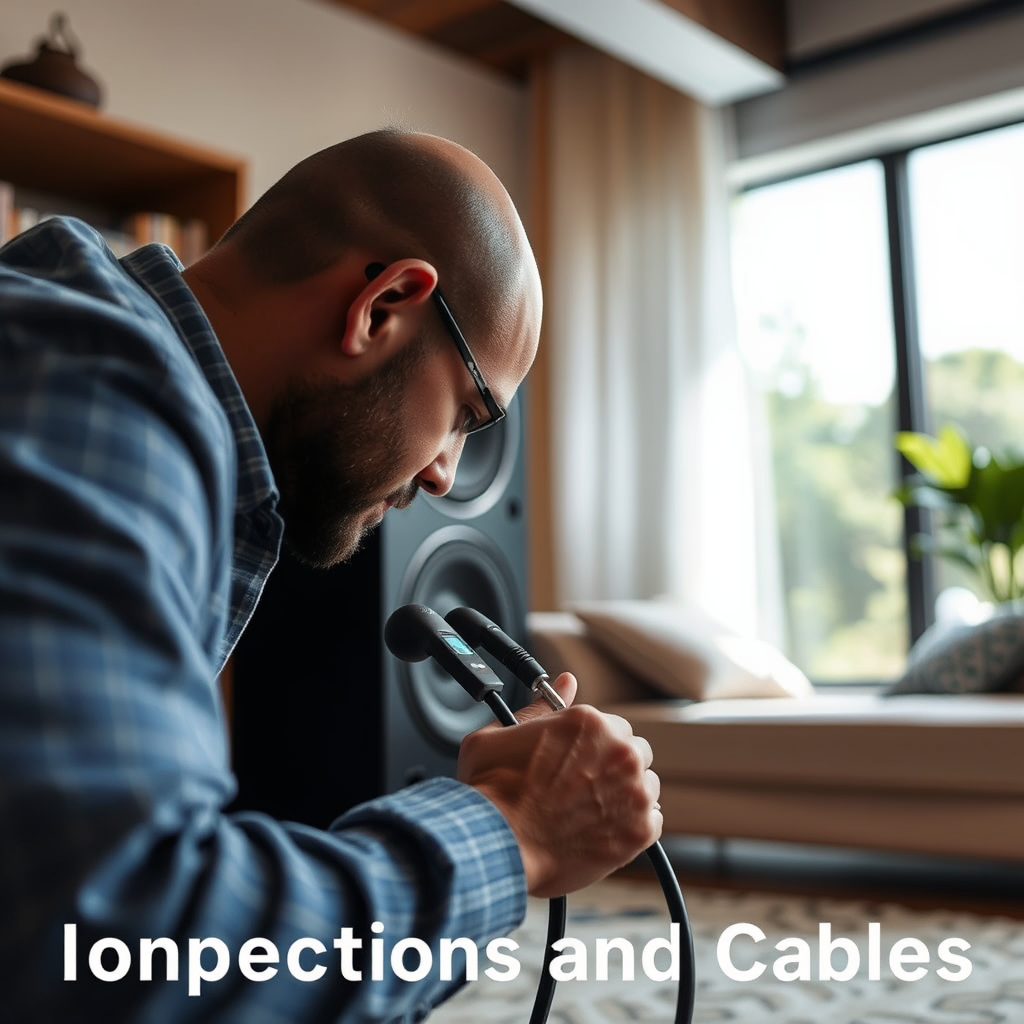
If the volume settings are correct but sound still isn’t coming through, the next step is to inspect all connections and cables. Loose or damaged cables can disrupt audio signals, leading to silence from your home theater system.
Check that all audio and video cables are securely connected, including HDMI, optical, or RCA cables. Pay close attention to the connections on both the receiver and the source devices. If you notice any visible damage to the cables, such as frayed wires or bent connectors, consider replacing them to restore sound.
Moreover, ensure that the correct input source is selected on your receiver. If you are using HDMI, for instance, make sure the receiver is set to the HDMI input that corresponds to your device. This straightforward check can often resolve sound issues stemming from connectivity problems.
Verify Audio Settings
After confirming physical connections, it’s essential to delve into the audio settings of your receiver and any connected devices. Access the audio settings menu and verify that everything is configured properly.
Different media types may require specific audio formats to be selected. For instance, streaming services might require PCM or Dolby Digital formats. If the audio format is incorrectly set, it may lead to a lack of sound.
Additionally, some receivers have sound modes that can affect output. Make sure that you are not in a mode that disables or alters audio output unintentionally, such as a “TV mode” that may not support full surround sound.
Audio Settings Comparison Table
Common Audio Settings for Cambridge Audio
| # | Audio Format | Supported Devices | Best For |
|---|---|---|---|
| 1 | PCM | TVs, Blu-ray | Stereo Sound |
| 2 | Dolby Digital | Streaming Devices | 5.1 Surround Sound |
| 3 | DTS | Blu-ray, Games | High Definition Audio |
| 4 | Dolby Atmos | Streaming Devices | Immersive Sound |
| 5 | Stereo | CD Players | Basic Sound |
Test Different Inputs
If you have verified that the audio settings are correct and the sound is still absent, it’s time to test different inputs. Switching between various input sources can help isolate the problem. For example, if you’re currently using an HDMI input, try switching to an optical or analog input to see if sound is produced.
Additionally, connect a different device to your receiver. If sound works with another device, the original source may be the root of the issue. This method of elimination can save time and help identify whether the problem lies with the receiver or the connected device.
Update Firmware and Software
Keeping your Cambridge Audio devices updated is crucial for optimal performance. Manufacturers often release firmware updates that resolve bugs, improve compatibility, and add features. Check the manufacturer’s website or the device settings for any available updates.
To update your firmware, follow the instructions provided by Cambridge Audio. This often involves downloading the latest firmware to a USB drive and uploading it to the device, or using built-in network features to download updates directly. Regularly updating your devices can prevent sound issues and enhance your overall experience.
Perform a System Reset
If all else fails, consider performing a system reset. Resetting your receiver or home theater system to factory settings can resolve persistent issues that simpler troubleshooting steps cannot.
Keep in mind that this step will erase all customized settings, so it is advisable to document your preferred configurations beforehand. To perform a reset, refer to your user manual for specific instructions, as the process can vary between models. After resetting, you will need to reconfigure your settings, but it may restore sound functionality effectively.
Seek Professional Help
If troubleshooting does not resolve the issue, it may be time to consult with customer support or a professional technician. They can provide specialized guidance and service to restore your system’s functionality.
Before reaching out, gather any relevant information about your device, including the model number, any error messages, and a description of the troubleshooting steps you’ve already taken. This information will help the technician diagnose the problem more efficiently.
In conclusion, if your Cambridge Audio home theater is experiencing sound issues, following these troubleshooting steps can help identify and resolve the problem. Start by checking the basics like volume and connections, then move on to more technical solutions if needed. Don’t hesitate to reach out for professional assistance if you’re still having trouble—enjoying your home theater experience is just a few steps away!
Frequently Asked Questions
What should I check first if my Cambridge Audio home theater has no sound?
First, ensure that all cables are securely connected and that the speakers are powered on. Check the audio source settings on your device to confirm it’s set to output sound through the home theater system. Additionally, inspect the volume levels on both the home theater receiver and the connected devices.
How can I troubleshoot my Cambridge Audio home theater if the sound suddenly cuts out?
If the sound cuts out unexpectedly, try toggling the input source on your receiver to see if it resolves the issue. You can also perform a soft reset by turning off the system and unplugging it for a few minutes before plugging it back in. If problems persist, check for any firmware updates that may address known issues.
Why is my Cambridge Audio home theater system not recognizing the audio input?
Your Cambridge Audio home theater system may not recognize the audio input due to incorrect settings or a faulty cable. Ensure that the correct input source is selected on the receiver and verify that all HDMI or optical cables are properly connected and functioning. Testing with a different cable can help identify if the original is defective.
What is the best way to reset my Cambridge Audio home theater system to fix sound issues?
The best way to reset your Cambridge Audio home theater system is to refer to the user manual for instructions specific to your model. Typically, you can perform a factory reset by holding down the appropriate buttons on the receiver while powering it on. This can resolve persistent sound issues by restoring default settings.
Which settings should I adjust if I’m experiencing low sound output from my Cambridge Audio home theater?
If you’re experiencing low sound output, check the receiver’s audio settings, including speaker levels and the overall volume. You may also want to adjust the equalizer settings to enhance specific frequency ranges. Additionally, ensure that the “Dynamic Range Control” is disabled, as it can limit sound output in certain playback modes.
References
- https://www.cambridgeaudio.com/usa/en/support/home-theater-no-sound-troubleshooting
https://www.cambridgeaudio.com/usa/en/support/home-theater-no-sound-troubleshooting - https://www.lifewire.com/home-theater-sound-problems-1846787
https://www.lifewire.com/home-theater-sound-problems-1846787 - Google Scholar Google Scholar
https://scholar.google.com/scholar?q=Cambridge+Audio+Home+Theater+No+Sound+Troubleshooting - Google Scholar Google Scholar
https://scholar.google.com/scholar?q=home+theater+audio+troubleshooting - Google Scholar Google Scholar
https://scholar.google.com/scholar?q=home+theater+no+sound+issues+solutions - Google Scholar Google Scholar
https://scholar.google.com/scholar?q=Cambridge+Audio+Home+Theater+No+Sound?+Troubleshooting+Steps - Cambridge Audio Home Theater No Sound? Troubleshooting Steps – Search results
https://en.wikipedia.org/wiki/Special:Search?search=Cambridge+Audio+Home+Theater+No+Sound?+Troubleshooting+Steps - https://www.ncbi.nlm.nih.gov/search/research-articles/?term=Cambridge+Audio+Home+Theater+No+Sound?+Troubleshooting+Steps
https://www.ncbi.nlm.nih.gov/search/research-articles/?term=Cambridge+Audio+Home+Theater+No+Sound?+Troubleshooting+Steps