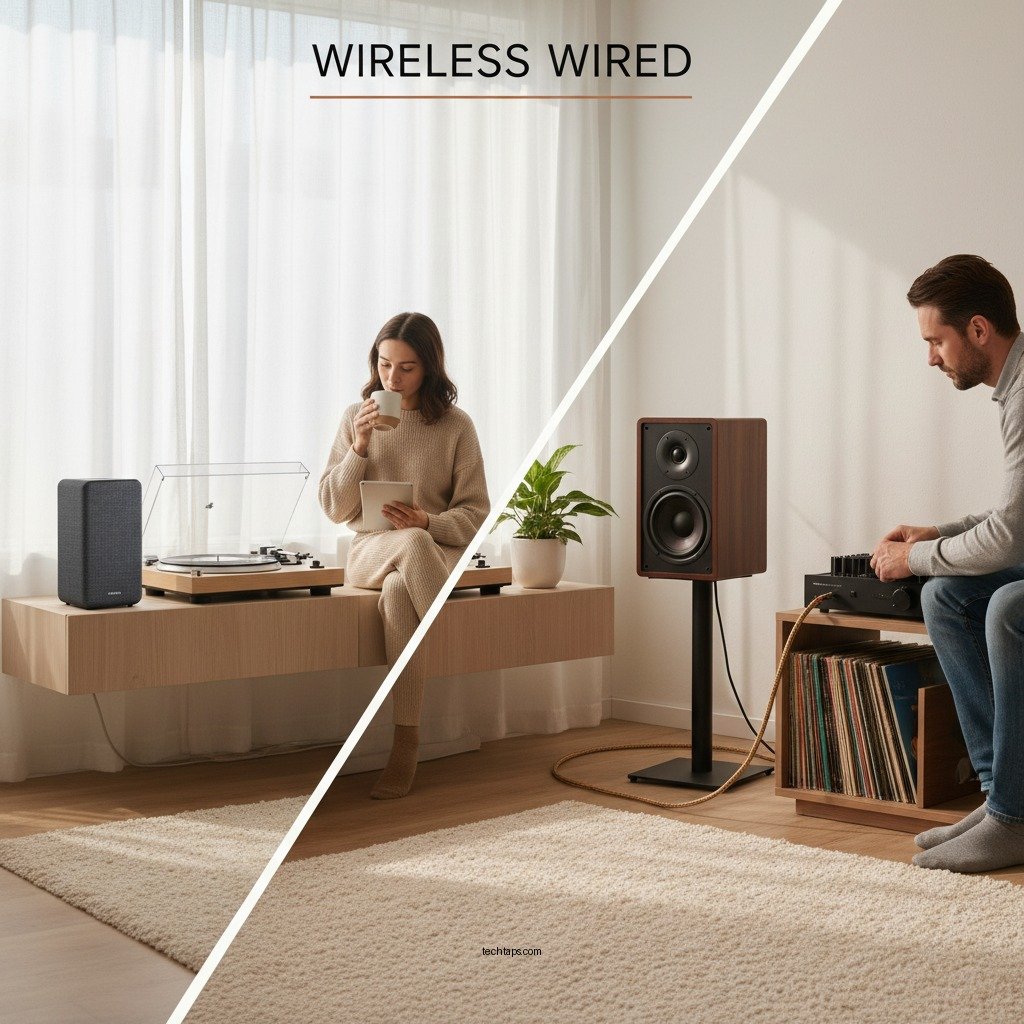

Wireless home audio systems offer flexibility and convenience, while wired systems provide reliability and superior sound quality. This article will explore the pros and cons of both options, helping you make an informed decision for your audio setup. By understanding the unique benefits and limitations of each system, you can choose the best audio solution that aligns with your lifestyle and preferences.
Understanding Wireless Home Audio Systems

Wireless home audio systems have gained immense popularity due to their ability to integrate seamlessly into modern lifestyles. One of the most significant advantages of wireless systems is their flexibility—users can easily relocate speakers, change setups, or create a multi-room audio system without the constraints of wiring. This adaptability makes it simple to adjust your audio environment as needed, whether for entertaining guests or enjoying a quiet evening at home.
In addition to flexibility, convenience is a hallmark of wireless audio solutions. Many systems allow for easy streaming from various devices, including smartphones, tablets, and computers. Services like Spotify, Apple Music, and Tidal can be accessed with just a few taps, making it effortless to enjoy your favorite tunes. Moreover, voice-activated assistants like Amazon Alexa and Google Assistant are often integrated into these systems, enhancing user experience through hands-free control.
Exploring Wired Home Audio Systems
On the other hand, wired home audio systems have long been regarded as the gold standard in audio fidelity. One of the primary benefits of wired systems is their sound quality. Because they utilize direct connections, they typically produce superior audio fidelity compared to their wireless counterparts. This is particularly noticeable in high-end systems where nuances in sound are paramount for audiophiles.
Reliability is another critical advantage of wired systems. Unlike wireless systems, which can be susceptible to interference from other devices and environmental obstacles, wired systems provide a consistent and stable connection. This means fewer dropouts and interruptions, resulting in a more enjoyable listening experience. For those who prioritize sound quality and reliability, a wired system might be the preferred choice.
Top 7 Home Audio Brands (2024)
| # | Brand | Type | Average Rating | Price Range |
|---|---|---|---|---|
| 1 | Sonos | Wireless | ★★★★☆ | $199 – $699 |
| 2 | Bose | Wireless | ★★★★☆ | $150 – $600 |
| 3 | Yamaha | Wired | ★★★★★ | $300 – $2,000 |
| 4 | Sony | Wired | ★★★★☆ | $250 – $1,500 |
| 5 | Denon | Wired | ★★★★☆ | $400 – $2,500 |
| 6 | Klipsch | Wired | ★★★★★ | $500 – $3,000 |
| 7 | Pioneer | Wired | ★★★★☆ | $300 – $1,800 |
Pros of Wireless Home Audio Systems
There are several compelling advantages to opting for wireless home audio systems. One significant pro is their ease of installation. Without the need for complex wiring or installation processes, users can set up these systems quickly and efficiently. This is especially beneficial for renters or those who frequently rearrange their living spaces, as moving a wireless speaker is as simple as unplugging it and relocating it to a new spot.
Another notable advantage is the multi-room capability that many wireless systems offer. Users can easily connect and control multiple speakers across different rooms through a single app on their smartphones or tablets. This feature allows for synchronized music playback throughout the home or the ability to play different audio in each room, making it a versatile solution for various needs.
Cons of Wireless Home Audio Systems
However, there are drawbacks to consider when choosing wireless home audio systems. One potential issue is latency. Wireless systems may introduce lag when streaming audio, which can be particularly problematic for those who enjoy watching movies or playing video games, where audio synchronization is crucial. This latency can detract from the overall experience, especially in high-stakes gaming scenarios.
Additionally, interference risks pose a challenge for wireless audio systems. Other wireless devices, such as Wi-Fi routers, microwaves, and even Bluetooth devices, can interfere with audio quality and connectivity. This interference can lead to dropouts or degraded sound quality, making a reliable connection a concern for some users.
Pros of Wired Home Audio Systems
On the other hand, wired home audio systems present several advantages worth noting. For many audiophiles, consistent performance is paramount. Wired connections provide stable and consistent audio performance without the risk of dropouts or interruptions inherent in wireless systems. For those who prioritize high-quality sound, wired systems often deliver a listening experience that is difficult to replicate with wireless options.
Another advantage is the longer lifespan of wired systems. With fewer components that are prone to failure—such as batteries or wireless transmitters—wired systems tend to be more durable and require less maintenance over time. This longevity can make wired systems a more cost-effective solution in the long run.
Cons of Wired Home Audio Systems
Despite their advantages, wired home audio systems come with their own set of challenges. Installation complexity is one significant drawback. Setting up a wired system can be time-consuming and may require professional installation, especially in larger homes where running cables through walls and ceilings is necessary. This complexity can deter some users who prefer a simpler setup.
Moreover, limited flexibility is another concern. Once a wired system is installed, rearranging speakers or adapting to new layouts can be challenging. This lack of adaptability can be frustrating for users who frequently change their home decor or have evolving audio needs.
Making the Right Choice for Your Home
When deciding between a wireless and wired home audio system, it is essential to assess your needs carefully. Consider your space, how you plan to use the audio system, and the importance of sound quality in your listening experience. If you value flexibility and ease of use, a wireless system may be the better option. Conversely, if sound quality and reliability are your top priorities, a wired system could be the right choice.
Budget considerations are also crucial in your decision-making process. Evaluate your budget not only for the initial setup but also for potential upgrades and maintenance. Wireless systems often have a range of price points, but high-end models can be costly. Wired systems, while sometimes requiring a more significant upfront investment, may offer long-term savings through their durability and performance.
In conclusion, the decision between wireless and wired home audio systems ultimately hinges on your specific needs and preferences. By weighing the pros and cons discussed in this article, you can determine which option aligns best with your lifestyle and audio expectations. For further assistance or personalized recommendations, feel free to reach out or explore more resources on home audio systems, ensuring you make the best choice for your listening enjoyment.
Frequently Asked Questions
What are the main advantages of using a wireless home audio system?
Wireless home audio systems offer convenience and flexibility, allowing users to stream music from various devices without the hassle of cables. They are typically easier to install and can be placed in different locations throughout your home without worrying about outlet proximity, making them ideal for modern living spaces.
How does sound quality compare between wired and wireless audio systems?
Generally, wired audio systems tend to provide superior sound quality due to a direct connection that minimizes signal interference and loss. However, advancements in wireless technology, such as high-resolution streaming and improved codecs, have significantly enhanced the audio quality of many wireless systems, making them a viable option for most users.
Why might someone choose a wired audio system over a wireless one?
Individuals may prefer wired audio systems for their reliability and consistent sound quality, particularly in environments where wireless signals may be compromised. Additionally, wired systems often require less maintenance and eliminate concerns about battery life or connectivity issues, making them a practical choice for audiophiles.
Which type of audio system is best for a large home with multiple rooms?
For large homes, a wireless audio system is often the best choice due to its ability to easily connect multiple speakers across different rooms without the clutter of wires. Many wireless systems also offer multi-room functionality, allowing users to control audio in various zones from a single app, which enhances the overall listening experience.
What are the common drawbacks of wireless home audio systems?
Common drawbacks of wireless home audio systems include potential connectivity issues, such as signal dropouts or interference from other devices, which can disrupt playback. Additionally, they may require regular software updates and may not provide the same level of sound fidelity as wired systems, particularly for high-end audio setups.
References
- https://www.sciencedirect.com/topics/engineering/wireless-audio
https://www.sciencedirect.com/topics/engineering/wireless-audio - https://www.bbc.com/future/article/20191209-the-future-of-wireless-audio
https://www.bbc.com/future/article/20191209-the-future-of-wireless-audio - https://www.nytimes.com/2020/01/15/technology/personaltech/wireless-audio-speakers.html
https://www.nytimes.com/2020/01/15/technology/personaltech/wireless-audio-speakers.html - https://www.theguardian.com/technology/2016/jul/06/wireless-audio-vs-wired-what-you-need-to-know
https://www.theguardian.com/technology/2016/jul/06/wireless-audio-vs-wired-what-you-need-to-know - https://www.reuters.com/article/us-tech-audio-idUSKBN2A70BX
https://www.reuters.com/article/us-tech-audio-idUSKBN2A70BX - Google Scholar Google Scholar
https://scholar.google.com/scholar?q=Wireless+vs+Wired+Home+Audio+Systems - Google Scholar Google Scholar
https://scholar.google.com/scholar?q=audio+system+wireless+wired+pros+and+cons - Google Scholar Google Scholar
https://scholar.google.com/scholar?q=wired+wireless+audio+system+comparison - Google Scholar Google Scholar
https://scholar.google.com/scholar?q=Wireless+vs.+Wired+Home+Audio+Systems:+Pros+and+Cons - Wireless vs. Wired Home Audio Systems: Pros and Cons – Search results
https://en.wikipedia.org/wiki/Special:Search?search=Wireless+vs.+Wired+Home+Audio+Systems:+Pros+and+Cons