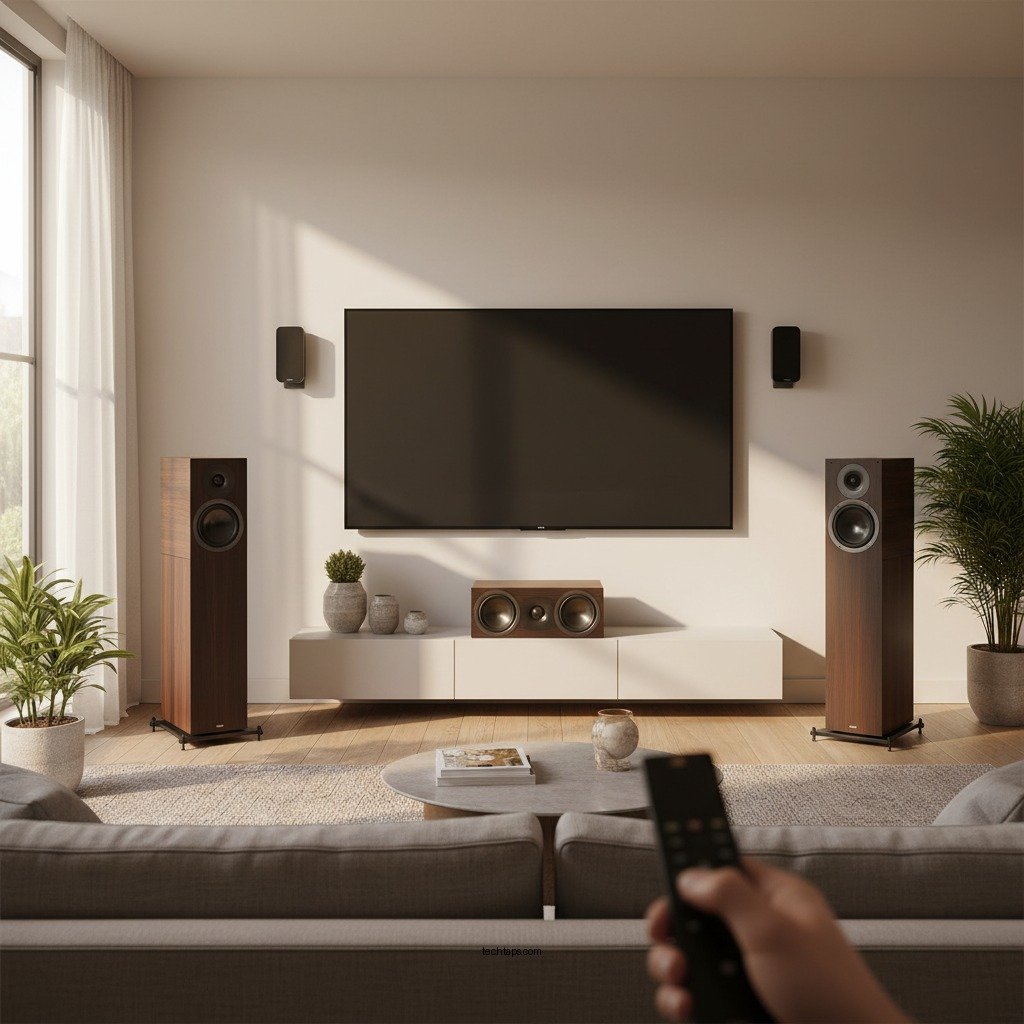

To achieve maximum audio impact in your home theater, proper speaker positioning is essential. By strategically placing your speakers, you can enhance sound quality, create an immersive experience, and ensure even distribution of audio throughout the room. This article will explore effective techniques to optimize your home theater setup, allowing you to transform your viewing experience into something truly spectacular.
Understand Your Room’s Acoustics
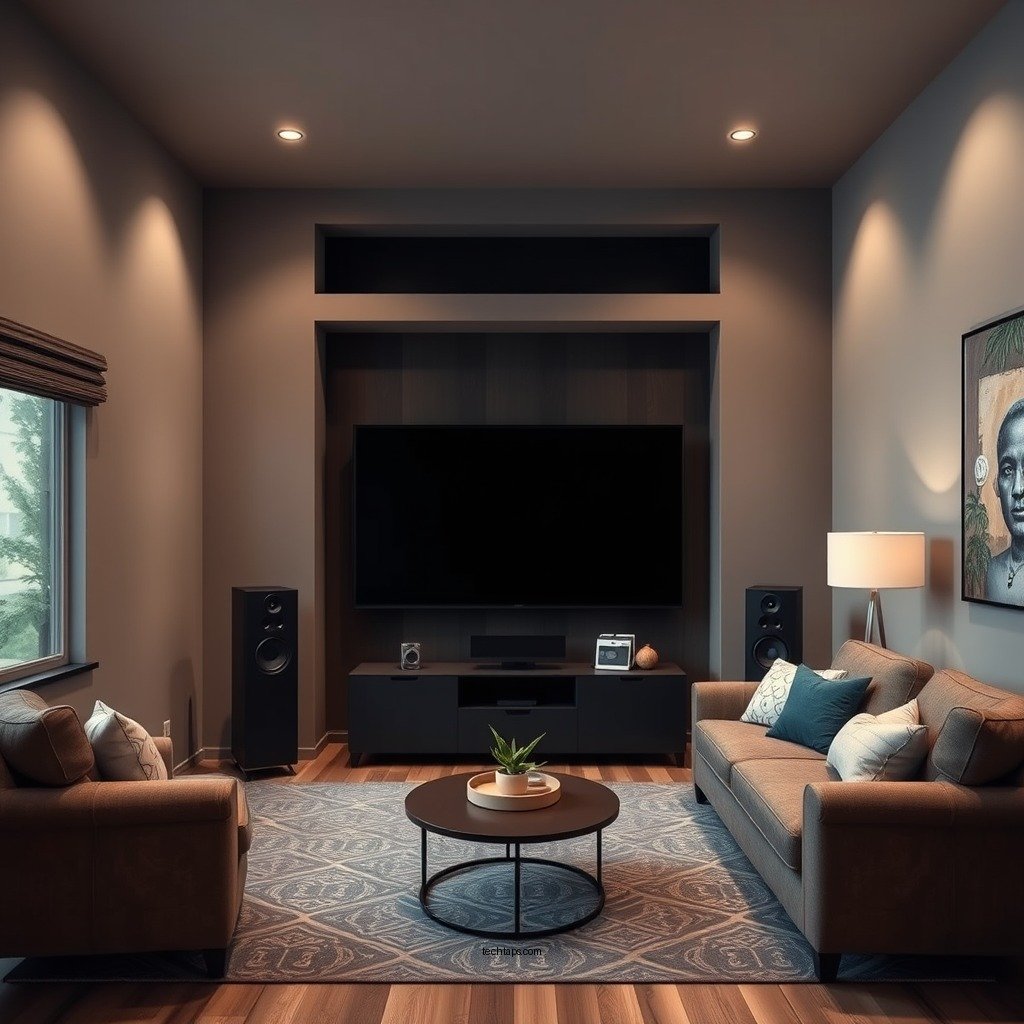
Understanding the acoustics of your room is the foundation of effective speaker placement. Every room has unique dimensions and shapes that influence how sound behaves. To start, assess the size of your room, taking note of whether it is rectangular, square, or irregularly shaped. For instance, a room with high ceilings may require different speaker placement compared to a room with low ceilings.
Additionally, consider sound barriers that may affect audio delivery. Items such as furniture, curtains, and even wall materials can absorb or reflect sound, altering its clarity and impact. For example, thick carpets may dampen sound, while hard surfaces like tile or hardwood can create echoes. By understanding these factors, you can make informed decisions about where to position your speakers for optimal sound quality.
Speaker Placement Basics
When it comes to speaker placement, a few fundamental guidelines can significantly enhance your audio experience. Front speakers should be positioned at ear level when seated. This height allows for optimal sound clarity and ensures that dialogue and music are delivered directly to the listener’s ears. If your speakers are too high or too low, it can lead to a disjointed audio experience.
Moreover, the center channel speaker plays a critical role in enhancing dialogue intelligibility. This speaker should be placed directly facing the listening area, ideally above or below the television. A well-placed center channel ensures that conversations in movies and shows sound natural and clear, preventing viewers from straining to understand dialogue.
Subwoofer Positioning
Subwoofers are unique in their need for careful positioning due to their role in delivering low-frequency sounds. To achieve a balanced sound, it’s crucial to experiment with subwoofer placement. One effective strategy is to try different locations within your room to minimize bass cancellation, which occurs when sound waves from the subwoofer interact destructively.
While placing the subwoofer in a corner can enhance bass response, it’s essential to test various locations. Many audiophiles recommend the “subwoofer crawl” method: place the subwoofer at your primary seating position and walk around the room to find the spot where the bass sounds best. Mark this location and move the subwoofer there for optimal sound.
Best Subwoofer Placement Strategies for Optimal Sound (2024)
| # | Placement Option | Bass Response | Recommended For |
|---|---|---|---|
| 1 | Corner Placement | High | Small Rooms |
| 2 | Side Wall | Medium | Medium Rooms |
| 3 | Front Wall | Medium | Open Spaces |
| 4 | Near Seating Position | Variable | Custom Tuning |
| 5 | Diagonal Placement | High | Unique Designs |
| 6 | Under a Coffee Table | Low | Aesthetics |
| 7 | Isolated Placement | Variable | Advanced Users |
Surround Sound Setup
When creating a surround sound setup, the placement of surround speakers plays a pivotal role in achieving an immersive audio experience. Surround speakers should be positioned slightly above ear level and angled toward the listening area. This configuration enhances the sense of immersion by enveloping listeners in sound, making them feel as though they are part of the action.
Equally important is maintaining an equal distance from the primary seating area to each surround speaker. This uniformity is critical to avoid any audio delay that can disrupt the overall sound field. A common setup involves placing surround speakers approximately two feet above ear level and about 1-2 feet away from the walls. This placement helps to create a cohesive sound field, enhancing the overall home theater experience.
Calibration and Testing
Achieving the best sound quality in your home theater requires careful calibration and testing of your speakers. Many modern audio systems come equipped with room calibration tools or software that can automatically adjust speaker levels based on your room’s acoustics. Utilizing these tools can help optimize the sound quality without extensive manual adjustments.
After the initial calibration, it is crucial to conduct personal listening tests. Play a variety of audio content—movies, music, and sound effects—to determine if adjustments are necessary. Trust your ears; if something sounds off, don’t hesitate to tweak the settings. This iterative process ensures that your setup aligns with your personal preferences while accommodating the unique characteristics of your room.
Common Mistakes to Avoid
Even seasoned home theater enthusiasts can make common mistakes that compromise audio quality. One significant error is placing speakers too close to walls or corners. This positioning can lead to sound distortion, as sound waves reflect off surfaces, creating an uneven listening experience. Ensure that your speakers have enough space to breathe and deliver clear sound.
Another common oversight is failing to account for furniture placement. Large pieces of furniture can obstruct sound waves or create unwanted reflections, negatively impacting audio quality. When setting up your speakers, consider the layout of your room and adjust speaker locations to minimize any potential obstructions.
By adhering to these guidelines, you can achieve optimal speaker positioning that enhances your home theater experience. Remember to regularly reassess and adjust your setup as needed to accommodate any changes in the room or your sound preferences. Enjoy your enhanced audio experience!
Frequently Asked Questions
What is the ideal distance for positioning speakers in a home theater?
The ideal distance for positioning speakers in a home theater typically depends on the room size and speaker type. A general guideline is to place the front speakers about 6-10 feet apart, with the listening position approximately 8-12 feet away from them. This arrangement helps create an immersive soundstage, ensuring maximum audio impact.
How do I determine the best height for my speakers in a home theater?
To achieve optimal audio performance, front speakers should be positioned at ear level when seated, usually around 36-42 inches high. Surround speakers can be placed slightly above ear level, ideally 1-2 feet higher, to enhance the surround sound experience. Proper height ensures that sound waves reach the listener directly for maximum clarity and impact.
Why is speaker placement important for audio quality in a home theater?
Speaker placement is crucial for audio quality because it affects sound distribution and phase coherence. Incorrect placement can lead to sound reflections, dead spots, or imbalanced audio, diminishing the overall home theater experience. By understanding and applying proper positioning techniques, you can enhance clarity, depth, and immersion in your audio experience.
What are the best practices for positioning surround sound speakers in a home theater?
The best practices for positioning surround sound speakers include placing them to the sides or slightly behind the listening area, ideally at an angle of 90-110 degrees from the main seating position. Additionally, ensure that surround speakers are elevated and positioned above ear level to create a more immersive sound environment. Utilizing wall mounts can help optimize placement and reduce clutter.
Which common mistakes should I avoid when positioning my home theater speakers?
Common mistakes to avoid when positioning home theater speakers include placing them too close to walls or corners, which can cause bass boominess and muddiness. Additionally, neglecting to adjust speaker angles and heights for optimal listening can lead to poor sound quality. Always test various placements and configurations to find the best setup for your specific room and equipment.
References
- Home cinema
https://en.wikipedia.org/wiki/Home_theater - https://www.sciencedirect.com/topics/engineering/home-theater
https://www.sciencedirect.com/topics/engineering/home-theater - https://www.bbc.com/future/article/20200602-how-to-make-your-home-theatre-sound-better
https://www.bbc.com/future/article/20200602-how-to-make-your-home-theatre-sound-better - https://www.nytimes.com/2022/12/16/technology/personaltech/home-theater-audio.html
https://www.nytimes.com/2022/12/16/technology/personaltech/home-theater-audio.html - https://www.nature.com/articles/s41598-020-75647-6
https://www.nature.com/articles/s41598-020-75647-6 - https://www.pubmed.ncbi.nlm.nih.gov/29799818/
https://www.pubmed.ncbi.nlm.nih.gov/29799818/ - Google Scholar Google Scholar
https://scholar.google.com/scholar?q=positioning+speakers+home+theater - Google Scholar Google Scholar
https://scholar.google.com/scholar?q=speaker+placement+home+theater - Google Scholar Google Scholar
https://scholar.google.com/scholar?q=audio+impact+home+theater - https://www.britannica.com/topic/home-theater
https://www.britannica.com/topic/home-theater