The future of wireless audio is being significantly reshaped by Bluetooth 5.0, which offers enhanced audio quality, longer range, and improved connectivity. These advancements are revolutionizing the market, creating a more immersive audio experience for consumers while pushing manufacturers to innovate and adapt. As the demand for high-fidelity wireless audio increases, the implications of Bluetooth 5.0 are becoming more pronounced across various sectors, from personal audio devices to smart home integration.



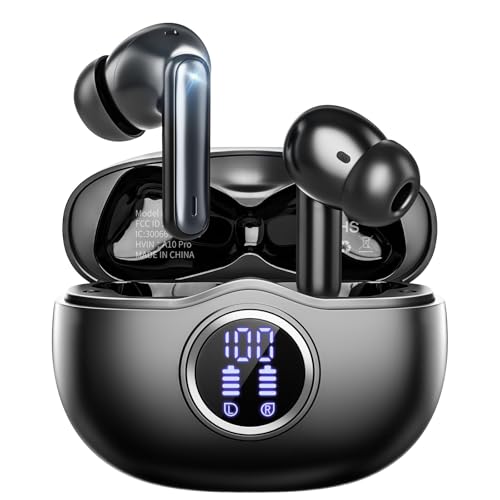
Enhanced Audio Quality

Bluetooth 5.0 supports higher data rates of up to 2 Mbps, which allows for better sound fidelity compared to its predecessors. This increase in bandwidth means that audio signals can be transmitted with less compression, resulting in a more accurate reproduction of sound. For audiophiles, this is a game-changer, as it allows for richer tones and clearer sound, making listening experiences more enjoyable.
Moreover, the ability to transmit audio at higher rates reduces the degradation commonly associated with previous Bluetooth versions. This improvement is particularly important for high-resolution audio formats, such as FLAC and ALAC, where detail preservation is crucial. As a result, consumers can expect to enjoy music that captures the nuances of live performances, making Bluetooth 5.0-enabled devices a preferred choice for discerning listeners.
Extended Range and Connectivity
One of the standout features of Bluetooth 5.0 is its extended range, which can reach up to 800 feet under optimal conditions. This is a significant upgrade from the 33 feet offered by Bluetooth 4.2. Such an expansive range enables users to move freely throughout their homes or offices without losing connection to their audio devices. For instance, users can enjoy music while moving from room to room, or take a call from their smartphone while walking around the house.
Enhanced connectivity is another critical advantage. Bluetooth 5.0 minimizes the chances of dropouts, which have been a common complaint with earlier versions. This reliability is essential for applications like gaming or video conferencing, where interruptions can be distracting and frustrating. As devices become increasingly interconnected, a stable connection ensures that users can enjoy seamless audio experiences across multiple platforms.
Multi-Device Connectivity
Bluetooth 5.0’s ability to connect to multiple devices simultaneously is a significant leap forward for multitasking users. Whether you’re listening to music on your headphones while receiving calls on your smartphone or switching between your tablet and laptop, Bluetooth 5.0 makes these transitions effortless. This feature is especially useful in today’s fast-paced environment, where users often juggle multiple devices throughout their day.
For instance, a user can connect their Bluetooth headphones to both a laptop and a smartphone, allowing them to listen to music on their laptop while remaining available for calls on their phone. This kind of flexibility enhances user experience and productivity, making Bluetooth 5.0 an attractive option for professionals and casual users alike.
Comparison of Bluetooth Versions
| # | Feature | Bluetooth 4.2 | Bluetooth 5.0 |
|---|---|---|---|
| 1 | Data Rate | 1 Mbps | 2 Mbps |
| 2 | Range | 33 feet | 800 feet |
| 3 | Connections | Single device | Multiple devices |
| 4 | Audio Quality | Standard | Enhanced |
| 5 | Latency | High | Low |
| 6 | Interference Resistance | Standard | Improved |
| 7 | Battery Efficiency | Moderate | High |
Lower Energy Consumption
Bluetooth 5.0 is designed with efficiency in mind, which translates to lower energy consumption. This improvement is crucial for portable audio devices, such as wireless headphones and speakers, as it allows them to operate longer on a single charge. The technology’s low-energy features mean that users can enjoy extended listening sessions without the constant need to recharge their devices.
For example, many Bluetooth 5.0 headphones can last for up to 30 hours of continuous playback, compared to older models that might only offer 10-15 hours. This enhancement not only increases user convenience but also contributes to reduced electronic waste, as devices have longer lifespans due to less frequent charging cycles.
Industry Adoption and Trends
The adoption of Bluetooth 5.0 is accelerating among major audio brands, with many integrating the technology into their latest products. Companies such as Sony, Bose, and Apple are leading the charge, developing new audio devices that leverage the advantages of Bluetooth 5.0. This shift is driving a wave of innovation in wireless audio technology, including features like smart home integration and voice control capabilities.
Additionally, as more manufacturers embrace Bluetooth 5.0, consumers can expect a wider selection of high-quality audio products that utilize the latest technology. The competitive landscape is pushing brands to continually improve their offerings, resulting in better performance and unique features that cater to diverse consumer needs.
Consumer Experience and Expectations
As Bluetooth 5.0 solidifies its presence in the market, consumers can expect more user-friendly features and higher quality audio devices. The advancements in audio fidelity, connectivity, and energy efficiency are likely to drive demand for more Bluetooth 5.0-compatible products across various categories, from headphones and speakers to car audio systems.
Moreover, consumers are becoming increasingly discerning, looking for devices that not only deliver superior audio quality but also integrate seamlessly into their digital lifestyles. This means that user interfaces, ease of connectivity, and compatibility with other smart devices will play a pivotal role in purchasing decisions.
Future Innovations on the Horizon
Looking ahead, the potential for further innovations in audio streaming and spatial audio technologies is vast. With the foundation set by Bluetooth 5.0, manufacturers are exploring ways to enhance user experiences through features like 3D audio and improved surround sound capabilities. Additionally, as advancements in Bluetooth technology continue, we can expect even greater enhancements in wireless audio experiences, leading to a future where high-fidelity audio is the norm rather than the exception.
The ongoing development in Bluetooth technology also paves the way for new applications in virtual reality (VR) and augmented reality (AR), where immersive soundscapes can significantly enhance user experiences. As the audio landscape evolves, staying informed about these trends will be essential for consumers and industry professionals alike.
The advancements brought by Bluetooth 5.0 are revolutionizing the wireless audio landscape, providing consumers with better sound quality, connectivity, and energy efficiency. As manufacturers continue to adopt this technology, users can look forward to a future filled with innovative audio experiences. Staying informed about the latest products and trends will help consumers make the most of these exciting developments, ensuring they enjoy the full benefits of modern wireless audio technology.
Frequently Asked Questions
What are the key benefits of Bluetooth 5.0 for wireless audio devices?
Bluetooth 5.0 offers several significant benefits for wireless audio devices, including increased range, faster data transfer speeds, and improved connection stability. With a range of up to 800 feet, users can enjoy their audio without being tethered to their source device. Additionally, the enhanced bandwidth allows for higher quality audio streaming, making it ideal for audiophiles seeking better sound experiences.
How does Bluetooth 5.0 improve audio quality compared to previous versions?
Bluetooth 5.0 enhances audio quality by supporting higher data transfer rates, enabling lossless audio streaming and reducing latency. This means that users can experience clearer sound with less delay, which is especially beneficial for activities like gaming or watching movies. Moreover, the improved codec support allows for better compression without sacrificing audio fidelity, making wireless listening more enjoyable.
Why should consumers choose Bluetooth 5.0 enabled devices over older versions?
Consumers should opt for Bluetooth 5.0 enabled devices because they offer superior performance, longer range, and better battery efficiency compared to older Bluetooth versions. The advancements in connectivity and audio quality not only enhance the listening experience but also ensure compatibility with future devices and technologies, making them a more future-proof investment.
Which wireless audio products are currently using Bluetooth 5.0 technology?
Many leading brands have embraced Bluetooth 5.0 technology in their wireless audio products, including headphones, speakers, and soundbars. Notable examples include the latest models from companies like Sony, Bose, and Apple, which leverage Bluetooth 5.0 to deliver exceptional audio performance. Consumers can easily find a wide range of options to suit their preferences and budgets.
What challenges might users face when transitioning to Bluetooth 5.0 audio devices?
Users transitioning to Bluetooth 5.0 audio devices may encounter challenges such as compatibility issues with older devices that do not support the newer technology. Additionally, while Bluetooth 5.0 enhances audio quality, users may need to ensure their audio source supports high-quality codecs to fully benefit from these advancements. It’s essential to research and verify compatibility to maximize the audio experience.
References
- https://en.wikipedia.org/wiki/Bluetooth#Bluetooth_5.0
https://en.wikipedia.org/wiki/Bluetooth#Bluetooth_5.0 - https://www.sciencedirect.com/topics/engineering/bluetooth-5-0
https://www.sciencedirect.com/topics/engineering/bluetooth-5-0 - https://www.nature.com/articles/s41586-019-1387-5
https://www.nature.com/articles/s41586-019-1387-5 - https://www.pubmed.ncbi.nlm.nih.gov/32342067/
https://www.pubmed.ncbi.nlm.nih.gov/32342067/ - https://www.bbc.com/news/technology-47409080
https://www.bbc.com/news/technology-47409080 - https://www.theguardian.com/technology/2020/jan/29/bluetooth-5-0-what-you-need-to-know
https://www.theguardian.com/technology/2020/jan/29/bluetooth-5-0-what-you-need-to-know - https://www.reuters.com/article/us-bluetooth-idUSKBN1ZJ0C1
https://www.reuters.com/article/us-bluetooth-idUSKBN1ZJ0C1 - Google Scholar Google Scholar
https://scholar.google.com/scholar?q=Future+of+Wireless+Audio+Bluetooth+5.0 - Google Scholar Google Scholar
https://scholar.google.com/scholar?q=Bluetooth+5.0+impact+on+audio+market - Google Scholar Google Scholar
https://scholar.google.com/scholar?q=Bluetooth+5.0+technology+trends