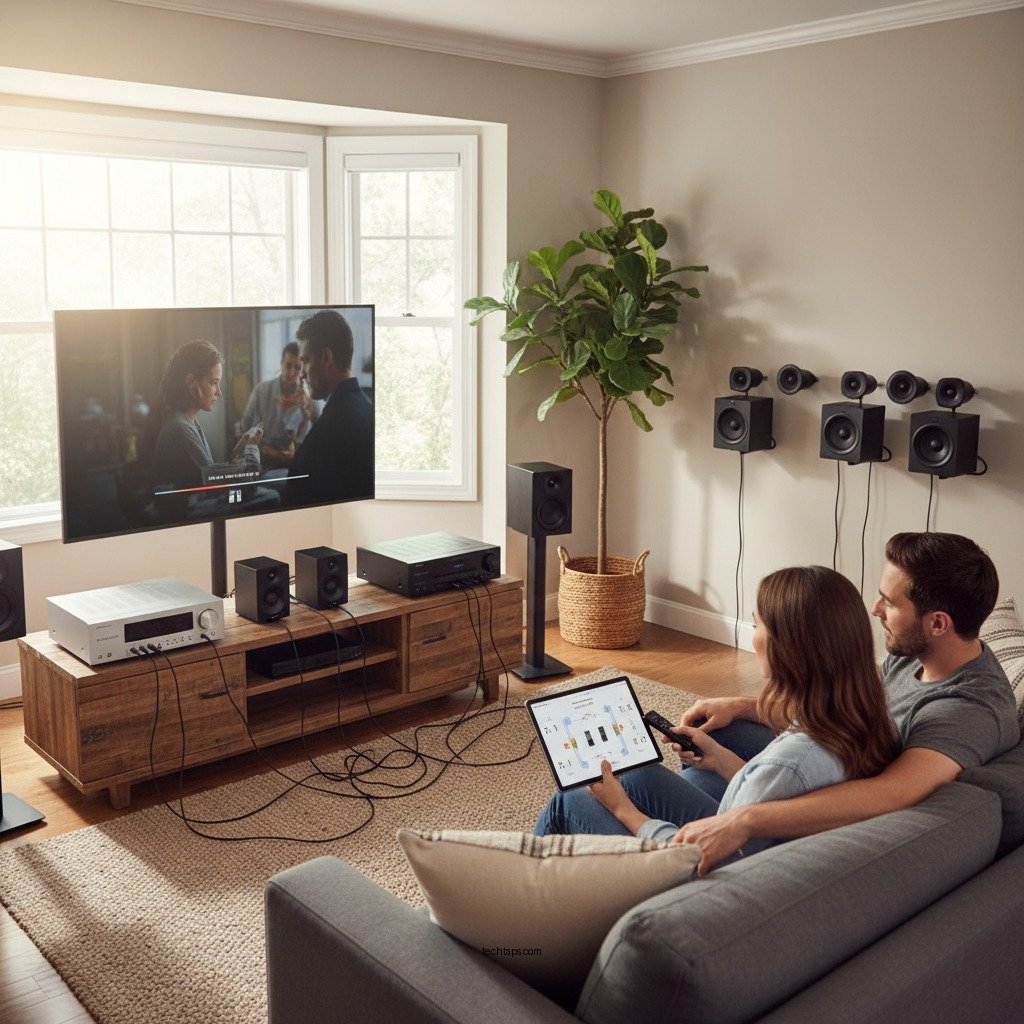

Choosing between a 5.1 and 7.1 surround sound system for your home theater boils down to several key factors, including room size, budget, and personal audio preferences. A 5.1 system is typically more suitable for smaller spaces and can be more cost-effective, while a 7.1 setup offers a deeper, more immersive sound experience, especially in larger rooms. This article will delve into the critical aspects to consider when making this important decision for your audio setup.
Understanding Surround Sound Configurations
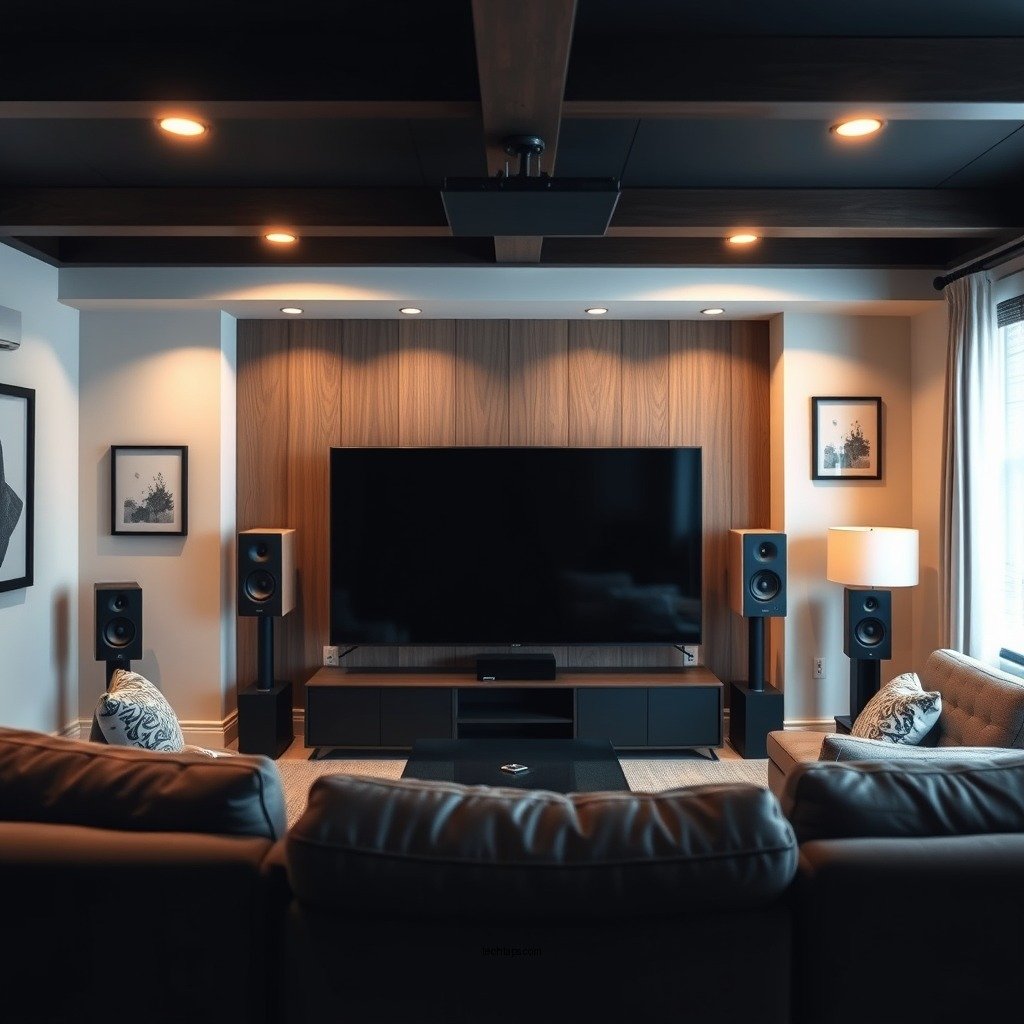
When it comes to surround sound systems, the numbers denote the configuration of speakers. A 5.1 surround sound system consists of five speakers and a subwoofer, making it an excellent choice for compact setups. The configuration typically includes three front speakers (left, center, right), two rear speakers (left and right), and a subwoofer to handle bass frequencies. This setup is ideal for creating a balanced soundstage that enhances movies, music, and gaming experiences without overwhelming the listener.
In contrast, a 7.1 surround sound system includes two additional rear speakers, which enhances the audio experience by providing a more comprehensive surround sound environment. The extra speakers allow for a more accurate representation of sound directionality, which is particularly beneficial in larger spaces where sound can dissipate. This setup is often sought after by audiophiles and serious gamers who wish to immerse themselves completely in their audio experiences.
Room Size and Acoustics
The size and acoustics of your room play a vital role in determining the best surround sound setup for your needs.
Small to Medium Rooms
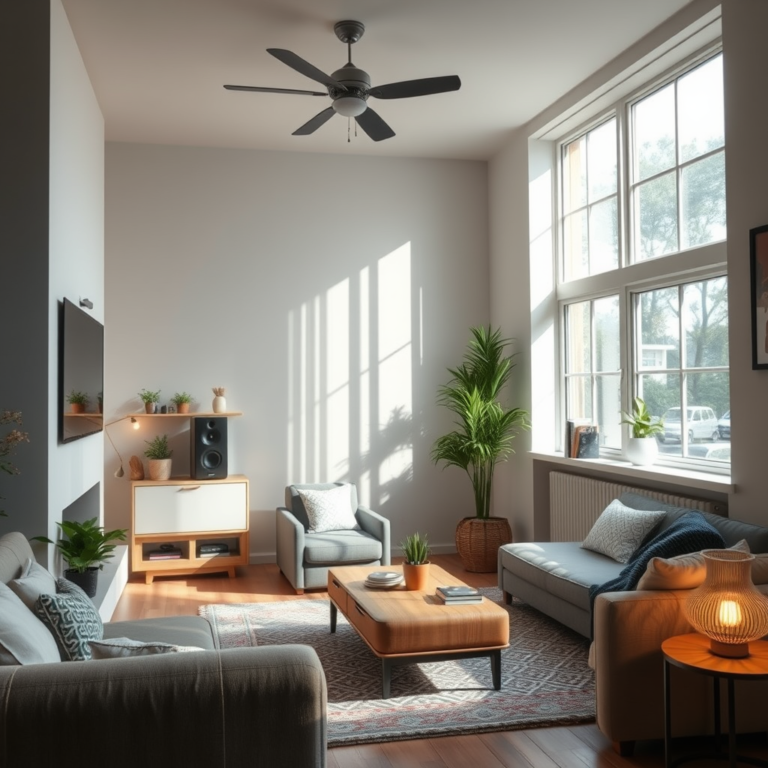
For smaller to medium-sized rooms, a 5.1 surround sound system often suffices. It delivers excellent sound quality without overwhelming the space. The fewer speakers in a 5.1 setup make it easier to manage acoustically, and it often requires less complex installation and positioning. In environments where space is a premium, such as apartments or small living rooms, a 5.1 configuration can create a satisfying audio experience without excessive clutter.
Large Rooms
Conversely, if you have a larger room, a 7.1 system is more advantageous. The additional two speakers help fill the space with sound, ensuring a more balanced audio experience across the entire area. This setup reduces the likelihood of dead spots—areas where sound is less prominent—thereby enhancing the overall clarity and depth of the audio. In larger home theaters, the immersive quality of sound can significantly enhance movie watching, gaming, and music listening, making the investment worthwhile.
Budget Considerations
When selecting between a 5.1 and 7.1 surround sound system, budget is a crucial aspect to consider.
Cost of Equipment
Generally, 5.1 systems are more affordable due to their fewer components, which translates to lower costs for speakers and installation. These systems are often available in packaged deals, making them accessible to a broader range of consumers. This budget-friendly nature allows for more flexibility in allocating funds to other elements of your home theater, such as a better TV or streaming equipment.
Long-term Investment
However, while a 5.1 system may seem more appealing financially at first, it’s essential to think long-term. If you anticipate upgrading your system in the future or if your room size may change, investing in a 7.1 system now could save you money in the long run. The potential costs involved in upgrading a 5.1 system to a 7.1 later can sometimes exceed the initial price difference.
Audio Quality and Experience
The audio experience can vary significantly between the two systems, depending on how you plan to use them.
Immersion Levels
For those seeking an immersive audio experience, particularly for movies and gaming, a 7.1 system is generally superior. The additional speakers create a more dynamic soundscape, allowing you to hear audio details that would be lost in a 5.1 setup. This level of immersion is particularly beneficial for action films and video games where spatial audio cues are crucial for gameplay.
Content Availability
It’s also important to consider the content you’ll be consuming. Many modern movies and games are produced with 7.1 soundtracks, meaning that if you invest in a 7.1 system, you can take full advantage of the audio capabilities of these productions. However, if your primary usage involves casual streaming of content that primarily supports 5.1 audio, a 5.1 system could adequately meet your needs.
Speaker Placement and Setup
The installation and setup process can vary significantly between the two systems.
5.1 Setup
A 5.1 configuration is generally easier to install. With fewer speakers to position, DIY enthusiasts often find it manageable to set up their systems without professional assistance. The optimal placement involves positioning the front speakers in a linear fashion and placing the rear speakers at ear level, which can be straightforward in most environments.
7.1 Setup
In contrast, a 7.1 system requires more intricate planning and speaker placement to ensure optimal sound distribution. The additional rear speakers need to be strategically placed to avoid phase issues and to ensure that sound envelops the listener effectively. This complexity might necessitate professional installation, particularly for those unfamiliar with audio setups.
Future-Proofing Your Home Theater
As technology evolves, so too should your considerations for your home theater system.
Technology Advancements
If you plan to keep your home theater setup for years to come, investing in a 7.1 system may offer greater adaptability to new technologies. With advancements in audio formats and streaming services increasingly supporting higher surround sound configurations, a 7.1 system could be a more future-proof investment.
Resale Value
Furthermore, if you ever decide to sell your home theater setup, a 7.1 system may hold more appeal to prospective buyers. Home theaters are often viewed as premium features, and a 7.1 system could be a selling point that adds value to your home.
Personal Preferences and Usage
Ultimately, your personal audio preferences and how you intend to use your system should guide your decision.
Movie vs. Music
Consider what you primarily use your system for. If you’re a film enthusiast, a 7.1 system can significantly enhance cinematic experiences with richer sound quality and a more immersive atmosphere. However, if your focus is on casual music listening or streaming shows, a 5.1 system may suffice for your needs.
Gaming vs. Streaming
For gamers, the spatial audio capabilities of a 7.1 setup can provide a competitive edge, letting you hear opponents’ movements more accurately. On the other hand, those who primarily stream content may find that a 5.1 system meets their requirements without the need for additional investment.
Key Features of 5.1 vs. 7.1 Surround Sound Systems
| # | Feature | 5.1 System | 7.1 System |
|---|---|---|---|
| 1 | Number of Speakers | 5 | 7 |
| 2 | Ideal Room Size | Small to Medium | Large |
| 3 | Installation Complexity | Easier | More Complex |
| 4 | Cost | Lower | Higher |
| 5 | Audio Immersion | Moderate | High |
| 6 | Best for Movies | Good | Excellent |
| 7 | Best for Gaming | Adequate | Superior |
| 8 | Future Proof | Limited | More Adaptable |
| 9 | Content Availability | Common | Increasing |
| 10 | Resale Value | Moderate | Higher |
Choosing between a 5.1 and 7.1 surround sound system involves evaluating your space, budget, and audio preferences. A 5.1 system is often adequate for smaller environments, while a 7.1 setup provides an enriched sound experience suited for larger areas. It’s crucial to consider both your current needs and potential future upgrades to make an informed decision that enhances your home theater experience. Take the next step by exploring different systems and listening to demos to find the perfect fit for your setup.
Frequently Asked Questions
What is the main difference between 5.1 and 7.1 surround sound systems?
The primary difference between 5.1 and 7.1 surround sound systems lies in the number of speakers used. A 5.1 system includes six channels (five speakers and one subwoofer), while a 7.1 system adds two additional speakers, typically placed at the rear, to enhance audio depth and immersion. This additional speaker placement can create a more enveloping sound experience, particularly for larger home theaters.
How do I determine if a 7.1 surround sound system is worth the investment?
To determine if a 7.1 surround sound system is worth the investment, consider the size of your room and your listening preferences. If you have a spacious home theater and often watch movies or play games that support advanced audio formats, a 7.1 system can significantly enhance your experience. However, if your space is smaller or you’re primarily using the system for casual viewing, a 5.1 setup may suffice.
Why might I choose a 5.1 system over a 7.1 system for my home theater?
You might choose a 5.1 system over a 7.1 system for its affordability and simplicity. A 5.1 setup requires fewer speakers, making it easier to install and manage, especially in smaller rooms where space is limited. Additionally, many movies and shows are mixed for 5.1 sound, meaning you can still enjoy a high-quality audio experience without the need for extra speakers.
Which surround sound system is best for gaming: 5.1 or 7.1?
For gaming, a 7.1 surround sound system is often considered the best option due to its ability to create a more immersive audio environment. The additional rear speakers provide enhanced positional audio, allowing you to hear sounds from behind more accurately, which can be crucial in competitive gaming. However, a quality 5.1 system can still deliver an excellent gaming experience, especially if you’re on a budget.
What factors should I consider when choosing between 5.1 and 7.1 surround sound?
When choosing between 5.1 and 7.1 surround sound, consider factors such as room size, speaker placement, budget, and what content you’ll be using the system for. Larger rooms benefit from the extra speakers of a 7.1 system, while smaller spaces might be better suited for a 5.1 setup to avoid overwhelming the environment. Additionally, assess whether you primarily watch movies, play games, or listen to music, as this can influence your decision.
References
- https://en.wikipedia.org/wiki/Surround_sound
https://en.wikipedia.org/wiki/Surround_sound - https://www.bbc.com/future/article/20200803-how-to-set-up-the-perfect-home-cinema
https://www.bbc.com/future/article/20200803-how-to-set-up-the-perfect-home-cinema - https://www.sciencedirect.com/science/article/pii/S2352914820304575
https://www.sciencedirect.com/science/article/pii/S2352914820304575 - https://www.nytimes.com/2021/12/16/technology/home-theater-set-up.html
https://www.nytimes.com/2021/12/16/technology/home-theater-set-up.html - https://www.britannica.com/topic/surround-sound
https://www.britannica.com/topic/surround-sound - https://www.theguardian.com/technology/2020/dec/19/how-to-set-up-your-home-theater
https://www.theguardian.com/technology/2020/dec/19/how-to-set-up-your-home-theater - https://pubmed.ncbi.nlm.nih.gov/31082845/
https://pubmed.ncbi.nlm.nih.gov/31082845/ - https://scholar.google.com/scholar?q=5.1+vs+7.1+surround+sound+home+theater Google Scholar
https://scholar.google.com/scholar?q=5.1+vs+7.1+surround+sound+home+theater - https://scholar.google.com/scholar?q=choosing+surround+sound+system+home+theater Google Scholar
https://scholar.google.com/scholar?q=choosing+surround+sound+system+home+theater - https://scholar.google.com/scholar?q=How+to+Choose+Between+5.1+and+7.1+Surround+Sound+for+Your+Home+Theater Google Scholar
https://scholar.google.com/scholar?q=How+to+Choose+Between+5.1+and+7.1+Surround+Sound+for+Your+Home+Theater