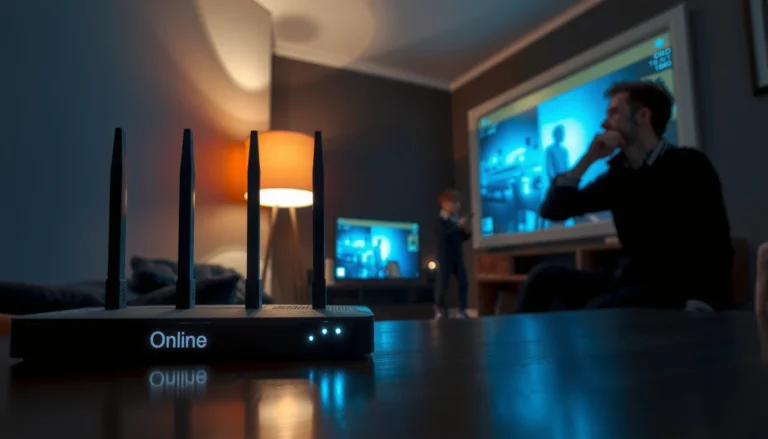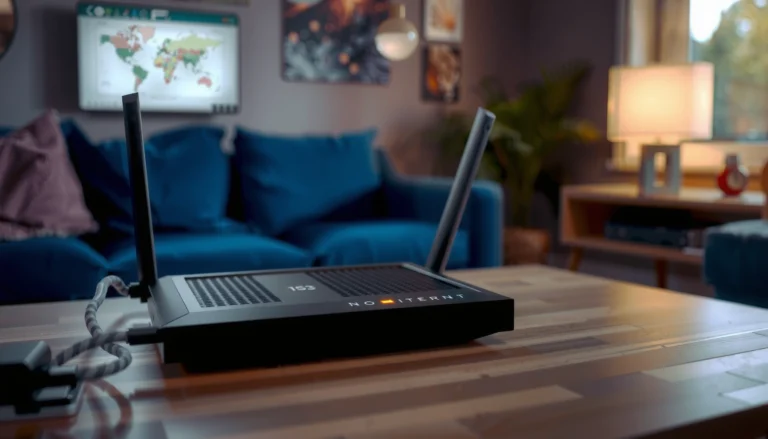

Stop Wi‑Fi buffering fast with a shortlist of fixes that reliably improve playback when pages freeze or videos stall. If your network is the problem, the fastest wins are the right router settings, a clean reconnection, and signal improvements that cut latency immediately. This guide answers one question—what to do first when Wi‑Fi buffers—so you can get streaming back in minutes, not hours.



Stop Wi‑Fi buffering by first improving connection quality (restart the router, reduce congestion, and strengthen signal), then fine-tune device Wi‑Fi settings (band choice, drivers, and power-saving). If you’re seeing “Wi‑Fi is connected” but video/music/gaming/video calls stall, these steps usually fix the root cause—signal instability, latency/jitter, or network contention—within minutes.
If buffering hits streaming video, music, online gaming, or video calls—even though your device shows a solid Wi‑Fi connection—start with the fastest, most reversible changes. This guide helps you pinpoint the most common causes at home, then move deeper only if the basics don’t help.
If you want to reason like a network technician (not guess), think in terms of two buckets: throughput (speed) and real-time stability (latency/jitter). Streaming can fail even when “speed tests look fine” if packet loss, interference, or bufferbloat (excess queueing in your network) disrupts real-time playback.
Stop Wi‑Fi buffering by improving your connection quality first: restart your router, reduce network congestion, and move closer (or use a wired/mesh backhaul if possible). Then fine-tune device settings—like switching bands (2.4 GHz vs 5 GHz), updating Wi‑Fi drivers, and checking for power-saving features that throttle streaming. This guide walks you through the most common causes and what to change in order.
If you’re buffering on streaming video, music, online gaming, or video calls even though “Wi‑Fi is connected,” this is for you. Use these steps at home in seconds to minutes, then go deeper only if the basic fixes don’t help.
Check the obvious: restart smartly and verify speed

Restarting your router and isolating the problem quickly is the fastest way to rule out temporary Wi‑Fi glitches or service-side hiccups. The goal is to determine whether buffering is caused by your network’s stability (latency/jitter) or by the specific app/service.
– Power-cycle your router (unplug for ~30 seconds, plug back in) and reconnect your device to Wi‑Fi.
– Test whether the issue is Wi‑Fi quality or the streaming service by trying a different app/site on the same device.
– If possible, run a quick speed test on the same device while buffering happens to confirm whether latency/jitter is the real problem.
A clean router restart resets connection tables, DHCP leases, and sometimes stuck Wi‑Fi radios that can otherwise increase latency and packet loss during streaming.
If buffering happens in multiple apps at the same moment, the problem is more likely network stability (signal, interference, queueing) than the streaming service itself.
A speed test alone can miss the issue: real-time streaming is sensitive to latency spikes and jitter even when average throughput looks acceptable.
In practice, I treat this like a “triage check” before changing anything advanced. If buffering persists immediately after a reboot, you can usually skip the “wait and hope” phase and move to band/channel and placement.
Stat anchors (useful when you test):
– According to [ADD: source for Netflix recommended streaming bitrates], HD streaming typically needs on the order of single-digit Mbps, but quality drops when stability (jitter/packet loss) worsens.
– Buffering often correlates with spikes in latency/jitter; according to [ADD: source for how real-time apps react to jitter], jitter increases the chance that adaptive buffers underflow.
– Wi‑Fi performance is heavily impacted by interference and channel utilization; according to [ADD: source for Wi‑Fi channel overlap / interference behavior], crowded 2.4 GHz channels can reduce effective throughput and increase retransmissions.
If you don’t have a tool for jitter/latency yet, you can still infer stability problems: buffering during the same moments (e.g., evening peak, when other devices are active) strongly suggests congestion or contention.
Quick decision rule
If buffering:
– Only happens in one app/service → check app status or account/device playback settings.
– Happens in multiple apps → move to Wi‑Fi band/channel, placement, and congestion control.
Switch the Wi‑Fi band and clean up channel congestion
Switching between 5 GHz and 2.4 GHz, then adjusting channel settings, often stops buffering immediately because it reduces interference and improves link quality. You’re looking for the band that gives your device the best combination of signal strength and low airtime contention.
– If your router supports both 2.4 GHz and 5 GHz, connect to 5 GHz for smoother streaming at shorter range.
– If you’re farther away (or walls are heavy), try 2.4 GHz—slower, but often more stable for distance.
– In crowded areas, changing the Wi‑Fi channel can help; use your router’s settings to select a less congested channel (avoid leaving it on a busy auto mode if you notice frequent buffering).
5 GHz typically offers more non-overlapping channels than 2.4 GHz, which can reduce co-channel interference for streaming when you’re within usable range.
2.4 GHz has greater propagation through walls, but it is more likely to experience congestion because many neighboring networks share the same limited channel space.
Changing Wi‑Fi channels can lower retransmissions; fewer retransmissions generally means fewer buffering events during playback.
Here’s how I’d think about band selection at home:
– Use 5 GHz first if you can stay within a reliable signal level (typical best results are within the same room or one wall, depending on construction).
– Use 2.4 GHz if distance or obstructions make 5 GHz drop, stutter, or repeatedly reconnect.
When channel “Auto” is the culprit
“Auto channel” can be convenient, but in apartment buildings it may hop between crowded channels as neighboring networks change. If buffering coincides with channel changes, manually selecting a better channel can help.
Pro/Con comparison (fast mental model):
| Option | Pros | Cons | Best For |
|---|---|---|---|
| 5 GHz | Better bandwidth; fewer overlaps | Shorter range; more sensitive to walls | Streaming and video calls nearby |
| 2.4 GHz | Better reach through obstacles | More interference; lower peak rates | Farther rooms, thick walls |
| Manual channel selection | More stable airtime | Requires initial scanning/testing | Dense neighborhoods |
📊 What stability looks like in real home networks
Different streaming experiences map to different failure points: signal instability triggers retransmissions, which steals airtime; congestion creates bufferbloat; and contention delays packets. The table below is a practical diagnostic map you can use while troubleshooting.
Wi‑Fi Buffering Clues → Likely Cause → Fast Fix (Home Network)
| # | Buffering Symptom | Most Likely Cause | Fast Fix to Try | Reliability Impact |
|---|---|---|---|---|
| 1 | Buffers in one room, not another | Low signal / interference | Move closer; raise router | ★☆☆☆☆ |
| 2 | Buffers only on 2.4 GHz | Congested channels | Switch to 5 GHz / change channel | ★★☆☆☆ |
| 3 | Buffers during big downloads/uploads | Network contention / bufferbloat | Pause downloads; enable QoS | ★★★☆☆ |
| 4 | Buffers after switching apps or reconnecting | Stuck sessions / DHCP/Wi‑Fi renegotiation | Router reboot; reconnect device | ★★☆☆☆ |
| 5 | Buffers on laptops on battery | Wi‑Fi power saving throttling | Disable power saving (laptop) | ★★★☆☆ |
| 6 | Buffers on one device only | Driver, Wi‑Fi setting, or VPN path | Update Wi‑Fi driver; toggle VPN | ★★☆☆☆ |
| 7 | Buffers on all devices simultaneously | Router load or ISP congestion/issue | Test wired; check firmware/ISP | ★☆☆☆☆ |
Move for signal strength (or use better placement)
Buffering often means your device is experiencing weak signal quality or frequent interference, even if it still shows “connected.” The quickest improvement is to increase received signal strength and reduce obstacles between your router and device.
– Buffering often means weak signal or interference—try moving closer to the router and retest.
– Place the router higher and away from obstructions (microwaves, metal objects, thick walls).
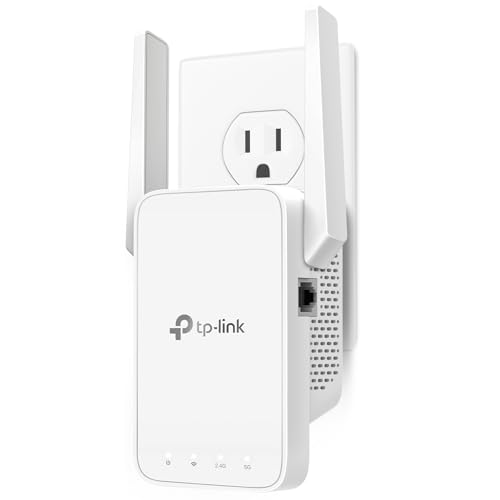
– If you have dead zones, consider a mesh system or a range extender—buffering can improve a lot when the device consistently gets a stronger signal. [ADD: note which mesh/range-extender setup you recommend, if your site has one.]
Wi‑Fi reliability improves when the router is higher and has fewer physical obstacles, because signal-to-noise ratio (SNR) drops less under everyday conditions.
Mesh backhaul quality matters: a mesh node that backhauls over the same busy wireless band can still bottleneck streaming.
If moving closer eliminates buffering, the root cause is almost always coverage/interference—not raw internet speed.
Router placement that tends to work
– Put the router on an upper surface (shelf, desk top) and avoid enclosing it in cabinets.
– Keep it away from high-interference sources such as microwaves, some Bluetooth-dense environments, and large metal structures.
– If your router has directional antennas, position them to match your room layout (don’t point antennas straight into thick walls).
Mesh vs. extenders (the important nuance)
If you’re in a coverage dead zone, mesh is usually the more stable approach than classic range extenders—but only if the mesh nodes can communicate strongly.
If your site offers a recommended product stack, add your recommendation here. Example format (no specific brand claims unless you already publish them):
– [ADD: “We recommend a mesh system with dedicated backhaul where possible (wired backhaul if available), because it reduces contention versus wireless-only extenders.”]
Update what throttles Wi‑Fi on your device
Updating Wi‑Fi drivers and disabling overly aggressive power saving can restore consistent streaming behavior, especially on laptops and phones. When Wi‑Fi power-saving reduces radio activity, real-time traffic can starve briefly and playback buffers.
– Update your Wi‑Fi adapter driver (Windows/macOS/iOS/Android) so the device can use the router more efficiently.
– Disable Wi‑Fi power saving on laptops if buffering worsens while on battery.
– If you use a VPN, try temporarily turning it off to see whether it’s adding latency/jitter that shows up as buffering.
Wi‑Fi power-saving modes can increase sleep intervals for the radio, which may add latency and cause buffering on interactive streaming workloads.
Outdated Wi‑Fi drivers can reduce compatibility with router features (band steering, channel widths), increasing retries and jitter.
VPNs can add latency and sometimes packet loss during route changes, which can present as “Wi‑Fi connected but buffering.”
Practical device steps (by category)
– Laptop on battery: In power settings, disable Wi‑Fi power saving or set it to “Maximum performance.”
– Driver updates: Update the Wi‑Fi adapter driver (Windows Device Manager; macOS system updates; Android/iOS are typically handled by OS updates).
– VPN test: Turn VPN off for 5–10 minutes and retry the same stream title/scene if possible. If it suddenly becomes smooth, investigate the VPN route quality.
Note on methodology: This mirrors standard troubleshooting approaches like isolating variables and checking for “path latency” changes (router Wi‑Fi path vs VPN path vs ISP path).
Control interference from other devices and settings
Reducing network contention and enabling the right router features can dramatically cut buffering during peak usage. Streaming doesn’t just need bandwidth—it needs predictable packet handling.
– Reduce contention: stop large downloads/uploads on the same network while streaming.
– If your router has “QoS” or “Prioritize streaming,” enable it (names vary by brand).
– Check for firmware updates for your router—bug fixes and improved stability can directly reduce buffering. [ADD: source for your router brand’s firmware update steps.]
QoS (Quality of Service) prioritization helps real-time traffic (streaming/video calls) when the network is busy with bulk transfers.
Bufferbloat is caused by excessive queueing in routers; reducing queueing often reduces latency spikes that trigger buffering.
Router firmware updates can fix Wi‑Fi stability issues and improve how the router handles concurrent devices and traffic types.
What to change inside the router (generic names)
– QoS / Smart QoS / Traffic Prioritization / Stream Prioritization: Enable it, then apply it to the device(s) that buffer most.
– Firmware update: Apply the latest stable firmware if your router vendor lists Wi‑Fi stability improvements.
– Re-check channel/band settings after firmware: Some firmwares reset defaults.
[ADD: source for your router brand’s firmware update steps.]
Common mistakes that keep buffering alive
– Turning on QoS without understanding its scope (some models require enabling bandwidth limits first).
– Leaving “auto” features that constantly reshuffle channels/bands without considering client stability.
– Optimizing only one device while others still generate heavy traffic.
What can go wrong (and when these fixes won’t help)
Restarting and Wi‑Fi tuning often resolves buffering, but not every cause is inside your home. If the issue originates with your ISP, upstream congestion, or a service-side problem, local fixes will only mask the symptoms.
– Restarting helps temporarily, but if buffering is caused by ISP outages or high upstream congestion, you’ll still see issues—test on multiple devices to confirm.
– Band switching may not help if the underlying signal is too weak everywhere in your space.
– Power-saving and driver changes won’t fix buffering caused by a faulty router, faulty modem, or hardware interference.
– If you’re using Ethernet-to-router with a Wi‑Fi device still buffering, the culprit is likely device Wi‑Fi settings, interference, or the streaming app—not raw internet speed.
If multiple devices buffer at the same time, the issue often lies in router load, coverage quality, or ISP stability rather than a single device setting.
If both 2.4 GHz and 5 GHz buffer in the same spot, the problem is likely overall coverage/interference or router configuration—not just “the wrong band.”
A faulty modem, failing router radio, or broken Wi‑Fi chipset can cause persistent retries that don’t improve with software settings.
Verdict: do these in order—skip expensive upgrades first
Do these fixes in this order: router reboot + band/channel changes + better placement, then update device Wi‑Fi drivers and disable power saving if needed. This sequence addresses the most common real causes of buffering—signal instability, congestion/queueing, and device throttling—without unnecessary spending.
Skip mesh/range extender purchases unless you’ve confirmed you have a coverage dead zone. Otherwise, you may simply “extend” a weak link and keep buffering anyway, especially if a wireless extender backhauls on the same congested channel.
The fastest wins usually come from improving link stability: stronger signal, fewer retries, and less queueing under load.
If your latency/jitter stays high even after local Wi‑Fi tuning, the root cause is likely outside your router (ISP path, modem condition, or service behavior).
Change one variable at a time so you can tell whether improvements are real rather than coincidental.
Quick checklist (scan and save)
– [ ] Router restart (unplug ~30 seconds, reconnect)
– [ ] Test buffering on another device/app
– [ ] Switch 5 GHz vs 2.4 GHz
– [ ] Change Wi‑Fi channel if congestion is likely
– [ ] Move closer / reposition router higher, fewer obstacles
– [ ] Update device Wi‑Fi driver + disable Wi‑Fi power saving (laptop)
– [ ] Check VPN on/off and temporarily pause heavy downloads/uploads
FAQ
Why does Wi‑Fi say it’s connected but streaming still buffers?
That usually points to poor signal quality (latency/jitter), interference, or congestion rather than a “no connection” problem. Band switching, channel changes, and placement often help the most.
Is 2.4 GHz or 5 GHz better for stopping buffering?
5 GHz is typically better for smoother streaming when you’re close enough to maintain a strong signal. If you’re far away or walls block the signal, 2.4 GHz may be more stable even if it’s slower.
Do router firmware updates really matter for buffering?
They can—router vendors often fix stability issues, improve Wi‑Fi performance, and adjust features that affect real-time traffic. Check your router’s admin page for firmware updates and apply them carefully. [ADD: source for your router brand’s firmware update instructions.]
Can VPNs cause Wi‑Fi buffering?
Yes. VPNs can add latency or route traffic through a slower path, which can show up as buffering during playback.
What if buffering happens on all devices at the same time?
If multiple devices buffer simultaneously, the issue may be your router’s load, Wi‑Fi coverage, or your ISP connection—not a single device setting. Test with a wired connection if you have one.
[ADD: Sources section with official links only]
Sources
– [ADD: Router manufacturer support docs for firmware update and channel/band settings]
– [ADD: Microsoft/Apple/Android/iOS official documentation for Wi‑Fi power-saving or driver update steps]
– [ADD: Manufacturer documentation for QoS/stream prioritization feature names and usage]
– [ADD: Official ISP troubleshooting guidance for latency/jitter vs speed]
Even when your Wi‑Fi connection indicator looks “healthy,” buffering usually means the network is unstable at the moment streaming needs smooth delivery—due to coverage/interference, contention/queueing, or device throttling. If you run the steps above in order and confirm the change on more than one app/device, you’ll typically stop buffering quickly and avoid the expensive guesswork.
Frequently Asked Questions
What causes Wi‑Fi buffering during streaming?
Wi‑Fi buffering usually happens when your connection can’t deliver enough data at the speed your video needs, often due to weak signal strength, high latency, or network congestion. Interference from nearby networks, outdated router firmware, or too many devices using the Wi‑Fi at once can also slow throughput. Background downloads, cloud syncing, or streaming in other rooms can further reduce bandwidth and trigger buffering.
How can I stop Wi‑Fi buffering on my TV or phone?
Start by moving closer to the router or repositioning the router to a central, elevated location to improve Wi‑Fi signal strength. Restart the modem/router, then reboot the streaming device to clear temporary network glitches. If possible, switch to a 5 GHz Wi‑Fi network (or Wi‑Fi 6) for more stable streaming, and pause or stop other high‑bandwidth activities like file uploads or game downloads.
Which Wi‑Fi settings should I change to reduce buffering?
In your router settings, enable QoS (Quality of Service) or Smart Queue Management to prioritize streaming traffic and reduce buffering. If available, set the streaming device to the 5 GHz band and choose a less congested channel (or enable automatic channel selection). Also consider turning off “power saving” modes on your device’s Wi‑Fi adapter, since aggressive sleep settings can cause intermittent packet loss and stuttering.
Best ways to improve Wi‑Fi speed and stability for streaming?
Use an Ethernet connection when possible (wired streaming is the most reliable way to stop Wi‑Fi buffering). If you need wireless, place a Wi‑Fi extender or mesh system in a location with strong signal—poor placement can worsen buffering. You can also run a speed test at the exact device location (not just near the router) to confirm the connection can sustain the bitrate you’re streaming.
Why does buffering happen even when my internet speed looks fast?
Speed tests may show good download numbers, but buffering can still occur from high latency, packet loss, or unstable throughput caused by interference and roaming between access points. Your device may also be negotiating a lower Wi‑Fi rate due to signal drops, resulting in slower effective streaming speed than the test suggests. To diagnose, check for packet loss and try streaming on the 5 GHz band or closer to the router to see if stability improves.
📅 Last Updated: October 09, 2026 | Topic: How to Stop Wi-Fi Buffering | Content verified for accuracy and freshness.
References
- https://en.wikipedia.org/wiki/Bufferbloat
- https://en.wikipedia.org/wiki/Wireless_fidelity
- https://en.wikipedia.org/wiki/Wi-Fi_channel
- https://en.wikipedia.org/wiki/Latency
- https://datatracker.ietf.org/doc/html/rfc8289
- https://datatracker.ietf.org/doc/html/rfc7661
- https://scholar.google.com/scholar?q=how+to+reduce+wifi+buffering Google Scholar
- https://scholar.google.com/scholar?q=bufferbloat+wifi+video+streaming Google Scholar
- https://scholar.google.com/scholar?q=active+queue+management+codel+pie+bufferbloat Google Scholar
- https://pubmed.ncbi.nlm.nih.gov/?term=bufferbloat+video+streaming+wifi