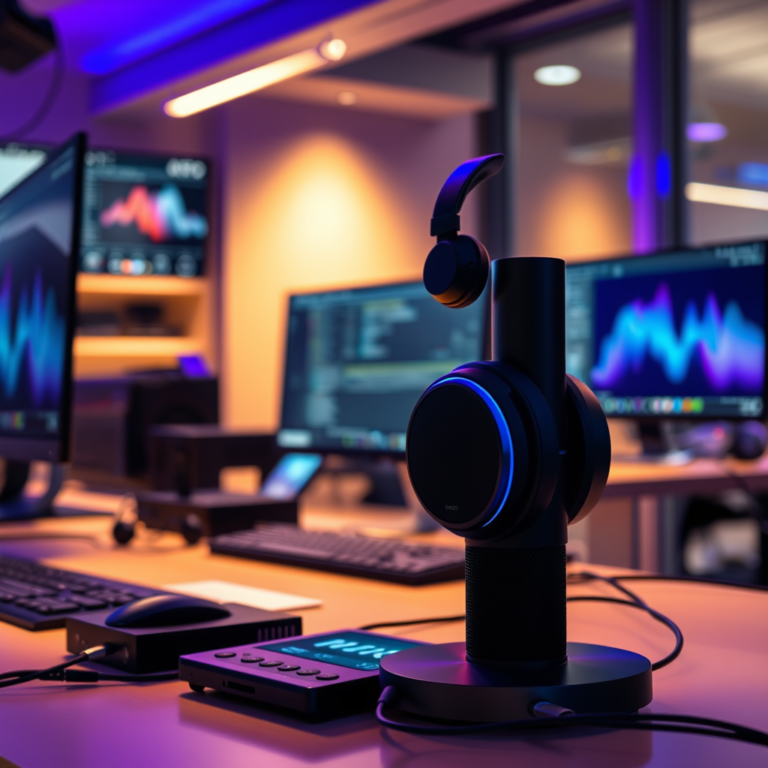

To achieve the best sound quality in your car audio system, you need to focus on proper equalization, speaker placement, and component matching. By fine-tuning these elements, you can transform your car into a mobile concert hall, enjoying rich and immersive audio whether you’re stuck in traffic or cruising down the highway. This guide will walk you through essential steps to enhance your setup, ensuring a delightful listening experience that makes every journey more enjoyable.
Understanding Your Audio System

Before diving into tuning your car audio, take a moment to familiarize yourself with the components that make up your sound system. Your car’s audio typically includes a head unit (the control center), amplifiers (which boost the sound signal), and speakers (which actually produce the sound). Understanding how each component works and their specifications—such as power ratings, impedance, and frequency response—can significantly impact the tuning process.
For example, knowing the frequency range of your speakers helps you avoid sending signals they can’t handle, which can lead to distortion. If your speakers are rated for 20Hz to 20kHz, you’ll want to ensure that your equalization settings don’t push frequencies outside this range. This foundational knowledge will empower you to make informed adjustments later in the tuning process.
Setting the Equalizer

The equalizer is one of the most powerful tools at your disposal for enhancing your car audio experience. It allows you to adjust the volume of specific frequency ranges to better suit your musical preferences. Start by setting your equalizer to a flat or neutral position, where all frequencies are balanced. From there, you can make adjustments based on the type of music you listen to.
For instance, if you enjoy bass-heavy genres like hip-hop, consider boosting the lower frequencies (around 60Hz to 100Hz) to add depth. Conversely, if you prefer classical music, you might want to enhance the mid-range frequencies (around 1kHz to 3kHz) to bring out the strings and vocals. A frequency sweep can be incredibly helpful here; it involves playing a tone that gradually increases in frequency, allowing you to identify any peaks or dips in sound. This approach enables you to make precise adjustments, ensuring that your audio sounds its best.
Speaker Placement and Installation
Proper speaker placement is crucial for achieving optimal sound quality in your car. Speakers should be installed at appropriate angles and positions to create a balanced soundstage. Ideally, front speakers should be directed towards the listener’s ears, while rear speakers can enhance the experience without overwhelming the front sound.
Experiment with the positioning of your speakers; sometimes, even a slight adjustment can significantly improve clarity and reduce distortion. For example, if your speakers are set too low or too high, it may lead to muddled sound. Additionally, ensure that your speakers are securely installed to prevent vibrations that can cause rattling noises and distraction while driving. If you’re not confident in your installation skills, consider seeking professional help to ensure everything is set up correctly.
Balancing Volume and Fader Settings
Once your speakers are in place, it’s time to balance the sound using the volume and fader settings. The volume control is essential for maintaining sound quality; too high a volume can lead to distortion, while too low may not deliver the impact you desire. Aim for a comfortable listening level that allows you to enjoy the music without straining your ears.
The fader is another important tool that helps balance audio between the front and rear speakers. If the sound feels too heavy in the back or front, adjusting the fader can create a more cohesive listening experience. Start with a neutral fader setting and listen carefully to how the audio changes as you make adjustments. Finding the perfect balance can take some time, but it’s well worth the effort for a richer, more immersive listening experience.
Using External Processors and Sound Dampening
For those looking to take their car audio to the next level, consider incorporating external processors. These devices provide advanced tuning capabilities, allowing for more precise control over the audio signals. They can help to eliminate unwanted frequencies and enhance the overall sound quality, making your music more enjoyable.
In addition to processing, sound dampening materials can dramatically improve your audio experience. By reducing road noise and vibrations, sound dampening helps to ensure that your audio system performs at its best. Installing sound deadening materials in your car doors, trunk, and floor can minimize outside interference, allowing the full richness of your audio to shine through. This investment can make a noticeable difference, especially on long drives or when listening to intricate music.
Testing and Fine-Tuning
Finally, it’s time to put your audio system to the test! Play a variety of music genres to evaluate how your settings perform across different styles. Pay attention to how different frequencies respond and whether adjustments are necessary. Trust your ears—if something sounds off, it probably is!
Make small, incremental changes to your equalizer, fader, and volume settings, listening carefully after each adjustment. This process may take some time, but remember that the goal is to find the sweet spot that aligns with your personal listening preferences. Don’t hesitate to ask friends or family for their opinions as well; fresh ears can sometimes notice things you may have overlooked.
Your car audio system can significantly enhance your driving experience when properly tuned. By following these steps, you will achieve a balanced and enjoyable sound that transforms every trip into an auditory adventure. Start tuning your audio today and discover just how much better your favorite songs can sound on the road!
Frequently Asked Questions
What are the basic steps to tune my car audio system for optimal sound quality?
To tune your car audio system for the best sound quality, start by adjusting the equalizer settings to enhance frequencies that suit your listening style. Next, set the crossover frequencies for your speakers and subwoofer to ensure a balanced sound. Finally, adjust the fader and balance controls to position the soundstage correctly, ensuring that it feels immersive and centered within your vehicle.
How can I improve bass response in my car audio system?
To improve bass response, consider adjusting the subwoofer settings on your audio system, such as increasing the gain and ensuring the crossover is set properly, usually around 80Hz to 120Hz. Additionally, placing the subwoofer in a corner of the trunk can amplify the sound due to the acoustics of the space. Using sound-deadening materials in your vehicle can also minimize vibrations, allowing for cleaner, deeper bass.
Why does my car audio sound distorted, and how can I fix it?
Distortion in car audio can result from several factors, including incorrect equalizer settings, too high a gain on the amplifier, or damaged speakers. To fix this, start by lowering the volume and adjusting the equalizer to avoid boosting frequencies excessively. If distortion persists, check for any physical damage to your speakers or wiring, and consider replacing components that may be the source of the issue.
What is the best way to set the volume level for my car audio system?
The best way to set the volume level for your car audio system is to start with your head unit at a moderate volume, typically around 75% of its maximum. Gradually increase the volume while listening for any signs of distortion or strain in the speakers. It’s also essential to have a reference track that you are familiar with, as this will help you identify the optimal volume without risking damage to your audio equipment.
Which audio settings should I prioritize for a balanced sound experience in my car?
To achieve a balanced sound experience, prioritize adjusting the equalizer settings to ensure midrange frequencies are prominent, as they significantly impact vocal clarity. Focus on setting the crossover points correctly for your speakers and subwoofers, and utilize the fader to balance front and rear sound, creating a cohesive audio field. Additionally, consider the time alignment settings if your system supports it, to enhance the spatial quality of the music.
References
- Audio engineer
- https://www.edmunds.com/car-technology/how-to-tune-your-car-audio-system.html
- https://www.crutchfield.com/S-h2F4s2g7i8A/learn/how-to-tune-your-car-audio-system.html
- https://www.soundonsound.com/techniques/tuning-your-car-audio-system
- https://www.caranddriver.com/research/a31811256/how-to-tune-your-car-audio-system/
- https://www.techhive.com/article/3053553/how-to-tune-your-car-audio-system.html