
Electrowetting displays (EWDs) represent an innovative display technology that uses the manipulation of liquid surface tension to create vivid images. This approach not only enhances visual quality but also significantly reduces energy consumption compared to traditional display technologies. By understanding how electrowetting works and its potential applications, you can appreciate the future possibilities this technology holds.
Understanding Electrowetting
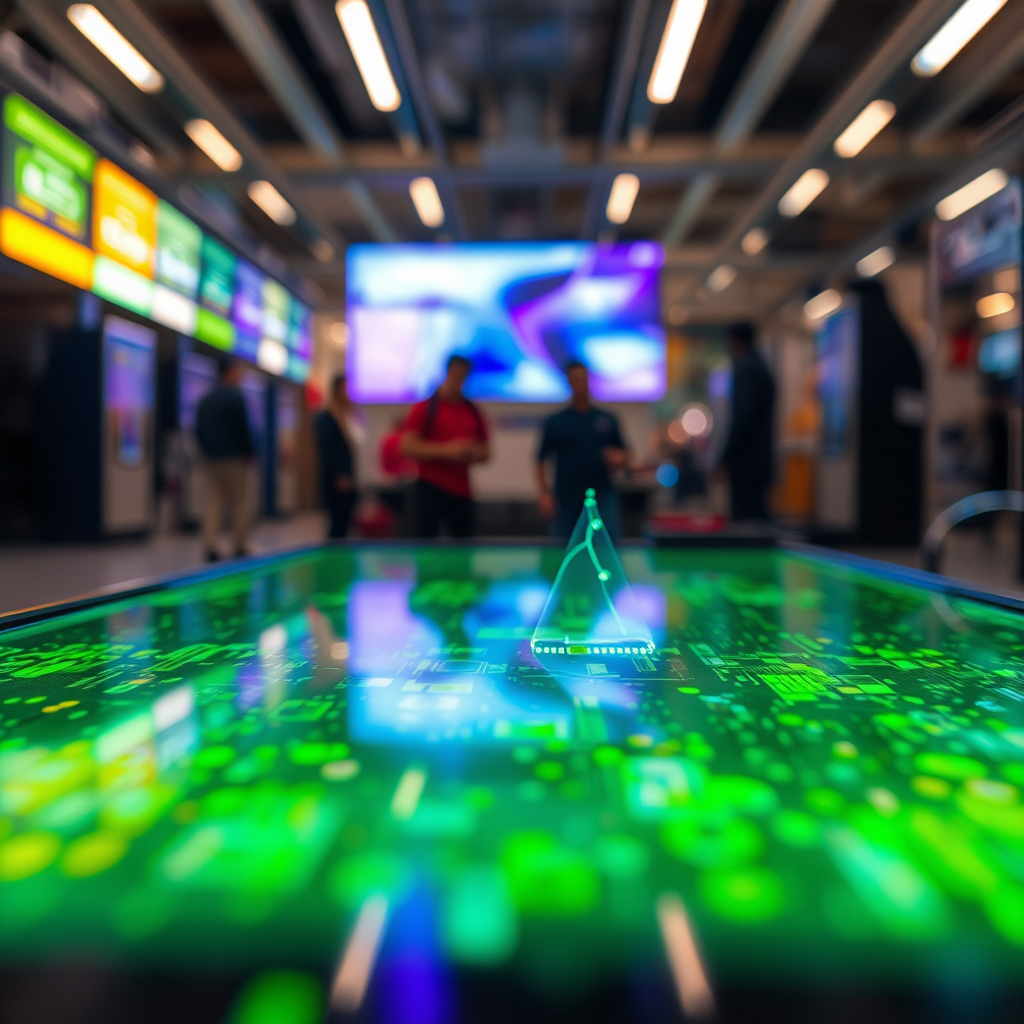
Electrowetting is a phenomenon where an electric field alters the wettability of a surface, allowing liquids to spread or retract on that surface. This principle is based on the interaction between the liquid and solid surfaces, influenced by the electric charge applied. When an electric field is introduced, it reduces the surface tension at the liquid-solid interface, leading to a change in the contact angle. In simpler terms, applying voltage makes a liquid droplet spread out more on a surface, which can be harnessed to create various visual effects.
This manipulation of liquid behavior is key to forming images on electrowetting displays. By carefully controlling the electric fields, designers can dictate how liquid droplets move and spread, allowing for precise control over what is displayed on the screen. This technology is especially exciting because it opens up new avenues for display design that were previously not possible with conventional methods.
The Mechanism of Electrowetting Displays
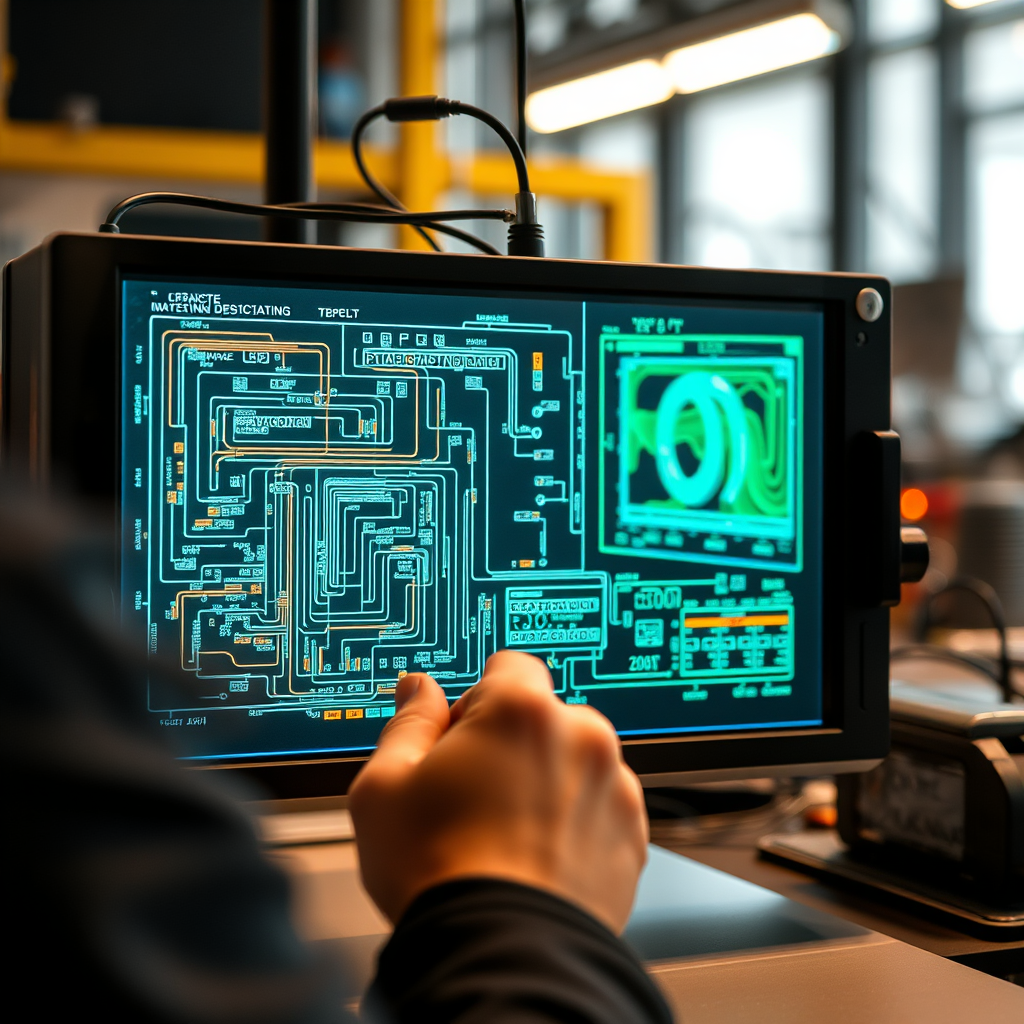
Electrowetting displays consist of several essential components, including a substrate, electrodes, and a liquid layer. The substrate typically has a hydrophobic coating, allowing it to resist water until an electric field is applied. The electrodes, usually arranged in a pixel grid, are responsible for creating the electric fields necessary to control the liquid movement.
When voltage is applied to specific electrodes, the surface tension of the liquid at those points decreases, causing the liquid to spread and cover the area of the electrode. This process can be repeated rapidly to create dynamic images. For instance, in a full-color electrowetting display, different colored liquids can be used, and by controlling the electric fields, the display can show various images or animations.
The versatility of this mechanism allows for a wide range of display sizes and shapes, including flexible and bendable screens, which is a significant departure from the rigid designs of traditional LCD and OLED screens. This adaptability makes electrowetting displays a hot topic in the realm of display technology.
Applications of Electrowetting Technology
Electrowetting technology has a broad array of applications beyond just displays. One prominent use is in flexible and low-power display systems, such as e-readers and wearable devices. These displays can be made thinner and lighter, improving user comfort and increasing battery life due to their low energy consumption.
Moreover, electrowetting is making waves in the field of sensors and optical devices. For instance, researchers are exploring its use in microfluidic systems for chemical analysis, where precise control over liquids can significantly enhance sensor functionality. In optics, electrowetting could enable tunable lenses, allowing for instant adjustments in focus and zoom without the need for bulky mechanical parts.
The ability to create displays that are not only flexible but also energy-efficient opens doors to new applications in industries such as automotive, healthcare, and smart textiles. Imagine a dashboard display in a car that can bend with the contours of the interior or clothing that can change color based on the surrounding environment!
Advantages of Electrowetting Displays
When comparing electrowetting displays to traditional technologies like LCD and OLED, several advantages stand out. First and foremost is energy efficiency. EWDs consume significantly less power, especially in static image applications, since they only require energy to change the state of the image rather than constantly refreshing pixels. This leads to longer battery life for portable devices and reduced energy costs for larger installations.
Another significant benefit is the flexibility and lightweight design of electrowetting displays. These features make them ideal for integration into various devices, from smartphones to smart wearables. As the demand for portable technology grows, having a display that can adapt to different shapes and sizes becomes increasingly valuable.
Additionally, electrowetting displays can achieve high contrast ratios and vibrant colors, providing an attractive visual experience. Their ability to maintain visibility in bright light conditions makes them particularly suitable for outdoor applications.
Challenges and Limitations
Despite their promising advantages, electrowetting displays face several challenges. One major hurdle is durability; the liquid layers can be susceptible to evaporation and degradation over time, which can limit the lifespan of the displays. Ensuring consistent performance in varying environmental conditions is also a concern, as humidity and temperature fluctuations can affect liquid behavior.
Furthermore, the complexity of fabrication poses significant challenges. Creating high-quality electrowetting displays requires advanced manufacturing techniques, which can be costly and time-consuming. As a result, scaling production to meet market demand remains a complicated issue.
Lastly, electrowetting displays are in competition with well-established display technologies like OLED and LCD, which have a strong foothold in the market. Overcoming consumer familiarity and preference for these existing technologies will require significant marketing and education efforts.
Future Trends in Electrowetting Displays
Looking ahead, the future of electrowetting displays appears promising. Ongoing research is focused on enhancing their performance and durability. Innovations such as improved liquid formulations and protective coatings are being developed to increase the lifespan and reliability of EWDs.
Moreover, as miniaturization and integration continue to advance in technology, we can expect to see electrowetting displays being embedded into everyday items, transforming how we interact with devices. Future trends may include the integration of EWDs into augmented reality (AR) and virtual reality (VR) systems, providing immersive experiences with efficient power usage.
As electrowetting technology matures, we could also see lower production costs, making it a more viable option for mainstream applications. This could pave the way for innovative products that leverage the unique capabilities of EWDs, such as interactive signage or displays that can change according to user input.
In summary, the advancements in electrowetting displays could revolutionize the way we interact with screens, offering a promising alternative to conventional technologies. As research continues, staying informed about these developments will be crucial for anyone interested in the future of display technology. With its unique benefits and applications, electrowetting displays are certainly a technology to watch as we move forward into a more visually dynamic world.
Frequently Asked Questions
What is electrowetting and how does it work in displays?
Electrowetting is a technique that uses electrical signals to manipulate the wetting properties of a liquid, allowing for precise control of its shape and movement on a surface. In electrowetting displays, a liquid is sandwiched between a hydrophobic surface and an electrode. By applying voltage to the electrode, the contact angle of the liquid changes, resulting in the liquid spreading or retracting, which in turn alters the display’s visual characteristics, enabling dynamic images and colors.
Why are electrowetting displays considered advantageous over traditional LCDs and OLEDs?
Electrowetting displays offer several advantages, including lower power consumption, faster response times, and improved visibility in bright lighting conditions. Unlike traditional LCDs and OLEDs, which rely on backlighting and complex pixel arrangements, electrowetting technology can provide high contrast and color saturation with minimal energy use, making it an attractive option for portable devices and applications where battery life is crucial.
How do electrowetting displays compare in terms of durability and lifespan?
Electrowetting displays are generally known for their durability and long lifespan due to their simple structure and lack of organic materials that are susceptible to degradation. The absence of liquid crystals also means they are less prone to issues like image retention or burn-in, common in OLED displays. This makes them suitable for various environments and applications, including outdoor usage where exposure to the elements is a concern.
What are the best applications for electrowetting display technology?
Electrowetting display technology is best suited for applications requiring low power consumption and high visibility, such as e-readers, wearables, and smart labels. Their ability to maintain clarity in bright sunlight makes them ideal for outdoor displays, while their energy efficiency is beneficial for devices that frequently operate on battery power. Additionally, they are being explored in areas like medical imaging and automotive displays due to their quick response times and vivid color reproduction.
Which companies are currently leading the development of electrowetting displays?
Several companies are at the forefront of electrowetting display technology, with notable names including Liquavista (acquired by Samsung), which has developed advanced electrowetting screens, and E Ink, known for its electronic paper technology. Other players include Tsinghua University and various startups that focus on innovative applications of electrowetting. These companies are continuously researching and enhancing the performance of electrowetting displays to expand their market presence and application range.
References
- Electrowetting
- https://www.sciencedirect.com/science/article/pii/S0032591013002792
- https://www.nature.com/articles/s41598-020-77748-0
- Smart, Photocatalytic and Self-Cleaning Asphalt Mixtures: A Literature Review
- https://www.researchgate.net/publication/330905189_Electrowetting_phenomena_and_their_applications_in_microfluidics
- Frontiers | The Hyperspherical Harmonics Method: A Tool for Testing and Improving Nuclear Interac…
- https://pubs.acs.org/doi/abs/10.1021/acs.langmuir.7b02845
- https://www.osti.gov/servlets/purl/1347660