
The integration of display technology in spacecraft navigation systems enhances the precision and safety of space missions. This technology enables astronauts and ground control to visualize critical data, making real-time decisions that are vital for navigation and mission success. In this article, you will explore how various display technologies are employed in spacecraft navigation and their impact on space exploration.
The Role of Displays in Navigation Systems
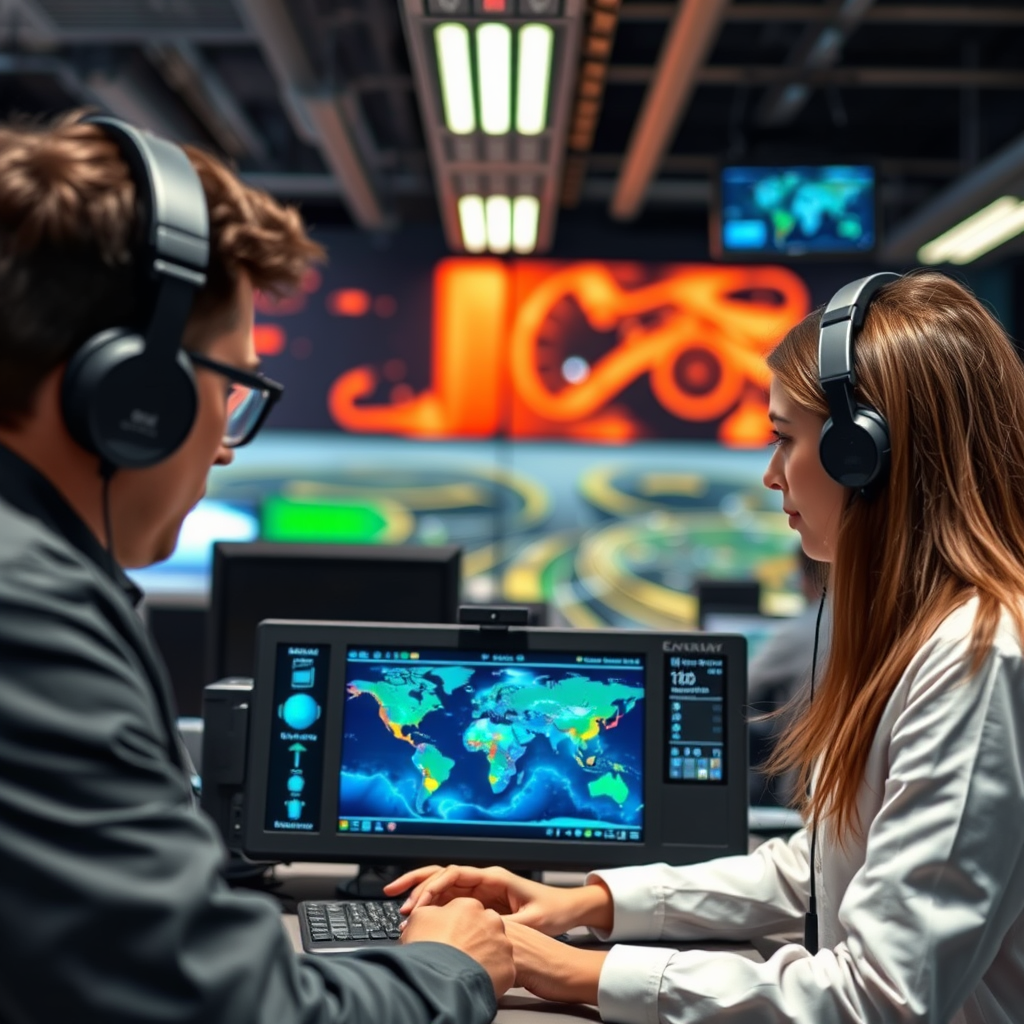
Displays play a crucial role in spacecraft navigation systems by providing instant visual feedback on the spacecraft’s orientation and trajectory. In the vastness of space, where traditional cues like landmarks are absent, these visual aids become lifelines for astronauts. For instance, displays show the spacecraft’s heading, altitude, speed, and even the gravitational pull from nearby celestial bodies. This information is essential for ensuring that missions stay on course and that astronauts can respond effectively to any changes in their environment.
Moreover, real-time monitoring of essential navigation parameters allows for quick decision-making. For example, during a launch or landing, slight adjustments must be made to account for unexpected variables, like atmospheric conditions or orbital debris. Displays provide the necessary information to astronauts and ground control, allowing them to communicate effectively and execute maneuvers that keep the mission on track. The seamless integration of display technology thus enhances situational awareness, which is vital for the safety of crewed space missions.
Types of Display Technologies Used

Various display technologies are employed in spacecraft, each serving a unique purpose. One of the most prevalent types is Liquid Crystal Displays (LCDs), which are commonly used for cockpit instruments. These displays are favored for their clarity, reliability, and low power consumption. For example, NASA’s Orion spacecraft utilizes LCD screens to present critical flight data to astronauts, ensuring they have quick access to the information they need.
Another significant technology is the Heads-Up Display (HUD), which projects vital information directly into the astronaut’s line of sight. This feature allows astronauts to keep their eyes on their surroundings while simultaneously monitoring critical parameters, such as speed and altitude. The use of HUDs minimizes distraction and enhances situational awareness, which is especially important during high-stakes operations like docking maneuvers or landing sequences.
In addition to LCDs and HUDs, newer technologies like Organic Light Emitting Diodes (OLEDs) are gaining traction. OLED displays offer higher contrast ratios and vibrant colors, making them easier to read in varying lighting conditions. As spacecraft venture deeper into space, the need for advanced displays that can function effectively in different environments becomes increasingly important.
Data Visualization Techniques
Effective data visualization techniques are essential for astronauts, as they allow for quick decision-making in rapidly changing situations. Graphical representations of navigation data, such as speed graphs or altitude plots, help astronauts gauge their position and trajectory at a glance. These visual aids can be designed to highlight critical thresholds, so that astronauts can instantly recognize when adjustments are needed.
Another innovative approach is the use of 3D mapping and simulation tools, which assist in route planning and obstacle avoidance. For example, mission planners can create 3D models of celestial bodies that a spacecraft might encounter, allowing astronauts to visualize their paths and identify potential hazards. This level of detail is crucial for ensuring safe landings on planets or moons, where terrain can be unpredictable.
Furthermore, data visualization techniques are not limited to static displays. Interactive interfaces that allow astronauts to manipulate data in real-time can enhance decision-making. By providing options to zoom in on specific areas or analyze different flight paths, astronauts can tailor the information to their needs, making navigation more intuitive and efficient.
Human-Machine Interface (HMI) Design
The design of human-machine interfaces (HMIs) is critical for effective human interaction with navigation systems. User-friendly interfaces ensure that astronauts can operate complex systems without overwhelming confusion. For instance, touchscreens featuring intuitive icons and gestures can simplify the process of accessing various navigation functions, allowing astronauts to focus more on their mission rather than the technology.
Ergonomics in display design also plays a significant role in minimizing cognitive load during high-stress situations. For example, color-coded alerts can quickly draw attention to critical information, while a consistent layout can help astronauts locate necessary data without extensive searching. NASA’s Space Shuttle program employed these principles by using standardized layouts across different displays, making it easier for astronauts to transition between various systems.
Moreover, the integration of voice commands into HMIs is an exciting development. This technology allows astronauts to interact with navigation systems hands-free, which is particularly useful during critical operations when their hands must be occupied with other tasks. Such advancements not only improve safety but also enhance the overall user experience.
Challenges in Display Technology for Spacecraft
While display technology has transformed spacecraft navigation, several challenges remain. One of the most significant issues is the harsh space environment, which can severely affect display performance and reliability. High levels of radiation, extreme temperatures, and microgravity conditions can all impact the functionality of displays, leading to potential mission failures.
To counter these challenges, engineers are developing solutions that include redundancy and robust materials. For instance, spacecraft may be equipped with backup display systems to ensure that astronauts can still access critical information if the primary system fails. Additionally, using materials that can withstand radiation and temperature fluctuations is essential for maintaining display integrity over long missions.
Another challenge is the potential for user fatigue. Long-duration missions can lead to decreased attention spans, and displays that require constant focus can exacerbate this issue. Designing displays that reduce eye strain and allow for comfortable viewing over extended periods is crucial for maintaining astronaut performance.
Future Trends in Display Technology for Space Navigation
Looking ahead, several exciting trends in display technology promise to revolutionize spacecraft navigation systems. One of the most promising advancements is augmented reality (AR). By overlaying digital information onto the real-world environment, AR can provide astronauts with enhanced situational awareness. For example, an AR display could show navigation data directly on the external view of the spacecraft, allowing astronauts to visualize their path in relation to celestial bodies.
Furthermore, advancements in artificial intelligence (AI) offer the potential for smarter navigation solutions. AI can analyze vast amounts of data in real time, providing astronauts with predictive insights and recommendations based on current conditions. This integration of AI with display technology could lead to more autonomous navigation systems, reducing the cognitive burden on astronauts and allowing them to focus on other critical mission aspects.
As technology continues to evolve, the future of display technology in space exploration looks bright. Innovations in usability, data visualization, and environmental resilience will undoubtedly enhance the capabilities of spacecraft navigation systems.
The use of display technology in spacecraft navigation systems is critical for mission success, providing astronauts with necessary information and enhancing situational awareness. From LCDs and HUDs to advanced data visualization techniques, these technologies ensure that astronauts can navigate the vast expanse of space safely and efficiently. As we look toward the future, the potential for augmented reality and AI to further enhance these systems promises exciting developments in space exploration. For those interested in aerospace technology, staying updated on these advancements is essential as we continue to push the boundaries of human exploration in space.
Frequently Asked Questions
What types of display technology are used in spacecraft navigation systems?
Spacecraft navigation systems utilize various display technologies, including Liquid Crystal Displays (LCDs), Organic Light Emitting Diodes (OLEDs), and Head-Up Displays (HUDs). These technologies provide critical information such as trajectory data, system status, and environmental conditions, all of which are essential for safe and efficient navigation in space. Each type of display offers unique benefits, like OLED’s superior contrast and color accuracy, which can enhance visual clarity in challenging lighting conditions.
How is display technology integrated into spacecraft navigation systems?
Display technology in spacecraft navigation systems is integrated through advanced software and hardware interfaces that process real-time data from various sensors, such as GPS, inertial measurement units, and star trackers. This data is then visualized on the displays to provide astronauts and mission control with an intuitive understanding of the spacecraft’s position, velocity, and trajectory. The integration ensures reliable and efficient operation, essential for successful mission execution.
Why is display technology crucial for spacecraft navigation?
Display technology is vital for spacecraft navigation as it transforms complex data into accessible visual representations, enabling quick decision-making. In the high-stakes environment of space travel, accurate and timely information about the spacecraft’s orientation and trajectory can prevent errors that could lead to mission failure or even catastrophic outcomes. Furthermore, effective display systems enhance situational awareness for astronauts, allowing them to respond swiftly to unforeseen challenges.
Which display technologies are considered the best for enhancing user experience in spacecraft navigation?
The best display technologies for enhancing user experience in spacecraft navigation include OLED and HUD systems. OLED displays offer vibrant colors and high contrast ratios, making them ideal for distinguishing critical information in varying lighting conditions. HUD systems, on the other hand, project vital navigation data directly into the astronaut’s line of sight, allowing for hands-free operation and improved situational awareness, which is crucial during high-pressure scenarios.
What are the challenges faced in using display tech for spacecraft navigation systems?
One of the main challenges in using display technology for spacecraft navigation is the harsh environmental conditions of space, such as extreme temperatures and radiation, which can affect display performance and longevity. Additionally, ensuring the readability of displays in zero-gravity environments, where traditional visual cues may not apply, poses another challenge. Engineers must also prioritize creating user-friendly interfaces that minimize cognitive load for astronauts, especially during critical operations.
References
- Display device
- https://www.nasa.gov/feature/nasa-s-next-generation-spacecraft-navigation-system
- https://www.sciencedirect.com/science/article/pii/S009457652100244X
- https://www.jpl.nasa.gov/news/news.php?feature=8104
- https://www.esa.int/Applications/Telecommunications_Integrated_Applications/Space_for_Earth/Navigation_and_Positioning
- https://www.army.mil/article/240387/army_research_lab_develops_new_technology_for_navigation_in_space
- https://www.frontiersin.org/articles/10.3389/fspas.2022.822650/full
- https://www.aiaa.org/docs/default-source/uploadedfiles/2022-0066.pdf
- https://www.nist.gov/news-events/news/2021/07/nist-research-advances-spacecraft-navigation-technology
- https://www.iaru.org/iaru-region-1/space-communication-and-navigation/