

The future of AI-generated 360-degree movie experiences is nothing short of exhilarating, as it will transform storytelling into an immersive adventure that actively involves viewers. By harnessing cutting-edge technology, filmmakers can create dynamic narratives that adapt to individual preferences, making the film-watching experience more engaging than ever before. In this article, we’ll explore the key trends, technological advancements, and potential applications of AI in this exciting realm, showcasing how it will redefine both storytelling and the filmmaking process.
The Evolution of 360-Degree Filmmaking
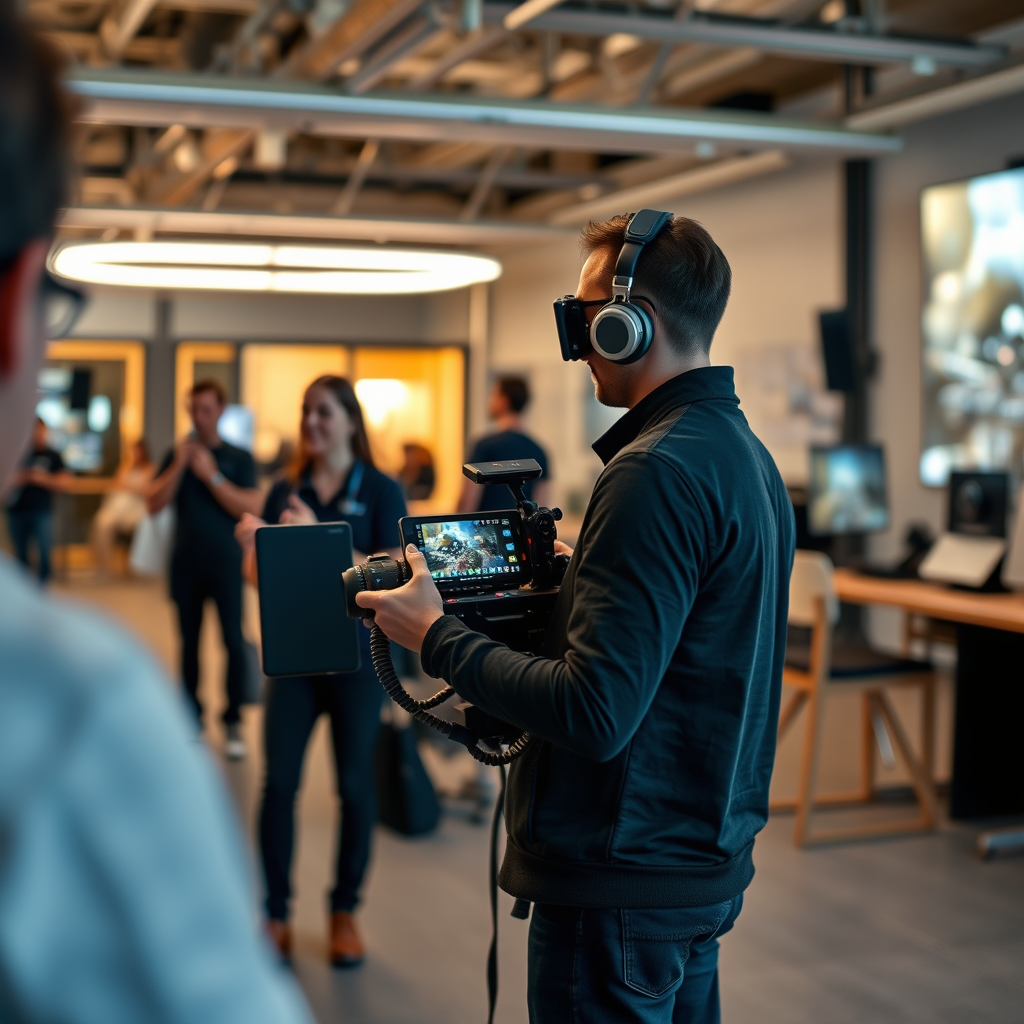
To understand the future, it’s essential to look back at the origins of 360-degree filmmaking. Traditionally, this form of storytelling used multiple cameras to capture a scene from every angle, allowing viewers to look around within a virtual environment. However, the process was often labor-intensive, requiring extensive post-production editing to stitch together footage seamlessly.
Enter AI tools, which are revolutionizing this process. Advanced software can now automate many aspects of production, from camera operation to editing, reducing the time and effort required to create stunning 360-degree visuals. For instance, AI can analyze footage in real-time, making on-the-fly adjustments to lighting and color grading, which streamlines the workflow significantly. This not only makes 360-degree filmmaking more accessible to budding filmmakers but also enhances the overall quality of the finished product.

AI’s Role in Content Creation

One of the most exciting aspects of AI in 360-degree filmmaking is its ability to analyze viewer preferences. By employing sophisticated algorithms, filmmakers can tailor narratives according to the interests and behaviors of their audience. This means that viewers can engage with content that resonates with them on a personal level, resulting in a deeper emotional connection to the story.
Moreover, machine learning technologies are being utilized to enhance visual effects and audio design. For example, AI can predict which sound effects or visuals will most effectively capture the viewer’s attention based on their previous interactions. Imagine watching a 360-degree movie where the soundscape dynamically shifts according to your gaze, creating a more immersive experience. This level of personalization will not only make each viewing unique but will also encourage repeated engagements with the content.
Enhancing Immersion through Interactivity
Interactivity is a game-changer for 360-degree films, and AI is at the forefront of this development. Imagine a film where you can make choices that influence the storyline; that’s the future we’re heading towards. AI-driven choices allow viewers to navigate through the narrative in real time, leading to multiple possible endings based on their decisions.
Projects such as “Bandersnatch,” part of the “Black Mirror” series on Netflix, have already shown the potential for interactive storytelling, but the integration of AI can take this to another level. By analyzing how different viewers interact with the story, filmmakers can create more engaging and personalized experiences. The future could see interactive 360-degree films where your choices not only affect the plot but also alter the visuals and audio based on your preferences.
Accessibility and Inclusivity in AI-Generated Experiences
AI has the potential to make 360-degree films more accessible to diverse audiences. For instance, AI-driven tools can generate real-time subtitles or even audio descriptions, ensuring that individuals with hearing or visual impairments can fully experience the narrative.
Additionally, AI can assist in translating and localizing content for a global audience. By automatically generating subtitles in various languages, filmmakers can reach a wider range of viewers without the hefty costs typically associated with localization. Imagine a 360-degree film that can instantly adapt to different cultures, making it relevant and engaging for audiences around the world.
Future Trends in AI and 360-Degree Films
Looking ahead, the next five to ten years promise exciting developments in AI technology and filmmaking. We can expect to see a surge in the adoption of virtual reality (VR) and augmented reality (AR) in 360-degree experiences. These technologies will not only enhance immersion but will also provide new platforms for storytelling, allowing filmmakers to create experiences that blend the real and virtual worlds seamlessly.
Moreover, as AI continues to evolve, we might witness even more sophisticated algorithms that can predict viewer preferences with astounding accuracy. This will lead to films that are not just interactive but also deeply personalized, making each viewing a unique experience.
Ethical Considerations in AI Filmmaking
While the advancements in AI offer numerous benefits, they also raise ethical questions. The use of AI in creative industries challenges the traditional notions of authorship and creativity. If a machine can generate a compelling narrative or stunning visuals, what does that mean for human artists?
Striking a balance between human creativity and AI-generated content will be crucial. Filmmakers will need to navigate the fine line between leveraging AI for efficiency and ensuring that the human touch remains at the core of storytelling. This ethical consideration will shape the future of the industry as it embraces new technologies while maintaining artistic integrity.
Case Studies of AI-Driven 360-Degree Films
Several projects have already begun to explore the potential of AI in 360-degree filmmaking, showcasing promising results. One standout example is the short film “The Hangman at Home,” which utilized AI-driven tools for post-production. The film employed machine learning algorithms to enhance its visual effects and deliver a more engaging experience, resulting in positive audience feedback and increased engagement metrics.
Another notable project is “The Invisible Man,” which integrated interactive elements into its 360-degree experience, allowing viewers to explore different facets of the story. The audience’s reception was overwhelmingly positive, with many praising the innovative use of technology to enhance their viewing experience. These case studies highlight the tremendous potential of AI in transforming 360-degree films into captivating narratives.
The advancements in AI-generated 360-degree movie experiences are set to transform the landscape of entertainment, offering a more engaging and personalized journey for viewers. As technology continues to evolve, filmmakers and audiences alike must adapt to the new possibilities and responsibilities that come with these innovations. Embrace the future by exploring current AI-driven projects and engaging with emerging platforms that showcase these revolutionary experiences. The intersection of AI and 360-degree filmmaking is just beginning, and it promises to lead us into a world where stories are not only told but experienced in ways we have yet to imagine.
Frequently Asked Questions
What are AI-generated 360-degree movie experiences and how do they work?
AI-generated 360-degree movie experiences utilize artificial intelligence to create immersive, interactive films that allow viewers to explore scenes from multiple angles. This technology combines machine learning algorithms with 3D modeling to generate realistic environments and characters, enabling a unique storytelling experience. By processing data from various sources, AI can craft dynamic narratives that respond to viewer choices, enhancing engagement and personalization.
How will AI impact the future of filmmaking in 360-degree formats?
AI is expected to revolutionize filmmaking in 360-degree formats by automating complex tasks, such as scene generation, editing, and visual effects, making the production process more efficient. This technology will lower the barriers to entry for independent filmmakers by providing affordable tools for creating high-quality content. Furthermore, AI can analyze audience preferences to optimize storytelling techniques, ultimately leading to more captivating and tailored viewing experiences.
Why should filmmakers consider using AI for 360-degree movies?
Filmmakers should consider using AI for 360-degree movies because it enhances creativity, reduces production time, and allows for innovative storytelling methods. AI can generate diverse environments and scenarios that might be difficult or costly to produce traditionally. Additionally, the ability to adapt narratives based on viewer interactions can significantly boost audience engagement and satisfaction, making films more appealing in an increasingly competitive market.
What are the best platforms for viewing AI-generated 360-degree movies?
The best platforms for viewing AI-generated 360-degree movies include VR headsets like Oculus Quest and HTC Vive, as well as streaming services such as YouTube and Vimeo, which support 360-degree video formats. These platforms offer users the ability to experience immersive content fully, allowing them to look around and interact with the film’s environment. Additionally, specialized apps designed for VR and AR experiences provide tailored features for enhanced viewing of AI-generated 360-degree films.
Which industries besides entertainment can benefit from AI-generated 360-degree movie experiences?
Besides entertainment, industries such as education, real estate, tourism, and healthcare can significantly benefit from AI-generated 360-degree movie experiences. In education, immersive videos can enhance learning by providing virtual field trips and interactive simulations. Real estate agents can use 360-degree tours to showcase properties effectively, while the tourism sector can offer virtual experiences of destinations. In healthcare, immersive training scenarios can prepare medical professionals for real-life situations, improving their skills and confidence.
References
- Virtual reality
- https://www.bbc.com/news/technology-58602695
- https://www.forbes.com/sites/bernardmarr/2021/05/10/how-ai-is-changing-the-future-of-movies-and-tv/?sh=1f5e8e4e4d26
- https://www.nytimes.com/2021/03/30/technology/ai-movies.html
- https://www.sciencedirect.com/science/article/pii/S1877050921002426
- https://www.theguardian.com/technology/2021/oct/07/ai-future-filmmaking-technology
- https://www.technologyreview.com/2021/12/15/1040802/ai-generated-movies-creative-innovation/
- https://www.npr.org/2021/05/18/996905786/how-ai-is-changing-the-art-of-film-making
- https://www.wired.com/story/ai-movie-technology/
