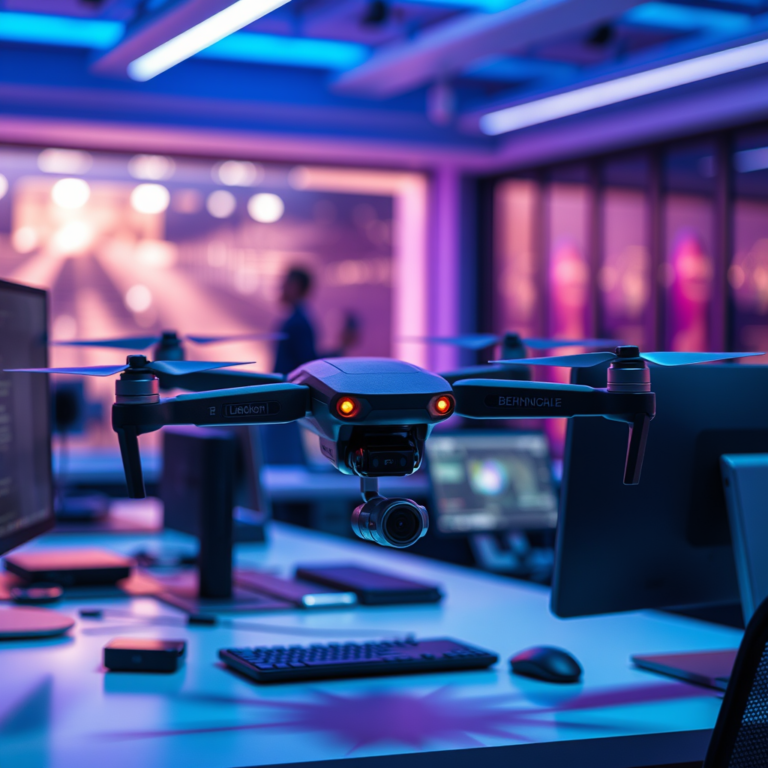
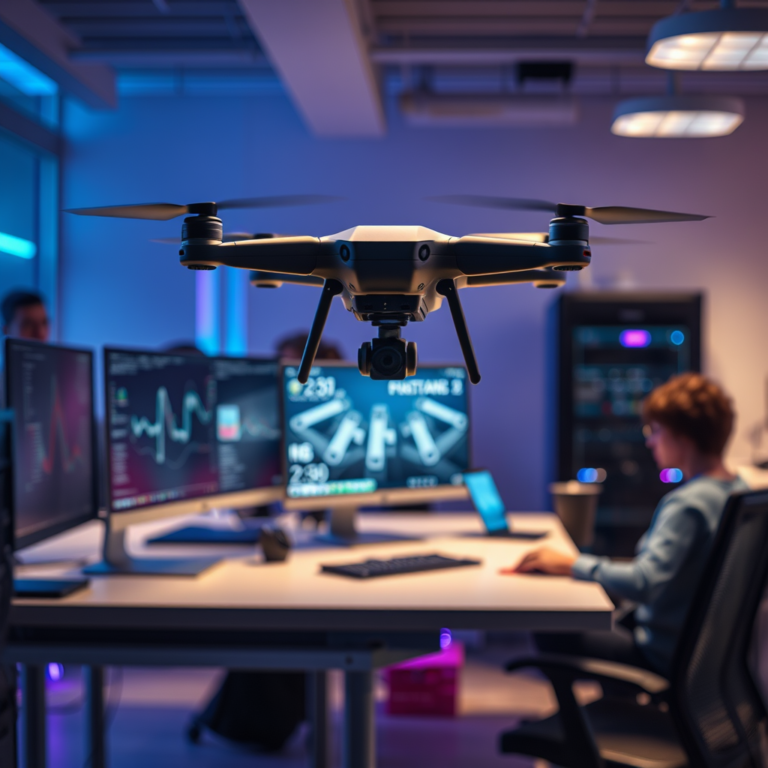
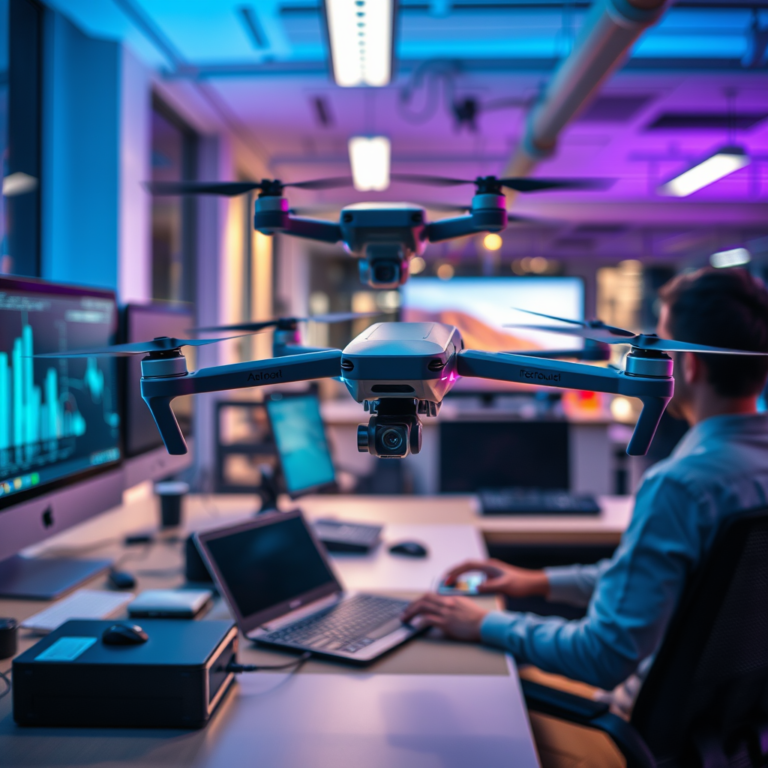
The integration of AI in drone-based emergency response video feeds significantly enhances situational awareness and decision-making during crises. By leveraging real-time data analysis and improved coordination among first responders, AI-equipped drones are transforming how emergencies are managed. This innovative technology not only aids in rapid assessment but also empowers responders with critical insights, ultimately saving lives and resources. In this article, we’ll explore how AI is transforming emergency response efforts through drones.
Understanding AI and Drone Technology
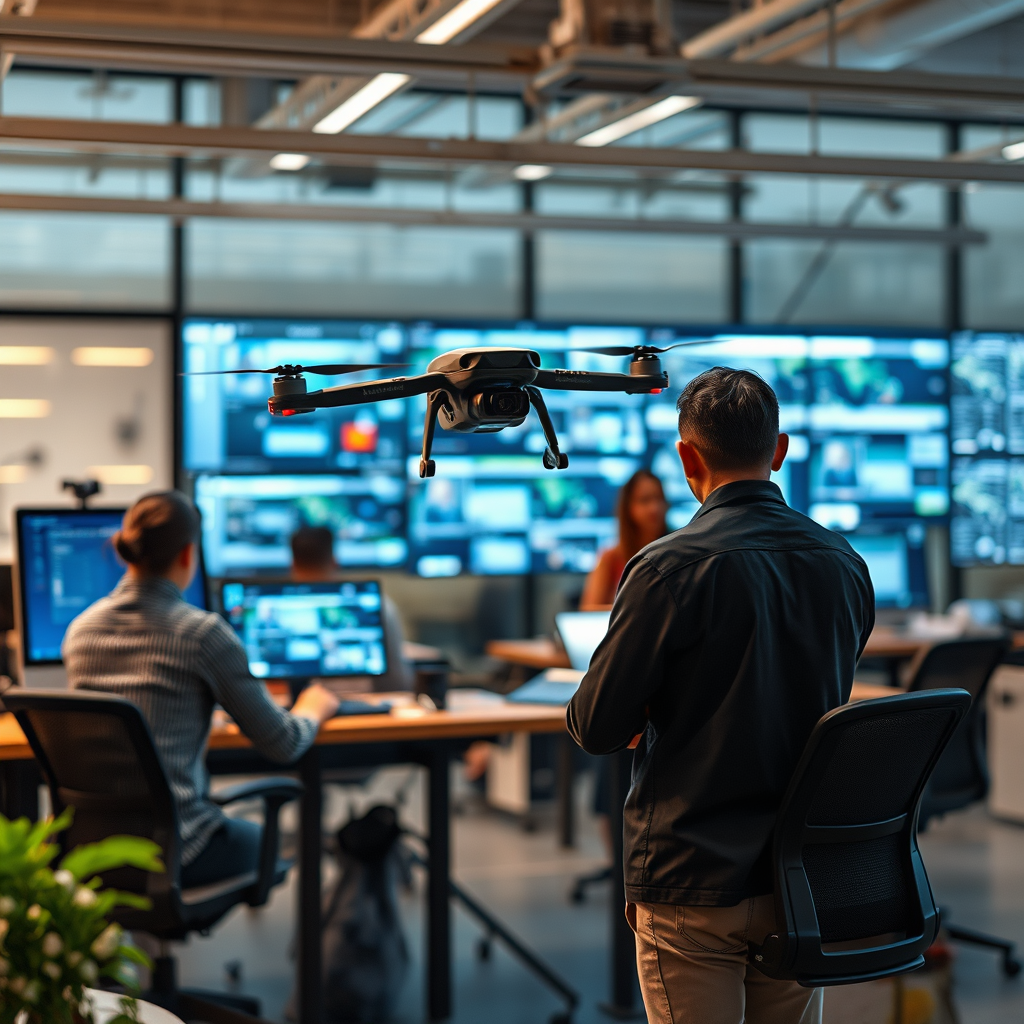
Artificial Intelligence (AI) refers to the simulation of human intelligence processes by machines, particularly computer systems. In the context of video feeds, AI can analyze images and videos at lightning speed, recognizing patterns and extracting meaningful information that would otherwise take humans much longer to discern. This capability is crucial in emergency situations where every second counts. For instance, AI can automatically identify smoke, fire, or human movement in a video feed, alerting first responders to potential dangers before they even arrive on the scene.
Drone technology, on the other hand, involves the use of unmanned aerial vehicles (UAVs) that can be equipped with various sensors, cameras, and communication devices. Drones are particularly beneficial in emergency scenarios due to their ability to cover large areas quickly and access hard-to-reach locations, such as disaster-stricken areas or hazardous environments. When combined with AI, drones can provide a comprehensive view of a crisis, allowing for more effective and faster response strategies.
Enhancing Situational Awareness
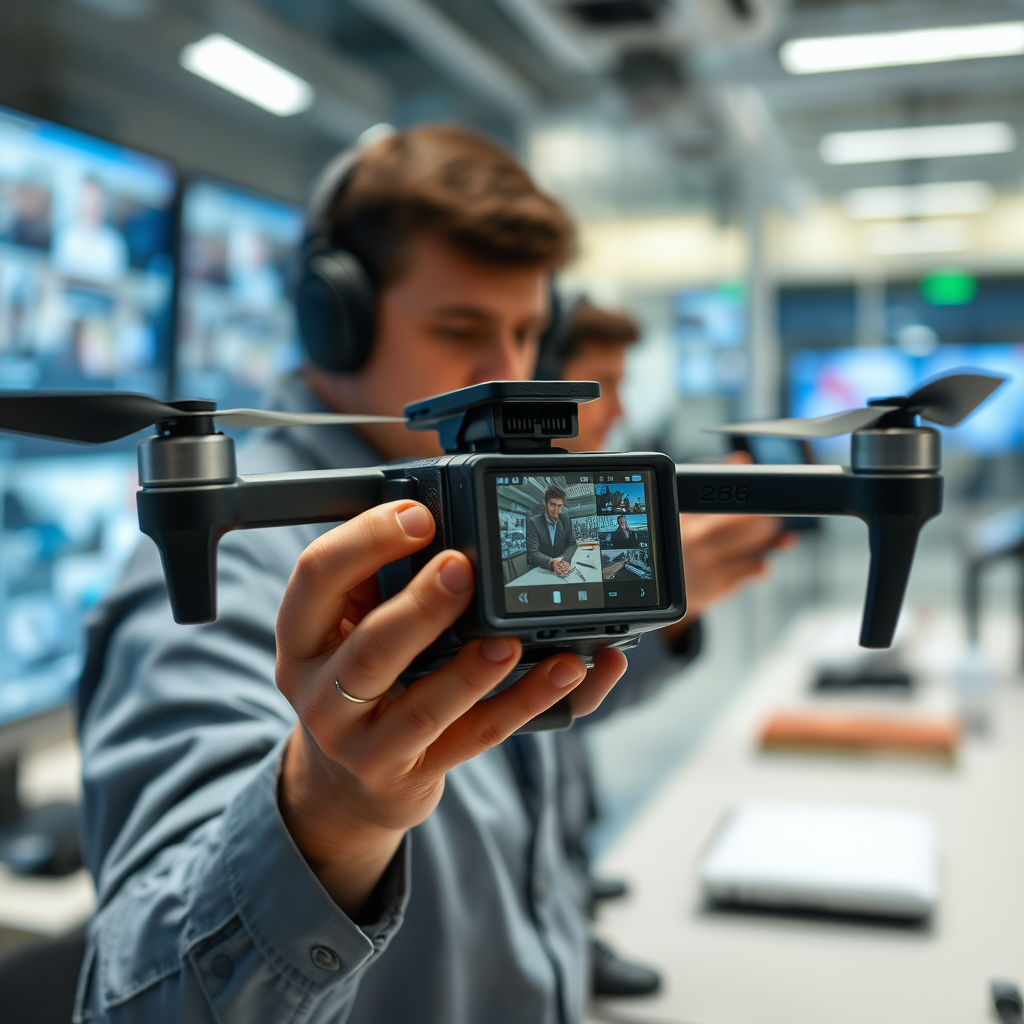
One of the most significant advantages of integrating AI into drone operations is its ability to enhance situational awareness. AI algorithms can analyze video feeds in real time, detecting threats such as fires, flooding, or even injured individuals. For example, during a wildfire, drones equipped with AI can identify hotspots and relay this information to ground teams, optimizing resource allocation and minimizing damage.
Moreover, machine learning algorithms can identify patterns and anomalies in emergencies. By analyzing historical data from previous incidents, AI can predict behaviors and outcomes in current situations. This predictive capability is invaluable; for instance, if a drone detects a sudden increase in crowd density during a public event, it can alert emergency personnel to potential safety issues, allowing them to take preventive measures.
Improving Data Analysis and Decision-Making
The ability of AI to process vast amounts of data quickly and efficiently is a game changer in emergency response. In a crisis, first responders are often inundated with information from various sources—social media reports, emergency calls, and real-time video feeds. AI can sift through this noise, providing actionable insights and prioritizing data based on urgency.
For instance, during Hurricane Harvey in 2017, AI-integrated drones played a crucial role in assessing flood damage. They collected thousands of images and videos, which AI analyzed to create comprehensive maps of affected areas. This data allowed emergency teams to make informed decisions about where to deploy resources, ultimately leading to more effective rescue operations.
A notable case study is the use of AI in response to the Australian bushfires in 2020. Drones equipped with AI technology were deployed to gather real-time data and analyze the situation. The insights gained allowed emergency services to prioritize their efforts, leading to improved outcomes and faster response times.
Facilitating Communication and Coordination
AI not only enhances the capabilities of drones but also plays a vital role in facilitating communication between drones and emergency teams. By streamlining information flow, AI ensures that first responders have access to real-time data, enabling them to make quicker decisions on the ground.
For example, during a search and rescue operation, drones can relay video feeds directly to a command center, where AI analyzes the footage and highlights areas of interest. This seamless communication allows teams to coordinate their efforts more effectively, reducing response times and improving overall efficiency.
One outstanding example of this coordination in action is the use of AI drones during the COVID-19 pandemic. Drones were deployed to monitor crowded areas and ensure compliance with social distancing guidelines. The AI processed and relayed information quickly, allowing health officials to make real-time decisions about resource allocation and public safety measures.
Addressing Challenges in Implementation
While the integration of AI with drone technology presents numerous benefits, it also comes with challenges. Technical issues, such as ensuring reliable connectivity and data security, can hinder the effectiveness of drone operations. Additionally, ethical concerns regarding privacy and surveillance must be addressed to maintain public trust.
To overcome these challenges, stakeholders must prioritize developing robust regulatory frameworks that outline best practices for AI and drone deployment. Engaging with the public through transparent communication about the benefits and limitations of these technologies can also help mitigate concerns. Training first responders on using AI-enhanced drones effectively ensures they can maximize the technology’s potential while navigating its challenges.
Future Trends in AI and Drone Emergency Response
As we look to the future, advancements in AI technology and drone capabilities are expected to revolutionize emergency response even further. Innovations such as enhanced machine learning algorithms, improved battery life, and better sensor technology will enable drones to operate more efficiently and effectively in crisis situations.
Additionally, the integration of AI with other emerging technologies, like the Internet of Things (IoT) and 5G connectivity, will enhance the ability of drones to collect and share information in real time. This interconnectedness will lead to even greater situational awareness and faster response times.
The implications for emergency management and public safety are profound. As AI and drone technology continue to evolve, we can expect to see more proactive approaches to crisis management, with a focus on prevention and preparedness, ultimately leading to safer communities.
The integration of AI into drone-based emergency response video feeds is revolutionizing how first responders approach crises. By enhancing situational awareness, improving data analysis, and facilitating communication, AI and drone technology are poised to save lives and streamline emergency operations. As this field continues to evolve, staying informed about these advancements will be crucial for both professionals and the public. Embracing these technologies can lead to safer and more resilient communities, ready to tackle the challenges of tomorrow.
Frequently Asked Questions
What is the role of AI in enhancing drone-based emergency response video feeds?
The role of AI in drone-based emergency response video feeds is to improve real-time analysis and decision-making during critical incidents. AI algorithms can process video data to identify obstacles, assess situations, and detect anomalies, allowing emergency responders to prioritize their actions effectively. By automating the analysis of visual data, AI enhances situational awareness, enabling faster and more accurate responses in emergencies.
How do AI-powered drones improve situational awareness during emergencies?
AI-powered drones enhance situational awareness during emergencies by utilizing advanced computer vision and machine learning techniques to analyze video feeds on-the-fly. These drones can detect and classify objects, track movement patterns, and even assess damage levels from a safe altitude. By providing first responders with real-time insights and detailed visual data, AI drones help significantly reduce response times and improve the overall effectiveness of emergency operations.
Why is real-time data analysis critical in drone-based emergency response?
Real-time data analysis is critical in drone-based emergency response because it allows responders to make informed decisions quickly, which is crucial in life-threatening situations. The ability to process and interpret video feeds instantaneously means that emergency teams can identify victims, assess hazards, and coordinate rescue efforts more efficiently. This timely information can be the difference between life and death, underscoring the importance of integrating AI for rapid data interpretation.
What are the best practices for integrating AI into drone emergency response systems?
The best practices for integrating AI into drone emergency response systems include ensuring high-quality training datasets for AI algorithms, conducting regular system evaluations, and maintaining compliance with aviation regulations. Additionally, it is vital to collaborate with emergency response teams to tailor AI capabilities to meet specific operational needs and to provide comprehensive training for personnel on how to interpret AI-driven insights effectively.
Which industries benefit the most from AI in drone-based emergency response video feeds?
Several industries benefit significantly from AI in drone-based emergency response video feeds, including firefighting, search and rescue, disaster management, and law enforcement. In firefighting, drones equipped with AI can map fire spread and locate hotspots, while in search and rescue operations, they can quickly survey large areas and identify individuals in distress. By leveraging AI technology, these industries can enhance their operational efficiency and improve safety outcomes during emergencies.
References
- https://www.nasa.gov/feature/nasa-drones-helping-in-emergency-response-and-disaster-recovery
- https://www.sciencedirect.com/science/article/pii/S235286481930252X
- https://www.ijrr.org/index.php/ijrr/article/view/180
- https://www.ojp.gov/ncjrs/virtual-library/abstracts/use-drones-emergency-response
- https://www.ncbi.nlm.nih.gov/pmc/articles/PMC7570544/
- https://www.wired.com/story/drone-technology-disaster-response/
- https://www.itu.int/en/ITU-T/Study-Groups/2017-2020/20/Pages/default.aspx
- https://www.unicef.org/innovation/drones-for-good
- https://www.reuters.com/article/us-usa-drone-disaster-idUSKBN2A50S1