
AI-generated dynamic lighting effects are set to revolutionize the film industry by enhancing visual storytelling and creating immersive experiences. These cutting-edge technologies enable filmmakers to craft scenes with unprecedented depth and emotion, adapting lighting to reflect the narrative’s nuances in real time. As AI continues to develop, its integration into filmmaking promises not only to streamline production processes but also to reshape how audiences connect with the stories on screen.
Understanding AI in Film Lighting
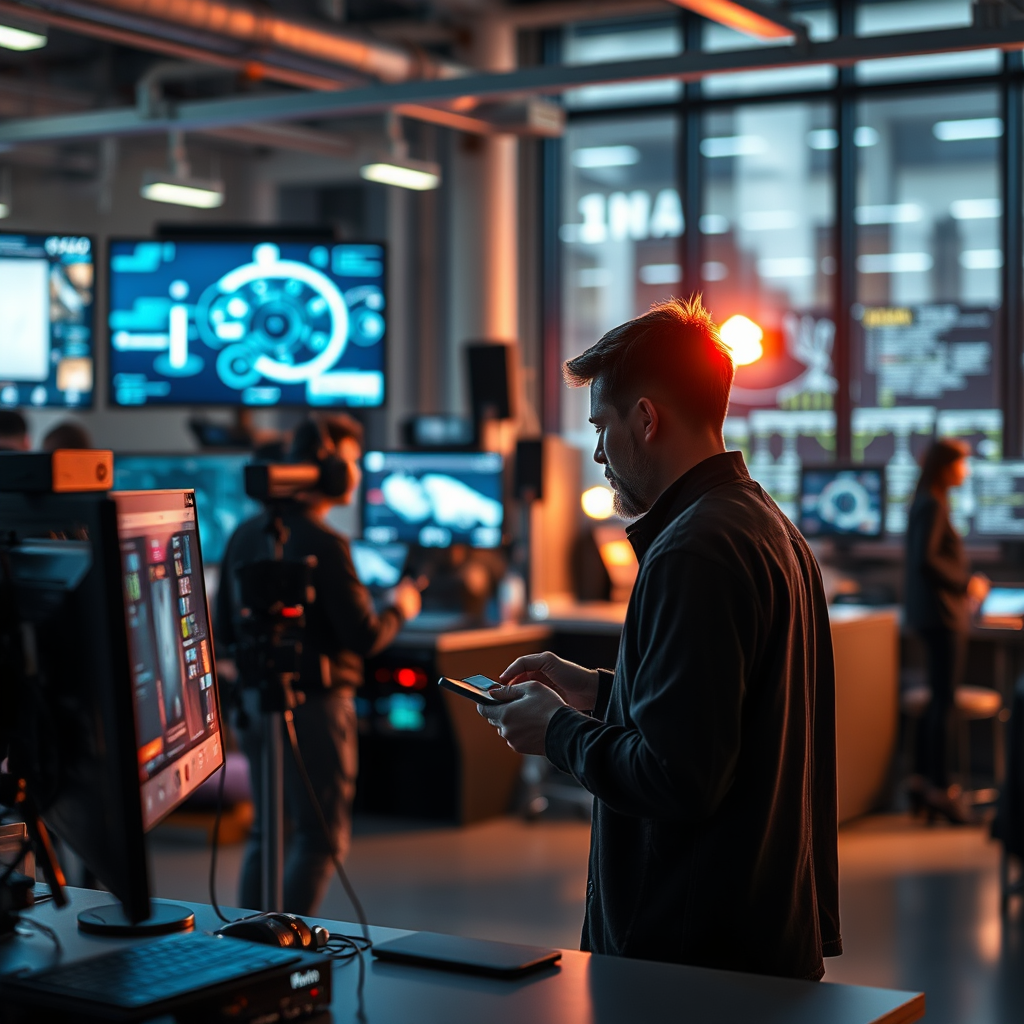
At the heart of AI-generated lighting effects are sophisticated algorithms that analyze scenes in real-time. These algorithms use computer vision techniques to assess various elements of a shot, such as character positioning, background details, and emotional cues. By understanding the context of a scene, AI can adjust the lighting accordingly—whether that means brightening a tense moment for dramatic effect or dimming lights during a poignant dialogue.
Moreover, machine learning plays a crucial role in refining these effects. By gathering data from viewer feedback and analyzing how different lighting scenarios impact audience engagement, AI systems can learn to create more effective lighting choices over time. This adaptability ensures that as preferences shift, the technology evolves, making it a powerful tool for filmmakers aiming to create compelling visual narratives.
Current Applications of AI Lighting in Film
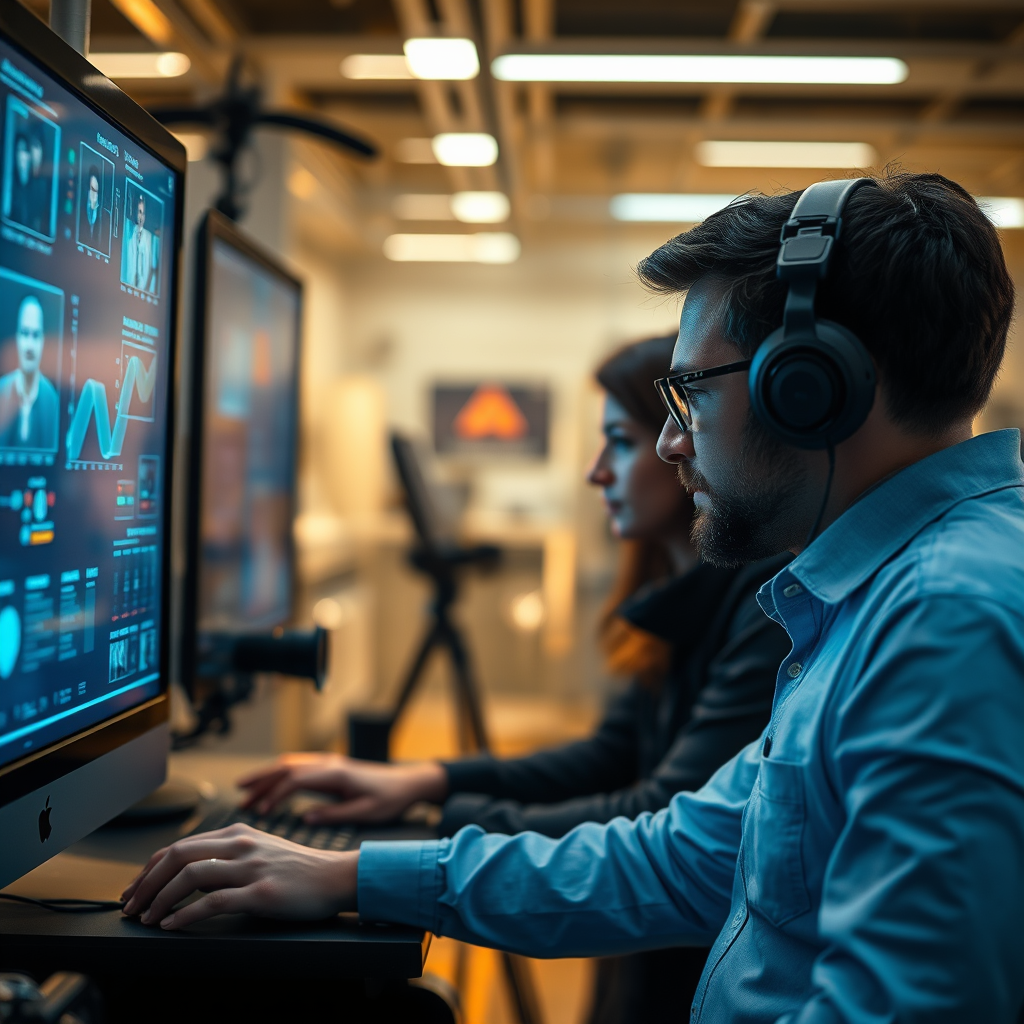
Recent films have begun to showcase the potential of AI-generated lighting, with notable examples including The Lion King (2019) and Dune (2021). In The Lion King, AI-driven lighting was used to create a more immersive experience, enhancing the emotional weight of scenes through nuanced lighting adjustments that aligned with the characters’ journeys. Similarly, Dune utilized AI to generate lighting effects that complemented its vast landscapes and complex emotional undertones.
Studios are increasingly integrating AI tools into their production workflows, employing software that assists cinematographers in achieving desired lighting effects efficiently. For instance, companies like NVIDIA have developed AI-driven platforms that help visualize lighting scenarios during pre-production, allowing filmmakers to experiment with different aesthetics before committing to any specific setup. This proactive approach not only saves time but also enhances the creative process.
The Creative Potential of Dynamic Lighting Effects
Dynamic lighting effects open up a world of creative possibilities for cinematographers and directors. With AI, filmmakers can craft unique, mood-specific lighting that adapts to a narrative’s emotional landscape. Imagine a suspenseful thriller where the lighting shifts from cold and harsh to warm and inviting, mirroring the protagonist’s internal struggle. AI can facilitate such transitions seamlessly, allowing for a richer storytelling experience.
Moreover, AI-generated lighting can be tailored to individual scenes, creating an aesthetic that is not only visually stunning but also deeply connected to the plot. For example, a romantic scene could feature soft, golden hues that evoke warmth and intimacy, while an action sequence might utilize stark, high-contrast lighting to heighten excitement. This level of customization elevates the cinematic experience, making it more engaging for audiences.
Challenges and Considerations in AI Lighting
While the benefits of AI-generated lighting are clear, filmmakers face several challenges when implementing these solutions. One significant hurdle is the technical complexity of integrating AI systems into existing workflows. Filmmakers must ensure that their teams are adequately trained to use these tools effectively, which can require significant investment in both time and resources.
Additionally, ethical concerns have arisen regarding the use of AI in creative processes. As AI takes on more creative roles, questions about authorship and artistic intent emerge. Filmmakers must navigate the delicate balance between leveraging technology to enhance their vision and maintaining the authenticity of their creative expression. Engaging in discussions about these ethical implications is essential for fostering a responsible and innovative film industry.
The Future Landscape of Film Production with AI
Looking ahead, the landscape of film production is poised for significant transformation due to AI technologies. Experts predict that AI will not only enhance lighting techniques but also revolutionize other aspects of filmmaking, such as editing and visual effects. We may see a future where AI collaborates with human artists, providing suggestions and insights that enrich the creative process while respecting the artist’s vision.
Furthermore, the collaboration between filmmakers and AI could lead to entirely new genres and styles of storytelling. As AI becomes more adept at understanding narrative structures, it may even assist in scriptwriting or create interactive experiences that allow viewers to influence the story in real time. This partnership between human creativity and AI efficiency could lead to a renaissance in the film industry.
Audience Experience and Engagement
AI-generated lighting effects have the potential to significantly enhance audience immersion and emotional connection with films. By tailoring lighting to match the emotional tone of a scene, filmmakers can evoke deeper feelings and responses from viewers. For instance, a suspenseful moment can be amplified through sudden shifts in lighting, drawing the audience deeper into the narrative.
Moreover, with the rise of streaming platforms, personalized lighting experiences could become a reality. Imagine watching a film at home where the lighting in your living room adjusts automatically to match the on-screen action, creating a more immersive viewing experience. This level of personalization can foster a stronger emotional connection to the story, making it more memorable for audiences.
As AI technology continues to advance, the film industry is on the brink of a new era where dynamic lighting effects are not just tools but integral elements of storytelling. Filmmakers who embrace these innovations will find themselves at the forefront of a creative revolution that enhances their artistic vision and deepens audience engagement.
The advancements in AI-generated dynamic lighting effects promise to transform how stories are told on screen by providing filmmakers with innovative tools that enhance their creative vision. As technology continues to evolve, embracing these changes will be essential for anyone involved in the film industry. Stay informed about the latest trends and consider how you can leverage AI in your own projects for a brighter, more dynamic future in film.
Frequently Asked Questions
What are AI-generated dynamic lighting effects in films?
AI-generated dynamic lighting effects in films refer to the use of artificial intelligence technologies to create and manipulate lighting scenarios in real-time during the filmmaking process. These effects can adapt based on scene requirements, character movements, or even audience reactions, enhancing the visual storytelling and emotional impact of a film. By leveraging machine learning algorithms, filmmakers can achieve intricate lighting setups that were previously time-consuming or technically challenging to realize.
How can AI improve the efficiency of lighting design in film production?
AI can significantly enhance the efficiency of lighting design in film production by automating the process of lighting setup and adjustments. By analyzing scenes and suggesting optimal lighting configurations based on mood, time of day, and character positioning, AI tools can save cinematographers hours of manual work. This allows creative teams to focus more on artistic expression while ensuring that the lighting complements the narrative effectively.
Why is dynamic lighting important for storytelling in films?
Dynamic lighting is crucial for storytelling in films as it establishes mood, highlights key moments, and guides the audience’s attention. It can evoke emotional responses and enhance the visual appeal of a scene, making it more immersive. With AI-generated dynamic lighting effects, filmmakers can create nuanced atmospheres that evolve in real-time, offering a more engaging viewing experience that aligns closely with the story’s emotional arc.
What are the best examples of films using AI-generated lighting effects?
Some of the best examples of films utilizing AI-generated lighting effects include “The Lion King” (2019), where AI was used to create hyper-realistic lighting that mimicked the natural environment. Additionally, “Blade Runner 2049” showcased innovative lighting techniques that were enhanced by AI to create its distinct aesthetic. These films demonstrate how AI can be integrated into the visual effects pipeline to push the boundaries of traditional lighting design.
Which technologies are driving the future of AI-generated lighting effects in cinema?
The future of AI-generated lighting effects in cinema is being driven by advancements in machine learning, computer vision, and real-time rendering technologies. Tools like Unreal Engine and Autodesk’s Maya are incorporating AI capabilities that allow for intuitive lighting adjustments and simulations. Furthermore, developments in GPU performance enable filmmakers to utilize complex algorithms that generate dynamic and realistic lighting effects, paving the way for more innovative storytelling techniques in film.
References
- https://en.wikipedia.org/wiki/Artificial_intelligence_in_cinema
- https://www.theguardian.com/technology/2023/jul/11/ai-lighting-effects-filmmaking
- https://www.sciencedirect.com/science/article/pii/S1877050921005811
- Detection of volcanic unrest onset in La Palma, Canary Islands, evolution and implications | Scie…
- https://www.bbc.com/news/technology-59018423
- https://www.npr.org/sections/technology/2022/11/08/1134927071/ai-in-film-lighting
- https://www.forbes.com/sites/bernardmarr/2023/02/06/how-ai-is-changing-the-way-films-are-made/?sh=78a51b4e2d5d