Personal AI PCs are revolutionizing the way we interact with technology by integrating artificial intelligence into everyday computing. These innovative devices assist users in various tasks—ranging from simple reminders to complex data analysis—making technology feel more personalized and intuitive. As this category continues to gain traction, it’s essential to explore their rise, key features, benefits, popular models, challenges, and future trends.



The Rise of Personal AI PCs
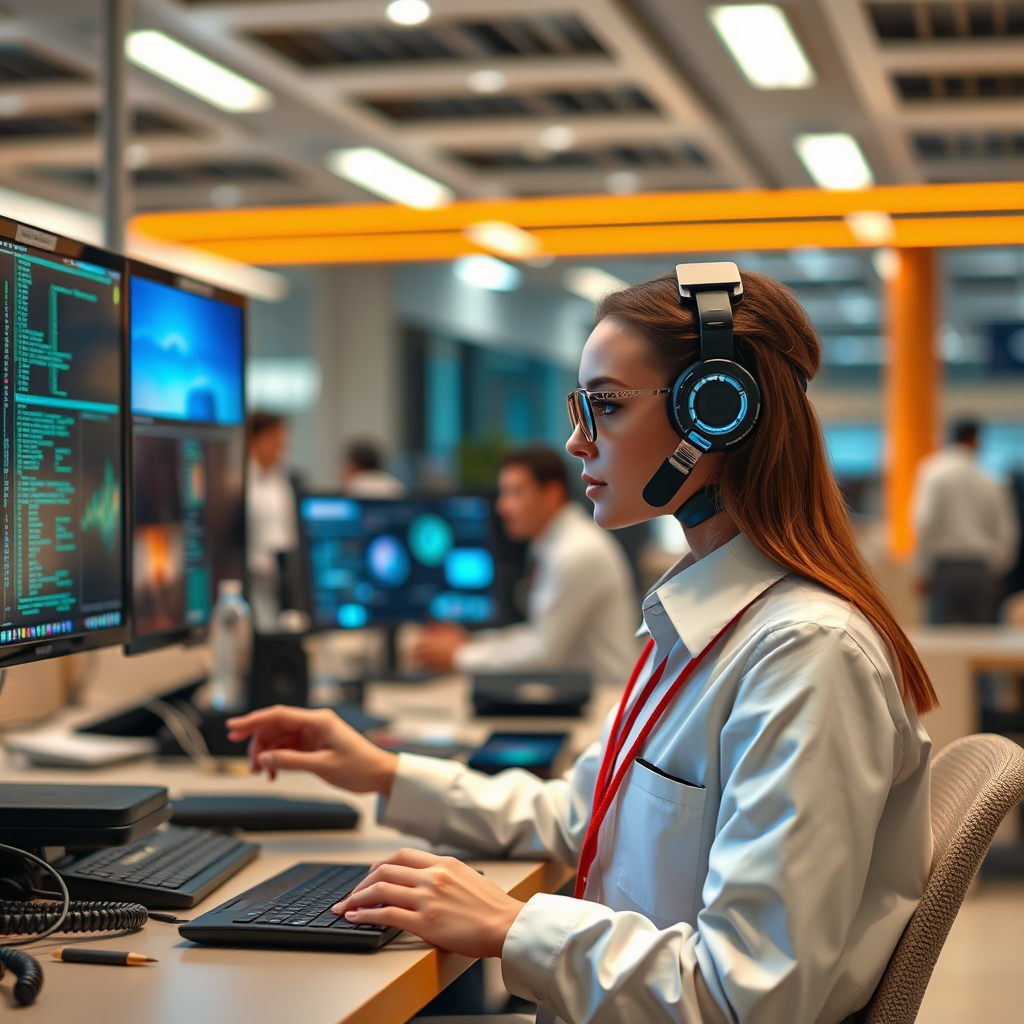
The emergence of personal AI PCs marks a significant turning point in the technology landscape. Designed to assist users through machine learning and automation, these devices cater to the growing demand for technology that adapts to individual needs. The rise of smart assistants like Siri, Alexa, and Google Assistant has paved the way for more sophisticated AI integration in personal computing. As consumers increasingly seek devices that can understand and respond to their preferences, manufacturers are stepping up innovation.
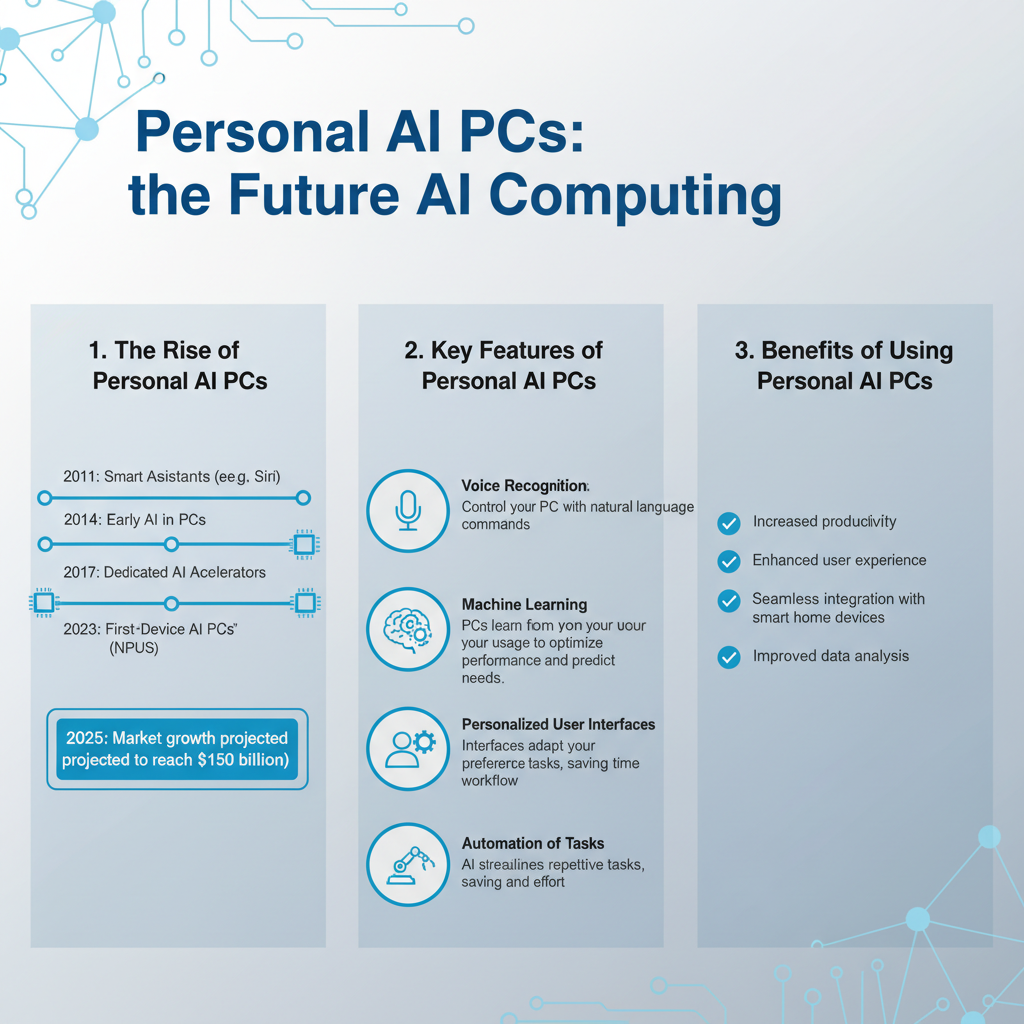
In recent years, the market for personal AI PCs has surged as people recognize the value of having a device that learns and evolves with them. This personalization is not just a luxury; it’s becoming a necessity in our fast-paced world, where efficiency and effectiveness are paramount. From students needing help with research to professionals managing complex projects, personal AI PCs are stepping in to bridge the gap between human needs and digital capabilities.
Key Features of Personal AI PCs
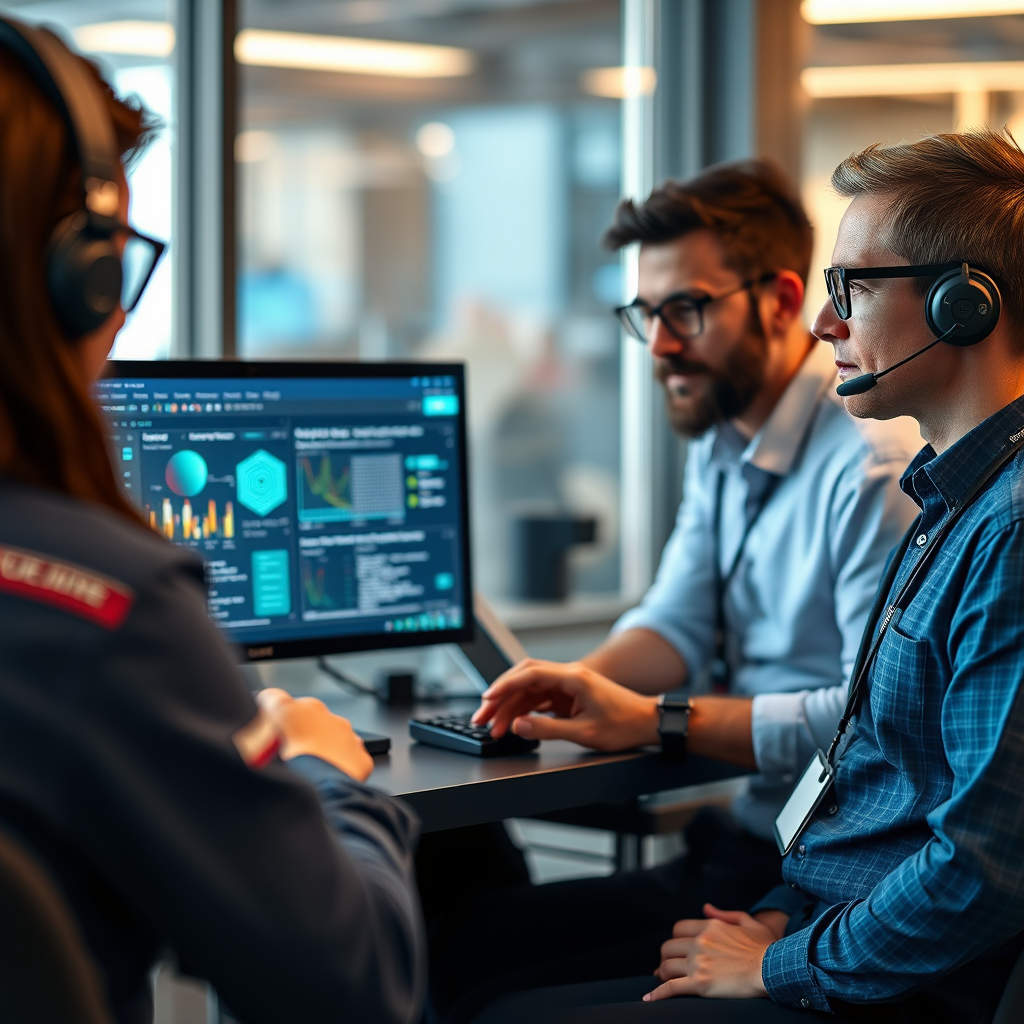
One of the standout features of personal AI PCs is their enhanced user interaction, powered by natural language processing (NLP). This technology allows users to communicate with their devices intuitively, making requests and receiving responses in a conversational manner. Imagine asking your computer to draft an email or summarize a long document simply by speaking—this is the power of NLP in action.
Beyond just understanding commands, personal AI PCs boast advanced data processing capabilities. These systems learn and adapt to user preferences over time, meaning that the more you use them, the better they understand your habits and needs. For example, if you regularly schedule meetings at a certain time, your AI PC might start suggesting optimal times for future meetings based on your calendar and work patterns. This level of personalization can significantly enhance user experience and productivity.
Benefits of Using Personal AI PCs
The benefits of integrating personal AI PCs into your daily routine are substantial. One of the most significant advantages is increased productivity. By automating routine tasks—such as managing schedules, sending reminders, and even performing internet searches—users can free up valuable time to focus on more complex and creative aspects of their work or personal lives.
Additionally, personal AI PCs provide improved decision-making support. With their ability to analyze large amounts of data and present insights, users can make informed choices more quickly. For instance, a personal AI PC could analyze your spending habits and suggest budget adjustments, or it could compile research data to help you prepare for an important presentation. This capability turns a standard computing device into a powerful ally in both personal and professional realms.
Popular Models and Brands
As the market for personal AI PCs expands, several leading brands have emerged with impressive offerings. Companies like Dell, HP, and Lenovo have begun integrating AI features into their laptops and desktops, while tech giants like Apple and Microsoft are also making strides in this space.
For example, the Dell XPS series now includes AI-enhanced features that optimize performance based on user behavior. Similarly, Microsoft’s Surface line of devices integrates AI with features like voice recognition and predictive text, enhancing the overall user experience. Comparing models across different brands can help consumers identify which features align best with their needs and budgets. Price points vary widely, with entry-level models starting around $500 and high-end options exceeding $2,000, offering something for everyone.
Challenges and Considerations
While personal AI PCs come with numerous benefits, they also pose some challenges and considerations that users should keep in mind. One of the primary concerns is privacy. With AI systems collecting and analyzing user data to personalize experiences, there is a valid worry about how that data is stored, used, and shared. Users must be aware of privacy policies and take proactive steps to safeguard their information, such as adjusting settings on their devices.
Another consideration is the need for constant updates and maintenance. Just like any software, AI algorithms require regular updates to function optimally. This includes not only system updates but also updates to the AI’s learning models to ensure they remain effective over time. Users should be prepared for the occasional need to troubleshoot or update their devices to maintain peak performance.
Future Trends in Personal AI PCs
Looking ahead, the future of personal AI PCs is incredibly promising. As technology continues to evolve, we can expect even deeper integration of AI capabilities into our everyday computing experiences. Innovations such as augmented reality (AR) and virtual reality (VR) may begin to merge with personal AI, creating immersive environments where users can interact with their machines in entirely new ways.
Additionally, advancements in AI and machine learning will likely enhance the accuracy and efficiency of these systems. Imagine a personal AI PC that not only schedules your meetings but also anticipates potential conflicts based on your preferences and past behaviors. The potential for growth in this sector is vast, with exciting developments on the horizon that could transform how we work and live.
The growing trend of personal AI PCs signifies a pivotal shift in technology, where personalized experiences and intelligent assistance are at the forefront. As this category continues to evolve, users should stay informed about the latest innovations and consider how these devices can enhance their daily lives. By exploring the options available and understanding the benefits, challenges, and future trends, consumers can make informed decisions and embrace the future of personal computing with confidence.
Frequently Asked Questions
What are personal AI PCs and how do they work?
Personal AI PCs are computers equipped with artificial intelligence capabilities that enhance user experience by automating tasks and providing intelligent assistance. These systems utilize machine learning algorithms to learn user preferences and behaviors, allowing them to offer personalized recommendations, streamline workflows, and improve productivity. The integration of AI in personal PCs can range from voice recognition features to advanced data analytics tools, making them suitable for both casual users and professionals.
How can I benefit from using a personal AI PC?
Using a personal AI PC can significantly improve your efficiency and organization. With features like smart scheduling, automated data entry, and predictive text, these devices can save you time on repetitive tasks. Additionally, AI PCs can provide personalized insights based on your usage patterns, helping you make informed decisions and enhance your overall computing experience. This is especially valuable for professionals who need to manage multiple projects simultaneously.
Why are personal AI PCs becoming a trending category in technology?
Personal AI PCs are gaining popularity due to their ability to enhance user productivity and simplify complex tasks through automation. As more people work from home and rely on technology for daily activities, the demand for smarter, more efficient computing solutions has surged. Furthermore, advancements in AI technology and decreasing prices have made these systems more accessible to a broader audience, leading to increased adoption and interest in personal AI PCs.
What are the best personal AI PCs available in the market?
Some of the best personal AI PCs currently on the market include the Dell XPS 13 with integrated AI features, Apple’s MacBook Pro equipped with machine learning capabilities, and Microsoft Surface Pro 8, which utilizes AI for enhanced performance. Additionally, Lenovo’s ThinkPad series offers robust AI integration for business environments. When choosing the best personal AI PC, consider your specific needs, such as performance, portability, and the type of AI features that will benefit you most.
Which industries can benefit the most from personal AI PCs?
Personal AI PCs can benefit a wide range of industries, including healthcare, finance, education, and creative fields. In healthcare, for instance, AI PCs can analyze patient data and assist with diagnosis. In finance, they help with data analysis and predictive modeling. Similarly, in education, they can provide personalized learning experiences. The versatility of personal AI PCs makes them an invaluable tool across various sectors, enhancing productivity and decision-making processes.
References
- Personal computer
- https://www.bbc.com/news/technology-64413487
- https://www.reuters.com/technology/personal-ai-pcs-are-here-what-you-need-know-2023-01-30/
- https://www.theguardian.com/technology/2023/aug/15/ai-pcs-personal-computing-revolution
- https://www.sciencedirect.com/science/article/pii/S1877050923000300
- https://www.forbes.com/sites/bernardmarr/2023/05/01/the-rise-of-personal-ai-pcs-and-what-it-means-for-the-future-of-computing/
- https://www.techcrunch.com/2023/04/25/personal-ai-and-the-future-of-pcs/
- https://www.nytimes.com/2023/06/10/technology/personal-ai-pcs.html
- https://www.acm.org/publications/research/ai-in-pcs