Setting up a multi-zone sound system for large events is essential for delivering high-quality audio across various areas of the venue. Effective planning, appropriate equipment selection, and testing are crucial to ensure seamless audio experiences for all attendees. In this guide, we will walk you through the fundamental steps and considerations necessary to create an engaging sound system that enhances the overall event experience.




Understanding Multi-Zone Sound Systems
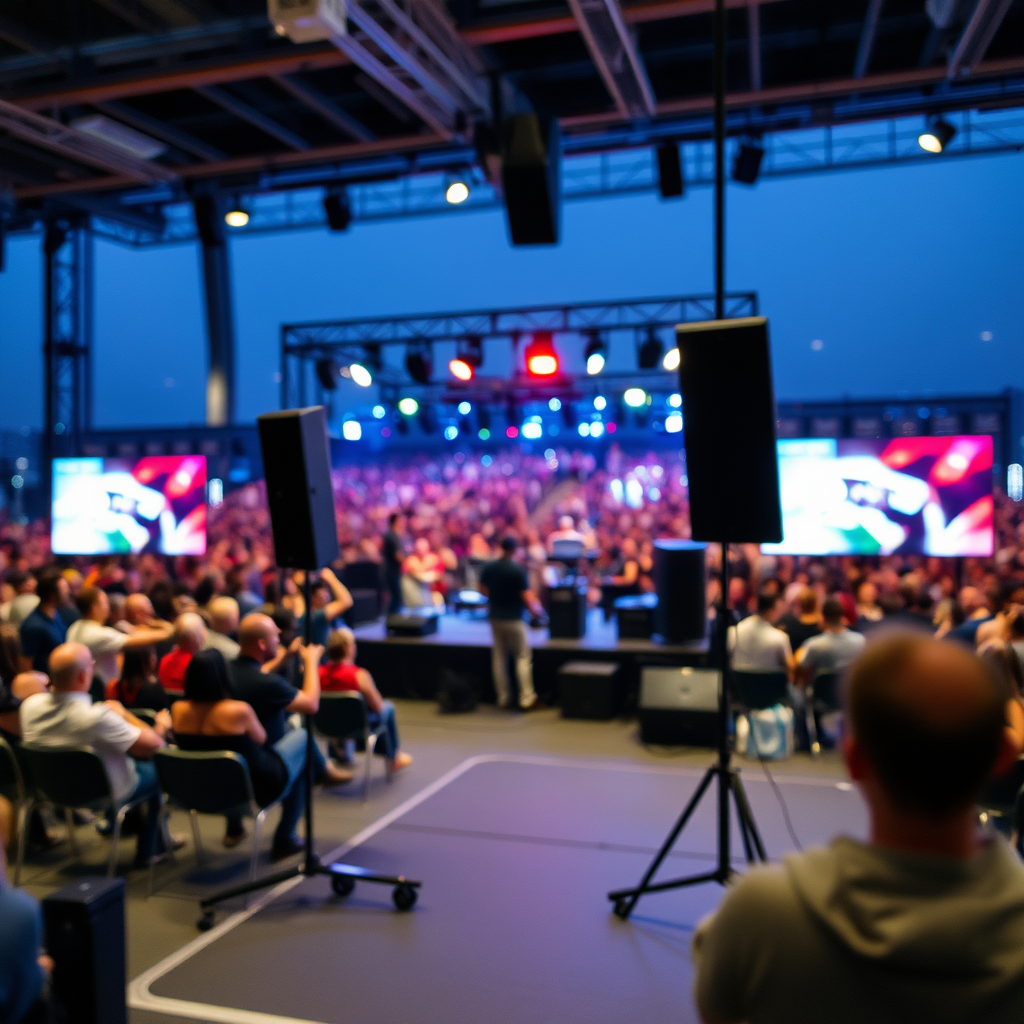
A multi-zone sound system is designed to distribute audio across multiple distinct areas or zones within a venue. The purpose of such a system is to allow different audio content to be played in different areas simultaneously, catering to the diverse needs of attendees. For instance, a corporate conference might require ambient music in the lounge area while delivering keynote speeches in the main hall.
Coverage and sound quality are critical aspects of large events. Poor audio can detract from the overall experience, leading to disengagement and dissatisfaction among attendees. Therefore, ensuring adequate coverage and high-fidelity sound in each zone is paramount for a successful event.
Planning Your Sound Zones
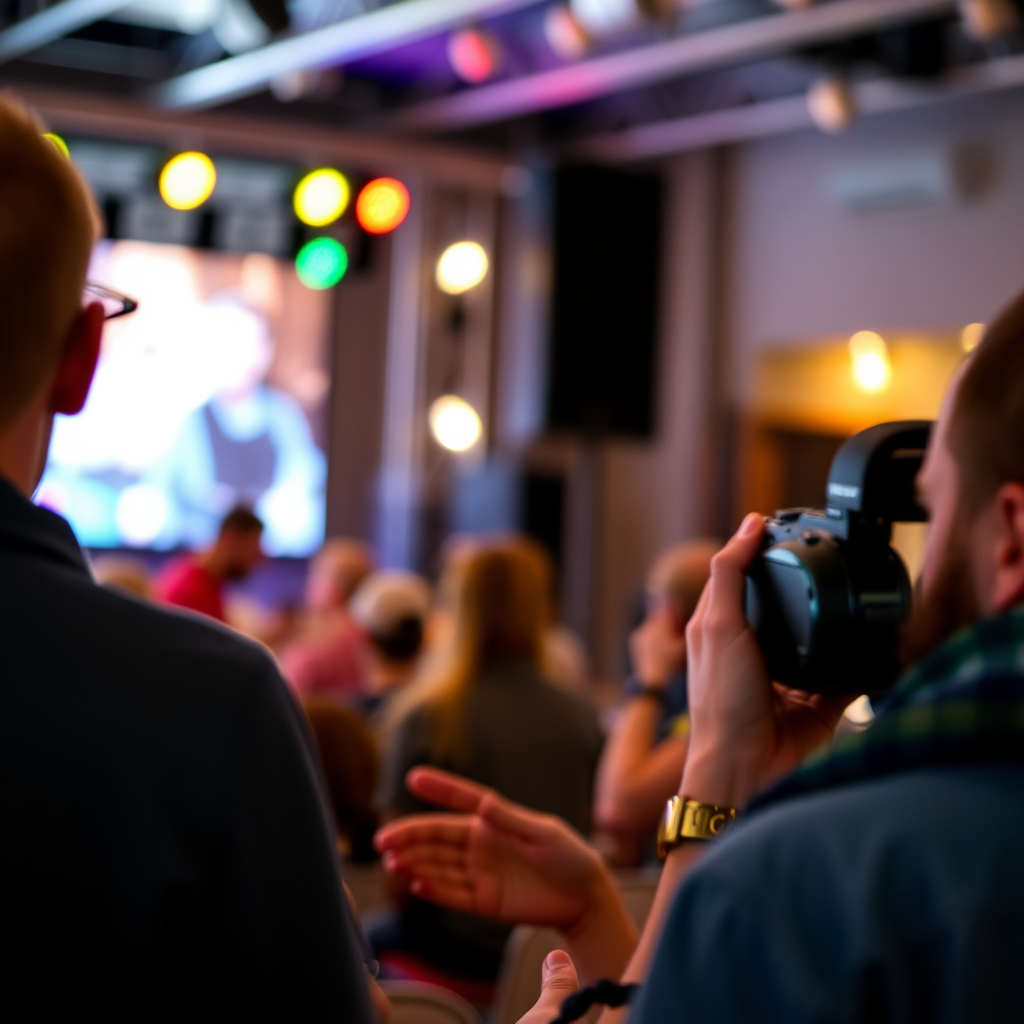
The first step in setting up a multi-zone sound system is to assess the venue layout and identify distinct zones. This may include areas such as the main stage, breakout rooms, corridors, and outdoor spaces. A thorough understanding of the venue will help you determine how many speakers are needed in each area based on size and the expected number of attendees.
Once the zones are identified, consider the specific audio requirements for each area. For example, a loud main stage may require more powerful speakers than a quiet networking area. This assessment will guide your decisions on speaker placement and the number of units needed for optimal sound distribution.
Selecting the Right Equipment
Choosing the right equipment is fundamental to a successful multi-zone sound system. Different types of speakers are suitable for varying environments:
1. Line Array Speakers: Ideal for larger venues, providing even sound distribution over long distances without distortion.
2. Ceiling Speakers: Perfect for quieter spaces like conference rooms, as they deliver unobtrusive audio.
3. Portable PA Systems: Useful for outdoor events or temporary setups where mobility is essential.
In addition to speakers, selecting the right audio mixers and control systems is crucial. These components allow sound engineers to manage audio levels, balance, and routing across multiple zones effectively. Look for systems that offer intuitive interfaces and remote control capabilities for ease of use during events.
Types of Speakers for Multi-Zone Sound Systems
| # | Speaker Type | Best For | Coverage Area | Power Output |
|---|---|---|---|---|
| 1 | Line Array | Large Venues | Up to 10,000 sq ft | 2000W |
| 2 | Ceiling Speakers | Quiet Areas | Up to 500 sq ft | 50W |
| 3 | Portable PA | Outdoor Events | Up to 2000 sq ft | 500W |
| 4 | Subwoofers | Bass-heavy Music | Up to 3000 sq ft | 1000W |
| 5 | Monitors | Live Performances | Up to 1000 sq ft | 300W |
| 6 | Wall-mounted Speakers | Conference Rooms | Up to 1500 sq ft | 200W |
| 7 | Column Speakers | Narrow Spaces | Up to 800 sq ft | 150W |
Cabling and Connectivity
Cabling and connectivity are critical components of your multi-zone sound system setup. The first step is to plan the routing of cables efficiently to minimize clutter and potential hazards. Use cable trays or conduits to keep cables organized and secure, avoiding trip hazards.
It is also essential to consider wireless options for certain areas. Wireless transmitters and receivers can provide flexibility and ease of setup, especially in venues with complex layouts where running cables might not be feasible. However, always have a backup plan in case of connectivity issues, such as having spare cables on hand or using wired connections as a default.
Configuration and Testing
Configuring the audio system is a crucial step in ensuring optimal performance. Start by connecting all speakers and ensuring that they are powered and functioning. Set up the audio mixers and control systems, making sure that each zone is properly adjusted for audio levels and equalization.
Testing audio levels in each zone before the event is vital to address any issues early on. Conduct sound checks at various points within each zone to ensure even sound distribution. Pay attention to volume levels, clarity, and potential feedback issues, making necessary adjustments as needed.
Audio Testing Levels in Different Zones
Troubleshooting Common Issues
Even with careful planning, issues may arise during the event that require quick troubleshooting. Identifying and resolving connectivity problems is often the first step. Ensure that all equipment is powered and properly connected. If audio dropouts occur, check for interference from other devices, and consider using different channels or frequencies for wireless equipment.
Sound interference and feedback can be particularly challenging. To mitigate these issues, position microphones away from speakers, use directional microphones, and adjust equalization settings. Familiarize yourself with the audio control system to make real-time adjustments during the event if necessary.
Maintenance and Post-Event Considerations
After the event, proper maintenance of equipment is critical. Clean all equipment thoroughly to remove dust and debris, and ensure that cables are neatly coiled and stored to prevent damage. This practice prolongs the lifespan of your equipment and prepares it for future events.
Evaluating performance and gathering feedback is also an essential post-event step. Solicit input from attendees and staff regarding audio quality and any issues encountered. This information will be invaluable for improving future setups and ensuring that your multi-zone sound systems operate effectively.
Summarizing the key steps in setting up a multi-zone sound system emphasizes the need for thorough planning, appropriate equipment selection, and testing. By following these guidelines, you can create an engaging audio experience for your large event. Consider reaching out to audio professionals for assistance or to rent equipment if needed, ensuring everything runs smoothly on the big day.
Frequently Asked Questions
What are the essential components needed for a multi-zone sound system setup?
To set up a multi-zone sound system for large events, you’ll need several key components including a central audio source, multiple amplifiers, zone controllers, and high-quality speakers strategically placed throughout the venue. Additionally, consider using a matrix switcher to manage audio routing effectively, and ensure you have the proper cabling for connectivity.
How can I determine the best speaker placement for each zone in my event?
Optimal speaker placement is crucial for achieving balanced sound distribution. Start by assessing the layout of your venue and identifying areas where guests will gather. Use acoustic mapping tools to simulate sound coverage and ensure that each zone has adequate speaker placement to minimize dead spots and avoid sound overlap.
Why is it important to use a zone controller in a multi-zone sound system?
A zone controller is vital in a multi-zone sound system as it allows you to manage audio levels and sources independently in each zone. This ensures that different areas can have tailored sound experiences, making it easier to control volume and audio content, which is particularly important during large events where varying atmospheres are needed.
What are the best practices for wiring a multi-zone sound system for large events?
Best practices for wiring a multi-zone sound system include using high-quality, shielded cables to reduce interference, labeling all cables clearly for easy troubleshooting, and ensuring proper routing to avoid hazards. Additionally, consider using a structured cabling approach to keep everything organized and maintain efficient signal flow across all zones.
Which audio source options are most effective for a multi-zone sound system?
The most effective audio source options for a multi-zone sound system include digital audio players, streaming services, and live sound feeds from DJs or bands. Depending on the event type, a combination of these sources can provide flexibility and enhance the overall audio experience, allowing for seamless transitions between different types of audio content.
References
- Sound system
https://en.wikipedia.org/wiki/Sound_system - https://www.cdc.gov/niosh/topics/ergonomics/faq.html
https://www.cdc.gov/niosh/topics/ergonomics/faq.html - https://www.nature.com/articles/s41598-020-73859-0
https://www.nature.com/articles/s41598-020-73859-0 - https://pubmed.ncbi.nlm.nih.gov/29481574/
https://pubmed.ncbi.nlm.nih.gov/29481574/ - https://www.sciencedirect.com/science/article/pii/S1877050919310452
https://www.sciencedirect.com/science/article/pii/S1877050919310452 - https://www.bbc.com/future/article/20200513-how-to-make-a-sound-system-from-scratch
https://www.bbc.com/future/article/20200513-how-to-make-a-sound-system-from-scratch - https://www.theguardian.com/technology/2020/jul/15/how-to-set-up-a-home-sound-system
https://www.theguardian.com/technology/2020/jul/15/how-to-set-up-a-home-sound-system - https://www.reuters.com/article/us-audio-systems-idUSKBN2A10PU
https://www.reuters.com/article/us-audio-systems-idUSKBN2A10PU - Google Scholar Google Scholar
https://scholar.google.com/scholar?q=multi-zone+sound+system+setup - Google Scholar Google Scholar
https://scholar.google.com/scholar?q=audio+system+design+for+events