
Acoustic panels are an effective solution for enhancing sound quality in various environments, whether it’s a home studio, office, or entertainment space. By strategically placing these panels, you can reduce echo, control sound reflections, and create a more pleasant auditory experience. This article will guide you on how to use acoustic panels to achieve the best sound quality possible.
Understanding Acoustic Panels
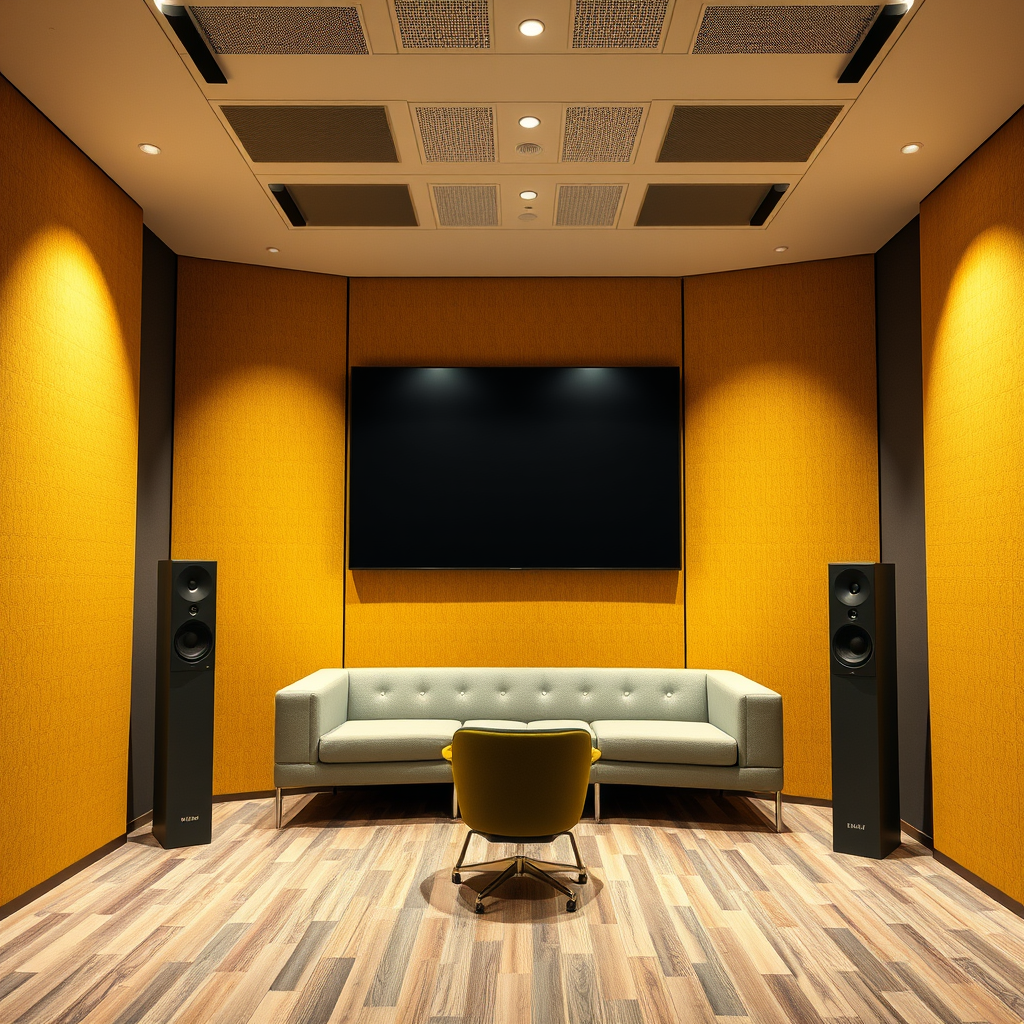
Acoustic panels are designed to absorb sound waves, minimizing echo and reverberation within a space. They work by converting sound energy into heat, which effectively reduces the intensity of sound reflections that can create a harsh auditory environment. Typically made from materials such as foam, fabric, or fiberglass, acoustic panels can significantly enhance sound clarity, making them ideal for spaces where audio quality is crucial.
For example, in a recording studio, clear sound is essential for high-quality recordings, while in an office setting, reducing noise distractions can improve productivity. The effectiveness of these panels is often measured by their Noise Reduction Coefficient (NRC), which indicates how well they absorb sound across different frequencies. A higher NRC rating signifies better sound absorption, making it an important factor to consider when selecting acoustic panels.
Choosing the Right Acoustic Panels
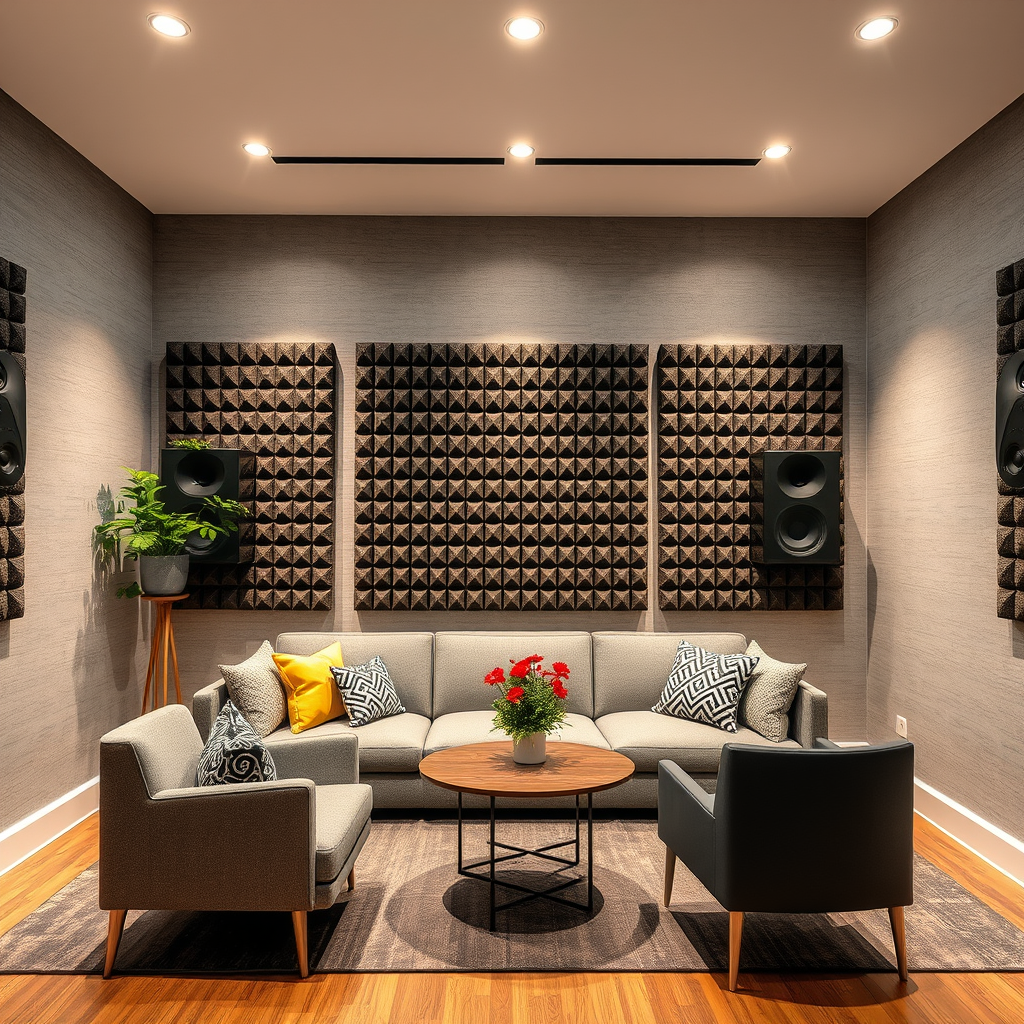
When selecting acoustic panels, it is essential to consider multiple factors to ensure they meet the specific needs of your space.
1. Size of the Space: Larger rooms typically require more panels or larger panels to effectively manage sound reflections. Conversely, smaller spaces may only need a few strategically placed panels.
2. Level of Sound Absorption Needed: Depending on your environment, the required level of sound absorption can vary. For example, a home theater may need panels with a high NRC rating to minimize sound reflections, while a conference room may require less absorption.
3. Material and Aesthetics: Acoustic panels come in various materials and finishes, allowing you to match them with your interior design. Foam panels are lightweight and often used for DIY projects, while fabric-wrapped panels can provide a more polished look.
4. Cost: Budget considerations will also play a significant role in your choice of panels. There are many options available at different price points, from inexpensive foam panels to high-end custom solutions.
Selecting the right acoustic panels is crucial for achieving desired sound quality improvements, so take the time to research and choose options that align with your specific needs.
Placement Strategies for Acoustic Panels
Strategically placing acoustic panels can greatly enhance their effectiveness. Here are some key placement strategies to consider:
1. First Reflection Points: Position panels at the first reflection points, which are the locations where sound waves first bounce off walls before reaching the listener’s ears. Common first reflection points include the walls beside and behind speakers or the listening position.
2. Combination of Wall and Ceiling Panels: In larger spaces, utilizing both wall and ceiling panels can provide optimal coverage. Ceiling panels can be particularly effective in rooms with high ceilings or open layouts.
3. Distributed Coverage: Rather than clustering panels in one area, distribute them evenly across the walls and ceiling to create a balanced sound environment.
4. Testing and Adjustments: After installation, it’s beneficial to conduct listening tests to identify any remaining echo or sound issues. Adjusting the placement of panels based on feedback can help achieve the best sound quality.
5. Consideration of Bass Traps: In addition to traditional panels, bass traps can be utilized in corners to tackle low-frequency sound issues, which can often be overlooked.
By carefully planning panel placement, you can significantly enhance the acoustic environment of any space.
Top Acoustic Panel Brands by NRC Rating (2024)
| # | Brand | Material | NRC Rating | Price (per panel) |
|---|---|---|---|---|
| 1 | Auralex Acoustics | Foam | 0.95 | $40 |
| 2 | Primacoustic | Fiberglass | 0.90 | $50 |
| 3 | Acoustic Panels USA | Fabric | 0.85 | $65 |
| 4 | Sonex | Foam | 0.80 | $35 |
| 5 | ATS Acoustics | Fiberglass | 0.75 | $45 |
| 6 | Soundproof Cow | Foam | 0.70 | $55 |
| 7 | AcoustiColor | Fabric | 0.65 | $70 |
DIY vs. Professional Installation
When it comes to installing acoustic panels, you have the option to either undertake a DIY project or hire professionals. Each approach has its own advantages and considerations.
DIY Installation
– Cost-Effective: DIY installation can save you money as you will not have to pay for labor costs.
– Flexibility: You have the freedom to design and install the panels according to your specifications and preferences.
– Skill Development: For those inclined towards home improvement, it can be an opportunity to learn and develop new skills.
However, DIY installation does require careful planning and measuring to ensure effectiveness. It may also be challenging for those who lack experience with tools or design concepts.
Professional Installation
– Expertise: Hiring professionals guarantees that the panels are installed correctly, maximizing their effectiveness.
– Time-Saving: Professionals can often complete the job more quickly than a DIY enthusiast, allowing you to enjoy the benefits sooner.
– Design Consultation: Professionals can provide valuable insights and recommendations based on their experience and understanding of acoustics.
While professional installation may involve higher costs, the benefits of expert guidance and guaranteed results can justify the investment, especially in critical environments like recording studios or auditoriums.
Maintaining Acoustic Panels
To ensure that your acoustic panels continue to perform at their best, regular maintenance is essential. Here are some maintenance tips:
1. Cleaning: Dust and debris can accumulate on panels, diminishing their effectiveness. Regularly clean them with a soft, damp cloth or a vacuum with a brush attachment to keep them in optimal condition.
2. Inspection for Wear and Tear: Periodically check your panels for any signs of damage or wear. If panels become torn, discolored, or lose their shape, it may be time for replacement.
3. Avoiding Moisture: Ensure that your panels are not exposed to excessive moisture, which can lead to mold or mildew growth. In humid areas, consider using moisture-resistant panels.
4. Rearranging as Needed: Over time, you may find that the original placement of panels no longer meets your needs. Feel free to rearrange them based on changes in usage or layout of the space.
By maintaining acoustic panels properly, you can prolong their lifespan and keep your sound quality at its peak.
Additional Soundproofing Techniques
While acoustic panels can significantly improve sound quality, combining them with other soundproofing techniques can yield even better results. Consider the following methods:
1. Floor Treatments: Carpets and rugs can help absorb sound, especially in spaces with hard flooring. They provide an additional layer of sound insulation, reducing echoes and noise transmission.
2. Curtains and Draperies: Heavy curtains can block sound from entering or leaving a room, making them an effective addition to windows in sound-sensitive areas.
3. Soundproof Doors: Upgrading to solid-core doors can prevent sound leakage, particularly in offices or home studios where confidentiality is important.
4. Bass Traps: Installing bass traps in corners can help manage low-frequency sounds that often create muddiness in audio, leading to a clearer overall sound.
5. Sealing Gaps: Seal any gaps around windows, doors, and electrical outlets to prevent sound leakage and ensure that your soundproofing efforts are effective.
By integrating these methods with acoustic panels, you can create an acoustically optimized space that meets your needs.
Effectiveness of Soundproofing Techniques (%)
Evaluating Sound Quality Improvements
To measure the effectiveness of your acoustic panel installation, conducting before-and-after sound tests is invaluable. Here are some suggested methods for evaluation:
1. Decibel Level Measurements: Use a sound level meter to measure the decibel levels in the space before and after installing acoustic panels. This quantitative data can provide clear evidence of sound reduction.
2. Subjective Listening Tests: Gather feedback from users in the space. Their subjective experiences can provide insights into how the sound quality has changed, particularly in terms of clarity and echo reduction.
3. Recording Tests: For music studios, making recordings before and after panel installation can help assess the quality of sound captured, revealing improvements in clarity and depth.
4. Adjustments Based on Findings: Based on your evaluations, you may need to rearrange or add more panels to achieve the desired sound quality. Continuous improvement is key to maintaining an optimal acoustic environment.
By carefully evaluating the impact of your acoustic panels, you can ensure that your space remains acoustically balanced and pleasant for all occupants.
In summary, understanding how to effectively use acoustic panels enables you to significantly improve the sound quality in your environment. By selecting the right panels, strategically placing them, and considering additional soundproofing techniques, you can create an acoustically optimized space that meets your needs. Whether you’re enhancing a home studio, office, or entertainment area, investing time in these strategies will yield rewarding results. For more information on soundproofing and acoustic solutions, explore our resources or consult with an expert.
Frequently Asked Questions
What are acoustic panels and how do they improve sound quality?
Acoustic panels are sound-absorbing materials designed to reduce echoes and reverberation in a space. By strategically placing these panels on walls and ceilings, you can enhance sound clarity and create a more balanced auditory environment, making them ideal for recording studios, home theaters, and even offices.
How do I determine the best placement for acoustic panels in my room?
To find the best placement for acoustic panels, first identify the primary reflection points in your room, typically the first points where sound waves bounce off walls. Use a mirror to help locate these spots while sitting in your listening position. Installing panels at these locations, along with corners for bass traps, will significantly improve sound quality.
Why should I consider using acoustic panels in my home studio?
Using acoustic panels in your home studio is essential for achieving professional-level sound quality. They help eliminate unwanted noise and echoes, allowing for clearer recordings and better mixing. This investment can result in a more polished and refined sound, making your music or voice recordings stand out.
What is the best type of acoustic panel for a small room?
The best type of acoustic panel for a small room is one that balances sound absorption and aesthetic appeal. Look for high-density foam panels or fabric-wrapped mineral wool panels, as they effectively reduce echo without taking up too much space. Additionally, consider using wall-mounted panels in varying sizes to enhance both functionality and style.
Which materials are most effective for DIY acoustic panels?
For DIY acoustic panels, the most effective materials include high-density foam, mineral wool, or fiberglass insulation. These materials are known for their sound-absorbing properties and can be easily framed and covered with fabric to match your room’s decor. Creating your own panels can be a cost-effective solution to improving sound quality in any space.
References
- Acoustic panel
https://en.wikipedia.org/wiki/Acoustic_panel - https://www.sciencedirect.com/topics/engineering/acoustic-panels
https://www.sciencedirect.com/topics/engineering/acoustic-panels - https://www.ncbi.nlm.nih.gov/pmc/articles/PMC5715022/
https://www.ncbi.nlm.nih.gov/pmc/articles/PMC5715022/ - https://www.ncbi.nlm.nih.gov/pmc/articles/PMC4998200/
https://www.ncbi.nlm.nih.gov/pmc/articles/PMC4998200/ - Sound | Properties, Types, & Facts | Britannica
https://www.britannica.com/science/sound-physics - https://www.nature.com/articles/s41598-019-40983-2
https://www.nature.com/articles/s41598-019-40983-2 - Google Scholar Google Scholar
https://scholar.google.com/scholar?q=Acoustic+Panels+for+Sound+Quality - Google Scholar Google Scholar
https://scholar.google.com/scholar?q=Acoustic+Panel+Effectiveness - Google Scholar Google Scholar
https://scholar.google.com/scholar?q=Improving+Sound+Quality+with+Acoustic+Panels - https://www.researchgate.net/publication/323603257_Acoustic_Panels_and_their_Effect_on_Audio_Quality_in_Small_Spaces
https://www.researchgate.net/publication/323603257_Acoustic_Panels_and_their_Effect_on_Audio_Quality_in_Small_Spaces