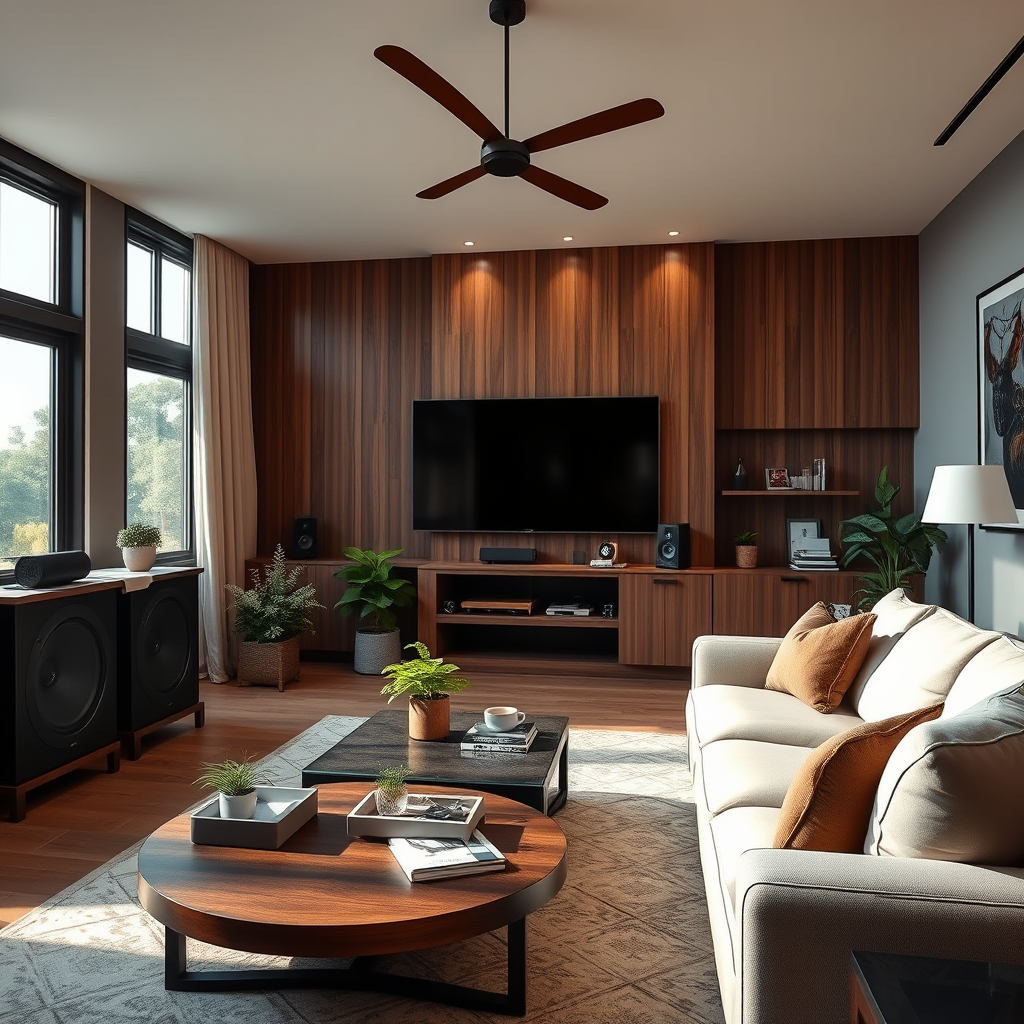

Improving bass response in your home theater is essential for a more immersive audio experience. By optimizing speaker placement, adjusting settings, and using the right equipment, you can significantly boost the low-end frequencies in your sound system. In this article, you’ll learn practical strategies to enhance the bass in your home theater setup.
Understanding Bass Response
Bass response refers to how well your audio system reproduces low-frequency sounds, typically ranging from 20 Hz to 200 Hz. This range encompasses the deep thuds of explosions in action movies, the resonant notes of a bass guitar, or the rumble of a live concert. Several factors influence bass response, including the type of speakers used, the acoustics of the room, and the positioning of both speakers and listeners.
Different speaker types handle bass frequencies in unique ways. For example, floor-standing speakers may provide more substantial bass than bookshelf models due to their larger drivers. Room acoustics also play a crucial role; hard surfaces can create echoes that muddy the sound, while soft furnishings can absorb sound and reduce resonance. Finally, the listener’s position within the room can significantly affect perceived bass levels, making it vital to consider all these factors when optimizing your system.
Optimal Speaker Placement
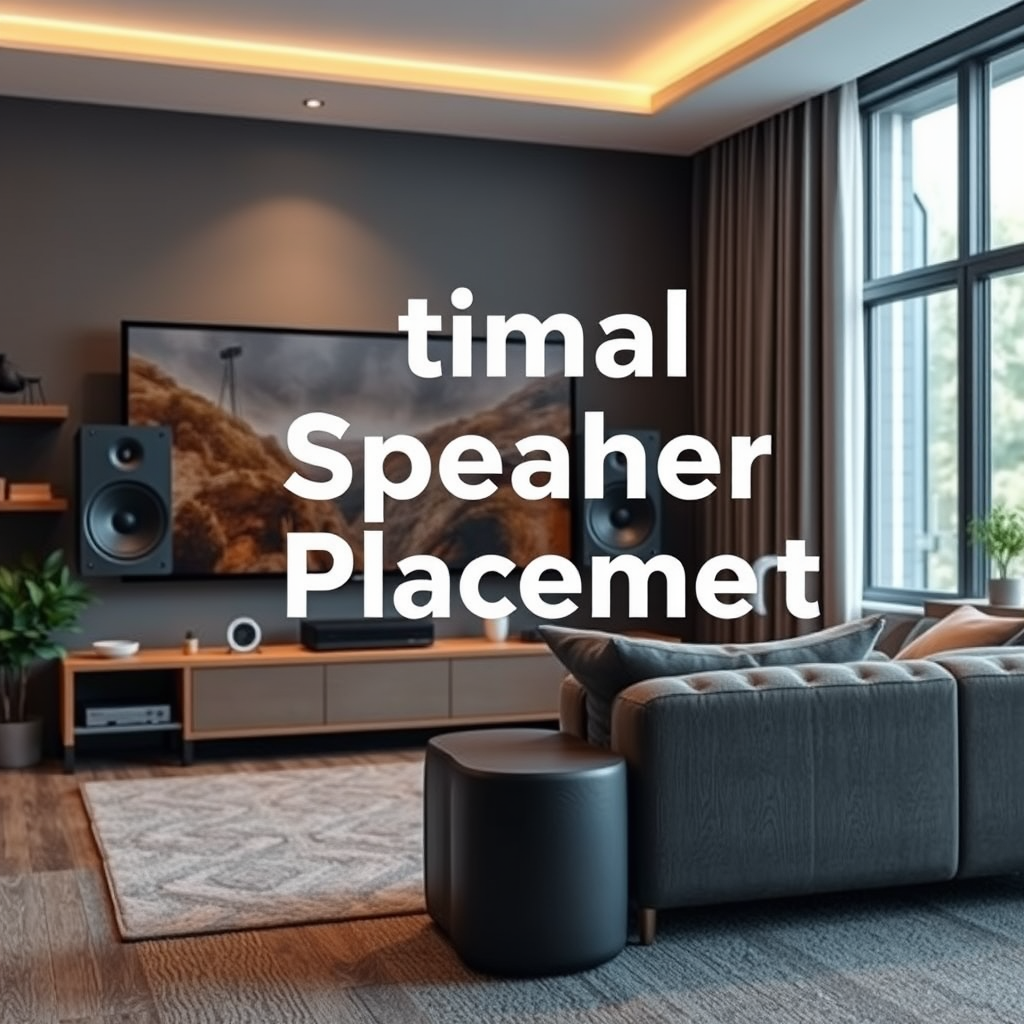
To maximize bass output, speaker placement is critical. Subwoofers, which are specifically designed to handle low-frequency sounds, should ideally be positioned in corners or against walls. This placement allows the subwoofer to take advantage of boundary reinforcement, which can amplify bass frequencies. Experimenting with different locations within your room is essential to find the “sweet spot” for optimal bass performance.
A common method for determining the best placement is the “subwoofer crawl.” This involves temporarily placing the subwoofer at the listener’s main seating position and playing a bass-heavy track. Walk around the room, listening for the location where the bass sounds the best, and then relocate the subwoofer to that spot. This approach can lead to a more balanced and powerful bass response.
Room Acoustics and Treatment
The acoustics of your room can significantly impact sound quality and bass response. Hard surfaces such as tile floors, glass windows, and bare walls can create unwanted reflections that interfere with sound clarity. To improve the acoustic environment, consider implementing sound treatment solutions. Acoustic panels can be strategically placed to absorb reflections, while bass traps can help manage low-frequency buildup in corners.
Furniture and flooring also affect sound absorption. Thick carpets and upholstered furniture can dampen sound, while hardwood or tile floors may enhance sharp reflections. When designing your home theater, consider incorporating area rugs and heavy drapes to soften the sound and improve overall listening quality.
Top Acoustic Treatment Options for Home Theaters (2024)
| # | Treatment Type | Effectiveness | Cost Range | Installation |
|---|---|---|---|---|
| 1 | Acoustic Panels | High | $100-$300 | Easy |
| 2 | Bass Traps | Very High | $150-$400 | Moderate |
| 3 | Diffusers | Medium | $100-$250 | Moderate |
| 4 | Soundproof Curtains | High | $50-$150 | Easy |
| 5 | Acoustic Foam | Medium | $30-$100 | Easy |
| 6 | Wall Panels | High | $100-$300 | Moderate |
| 7 | Ceiling Clouds | Medium | $200-$500 | Challenging |
Calibration and Settings
Once your speakers are in place, the next step is to ensure that your audio system is correctly calibrated. Most modern AV receivers come equipped with room calibration features that can analyze your room’s acoustics and automatically adjust speaker settings for optimal sound quality. Using a microphone, these systems evaluate factors such as speaker distance, volume levels, and frequency response, making necessary adjustments to create a balanced sound profile.
Adjusting crossover settings is another crucial aspect of calibration. The crossover frequency determines where the sound transitions from the main speakers to the subwoofer. Setting the crossover too high can lead to a disjointed listening experience, while setting it too low may result in missing harmonics. A good rule of thumb is to set the crossover frequency at around 10 Hz higher than the lower limit of your main speakers. This ensures a smooth integration between the bass produced by the subwoofer and the sounds from your main speakers.
Upgrading Equipment
If optimizing placement and settings does not yield the desired results, it may be time to explore upgrading your equipment. Investing in a high-quality subwoofer designed for deep bass performance can make a significant difference in your home theater experience. Look for models that offer features such as multiple driver configurations, built-in amplification, and adjustable low-pass filters for enhanced customization.
In some cases, adding an additional subwoofer can dramatically improve the distribution of low frequencies throughout your room. Dual subwoofers can help mitigate issues related to phase cancellation and uneven bass response, providing a more immersive experience. When setting up dual subwoofers, ensure they are positioned carefully to work in harmony with your room’s acoustics.
Using Bass Management Techniques
Implementing bass management techniques is another effective way to enhance bass response. A well-designed bass management system allows you to control and direct low frequencies effectively. This can involve using high-pass filters to eliminate frequencies below the capabilities of your main speakers, ensuring that only the appropriate sounds are played through each speaker.
Additionally, phase adjustments can help align your subwoofer with your main speakers. If the subwoofer is out of phase, it may cancel out some bass frequencies, resulting in weaker performance. Many subwoofers come with a phase switch (0° or 180°) that can be toggled to find the optimal setting for your specific room arrangement and speaker combination.
Bass Management Techniques Effectiveness (2024)
Listening Environment Optimization
Lastly, to truly enhance your home theater experience, optimizing the listening environment is crucial. Minimizing external noise and distractions can significantly improve sound quality. Consider investing in soundproofing solutions, such as double-glazed windows or sound-blocking doors, to prevent outside noise from interfering with your audio experience.
Creating a dedicated home theater space enhances focus and enjoyment. This involves controlling lighting, utilizing blackout curtains, and arranging seating to improve sightlines and acoustics. The arrangement of seating can influence how sound is perceived; placing seats at an equal distance from the speakers often yields the best results. Additionally, consider the use of comfortable, ergonomically designed seating to ensure an enjoyable viewing experience.
In conclusion, enhancing bass response in your home theater involves a multi-faceted approach. By optimizing speaker placement, treating room acoustics, calibrating your system, and potentially upgrading your equipment, you can create a richer, more immersive audio experience. Take the time to experiment with these techniques to find what works best for your unique space and enjoy your favorite movies and music like never before!
Frequently Asked Questions
What are the best subwoofer placement options to improve bass response in a home theater?
To enhance bass response in your home theater, consider placing the subwoofer in a corner or along a wall to maximize sound pressure. Experimenting with different locations can help identify the “bass sweet spot,” typically found by placing the subwoofer at ear level and away from furniture that may obstruct sound waves.
How can I calibrate my home theater system for optimal bass performance?
Calibrating your home theater system for optimal bass involves using an audio calibration tool or software to analyze your room’s acoustics. Ensure your subwoofer’s phase and volume settings are correctly configured, and utilize the room correction features of your AV receiver to adjust frequencies for balanced and impactful bass.
Why is my home theater’s bass response weak, and how can I fix it?
Weak bass response in your home theater can stem from poor subwoofer placement, incorrect settings, or room acoustics that absorb low frequencies. To fix it, experiment with different subwoofer positions, adjust the crossover frequency on your receiver, and consider adding acoustic treatments like bass traps to improve sound quality.
Which type of subwoofer is best for improving bass in a home theater setup?
For optimal bass improvement in a home theater setup, a powered subwoofer with a larger driver size (12 inches or more) is often recommended. Look for models with adjustable phase and crossover settings, as these features allow for better integration with your main speakers and enhance overall bass response.
What acoustic treatments can I use to enhance bass response in my home theater?
To enhance bass response in your home theater, consider using bass traps in the corners of the room, as they effectively absorb low-frequency sound waves. Additionally, installing acoustic panels on walls and ceiling can reduce reflections and improve the overall sound quality, making your bass feel tighter and more defined.
References
- https://www.audioholics.com/tweaks/improving-bass-response-in-home-theater
https://www.audioholics.com/tweaks/improving-bass-response-in-home-theater - https://www.crutchfield.com/S-JcG8h0gU5q8/learn/how-to-get-better-bass-in-your-home-theater.html
https://www.crutchfield.com/S-JcG8h0gU5q8/learn/how-to-get-better-bass-in-your-home-theater.html - https://www.dolby.com/us/en/experience/dolby-atmos/home-theater/setup.html
https://www.dolby.com/us/en/experience/dolby-atmos/home-theater/setup.html - Google Scholar Google Scholar
https://scholar.google.com/scholar?q=How+to+Improve+Bass+Response+in+a+Home+Theater - Google Scholar Google Scholar
https://scholar.google.com/scholar?q=Home+Theater+Bass+Response+Techniques - Google Scholar Google Scholar
https://scholar.google.com/scholar?q=Improving+Bass+Response+in+Audio+Systems - Linear Solenoid Actuator Theory and Tutorial
https://www.electronics-tutorials.ws/io/io_6.html - How to Improve Bass Response in a Home Theater – Search results
https://en.wikipedia.org/wiki/Special:Search?search=How+to+Improve+Bass+Response+in+a+Home+Theater - https://www.ncbi.nlm.nih.gov/search/research-articles/?term=How+to+Improve+Bass+Response+in+a+Home+Theater
https://www.ncbi.nlm.nih.gov/search/research-articles/?term=How+to+Improve+Bass+Response+in+a+Home+Theater