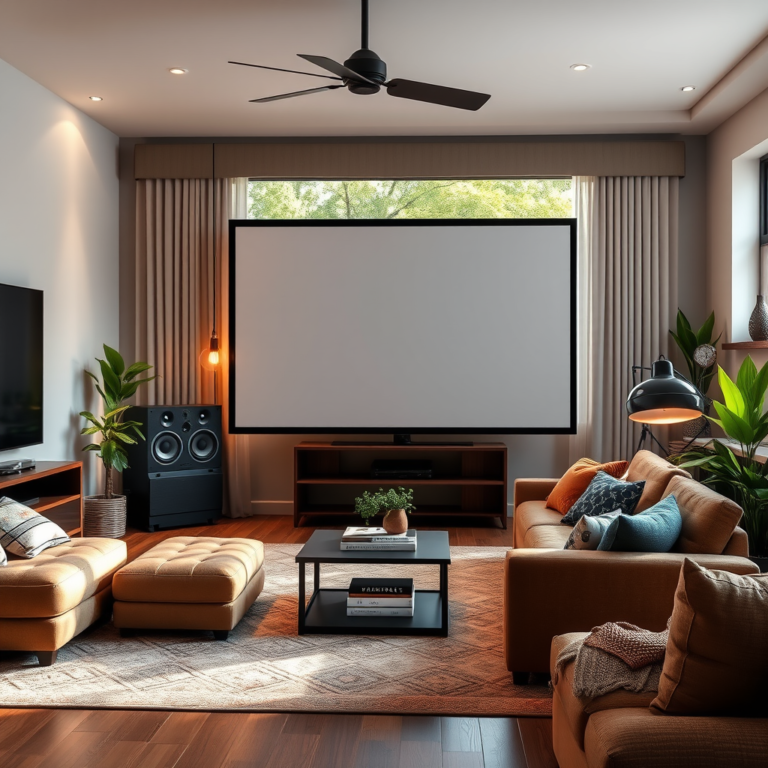

Hidden speaker compartments can be a worthwhile investment for homeowners and audiophiles alike, offering both aesthetic appeal and practical solutions for sound management. These innovative designs seamlessly integrate audio systems into your living space, providing an elegant solution to clutter while enhancing sound quality. In this article, we’ll explore the benefits and drawbacks of these compartments, helping you decide if they align with your auditory and visual preferences.
Understanding Hidden Speaker Compartments

Hidden speaker compartments are specially designed spaces within walls, furniture, or ceilings that house audio equipment. Their primary purpose is to conceal speakers and subwoofers, creating a clean and streamlined aesthetic in a room without sacrificing sound quality. Typically, these compartments can be found in various designs, from in-wall and in-ceiling speakers to custom cabinetry that integrates sound systems into furniture pieces.
Common types include:
– In-Wall Speakers: Installed directly into the wall, these speakers are flush-mounted and often painted to match the wall color.
– In-Ceiling Speakers: Similar to in-wall designs, these speakers disappear into the ceiling, ideal for providing ambient sound without visible hardware.
– Custom Cabinetry: Speakers can be integrated into custom-built cabinets, ensuring they blend seamlessly with existing furniture while still delivering high-quality audio.
Benefits of Hidden Speaker Compartments

One of the most significant advantages of hidden speaker compartments is their aesthetic enhancement. By reducing visible clutter, these compartments allow homeowners to create a more streamlined and visually appealing environment. This is particularly beneficial in modern interior design, where minimalism is often emphasized.
Moreover, hidden speaker compartments can lead to improved sound quality. By strategically placing speakers in areas that optimize acoustics—such as near walls or in corners—these designs can produce richer, more immersive sound experiences. For audiophiles, the ability to position speakers for optimal sound staging and clarity can significantly enhance the listening experience.
Potential Drawbacks to Consider
While hidden speaker compartments offer numerous benefits, there are some potential drawbacks to consider. One of the most pressing concerns is the installation challenge, which often requires professional assistance. Retrofitting a home to include hidden compartments can be costly and time-consuming, particularly if significant renovations are needed.
Additionally, there can be limitations in speaker performance. While modern technology has improved the sound quality of in-wall and in-ceiling speakers, they may still lack the depth and power of traditional speakers. For those who prioritize high-fidelity sound, this is an essential factor to weigh.
Comparison of Hidden vs. Traditional Speaker Systems
| # | Feature | Hidden Speakers | Traditional Speakers |
|---|---|---|---|
| 1 | Aesthetic Appeal | High | Medium |
| 2 | Sound Quality | Medium | High |
| 3 | Installation Cost | High | Low |
| 4 | Space Efficiency | High | Medium |
| 5 | Flexibility in Design | High | Low |
| 6 | Maintenance | Low | Medium |
| 7 | Longevity | High | Medium |
Ideal Scenarios for Using Hidden Speaker Compartments
Hidden speaker compartments are particularly beneficial in specific environments such as home theaters and living rooms. In home theaters, where optimal sound quality and immersive experiences are paramount, strategically placed hidden speakers can enhance the cinematic experience without compromising the room’s design integrity.
Moreover, these compartments can be advantageous in open-concept living spaces, where traditional speaker setups may disrupt the visual flow. Integrating speakers into cabinetry or walls allows for an unobstructed view and a cleaner look.
Outdoor spaces, such as patios and gardens, also benefit from hidden speaker systems. Weather-resistant models can be seamlessly integrated into outdoor furniture or landscaping features, providing high-quality sound without detracting from the natural beauty of the environment.
Cost Analysis: Are They Worth the Investment?
When evaluating whether hidden speaker compartments are worth the investment, it’s essential to consider both the initial costs and long-term benefits. The installation of hidden speaker systems can range significantly based on the complexity of the project, materials chosen, and professional labor costs. On average, homeowners may expect to spend between $2,000 to $15,000 for a complete hidden speaker installation, depending on the size and specifications.
In contrast, traditional speaker systems can often be set up for less, especially if you opt for entry-level equipment. However, the aesthetic and acoustic benefits of hidden speakers may justify the higher price for many homeowners. Additionally, the longevity and reduced maintenance needs associated with hidden systems can lead to cost savings over time.
Cost Comparison: Hidden vs. Traditional Speaker Systems
Maintenance and Upkeep
Maintaining hidden speaker systems is relatively straightforward, but there are specific tips to ensure longevity. Regularly checking for dust accumulation around the speaker grilles can help maintain sound clarity. Additionally, ensuring that the installation is secure and that no structural issues arise in the wall or ceiling is crucial for optimal performance.
Common issues may include sound distortion or failure to produce sound. In most cases, these problems can be resolved by checking connections and ensuring that the speakers are powered correctly. For those experiencing difficulties, consulting with a professional installer can provide peace of mind and expert solutions.
Alternatives to Hidden Speaker Compartments
If hidden speaker compartments do not align with your space or budget, several alternatives can also enhance sound management. Traditional floor-standing or bookshelf speakers can provide excellent sound quality without requiring complex installation. These options are often more flexible, allowing users to change speaker placement easily.
Wireless speakers are another alternative, offering versatility and ease of use. Bluetooth and Wi-Fi-enabled speakers can deliver high-quality audio without the need for extensive wiring, making them ideal for renters or those seeking a temporary solution.
However, traditional speakers may clutter a room’s aesthetic, and wireless options may not always offer the same sound quality as wired systems. Evaluating the pros and cons of each option is essential to determine the best fit for your needs.
—
The decision to invest in hidden speaker compartments ultimately hinges on your specific needs and preferences. Weigh the pros and cons presented above, and consider how these compartments align with your lifestyle and design goals. If you’re looking to blend technology seamlessly into your living space, hidden speaker compartments may just be the perfect solution for you.
Frequently Asked Questions
What are hidden speaker compartments and how do they work?
Hidden speaker compartments are specially designed spaces within furniture or walls that discreetly house audio speakers. These compartments typically utilize acoustic materials to enhance sound quality while keeping the speakers out of sight, allowing for seamless integration into home decor without sacrificing audio performance.
Are hidden speaker compartments worth the investment for home theater systems?
Yes, hidden speaker compartments can be worth the investment, especially for home theater systems where aesthetics and sound quality are paramount. They provide a clean and uncluttered look while ensuring optimal sound distribution, making them a popular choice among homeowners looking to enhance their multimedia experience.
How can I determine the best location for hidden speaker compartments in my home?
To find the best location for hidden speaker compartments, consider areas where sound can travel freely without obstruction, such as walls or custom cabinetry. Additionally, aim for placement that aligns with your seating arrangement to achieve optimal audio performance, ensuring that the sound is immersive and well-balanced throughout the space.
Why should I choose hidden speaker compartments over traditional speaker setups?
Choosing hidden speaker compartments over traditional setups allows for greater design flexibility and a minimalist aesthetic, which can enhance the overall look of your interior spaces. Moreover, these compartments can improve sound quality by reducing interference from furniture and other elements, offering a cleaner audio experience without visible clutter.
Which types of speakers are best suited for hidden compartments?
The best types of speakers for hidden compartments are in-wall or in-ceiling speakers, as they are designed specifically for discreet installation. Additionally, look for speakers with good bass response and wide dispersion to ensure quality sound even when placed in less-than-ideal locations, providing an immersive audio experience without compromising on style.
References
- Loudspeaker enclosure
https://en.wikipedia.org/wiki/Speaker_enclosure - Google Scholar Google Scholar
https://scholar.google.com/scholar?q=Hidden+Speaker+Compartments - https://www.ncbi.nlm.nih.gov/pmc/articles/PMC7521000/
https://www.ncbi.nlm.nih.gov/pmc/articles/PMC7521000/ - https://www.sciencedirect.com/topics/engineering/speaker-enclosure
https://www.sciencedirect.com/topics/engineering/speaker-enclosure - Google Scholar Google Scholar
https://scholar.google.com/scholar?q=Acoustic+performance+of+speaker+enclosures - https://www.bbc.com/future/article/20200811-how-the-hidden-sounds-of-architecture-influence-us
https://www.bbc.com/future/article/20200811-how-the-hidden-sounds-of-architecture-influence-us - https://www.nature.com/articles/s41598-020-74753-5
https://www.nature.com/articles/s41598-020-74753-5 - https://www.theguardian.com/technology/2020/apr/22/hidden-sound-systems-technology
https://www.theguardian.com/technology/2020/apr/22/hidden-sound-systems-technology - About Childhood Lead Poisoning Prevention | Childhood Lead Poisoning Prevention | CDC
https://www.cdc.gov/nceh/lead/ - https://www.mayoclinic.org/healthy-lifestyle/adult-health/in-depth/hearing-loss/art-20044540
https://www.mayoclinic.org/healthy-lifestyle/adult-health/in-depth/hearing-loss/art-20044540