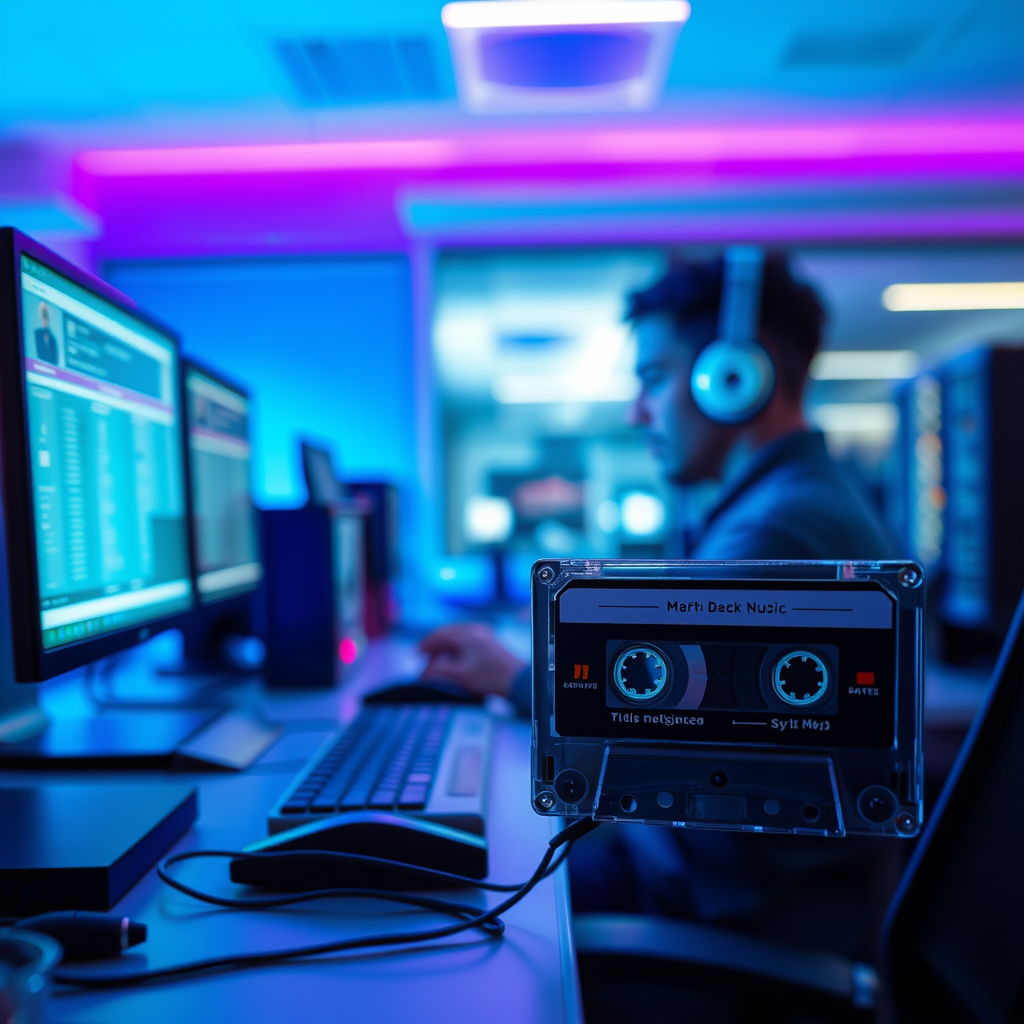

While digital music offers convenience and accessibility, many people prefer cassette tapes for their unique warmth and nostalgic charm. This article explores the reasons behind this preference, highlighting the tactile experience, sound quality, and emotional connections that cassette tapes evoke. The resurgence of cassette tapes in recent years speaks to a longing for a more authentic, hands-on music experience that digital formats often fail to deliver.
The Nostalgia Factor

Cassette tapes are a portal to the past for many listeners, evoking memories of youth and significant moments shared with friends and family. For individuals who grew up in the ’70s, ’80s, and ’90s, the sound of a cassette tape being inserted into a player can bring back a flood of memories, from listening to favorite albums at home to making mixtapes for crushes or friends. These tapes often served as time capsules, containing not just music but also emotions and experiences tied to specific songs or albums.
The physicality of cassette tapes enhances this nostalgia. Unlike digital music, which is abstract, the tangible nature of a cassette tape allows listeners to engage more fully with their music. The act of creating a mixtape, carefully selecting songs, and writing out track listings is a cherished memory for many. In an era where music can be streamed instantly, the sentimentality associated with cassettes provides a stark contrast that many find appealing.
Sound Quality and Warmth

Many audiophiles argue that cassette tapes produce a sound quality with a warmth that digital formats lack. The analog nature of cassette recordings captures the nuances of sound that can sometimes be lost in the digital realm. For instance, the slight distortion and saturation that can occur during playback is often seen as a positive feature, creating a richer and more textured listening experience.
Additionally, the compression used in digital formats can flatten the sound quality, whereas cassette tapes maintain a dynamic range that many listeners find more appealing. The imperfections inherent in cassette tapes, such as the subtle hiss or the way certain frequencies are emphasized, can make listening to music feel more authentic and alive. This sonic warmth fosters a connection between the listener and the music that digital formats often struggle to replicate.
The Tactile Experience
Handling a cassette tape is a ritual that many music lovers cherish, differentiating it from the more sterile experience of digital music. Inserting a tape into a player, adjusting the volume, and manually rewinding or fast-forwarding creates a physical interaction with the music. This process can heighten the overall listening experience, allowing listeners to be more present and engaged with the music.
The tactile nature of cassette tapes encourages mindfulness—a stark contrast to the often mindless consumption of digital playlists. As listeners rewind tapes to hear their favorite parts again or flip them over to enjoy the B-side, they are actively participating in the music experience rather than passively consuming it. This engagement fosters a deeper appreciation for the music itself.
Top 7 Cassette Tape Brands (2024)
| # | Brand | Market Share (%) | Founded | Popularity Rating |
|---|---|---|---|---|
| 1 | Maxell | 25% | 1960 | ★★★★☆ |
| 2 | Sony | 22% | 1946 | ★★★★★ |
| 3 | TDK | 20% | 1935 | ★★★★☆ |
| 4 | Memorex | 15% | 1961 | ★★★☆☆ |
| 5 | Pioneer | 10% | 1938 | ★★★☆☆ |
| 6 | Philips | 5% | 1891 | ★★☆☆☆ |
Collectibility and Aesthetic
Cassette tapes have transitioned into a niche collectible market, appealing to those who appreciate vintage items and the aesthetics of past eras. Collectors often seek out rare tapes, limited editions, and unique artwork, which adds a layer of excitement to the hobby. The packaging and cover art of cassette tapes often feature creative designs that can be visually striking, providing a counterpoint to the often bland and generic artwork found in digital formats.
For many enthusiasts, the physical presence of a cassette tape is a form of art. The size of the cassette case is perfect for displaying on shelves, and the artwork is often a conversation starter. This visual appeal has led to cassette tapes being featured in art projects and installations, further embedding them into contemporary culture.
Community and Culture
The revival of cassette tapes has fostered a vibrant community of enthusiasts who share a passion for this format. Online forums, social media groups, and local meet-ups bring together people who appreciate the unique aspects of cassette culture. Events such as cassette fairs, swap meets, and live performances often celebrate the medium, providing opportunities for collectors and musicians to connect.
These gatherings not only promote the cassette format but also create a sense of belonging among members of the community. They allow for the sharing of stories, tips on finding rare tapes, and discussions about music that might otherwise be overlooked in the digital age. This camaraderie is a significant aspect of why people continue to gravitate towards cassette tapes.
The Limitations of Digital Music
While digital music offers unparalleled convenience, it often promotes a “playlist” culture that can diminish the experience of listening to an entire album. The ease of creating playlists and streaming single tracks can lead to a disconnection from the artists’ intentions, which are often conveyed through the context of an album.
Furthermore, the intangible nature of digital music can foster a sense of detachment from the music itself. Without physical media, listeners may find it easier to overlook the emotional and artistic value embedded in the physical format of music. Cassette tapes, with their physical presence, encourage a more deliberate and engaged listening experience, prompting users to invest time and attention into the music they choose to enjoy.
Cassette Tape Listening Experience Ratings (2024)
Blending Formats
Interestingly, many listeners now enjoy a hybrid approach, appreciating both cassette tapes and digital formats for different reasons. This blending allows for flexibility in music consumption, catering to various listening environments and contexts. Some prefer the warmth and nostalgia of cassette tapes for dedicated listening sessions at home, while opting for the convenience of digital music when on the go.
The resurgence of cassette tapes has also led to new releases and modern artists embracing the format. Independent musicians often produce limited-run cassette editions of their albums, capitalizing on the growing interest in analog formats. This trend illustrates how the cassette tape is not just a relic of the past but a vibrant part of the contemporary music scene, enabling a fusion of modern and vintage sounds.
In summary, the preference for cassette tapes over digital music stems from a combination of nostalgia, sound quality, and the tactile experience they offer. The unique characteristics of cassette tapes foster emotional connections and create a sense of community among enthusiasts. For those interested in exploring this unique medium, consider visiting local record shops or attending cassette-themed events to immerse yourself in the culture.
Frequently Asked Questions
Why do some people prefer cassette tapes over digital music?
Many people prefer cassette tapes over digital music due to the nostalgic value they carry. Cassette tapes offer a tangible experience that digital music cannot replicate, allowing listeners to engage more fully with their music collection. Additionally, some audiophiles believe that the analog sound quality of cassette tapes provides a warmer, richer listening experience compared to the often compressed sound of digital formats.
What are the advantages of using cassette tapes instead of streaming services?
Cassette tapes provide several advantages over streaming services, including ownership and accessibility. When you own a cassette tape, you have a physical copy of the music that is not subject to the limitations of internet connectivity or subscription fees. Furthermore, cassette tapes can evoke nostalgia and a sense of authenticity that many streaming services lack.
How can I start collecting cassette tapes?
To start collecting cassette tapes, begin by exploring local thrift stores, garage sales, and online marketplaces like eBay. Look for unique albums, rare finds, and artists that resonate with you. Joining online communities or forums dedicated to cassette collecting can also provide valuable tips and resources to enhance your collection.
Why do some audiophiles prefer the sound of cassette tapes?
Audiophiles often prefer the sound of cassette tapes because they appreciate the analog warmth and fullness that comes from the format. Unlike digital music, which can sometimes sound sterile or overly processed, cassette tapes capture subtle nuances and dynamics that create a more immersive listening experience. Many believe that this analog sound quality is particularly suited for certain genres of music, enhancing their enjoyment.
Which cassette players are best for high-quality playback?
The best cassette players for high-quality playback include models from reputable brands like Nakamichi, Sony, and Pioneer. Look for features such as Dolby noise reduction, metal tape compatibility, and high-speed dubbing capabilities to ensure the best sound quality. Investing in a well-maintained or refurbished player can greatly enhance your listening experience and bring out the best in your cassette tape collection.
References
- Cassette tape
https://en.wikipedia.org/wiki/Cassette_tape - https://www.bbc.com/culture/article/20191107-why-cassette-tapes-are-making-a-comeback
https://www.bbc.com/culture/article/20191107-why-cassette-tapes-are-making-a-comeback - https://www.theguardian.com/music/2020/jun/18/cassette-tapes-are-back-in-fashion
https://www.theguardian.com/music/2020/jun/18/cassette-tapes-are-back-in-fashion - https://www.nytimes.com/2021/02/05/arts/music/cassette-tapes-vinyl.html
https://www.nytimes.com/2021/02/05/arts/music/cassette-tapes-vinyl.html - https://www.sciencedirect.com/science/article/pii/S2213158820300018
https://www.sciencedirect.com/science/article/pii/S2213158820300018 - Covering science: The history of Nature’s front page
https://www.nature.com/articles/d41586-019-03442-2 - Google Scholar Google Scholar
https://scholar.google.com/scholar?q=Cassette+tapes+vs+digital+music - Google Scholar Google Scholar
https://scholar.google.com/scholar?q=Preference+for+cassette+tapes - Google Scholar Google Scholar
https://scholar.google.com/scholar?q=Analog+music+vs+digital+music+preferences - https://www.britannica.com/art/cassette-tape
https://www.britannica.com/art/cassette-tape