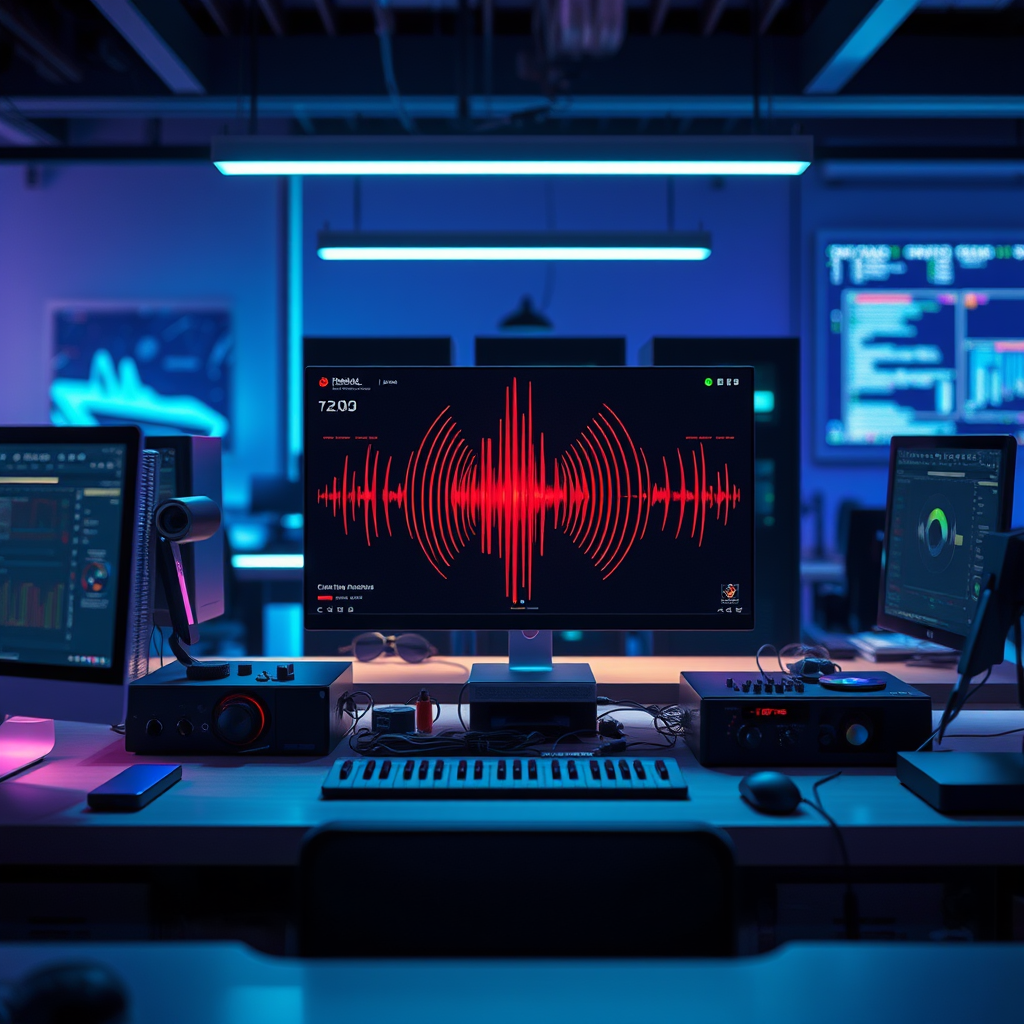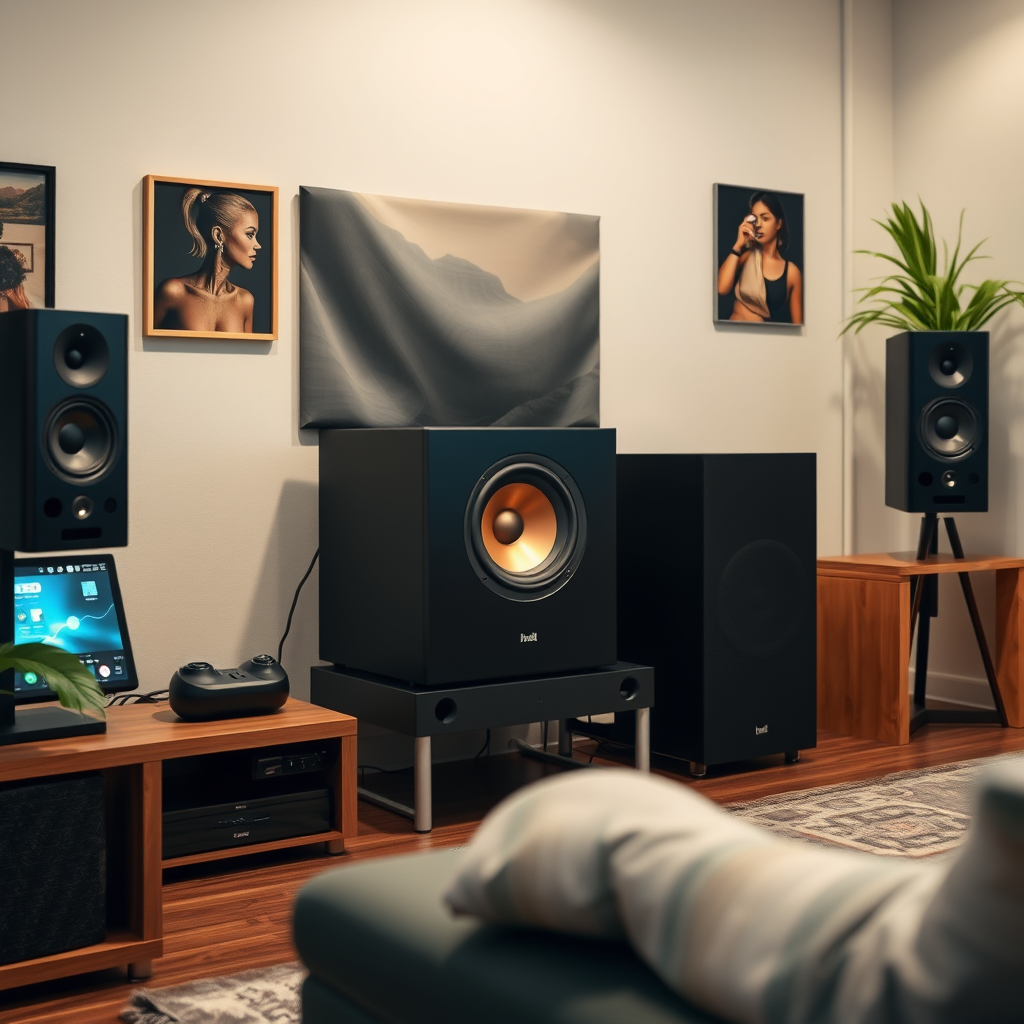
Reducing energy consumption in your sound system can be achieved through several practical strategies. By optimizing your equipment use, adjusting settings, and selecting energy-efficient components, you can significantly lower your system’s energy footprint while maintaining sound quality. In this article, you will discover effective methods to minimize energy usage without sacrificing your listening experience.

Optimize Volume Levels
Lowering your volume settings can significantly decrease power usage. Sound systems typically consume more energy at higher volume levels due to the increased demand for power to drive speakers. For instance, turning down the volume by just a few decibels can lead to a noticeable reduction in energy consumption, making your listening experience more sustainable.
To find the best volume level that minimizes energy use while still providing an enjoyable sound experience, consider using a sound level meter. These devices measure the decibel level of your audio output and can help you identify the sweet spot where sound quality remains optimal without excessive power drain. By gradually adjusting the volume and monitoring the readings, you can strike a balance that protects both your ears and the environment.
Upgrade to Energy-Efficient Equipment

Investing in energy-efficient equipment is one of the most effective ways to reduce energy consumption in your sound system. Look for sound systems and components that have received Energy Star ratings or similar certifications, indicating their compliance with energy efficiency standards. Such devices are designed to consume less electricity while providing the same level of performance as their less efficient counterparts.
In particular, consider upgrading to Class D amplifiers, which are known for their high efficiency. Unlike traditional Class A or Class AB amplifiers, Class D amplifiers convert more of the input power into output power, resulting in less wasted energy as heat. This means you can enjoy high-quality sound without the burden of a hefty electricity bill.
Use Smart Power Strips
Smart power strips serve as an excellent tool for cutting power to devices that are in standby mode, effectively preventing phantom energy loss. Many electronic devices continue to draw power even when turned off; this is especially true for sound systems that may have standby modes enabled.
By using a smart power strip, you can easily control the on/off status of your audio equipment. Some models even allow you to schedule power to your sound system to operate only during specific hours, effectively reducing unnecessary energy use. This not only helps you save on electricity costs but also extends the lifespan of your equipment by reducing wear and tear.
Energy Consumption Comparison of Sound System Components (2024)
| # | Component Type | Wattage | Energy Star Certified | Average Energy Usage (kWh/year) |
|---|---|---|---|---|
| 1 | Class D Amplifier | 50 | Yes | 120 |
| 2 | Traditional Amplifier | 150 | No | 300 |
| 3 | Subwoofer | 200 | No | 450 |
| 4 | Bookshelf Speakers | 30 | Yes | 80 |
| 5 | Sound Bar | 70 | Yes | 150 |
| 6 | Home Theater Receiver | 300 | No | 600 |
| 7 | Portable Speaker | 10 | Yes | 30 |
Regular Maintenance of Equipment
Regular maintenance of your sound system is crucial for ensuring optimal performance and efficiency, which directly impacts energy consumption. Dust and debris can accumulate in your devices over time, leading to overheating and reduced efficiency. Cleaning your sound system regularly helps maintain airflow and keeps components functioning smoothly.
Additionally, check for and replace any worn-out cables or connections that may cause energy loss. Faulty wiring can increase resistance and lead to higher power consumption, as your system struggles to operate effectively. By routinely inspecting and maintaining your equipment, you not only enhance sound quality but also contribute to lower energy usage.
Limit Usage of High-Power Components
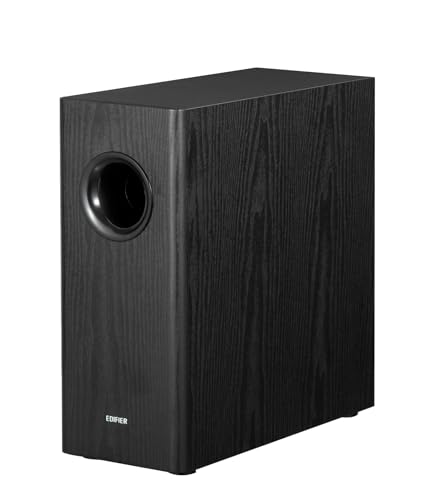
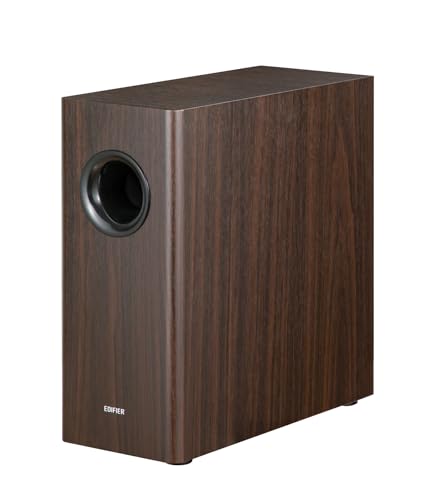
High-power components like subwoofers can significantly increase energy consumption. It is essential to use these components judiciously to manage your sound system’s power usage effectively. Consider turning off the subwoofer when it is not needed, especially during casual listening sessions where deep bass is not a priority.
Explore the possibility of using passive sound reinforcement techniques that require less power. For example, you might consider using more efficient speaker placements or acoustic enhancements to minimize the reliance on high-power components. This approach not only conserves energy but may also improve the overall sound experience in your space.
Adjust Settings for Energy Efficiency
Many modern sound systems come equipped with eco-friendly settings or low-power modes designed to reduce energy consumption. Take advantage of these features to optimize your system’s efficiency. For instance, enabling a low-power mode can significantly decrease electricity use during idle periods without sacrificing sound quality.
Additionally, make sure to turn off any unused features such as Bluetooth or Wi-Fi when they are not in use. These functionalities can draw power even when your system is not actively being used, contributing to unnecessary energy consumption.
Energy Consumption by Component Type (kWh/year)
Educate Yourself on Energy Consumption
Understanding the energy consumption ratings of your sound equipment is crucial for making informed decisions about efficiency. Familiarize yourself with the specifications of your devices, as this knowledge empowers you to choose components that align with your sustainability goals. Many manufacturers provide documentation detailing the energy usage of their products, which is invaluable when shopping for new equipment.
Moreover, staying informed about new technologies and practices that can help reduce energy usage in audio systems can help you make smarter choices when upgrading or buying new components. Regularly reading industry publications and blogs can provide insights into advancements in energy-efficient technologies that can enhance your sound experience without increasing your carbon footprint.
By implementing these strategies, you can effectively reduce the energy consumption of your sound system while still enjoying high-quality audio. Start by assessing your current setup and making incremental changes to see significant benefits over time. Remember, each small adjustment contributes to a more sustainable audio experience, allowing you to enjoy your favorite sounds while being mindful of energy conservation.
Frequently Asked Questions
What are the most effective ways to reduce energy consumption in my sound system?
To effectively reduce energy consumption in your sound system, consider using energy-efficient components, such as Class D amplifiers and LED lighting. Additionally, unplugging devices when not in use and utilizing power strips with on/off switches can help minimize standby power. Regular maintenance, like cleaning connections and ensuring optimal ventilation, also contributes to better energy efficiency.
How can I optimize my sound system settings to save energy?
Optimizing your sound system settings involves adjusting the volume levels, equalizer settings, and using your system’s energy-saving modes. Lowering the volume can significantly decrease power consumption, while utilizing built-in features like auto shut-off or sleep mode will ensure that your system isn’t drawing power when not actively in use.
Why is it important to reduce energy consumption in my sound system?
Reducing energy consumption in your sound system is important for both environmental and financial reasons. Lower energy usage decreases your carbon footprint, contributing positively to the environment, while also reducing your electricity bills. Energy-efficient systems can also prolong the lifespan of your equipment, saving you money on replacements in the long run.
Which sound system components consume the most energy, and how can I manage them?
The components that typically consume the most energy in a sound system are amplifiers and subwoofers, particularly when operating at high volumes. To manage their energy usage, consider investing in energy-efficient models, setting volume limits, and ensuring proper ventilation to prevent overheating, which can lead to increased power draw.
What are some best practices for maintaining energy efficiency in my home audio setup?
Best practices for maintaining energy efficiency in your home audio setup include regularly checking for firmware updates on digital devices, using high-quality cables to minimize signal loss, and positioning speakers for optimal sound without excessive amplification. Additionally, consider using smart plugs that allow you to schedule when your system operates, ensuring it only runs when needed.
References
- Energy conservation
https://en.wikipedia.org/wiki/Energy_conservation - https://www.nature.com/articles/nature17079
https://www.nature.com/articles/nature17079 - https://www.sciencedirect.com/science/article/pii/S1364032118300220
https://www.sciencedirect.com/science/article/pii/S1364032118300220 - https://pubmed.ncbi.nlm.nih.gov/31450142/
https://pubmed.ncbi.nlm.nih.gov/31450142/ - https://www.britannica.com/topic/energy-conservation
https://www.britannica.com/topic/energy-conservation - https://www.energy.gov/articles/energy-saver-guide-tips-energy-saving
https://www.energy.gov/articles/energy-saver-guide-tips-energy-saving - https://www.nyserda.ny.gov/All-Programs/Commercial-Industrial/Energy-Efficiency-Programs/Power-Your-Savings
https://www.nyserda.ny.gov/All-Programs/Commercial-Industrial/Energy-Efficiency-Programs/Power-Your-Savings - Google Scholar Google Scholar
https://scholar.google.com/scholar?q=How+to+Reduce+Energy+Consumption+in+Your+Sound+System - Google Scholar Google Scholar
https://scholar.google.com/scholar?q=Energy+Conservation+in+Audio+Systems - Google Scholar Google Scholar
https://scholar.google.com/scholar?q=Reducing+Energy+Use+in+Consumer+Electronics