
Building a complete surround sound system under $600 is entirely possible with the right strategy and product choices. In this guide, you’ll learn how to select essential components, optimize your budget, and create a cinematic audio experience in your home without breaking the bank.



Understanding Surround Sound Basics
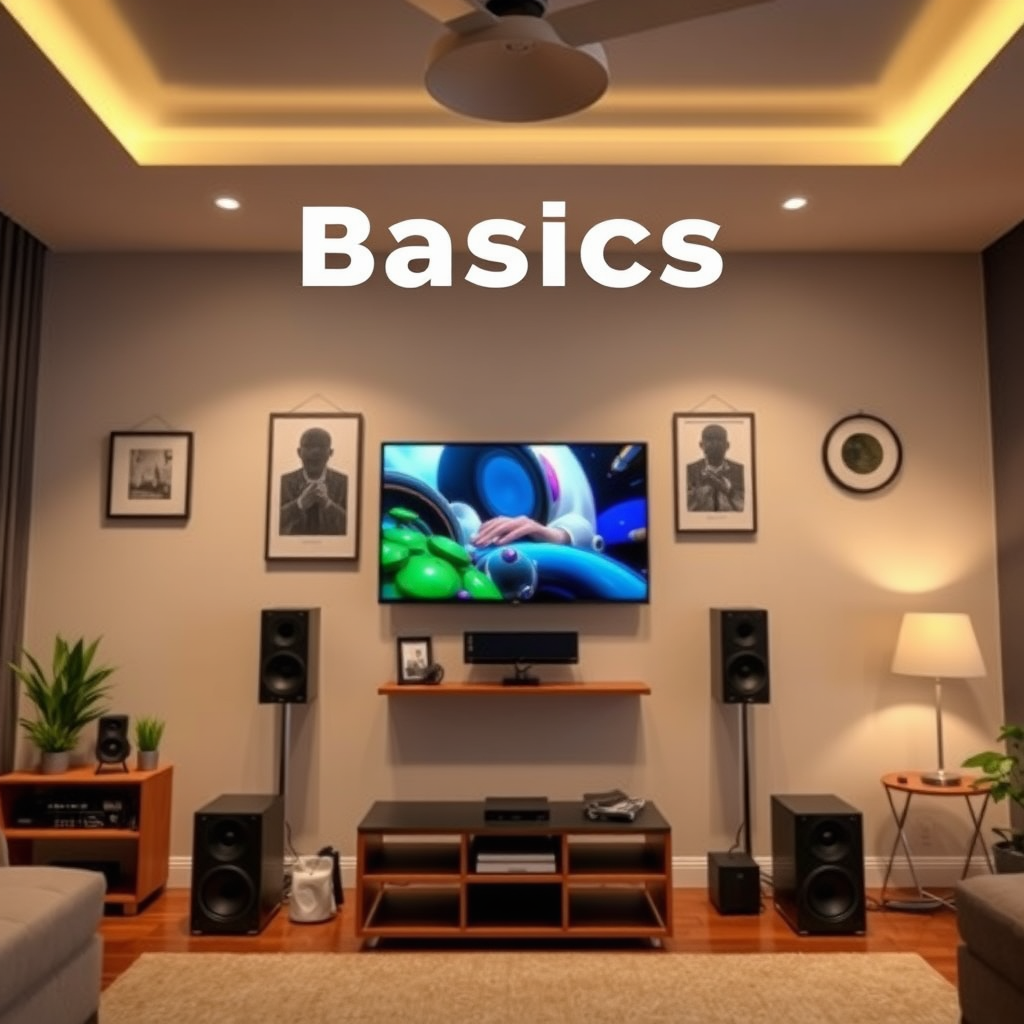
Surround sound refers to a multi-channel audio system that enhances the listening experience by distributing sound across multiple speakers positioned around the listener. This setup creates an immersive auditory experience, making you feel as if you are part of the action, whether you’re watching a movie, playing video games, or listening to music. The most common configurations include 5.1 and 7.1 systems.
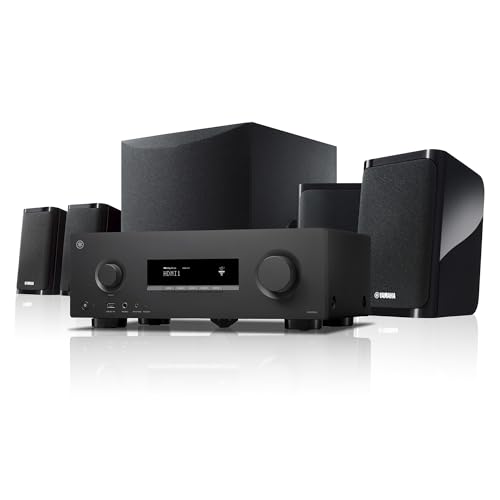
A 5.1 surround sound system consists of six channels: five speakers (two front, one center, two surround) and one subwoofer. The 7.1 system adds two additional rear speakers for an even more immersive experience. Understanding these basic configurations is crucial as it guides your choices for equipment and layout as you build your surround sound system.
Setting a Budget and Priorities

To successfully build a surround sound system under $600, it’s essential to set a clear budget and prioritize component quality. The fundamental components include an AV receiver and speakers. These two items will consume the bulk of your budget, so choose wisely.
Here’s a basic breakdown of where your budget should go:
– AV Receiver: Allocate approximately $200-$300.
– Speakers: Expect to spend around $200-$300 for a good quality set.
– Additional costs: Consider $50-$100 for speaker wire, cables, and accessories.
Balancing quality with cost is key. Opt for brands and models that offer the best performance within your budget. Investing a little more upfront can save you money in the long run, preventing the need for early replacements or upgrades.
Choosing the Right Receiver
When selecting an AV receiver within a budget, consider these vital features:
– Power Output: Aim for at least 75 watts per channel.
– Number of Channels: Ensure it supports at least 5.1 channels if you plan to build a 5.1 system.
– Connectivity Options: Look for HDMI inputs, Bluetooth, and Wi-Fi streaming capabilities.
– Room Calibration: Many budget receivers come with automatic calibration systems that optimize sound based on your room’s acoustics.
Here are some recommended models that fit your budget:
Best Budget AV Receivers (2024)
| # | Model | Channels | Price | Rating |
|---|---|---|---|---|
| 1 | Yamaha RX-V385 | 5.1 | $249 | ★★★★☆ |
| 2 | Sony STR-DH590 | 5.1 | $299 | ★★★★☆ |
| 3 | Denon AVR-S540BT | 5.2 | $279 | ★★★★☆ |
| 4 | Onkyo TX-SR393 | 5.2 | $299 | ★★★☆☆ |
| 5 | Pioneer VSX-LX503 | 7.2 | $479 | ★★★☆☆ |
| 6 | Marantz NR1510 | 5.2 | $499 | ★★☆☆☆ |
Selecting Speakers for Your System
Choosing the right speakers is crucial to achieving a balanced and immersive sound. Here are the main types of speakers to consider:
1. Floor-standing Speakers: These are larger and deliver powerful sound, making them great for movies and music.
2. Bookshelf Speakers: Smaller in size, these are often more affordable and can fit well in compact spaces, ideal for smaller rooms.
3. Subwoofers: Essential for deep bass, they enhance the overall sound experience, especially in action movies and music with heavy bass.
Here are some budget-friendly speaker options to consider:
Top Budget Speakers for Surround Sound (2024)
| # | Model | Type | Price | Rating |
|---|---|---|---|---|
| 1 | Polk Audio T15 | Bookshelf | $99 | ★★★★☆ |
| 2 | Sony SSCS5 | Bookshelf | $149 | ★★★★☆ |
| 3 | JBL Stage A130 | Bookshelf | $199 | ★★★☆☆ |
| 4 | Klipsch R-41M | Bookshelf | $149 | ★★★★☆ |
| 5 | Logitech Z623 | 2.1 | $149 | ★★★★☆ |
| 6 | Bose Companion 2 Series III | 2.0 | $149 | ★★★★☆ |
Additional Components and Accessories
While the main focus should be on receivers and speakers, don’t overlook the importance of additional components and accessories that enhance your surround sound experience.
1. Speaker Wire and Cables: Good quality speaker wire is essential for transmitting audio signals without loss. Look for oxygen-free copper cables for the best results.
2. Mounts and Stands: Proper placement of your speakers can significantly improve sound quality. Invest in wall mounts or speaker stands to optimize your setup.
3. Calibration Microphone: Some AV receivers come with a calibration microphone to optimize your audio settings based on your room’s acoustics. If your receiver does not include one, consider purchasing separately.
Installation and Setup Tips
Setting up your surround sound system requires careful planning and execution. Here’s a step-by-step guide to ensure you don’t miss any critical steps:
1. Positioning the Speakers: Ideally, front speakers should be at ear level, while surround speakers should be placed slightly above ear level. The subwoofer can be placed in various locations to find the best bass response.
2. Connecting Components: Use high-quality HDMI cables to connect your AV receiver to your TV and other devices. Ensure that all connections are secure.
3. Calibrating the System: Many receivers come with an auto-calibration feature. Use this feature to fine-tune the speaker levels, delays, and crossover frequencies.
Common pitfalls to avoid include incorrect speaker placement, faulty connections, and neglecting to calibrate the system properly. Take your time during installation to ensure everything is set up correctly.
Fine-Tuning Your Surround Sound Experience
Once your system is installed, the next step is to fine-tune it for optimal sound quality. Here are some tips:
1. Room Acoustics: Soft furnishings can help absorb sound and minimize echo. Experiment with placement to see what works best for your space.
2. Calibration Settings: Use your receiver’s calibration features to adjust speaker levels and distances. Test with various media types to find the ideal settings for movies, music, and gaming.
3. Adjusting Equalizer Settings: Many receivers offer equalizer settings that allow you to customize the sound profile based on your preferences. Tweak these settings to enhance clarity in dialogue or boost bass for action scenes.
By following these steps, you can create a rich and immersive audio experience tailored to your entertainment needs.
Building a complete surround sound system for under $600 is achievable with careful selection and planning. By prioritizing essential components, choosing the right receiver and speakers, and following proper setup techniques, you can enjoy an immersive audio experience at home. Start your journey today by researching the recommended products and take the first step toward elevating your entertainment setup.
Frequently Asked Questions
What components do I need for a complete surround sound system under $600?
To build a complete surround sound system under $600, you will need a receiver, five speakers (including a subwoofer), and the necessary cables. Look for a budget-friendly AV receiver that supports surround sound formats, and consider brands that offer good performance without breaking the bank, such as Yamaha or Onkyo.
How can I set up my surround sound system for the best audio experience?
For optimal audio experience, position your speakers according to the home theater layout, ensuring the front speakers are at ear level and the surround speakers are slightly above ear level. Use the AV receiver’s calibration feature if available, which can automatically adjust speaker settings to suit your room’s acoustics.
Why is a subwoofer important in a surround sound system?
A subwoofer is crucial in a surround sound system because it reproduces low-frequency sounds, adding depth and impact to music and movie audio. This enhances the overall listening experience by providing the rumbling bass that smaller speakers often cannot deliver, making it essential for an immersive experience.
What is the best budget surround sound receiver under $600?
The best budget surround sound receiver under $600 is often the Yamaha RX-V385 or the Onkyo TX-SR494, both of which offer excellent sound quality and features like Dolby Atmos support. They also provide a good selection of inputs and outputs, making them versatile for various audio sources.
Which brands should I consider for affordable surround sound speakers?
For affordable surround sound speakers, consider brands like Polk Audio, Klipsch, or Pioneer, as they offer quality options that fit within your budget. Ensure that the speakers you choose have good reviews for durability and sound performance to create a well-rounded audio setup for your home theater.
References
- Surround sound
https://en.wikipedia.org/wiki/Surround_sound - https://www.bbc.com/future/article/20200518-how-to-create-the-perfect-surround-sound
https://www.bbc.com/future/article/20200518-how-to-create-the-perfect-surround-sound - https://www.sciencedirect.com/topics/engineering/surround-sound
https://www.sciencedirect.com/topics/engineering/surround-sound - https://www.nature.com/articles/s41598-020-67696-3
https://www.nature.com/articles/s41598-020-67696-3 - Google Scholar Google Scholar
https://scholar.google.com/scholar?q=how+to+build+a+complete+surround+sound+system - Google Scholar Google Scholar
https://scholar.google.com/scholar?q=surround+sound+system+setup+guide - Google Scholar Google Scholar
https://scholar.google.com/scholar?q=budget+surround+sound+systems - https://www.cdc.gov/niosh/topics/noise/default.html
https://www.cdc.gov/niosh/topics/noise/default.html - https://www.britannica.com/technology/surround-sound
https://www.britannica.com/technology/surround-sound - Google Scholar Google Scholar
https://scholar.google.com/scholar?q=How+to+Build+a+Complete+Surround+Sound+System+Under+$600