Choosing the right audiophile AV receiver for your setup is essential for achieving the best sound quality and overall audio experience. By understanding your audio needs, ensuring compatibility with your existing components, and identifying key features, you can select an AV receiver that enhances your listening enjoyment. This guide will provide you with a comprehensive overview of these factors, enabling you to make an informed decision.



Understanding Your Audio Needs
The first step in selecting an audiophile AV receiver is to determine your primary use case: whether you will be using it primarily for music, movies, or gaming. Each of these applications has unique audio requirements, and understanding your focus will guide your selection process.
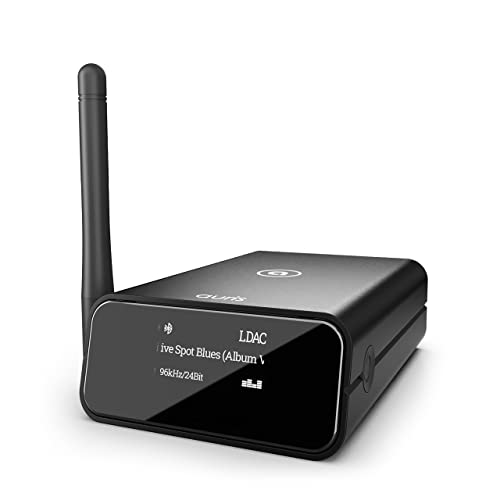
For music enthusiasts, high fidelity and stereo sound reproduction are paramount. Look for receivers that support high-resolution audio formats and offer quality DACs (Digital to Analog Converters). On the other hand, if your primary interest is movies, you should seek receivers that support multichannel audio formats like Dolby Atmos or DTS:X for an immersive surround sound experience. For gaming, consider options with low latency and features like Game Mode to enhance your gaming audio.
Additionally, assess the size of your room and your speaker configuration. A larger room may require a more powerful receiver to fill the space adequately, while smaller rooms can often operate effectively with a lower-powered unit. The placement of your speakers and the acoustics of your room can also dramatically influence sound quality, so it’s crucial to factor these into your decision.
Compatibility with Other Components
Once you have a clear understanding of your audio needs, the next step is to ensure compatibility with your existing audio and video components. Check for HDMI and audio format support; modern AV receivers should include HDMI 2.0 or higher to accommodate 4K video and advanced audio formats.
Additionally, evaluate the number of inputs and outputs required for your devices. If you plan to connect multiple devices, such as a Blu-ray player, gaming console, and streaming device, ensure the receiver has enough HDMI inputs and analog inputs as needed. Some receivers also offer pass-through functionality, allowing you to enjoy high-quality video without compromising audio performance.
Finally, consider any wireless connectivity options that may be beneficial, such as Bluetooth or Wi-Fi capabilities for streaming music directly from your smartphone or tablet. This versatility can greatly enhance your user experience.
Key Features to Look For
When selecting an audiophile AV receiver, several key features can enhance your listening experience. Essential audio formats such as Dolby Atmos and DTS:X are critical for creating an immersive surround sound environment. High-resolution audio support is also vital, especially for audiophiles who appreciate detail in their music.
Another significant feature to consider is built-in streaming services. Many modern receivers come equipped with platforms like Spotify, Tidal, and Apple Music, allowing you to stream your favorite music effortlessly. Multi-room audio capabilities can further elevate your setup, enabling you to play different audio content in various rooms simultaneously.
Finally, look for receivers with advanced room calibration technologies, like Audyssey or YPAO, which help optimize the audio output based on your room’s acoustics. These features can significantly enhance the overall sound quality of your setup.
Top Audiophile AV Receivers (2024)
| # | Model | Channels | Audio Formats | Streaming Services | Price |
|---|---|---|---|---|---|
| 1 | Denon AVR-X6700H | 11 | Dolby Atmos, DTS:X | Spotify, Tidal | $2,199 |
| 2 | Yamaha RX-A3080 | 9 | Dolby Atmos, DTS:X | Amazon Music, Deezer | $1,999 |
| 3 | Marantz SR8015 | 11 | Dolby Atmos, DTS:X | Spotify, Tidal | $2,499 |
| 4 | Onkyo TX-RZ840 | 9 | Dolby Atmos, DTS:X | Amazon Music | $1,699 |
| 5 | Pioneer VSX-LX504 | 9 | Dolby Atmos, DTS:X | Spotify, Tidal | $1,199 |
| 6 | Sony STR-ZA3100ES | 9 | Dolby Atmos, DTS:X | Spotify, Amazon Music | $2,199 |
| 7 | NAD T 758 V3 | 7 | Dolby Atmos | Tidal, Deezer | $1,399 |
Power Output of Top Audiophile Receivers (Watt)
Evaluating Sound Quality
When it comes to evaluating sound quality, it is essential to research different brands and models renowned for their superior audio performance. High-end brands such as Denon, Marantz, and Yamaha are typically recognized for their audio fidelity and robust performance. Look for reviews that specifically highlight sound clarity, dynamic range, and overall audio performance.
Pay attention to specifications like power output and frequency response, as these can significantly impact your listening experience. A higher power output generally means better sound quality at higher volumes, while a wider frequency response allows for the reproduction of a broader range of sounds.
Additionally, consider the receiver’s Total Harmonic Distortion (THD) rating; lower THD values indicate cleaner sound reproduction. Listening tests, both in-store and at home, can also provide valuable insights into how different receivers perform with your specific speakers and audio sources.
Budget Considerations
Setting a realistic budget is crucial when selecting an audiophile AV receiver. Prices can vary significantly based on features, brand reputation, and overall quality. Determine your budget based on your audio requirements and the features that are most important to you.
Once you have a budget in mind, compare options within that range. It’s essential to balance cost with quality, as spending a little more may yield a significantly better listening experience. Look for sales events or consider open-box deals to maximize your investment.
Additionally, consider the long-term value; a more expensive receiver that meets your needs now may save you from needing an upgrade in the near future. Investing in a quality receiver can enhance your setup for years to come.
Reading Reviews and Getting Recommendations
To make an informed choice, consult audiophile forums and review sites for user experiences and expert opinions. Websites like AVS Forum and What Hi-Fi? provide excellent resources for in-depth reviews and user feedback on various models.
Also, seek advice from friends or local audio professionals who can offer personalized recommendations based on your specific needs. Visiting local audio shops can give you hands-on experience with different receivers, allowing you to hear the differences in sound quality firsthand.
Engaging with the audiophile community can also expose you to new brands and models you may not have considered. Online forums and social media groups can be great places to ask questions and gather insights from experienced users.
Testing and Finalizing Your Choice
Before finalizing your choice, it’s advisable to visit a showroom to listen to different receivers in action. This hands-on experience is invaluable; it allows you to assess how each receiver interacts with your chosen speakers and the overall sound quality in a controlled environment.
Take your time during this process. Listen to a variety of audio sources, including music, movies, and games, to ensure that the receiver meets all your criteria and preferences. Consider how easy it is to navigate the user interface and adjust settings, as a well-designed interface can greatly enhance your overall experience.
Once you’ve tested various options, weigh the pros and cons of each receiver based on your needs, preferences, and budget. This careful evaluation will help you make a confident, informed decision that enhances your audiophile journey.
Selecting the right audiophile AV receiver can significantly elevate your audio experience. By carefully considering your audio needs, compatibility, and essential features, you can confidently choose a receiver that fits your setup and enhances your listening enjoyment. Don’t hesitate to explore your options and invest time in finding the perfect match for your audiophile journey. Your dedication to this process will ultimately lead to a richer and more satisfying audio experience.
Frequently Asked Questions
What features should I look for in an audiophile AV receiver?
When choosing an audiophile AV receiver, prioritize features like high-quality DACs (Digital-to-Analog Converters), support for lossless audio formats, and multiple HDMI inputs for connectivity. Additionally, look for room calibration technology to optimize audio performance in your space and ensure the receiver supports the latest surround sound formats like Dolby Atmos for an immersive experience.
How can I determine the right power output for my audiophile AV receiver?
To determine the right power output, consider the size of your room and the sensitivity of your speakers. A general rule of thumb is that you want at least 20 watts per channel for small rooms and approximately 50 watts for larger spaces. It’s also essential to match the receiver’s output with your speaker’s impedance to avoid distortion and ensure optimal performance.
Why is it important to have a receiver with high-quality audio processing capabilities?
High-quality audio processing capabilities in an audiophile AV receiver are crucial for delivering clear, dynamic sound and preserving the integrity of your audio sources. Advanced processing ensures that music and movie soundtracks are rendered accurately, allowing you to enjoy the full depth and detail of your audio experience. This becomes particularly important for high-resolution audio formats that audiophiles often prefer.
Which brands are known for producing top audiophile AV receivers?
Some of the most reputable brands for audiophile AV receivers include Denon, Marantz, Yamaha, and Onkyo, each offering models that cater to high-end audio enthusiasts. Look for receivers from these brands that have received positive reviews for sound quality, build reliability, and user-friendly features, ensuring you invest in a product that stands the test of time.
What is the best way to set up my audiophile AV receiver for optimal sound?
To set up your audiophile AV receiver for optimal sound, start by placing your speakers at ear level and ensuring they are positioned away from walls to reduce reflections. Utilize room calibration software included with your receiver to analyze your space and adjust settings accordingly. Finally, experiment with speaker placement and listen critically to fine-tune your system for the best audio experience.
References
- Audiophile
https://en.wikipedia.org/wiki/Audiophile - https://www.sciencedirect.com/topics/engineering/audio-receivers
https://www.sciencedirect.com/topics/engineering/audio-receivers - https://www.bbc.com/news/technology-52982823
https://www.bbc.com/news/technology-52982823 - https://www.theguardian.com/technology/2020/jul/20/audiophile-sound-what-is-it-and-how-do-you-get-it
https://www.theguardian.com/technology/2020/jul/20/audiophile-sound-what-is-it-and-how-do-you-get-it - https://www.nytimes.com/2020/03/05/technology/audiophile-equipment.html
https://www.nytimes.com/2020/03/05/technology/audiophile-equipment.html - Google Scholar Google Scholar
https://scholar.google.com/scholar?q=How+to+Choose+the+Right+Audiophile+AV+Receiver+for+Your+Setup - Google Scholar Google Scholar
https://scholar.google.com/scholar?q=Audiophile+AV+Receiver+Setup - https://pubmed.ncbi.nlm.nih.gov/27476652/
https://pubmed.ncbi.nlm.nih.gov/27476652/ - https://www.nature.com/articles/s41598-020-67461-3
https://www.nature.com/articles/s41598-020-67461-3 - https://www.britannica.com/technology/audio-equipment
https://www.britannica.com/technology/audio-equipment